Skip to the main content.

THE AI THAT ACTUALLY UNDERSTANDS YOU.

Hey Compono helps you understand your personality and how to turn it into your superpower.

First 1,000 users get 10 minutes free.

Just $15 a month after that — cancel anytime.

Hey Compono!

The AI coach that actually gets you.

First 1000 users get 10 minutes free.

Get Started ≫

5 min read

Culture in retail: how to build high-performing teams

Culture in retail: how to build high-performing teams

Culture in retail is the shared set of values, behaviours, and beliefs that determine how your team interacts with customers and each other every single day.

While many leaders focus solely on floor layouts or inventory turnover, the true engine of any successful store is the collective mindset of the people working within it. A strong culture doesn't just happen by accident – it requires intentional design and a deep understanding of what motivates your staff to show up as their best selves.

Key takeaways

  • Retail culture is defined by consistent behaviours and shared values rather than just mission statements.
  • High-performing retail teams rely on a balance of diverse work personalities to handle everything from service to operations.
  • Effective leadership in retail requires moving between directive and democratic styles depending on the situation.
  • Reducing turnover in a high-pressure environment starts with aligning individual work preferences with specific roles.

The invisible force driving your store performance

We often talk about retail as a numbers game, focusing on conversion rates and average transaction values. However, those numbers are trailing indicators of something much deeper: your team's culture. When culture in retail is healthy, you see it in the way a staff member handles an exchange or how the team supports each other during a frantic holiday rush. When it’s lacking, you see it in high turnover, frequent call-outs, and a general sense of apathy that customers can feel the moment they walk through the door.

The challenge for modern retail leaders is that culture is often treated as something 'fluffy' or secondary to operations. In reality, it is the most practical tool you have for driving results. A team that feels connected to a purpose and to each other will naturally provide better service. This isn't about having a ping-pong table in the breakroom; it's about creating an environment where people know what is expected of them and feel empowered to deliver it. At Compono, we've found that the Compono Culture, Engagement & Performance Model provides a clear roadmap for how these elements intersect to create lasting success.

Building a team with the right work personality mix

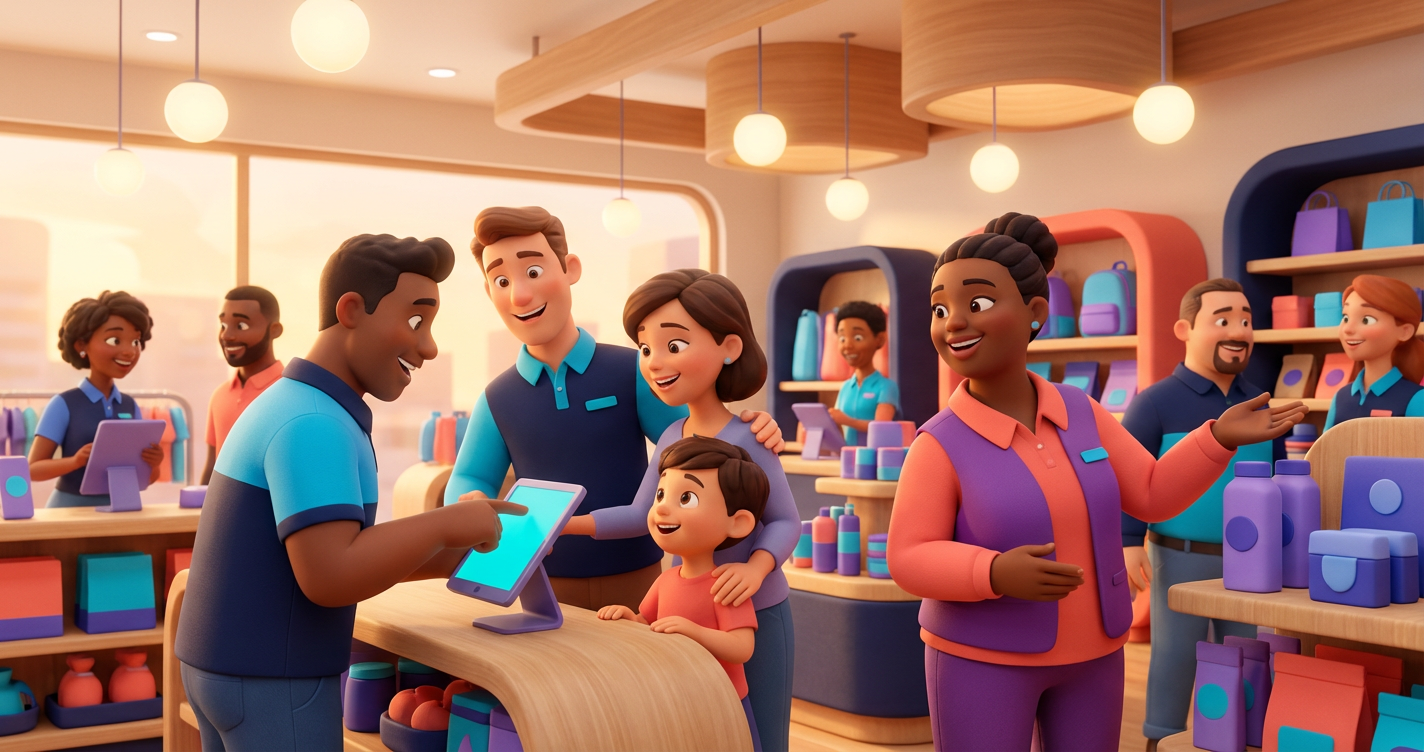
Section 1 illustration for Culture in retail: how to build high-performing teams

One of the biggest mistakes we see in retail hiring is looking for a 'generic' retail worker. In truth, a high-performing store needs a variety of different strengths to function properly. You need people who are naturally persuasive to drive sales, but you also need people who are meticulous with inventory and others who are deeply empathetic to handle complex customer complaints. Understanding the work personality of your team members allows you to place them where they will naturally thrive.

For example, someone who identifies as The Campaigner is going to be your star on the sales floor. They are enthusiastic, visionary, and persuasive – exactly the kind of person who can build rapport with a customer in seconds. On the other hand, your back-of-house operations or inventory management might be better suited to The Auditor. These individuals are thorough, accurate, and exacting. They find satisfaction in maintaining order and ensuring every SKU is exactly where it should be. When you align these natural preferences with the right tasks, the culture of the team becomes one of ease rather than constant friction.

Leadership styles that support retail excellence

Culture is a shadow of the leader. In the fast-paced world of retail, the way you lead under pressure dictates the 'vibe' of the entire store. There is no single best way to lead, but there is a best way for a specific moment. Sometimes you need to be directive – giving clear, specific instructions during a store reset or a busy Saturday morning. Other times, a more democratic approach is needed, where you seek input from the team on how to improve a specific process or solve a recurring customer issue.

Many retail managers fall into the trap of being 'always on' in a directive mode. While this gets tasks done, it can stifle the very culture you're trying to build. We encourage leaders to look at their own natural tendencies. Do you lean toward being The Coordinator, focusing on structure and efficiency? Or are you more like The Helper, prioritising team harmony and support? Recognising your default style is the first step toward learning how to flex it. When a leader can adapt their style to the team's needs, it builds a level of trust and psychological safety that is the bedrock of a resilient retail culture.

Resolving conflict before it breaks the culture

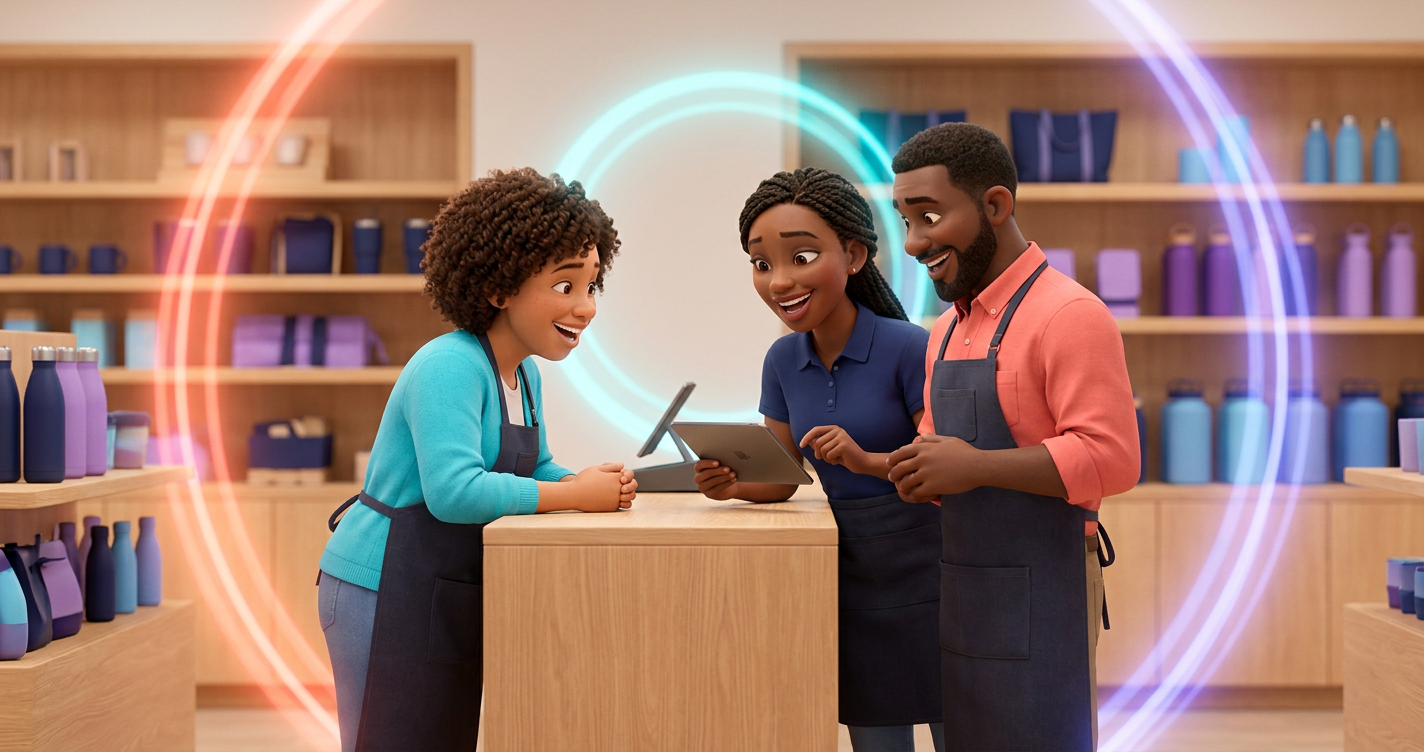
Section 2 illustration for Culture in retail: how to build high-performing teams

Conflict is inevitable in any high-stakes environment, and retail is no exception. Long hours, demanding customers, and physical fatigue can cause even the best teams to fray at the edges. However, conflict doesn't have to be destructive. If handled correctly, it can actually strengthen the culture by clarifying expectations and improving communication. The key is understanding that different personalities handle conflict in very different ways.

Consider a clash between a results-driven manager and a highly empathetic staff member. The manager might be blunt and logical, while the staff member might be focused on team morale and feeling unsupported. Without an understanding of these different perspectives, the argument just goes in circles. By using tools to map these differences, teams can learn to speak each other's 'language'. This is where a workforce intelligence platform like Compono becomes invaluable. By providing insights into how different types – like The Evaluator or The Advisor – interact, we help teams move from frustration to collaboration.

The link between culture and retention

Retail is notorious for high staff turnover, which is often blamed on low wages or irregular hours. While those factors matter, the primary reason people leave retail jobs is a toxic or unsupportive culture. People don't leave stores; they leave bad environments and poor management. When you invest in your culture in retail, you are directly investing in your bottom line by reducing the massive costs associated with hiring and training new staff every few months.

Retention starts during the recruitment process. It’s about more than just checking if someone has used a POS system before. You need to know if they will fit into the existing team and if the role aligns with their natural work preferences. This is exactly what we do with Compono Hire. It assesses candidates across organisation fit, skills, and qualifications, ensuring you aren't just filling a gap, but adding a piece to the cultural puzzle that actually belongs there. When people feel like they fit, they stay longer and perform better.

Key insights

  • Culture is the primary driver of customer experience; a happy team creates happy customers.
  • Diversity in work personalities – from the persuasive Campaigner to the methodical Auditor – is essential for a balanced retail environment.
  • Leadership must be flexible, moving between directive and democratic styles to suit the store's pace.
  • Retention is a cultural outcome that begins with accurate person-role alignment during the hiring phase.

Where to from here?

Building a thriving retail culture is a journey of continuous improvement. If you're ready to move beyond guesswork and start using data to drive your people strategy, we're here to help.

Frequently asked questions

How can I improve my retail store culture quickly?


Start by clearly defining the behaviours you want to see and then model them yourself. Recognition is also key – specifically acknowledging when a team member demonstrates a 'culture-first' behaviour can have an immediate impact on morale.

What is the biggest challenge for culture in retail?


The high-pressure, fast-paced nature of the work often leads leaders to prioritise tasks over people. Maintaining a focus on team engagement during peak periods is the most difficult but most important part of the job.

How do I hire for culture fit in a retail setting?


Look beyond technical skills. Use assessments that measure work personality and values to ensure the candidate's natural preferences align with the demands of the retail environment and your specific team dynamic.

Does a strong culture really impact sales?


Absolutely. Engaged employees are more likely to go the extra mile for customers, leading to higher satisfaction, repeat business, and increased sales. Culture is the foundation of your customer service strategy.

How do I handle a 'toxic' team member in retail?


Address the behaviour immediately and directly. Often, toxicity stems from a mismatch between a person's work personality and their role. If coaching doesn't work, protecting the rest of the team's culture may require moving that person out of the business.

Related

Mining industry HR Australia: a guide to better teams

Mining industry HR Australia: a guide to better teams

The Australian mining sector remains the backbone of the national economy, but for those working in mining industry HR in Australia, the challenges...

Read More
Culture fit matching software: how to build high-performing teams

Culture fit matching software: how to build high-performing teams

Culture fit matching software is a digital tool designed to align a candidate’s values, work preferences, and personality with a company’s unique...

Read More
Culture fit in recruitment: how to build high-performing teams

Culture fit in recruitment: how to build high-performing teams

Culture fit in recruitment is the process of identifying candidates whose values, beliefs, and work behaviours align with your organisation’s...

Read More