
.webp)
.png?width=383&height=200&name=team%20(1).png)
 Compono


1 min read
How a hiring intelligence platform transforms modern recruitment
 Mathan Allington
A hiring intelligence platform is a data-driven system that combines behavioural science with skills and organisational data to help leaders make...

Culture fit hiring in NDIS providers works by aligning a candidate’s personal values and work behaviours with the specific mission of the organisation and the needs of the participants they support.
This process moves beyond checking certifications to ensure that new hires possess the empathy, resilience, and ethical alignment required for long-term success in the disability sector. By focusing on these intrinsic traits, providers can reduce turnover and deliver a higher standard of person-centred care.
Key takeaways
- Culture fit in the NDIS sector is about aligning individual values with participant-first care standards.
- Effective assessment requires looking past technical qualifications to evaluate behavioural traits like empathy and resilience.
- Hiring for fit helps mitigate the high turnover rates common in the disability and aged care sectors.
- A structured approach to assessing Organisation Fit ensures that diversity is maintained while core values remain consistent.
Hiring for NDIS providers is notoriously difficult because the stakes are incredibly high. You aren’t just looking for someone who can follow a schedule or complete paperwork; you are looking for someone who will become a vital part of a participant's life. When a hire doesn't work out, it isn't just a business cost – it’s a disruption to the continuity of care for vulnerable individuals.
Many providers fall into the trap of 'outside-in' hiring, where they prioritises external qualifications and immediate availability over internal alignment. While compliance is non-negotiable, it doesn't guarantee that a person will thrive in your specific team environment. This is why we often see high burnout rates; the person has the skills but lacks the 'work personality' to handle the unique pressures of the role.
At Compono, we’ve seen that the most successful providers are those who treat culture as a measurable data point rather than a vague feeling. Understanding why new hires fail often leads back to a mismatch in values or environment, rather than a lack of technical ability. By shifting the focus toward culture fit, you can build a more stable, committed workforce.
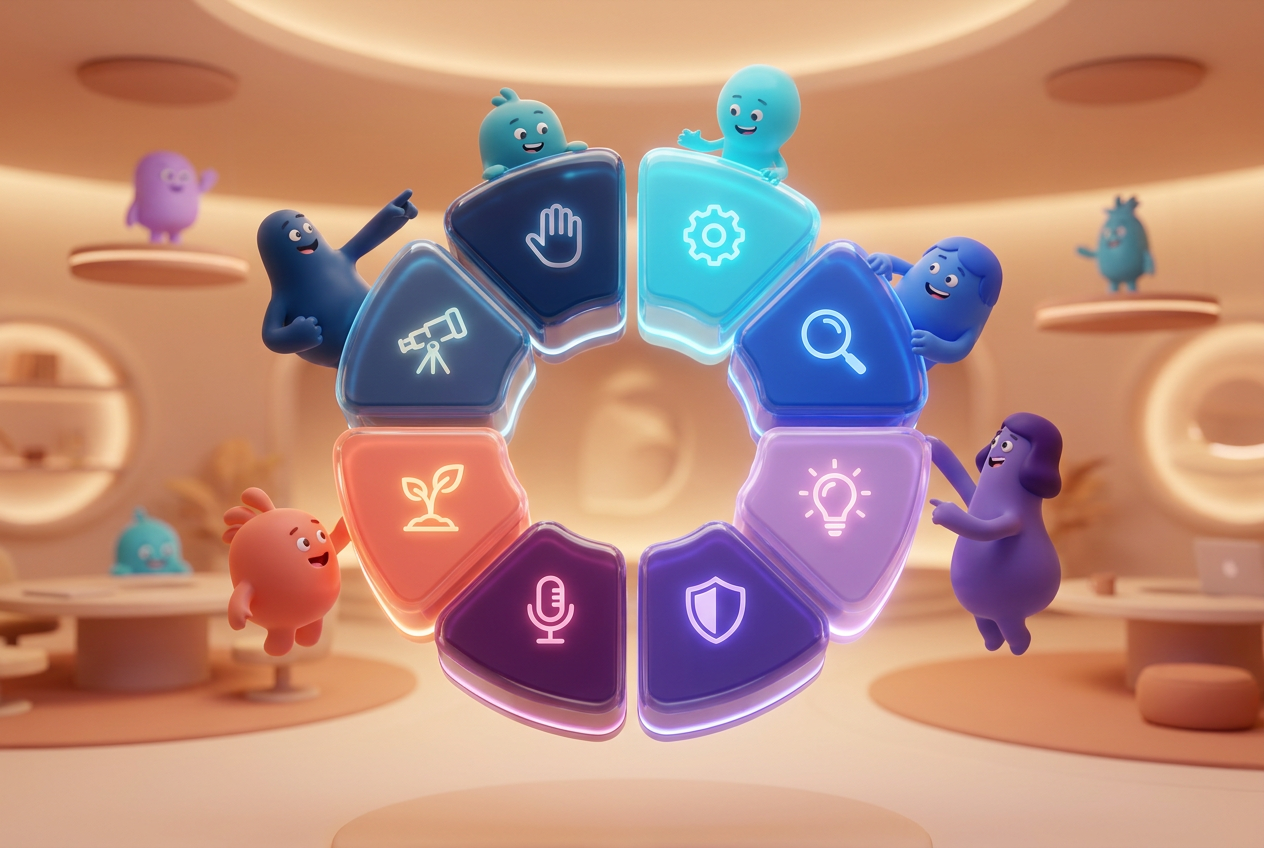
Culture fit is often misunderstood as hiring people who are exactly like the existing team. In the NDIS context, this is a dangerous misconception. True culture fit – or what we prefer to call Organisation Fit – is about shared values and mission alignment, not shared hobbies or backgrounds. It’s about finding people who believe in the same 'why' as your organisation.
For an NDIS provider, this might mean looking for candidates who demonstrate a 'Helper' or 'Advisor' work personality. These individuals naturally gravitate toward supporting others and promoting harmony. When you align these natural tendencies with your service delivery model, you create a workplace where employees feel energised by their tasks rather than drained by them.
We recommend using an Inside-Out Hiring framework. This starts by identifying the core behaviours that drive success within your specific teams. Once you have defined these, you can use objective tools to see if candidates naturally exhibit those traits. This removes the 'gut feel' and replaces it with a scientific approach to team building.
How do you actually measure if someone is a good fit before they start? Traditional interviews are often poor predictors of long-term behaviour because candidates are trained to give the 'right' answers. In the NDIS sector, where empathy and patience are critical, you need a deeper layer of insight. This is where psychometric assessments become invaluable.
By assessing a candidate’s work personality, you can identify their natural preferences for certain types of work. A Helper, for instance, will naturally focus on team cohesion and participant well-base. Conversely, someone who is a Doer might be excellent at following strict compliance procedures and meeting deadlines, which is equally vital for administrative or high-care roles.
Compono Hire helps you automate this by assessing candidates across three distinct dimensions: Organisation Fit, Job Fit, and Personality Fit. This ensures that every person you interview has already been screened for the values that matter to your organisation. It’s not about finding 'perfect' people, but about finding the right people for your specific culture.
A common concern with culture fit hiring is that it might lead to a lack of diversity. If everyone 'fits' the culture, does that mean they all think the same way? In the NDIS sector, diversity is a superpower. You support a diverse range of participants, so your workforce should reflect that. The key is to distinguish between 'culture fit' and 'culture add'.
Culture fit should be restricted to core values – things like integrity, respect, and a commitment to participant outcomes. Beyond those non-negotiables, you want a team with diverse perspectives, backgrounds, and problem-solving styles. A Pioneer might bring fresh, innovative ideas to your service delivery, while an Auditor ensures that your safety standards never slip.
When you use objective data to measure fit, you actually reduce bias. Instead of a hiring manager favouring someone because they went to the same school, they are looking at how well that person’s values align with the organisation’s mission. This creates a fairer, more inclusive hiring process that prioritises what truly matters for participant care.
Hiring for fit is only the first half of the journey. Once you’ve found the right person, you must reinforce that culture through their initial experience. NDIS work can be isolating, especially for support workers in the field. A strong onboarding process that emphasises culture helps new hires feel connected to the larger mission from day one.
Your onboarding should clearly articulate the 'unwritten rules' of your culture. How do we handle conflict? How do we celebrate wins? How do we support each other after a difficult shift? When these things are clear, new employees can settle in faster and with more confidence. This is particularly important for retention in the first 90 days, which is the highest-risk period for turnover.
Using a dedicated platform like Compono Engage allows you to maintain a continuous pulse on how new hires are settling in. By measuring engagement and alignment early and often, you can intervene before a minor cultural mismatch turns into a resignation. It’s about building a foundation for organisational success through consistent, values-led leadership.
Key insights
- Culture fit in NDIS providers is a measure of value alignment, not social similarity, ensuring participants receive care from motivated staff.
- Psychometric tools provide a scientific way to identify the 'Helper' or 'Advisor' traits that are often essential for disability support roles.
- Focusing on Organisation Fit reduces the high costs associated with turnover and the disruption of care for NDIS participants.
- A data-driven approach to hiring helps eliminate unconscious bias, promoting a diverse workforce united by a common mission.
Building a high-performing NDIS team requires a shift from hiring for availability to hiring for alignment. By focusing on the intrinsic values and work personalities of your candidates, you can create a more resilient and compassionate workforce.
Providers can measure fit by using psychometric assessments that map a candidate's natural work behaviours against the organisation's core values. This objective data should be used alongside behavioural interview questions that ask for specific examples of how the candidate has demonstrated those values in the past.
No, when done correctly, it actually supports diversity. By focusing on shared values – like empathy and respect – rather than shared backgrounds, providers can hire a diverse range of people who are all united by the same mission to support participants effectively.
In the NDIS, the relationship between the worker and the participant is the 'product'. If there is a cultural mismatch, it can lead to poor care outcomes or safety risks. High turnover also disrupts the stability that many participants need, making long-term fit essential for quality service.
Candidates who are a good fit typically show a natural inclination toward helping others, strong emotional intelligence, and a resilient mindset. They often have a 'Helper' or 'Advisor' work personality, meaning they find personal satisfaction in supporting someone else’s growth and independence.
While skills can be taught, core values and natural work personalities are much harder to change. It is far more effective to hire people who already align with your values and then train them on the specific technical requirements of NDIS compliance and care.
1 min read
A hiring intelligence platform is a data-driven system that combines behavioural science with skills and organisational data to help leaders make...
1 min read
Recruitment agencies need behavioural hiring because it allows them to predict job performance and cultural alignment with far greater accuracy than...
1 min read
Franchise recruitment is the process of hiring people who meet one brand standard across many locations. The strategies that work are consistent:...
 Compono