

.webp)

 Compono


SEEK recruitment software: a guide to smarter hiring
 Compono
Maximise your ROI with SEEK recruitment software. Learn how to integrate tools and find better talent with our comprehensive hiring guide for HR...

Choosing the right recruitment software depends on matching your specific team size, hiring volume, and culture-fit requirements with a platform that prioritises people intelligence over simple process automation.
While many tools focus on the administrative side of tracking applicants, the best choice for a growing business is one that helps you understand candidate behaviour and potential before they even step into an interview. At Compono, we believe that the technology you choose should act as a bridge between a resume and a real human connection, ensuring every hire is a long-term success.
Key takeaways
- The right recruitment software should prioritise candidate experience and organisation fit rather than just moving names through a pipeline.
- Mid-market companies need a system that balances automation with deep psychometric insights to avoid the 'brilliant jerk' problem.
- Integration with your existing HR ecosystem is essential to prevent data silos and ensure a smooth transition for new starters.
- Software that includes work personality assessments helps managers build balanced teams by identifying natural work preferences early.
Finding the right software often feels like a full-time job in itself. You are likely facing a mountain of resumes, a shrinking talent pool, and the constant pressure to reduce your time-to-hire without sacrificing quality. Most HR leaders start their search because their current process is manual – or worse, their current software is so clunky that managers refuse to use it. This leads to missed opportunities and a poor candidate experience that can damage your brand in a competitive market.
The problem isn't a lack of options; it's the overwhelming variety of tools that all claim to do the same thing. Some are built for massive enterprises with complex compliance needs, whilst others are designed for small startups that only hire once a year. For a mid-market business, the sweet spot is a platform that offers sophisticated intelligence without the complexity of a legacy system. You need to know not just if someone can do the job, but if they will thrive in your specific environment.

Before you look at features, you need to look at your pain points. Are you struggling to attract the right people, or are you overwhelmed by too many of the wrong ones? If your primary issue is high turnover in the first 90 days, your software needs to focus on why new hires fail and provide tools to assess culture fit early. If your team is spending hours on manual scheduling, then automation and ease of use should be your top priorities.
We often see teams focused on the 'how' of hiring – the steps, the stages, and the emails – but they forget the 'who'. The right software should help you become a talent architect. This means looking for a system that doesn't just store data, but actually provides insights into how a candidate will collaborate with your existing team. When you understand your team's current gaps, you can hire with a specific purpose in mind.
A traditional Applicant Tracking System (ATS) is essentially a digital filing cabinet. It organises applications, sends automated rejections, and stores notes. While these are useful, they don't help you make better decisions. A workforce intelligence platform, like Compono Hire, goes a step further by using behavioural science to rank candidates based on how well they match your organisation's unique DNA. This shift from transactional to strategic hiring is what sets high-performing teams apart.
When evaluating software, ask yourself if the tool helps you see the person behind the PDF. Does it include psychometric testing that is easy for the candidate to complete? Does it give your hiring managers interview questions tailored to a candidate's specific work personality? If the software only manages the process, you are still doing all the heavy lifting when it comes to the actual 'intelligence' part of recruitment. You want a partner in your tech stack, not just a tool.
In today's market, candidates are interviewing you just as much as you are interviewing them. A clunky, slow, or impersonal application process is the fastest way to lose top-tier talent. The right recruitment software makes the journey smooth from the first click. This includes mobile-friendly applications, clear communication at every stage, and assessments that feel engaging rather than like a university exam.
Consider how your brand is represented throughout the process. Your recruitment software should act as a silent ambassador for your culture. If you value innovation and transparency, your hiring tool should reflect that. For example, some modern teams are even sending interview questions in advance to reduce anxiety and get better answers. Your software should be flexible enough to support these kinds of progressive hiring practices without making things harder for your HR team.
One of the most overlooked aspects of choosing recruitment software is how it helps you design your future team. Every person has a dominant work personality – a natural way they prefer to tackle tasks and interact with others. If your team is full of Pioneers who love big ideas but lacks Doers to execute them, your recruitment software should help you identify that gap.
The right platform allows you to map your current team's strengths and weaknesses. When a new role opens up, you aren't just looking for a set of skills; you are looking for the missing piece of the puzzle. This level of insight ensures that you aren't just hiring the 'best' candidate on paper, but the best candidate for your specific team dynamic. It turns recruitment from a guessing game into a scientific process that supports long-term retention.
Key insights
- Recruitment software must move beyond simple tracking to provide deep insights into candidate behaviour and organisation fit.
- The best platforms for mid-market businesses integrate psychometric assessments directly into the workflow to ensure data-driven decisions.
- Candidate experience is a competitive advantage – choose a tool that makes the application process engaging and transparent.
- Effective software helps you identify 'work personality' types to build balanced, high-performing teams that stay together longer.
Where to from here?
Choosing the right recruitment software is a strategic decision that affects your entire organisation's performance and culture. By focusing on intelligence and candidate experience, you can build a team that is not only skilled but perfectly aligned with your goals.
If your team is spending more time on administrative tasks than on speaking with candidates, or if you are seeing high turnover in new hires, it is likely time to upgrade to a platform that offers more intelligence and automation.
A standard ATS tracks the recruitment process steps, whereas Compono is a workforce intelligence platform that uses behavioural science to assess candidate fit, personality, and potential for long-term success.
Yes, by using scientifically validated assessments early in the process, the right software can identify candidates whose values and work preferences align with your organisation's culture, reducing the risk of a bad hire.
While every transition requires planning, modern platforms are designed to be intuitive. The focus should be on how the new system will improve your insights and decision-making moving forward, rather than just replicating your old manual processes.
This depends on your needs, but many mid-market companies find that a specialised recruitment platform provides deeper insights than a generic all-in-one system, provided it can integrate with your other HR tools.
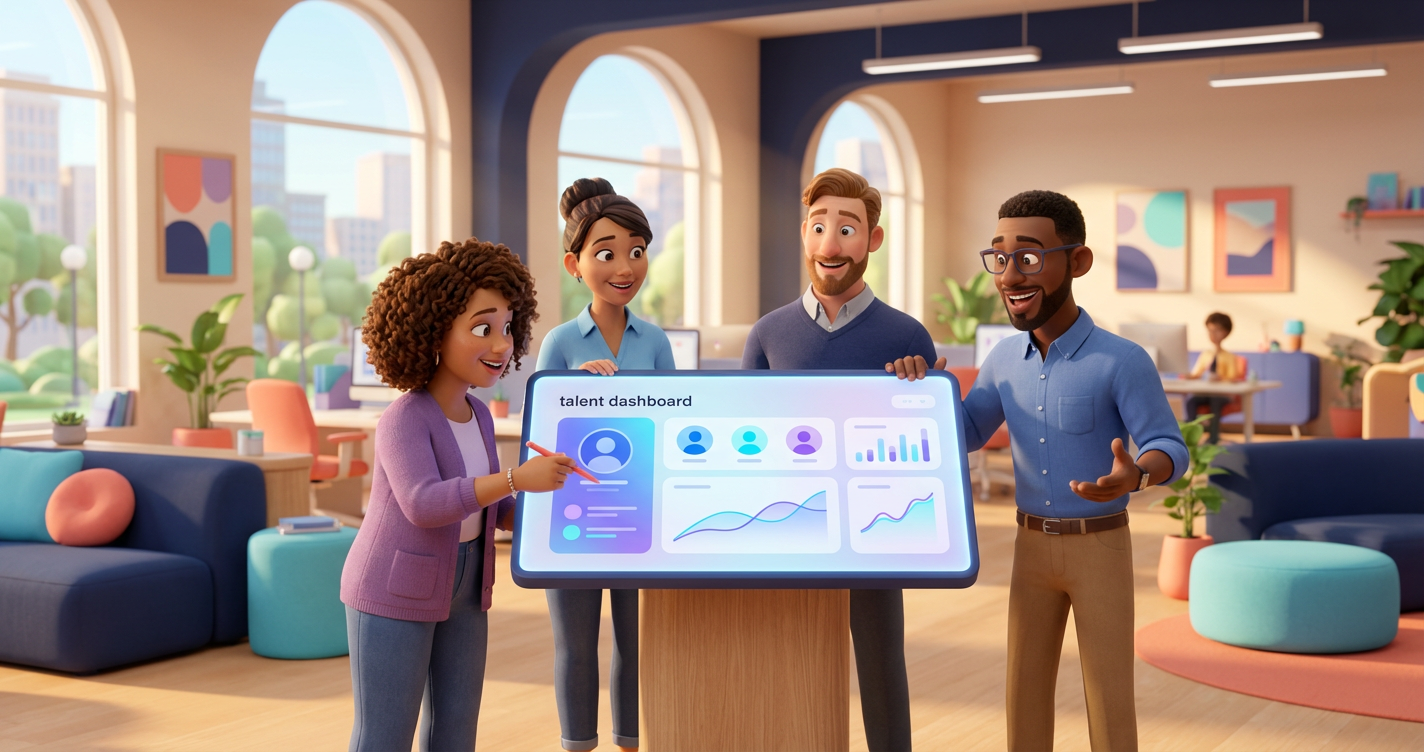
Maximise your ROI with SEEK recruitment software. Learn how to integrate tools and find better talent with our comprehensive hiring guide for HR...

How recruitment software helps gyms and fitness centres hire trainers, managers and front-desk staff who actually stick around.
What a recruitment CRM does, how it differs from an ATS, and how talent pipelines cut time-to-hire and last-minute job ad spend.
 Mathan Allington