

.webp)

 Mathan Allington


SaaS HR platform: why modern teams need more than just software
 Mathan Allington
What a SaaS HR platform covers, where most stop at admin, and how connecting hiring, engagement and development turns people data into decisions.

An HR platform is the system where an organisation keeps its employee data and runs the work of managing people: hiring, onboarding, records, pay, leave, training, engagement and reporting. Most platforms handle the administration well and stop there. The ones worth shortlisting also tell you something about the people in the data, which is the half of the job that spreadsheets and payroll software were never built for.
Last reviewed September 2026.
The label gets used loosely, so it is worth being precise. An HR platform is software that holds a single record for each employee and connects the processes that touch that record. At minimum it covers personal and employment details, contracts, leave, and the reporting a business needs to stay compliant. Past that minimum, vendors differ enormously in what they include and what they expect you to buy separately.
Two risks sit underneath every HR technology decision. The first is process risk: the admin errors, the missed compliance step, the onboarding that falls through the cracks. Most HR software on the market handles this well. The second is people insight risk: the wrong hire, the top performer who quietly disengages, the training that never turns into capability, the culture that erodes while the dashboards stay green. That second risk is the one most platforms ignore, and it is usually the more expensive of the two.
A complete HR platform reduces both. When you are comparing options, work out which risk each vendor is actually selling against, because the demo will rarely say.
"HR platform" covers at least six product categories. Naming the one you are actually shopping in does more for a selection process than any feature checklist.
| Type of platform | What it handles | What it leaves out | Best fit |
|---|---|---|---|
| Core HRIS and payroll | Employee records, pay, leave, contracts, statutory reporting and compliance documents | Hiring decisions, capability, culture and anything about how people actually work | Any organisation past roughly twenty employees |
| Applicant tracking system | Job ads, applications, screening, interview scheduling, offers and hiring reporting | Everything that happens after day one | Organisations hiring regularly or at volume |
| Learning management system | Courses, compliance training, completion records and capability tracking | Why someone is struggling in the first place | Regulated, safety-critical or skills-heavy work |
| Engagement and culture platform | Surveys, sentiment tracking, culture measurement and action planning | The transactional record of employment | Leaders trying to hold culture together while the headcount grows |
| Competency and credentialling platform | Competency frameworks, assessment, licences and currency of qualifications | General HR administration and payroll | Licensed trades, public safety and regulated professions |
| People intelligence platform | Work personality, organisation fit, team composition and the reasons behind performance patterns | Payroll and statutory record keeping | Organisations with the admin already covered that keep getting people decisions wrong |
Very few organisations buy one of these and nothing else. The practical question is which two or three you need, and which vendor can cover more than one without forcing a compromise you will regret in year two. For a closer look at where the boundaries sit, our guide to how an ATS differs from an HRIS covers the overlap that causes the most confusion during selection.
Selection processes fail in predictable ways: the requirements list is written by whoever is loudest, the demo shows a configured environment that looks nothing like yours, and the decision comes down to price because nobody can articulate the difference. A sequence that holds up:
If you want the longer version with a scoring approach, we have written a full walkthrough on how to choose the right HR software.
Nearly every HR platform sold today is delivered online, which makes "cloud" a weak differentiator and the detail underneath it worth reading. Four things are worth confirming in writing.
None of this is exciting, and all of it turns up later as a problem if you skip it.
"Talent optimisation platform" describes software that starts from business strategy and works backwards to the people decisions that support it: what the roles should be, who fits them, how the team is shaped, and where behaviour is getting in the way of the plan. The category grew out of the observation that most HR systems record what happened without explaining why.
In practice it overlaps heavily with people intelligence. Both use assessment data about how individuals work, and both aim at the same outcome: decisions you can defend in front of an executive team. The useful distinction when you are comparing vendors is whether the assessment sits at the centre of the product or is bolted on as a module. A platform where personality and fit data flow into hiring, team design and development behaves very differently from one where an assessment produces a PDF that nobody opens again.
Compono's framework describes eight work personalities: Doer, Auditor, Helper, Advisor, Pioneer, Campaigner, Evaluator and Coordinator. Knowing that a team is heavy on one and missing another turns a vague sense of friction into something you can act on. The free work personality assessment takes a couple of minutes if you want to see what the output looks like before you evaluate anything.

For a long time the standard HR platform was a digital filing cabinet. It held contracts and contact details and offered very little strategic value. What changed is that leaders started asking HR questions the filing cabinet cannot answer: why is this team underperforming, which of these two candidates will still be here in three years, what happens to our culture if we double the headcount.
Answering those questions needs data at the intersection of skills, personality and values, which is what an integrated people intelligence platform is built to hold. Knowing that a candidate is a capable software developer is the easy part. Knowing that they are a Pioneer who will push for new approaches in a team that currently has none is the part that changes the decision. People analytics is the discipline that turns that data into something a board will act on.
This is where a system like Compono Hire changes the shape of a shortlist. Instead of filtering resumes for keywords, it assesses candidates across Organisation Fit, Skills and Qualifications, so the people you bring in are capable of the job and suited to the environment they are joining.
Hiring the wrong person is expensive in recruitment fees and much more expensive in team morale and lost momentum. The common mistake is weighting technical skill heavily and treating fit as a gut call at the end of the process.
A good HR platform lets you map team dynamics before the contract is signed. If a group is full of Auditors who value precision and caution, adding a highly spontaneous individual without a plan for how they will work together creates friction that nobody predicted but everybody feels. Understanding the natural work preferences already in the team tells you which ingredient is missing, which is a far better brief than "someone like the last person, but better".
Compono has spent years researching high-performing teams, and that research sits behind the Compono Culture, Engagement and Performance Model, which explains how culture and performance connect.
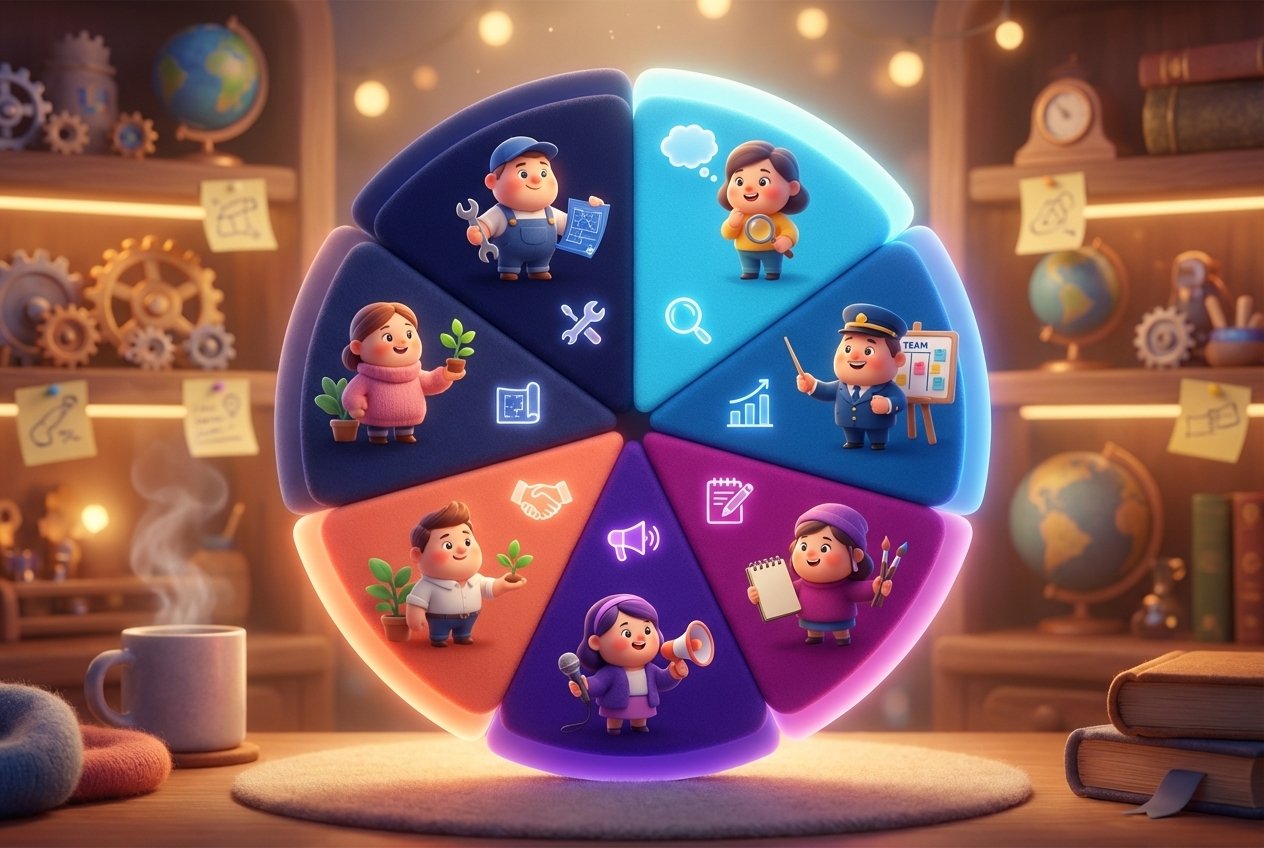
The relationship does not end when a candidate accepts the offer. Retention in a competitive market comes from a visible path for development and a workplace where people feel heard, and an HR platform either supports that or quietly gets in the way.
Engagement is often read as happiness, when it is closer to connection and purpose. Whether a Helper feels their contribution matters, or an Evaluator feels their analysis is actually being used by leadership, drives far more of the retention story than perks do. Regular feedback loops and the ability to see sentiment moving before it becomes a resignation are what separate a reactive exit interview culture from a proactive one.
Development works the same way. Training completion tells you someone sat through a course. Capability data tells you whether they can now do the thing. If a platform only reports the first, it is measuring attendance.
The most useful feature of a modern HR platform is often the one nobody demos: the ability to present people data to the rest of the business in a form it recognises. Turnover, time to hire, engagement movement and capability gaps mean more to a chief financial officer when they carry a dollar figure and a trend line.
A worked example, with illustrative numbers only. Say an organisation of 200 people runs 18 percent annual turnover, which is 36 departures a year, and estimates the average cost of replacing someone at 40,000 dollars in recruitment, lost productivity and ramp-up time. That is 1.44 million dollars a year. Bringing turnover down by four percentage points means 8 fewer departures, or 320,000 dollars. Whether those numbers hold for you is exactly the point: run them with your own figures before the meeting, because a business case built on your own data survives questions that a vendor's benchmark will not.
As you compare options, look for a partner who understands the Australian market and the way mid-market organisations actually operate: enough depth to handle the complexity, simple enough that a busy manager will use it on a Tuesday afternoon without training.
Compono covers hiring, engagement, learning and competency in one place, with the people data that explains why your teams perform the way they do.
Talk to usAn HR platform is software that holds a single record for each employee and connects the processes that touch it: hiring, onboarding, leave, pay, training, engagement and reporting. The broader platforms add people data, such as work personality and organisation fit, that explains the patterns the administrative record only describes.
Look for more than payroll and leave management. A modern platform should include recruitment tools that assess for fit as well as skills, engagement measurement that shows sentiment moving before people resign, and development records that track capability rather than course completion. Confirm the hosting region, the security certification and the data export terms in writing before you sign.
An HRIS is the system of record: employee data, pay, leave and compliance. An HR platform is the broader term, and usually includes the HRIS plus some combination of recruitment, learning, engagement and analytics. Many vendors use the two words interchangeably, so ask which modules are included in the quoted price rather than relying on the label.
A talent optimisation platform starts from business strategy and works backwards to the people decisions that support it: role design, hiring, team composition and development. It relies on assessment data about how individuals work. The question worth asking a vendor is whether that data flows through the whole product or produces a report that is never opened again.
Pricing is almost always per employee per month, with a separate one-off implementation fee, and it varies widely by how many modules you take. The number that matters is the total over three years including implementation, data migration, integration work, training and the internal time to run it. Ask every vendor to quote on that basis so the comparison is honest.
Any change needs a plan, and the difficulty usually sits in data migration and integrations rather than the software itself. Agree the data mapping early, run a parallel period across at least one pay cycle, and choose a vendor whose implementation team will name a specific person and a specific date rather than a process.
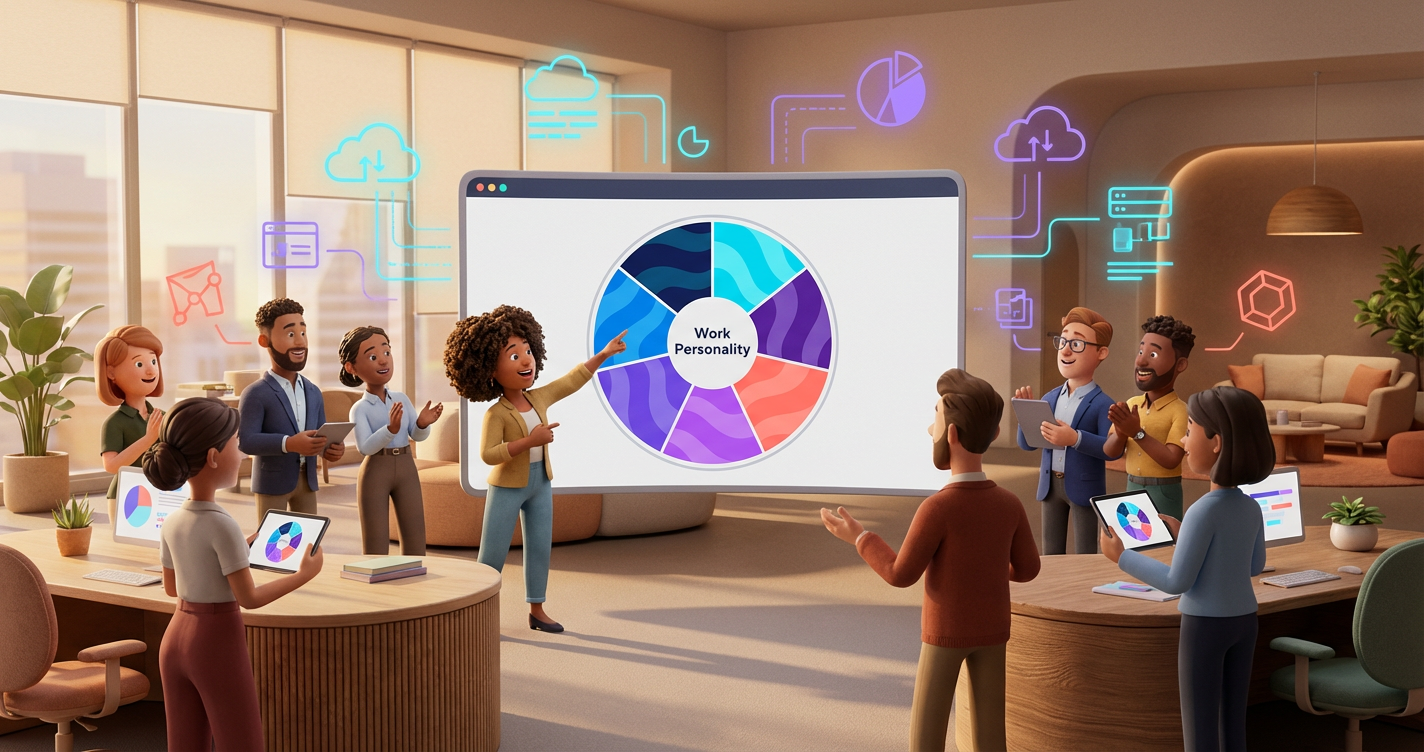
What a SaaS HR platform covers, where most stop at admin, and how connecting hiring, engagement and development turns people data into decisions.

What HRIS software covers, the core features to compare, and how to connect it with your hiring and development data as the team keeps growing.

What people management tools actually cover, where admin-only software stops short, and how to use people data for hiring and leadership decisions.