

.webp)

 Mathan Allington


Bob performance: a guide to better reviews in 2026
 Compono
How to run better performance reviews in Bob: cycle setup, feedback managers will act on, and the people data reviews alone will not give you.
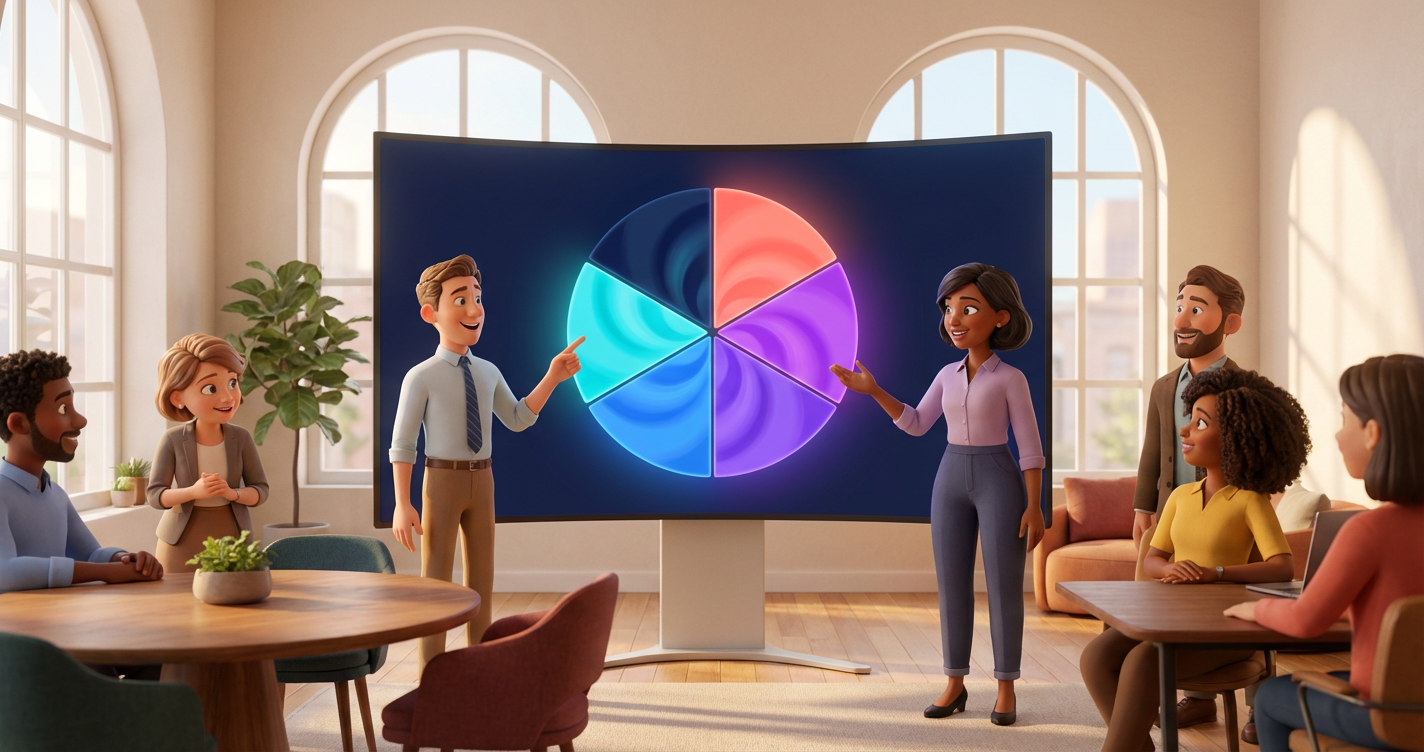
Behavioural science in HR applies psychological research and data to how people are hired, managed and led. It replaces gut feel with evidence: structured assessments that reduce hiring bias, work personality mapping that balances team composition, and leadership that adapts to what each person actually needs.
Last reviewed July 2026.
Why does a highly skilled individual fail to thrive in a particular team? Why do some groups handle conflict easily while others stall? The answer rarely sits in technical ability. It sits in the psychological drivers that shape how we interact, make decisions and respond to pressure.
Behavioural science in HR is the practice of using psychology and data to understand those drivers. It lets you look under the hood of your organisation and see the cognitive biases and personality traits influencing every meeting, project and hire. Ignore them and you end up building a culture on assumptions rather than reality.
People intelligence is the foundation of a healthy business. Using science to map how individuals prefer to work creates environments where everyone can do their best work. It is not manipulation; it is alignment.
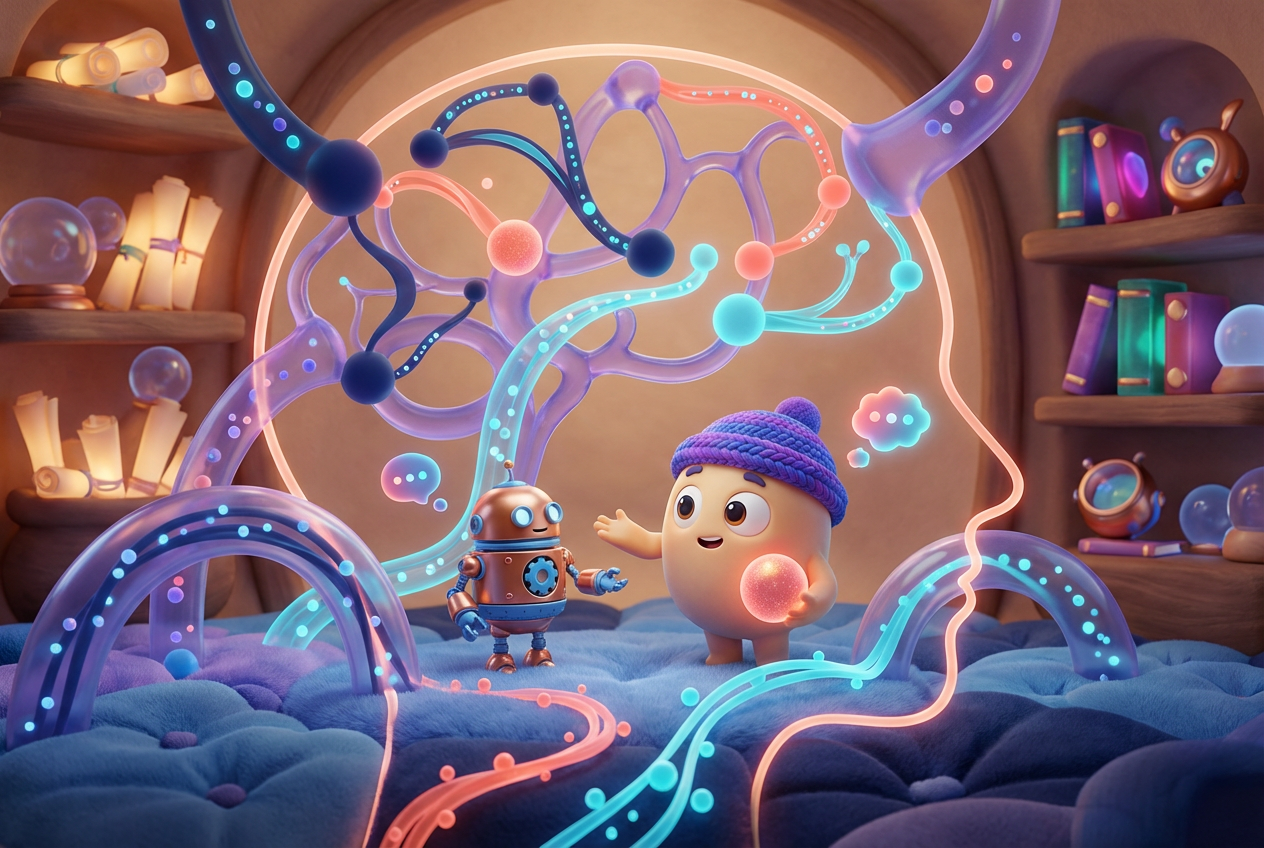
One of the most valuable applications of behavioural science in HR is reducing unconscious bias. We all use mental shortcuts to process information quickly, but in recruitment those shortcuts push us towards candidates who resemble us rather than candidates who suit the role.
Traditional interviews are notoriously unreliable because they often measure rapport rather than competence. Behavioural science points to structured assessments and objective data points instead, so every candidate is evaluated on actual potential and work preferences.
Compono Hire puts this into practice: you define the work personality a role needs, and the platform scores and ranks candidates on objective data, predicting culture fit. Hiring decisions get driven by evidence rather than a gut feeling clouded by hidden bias.
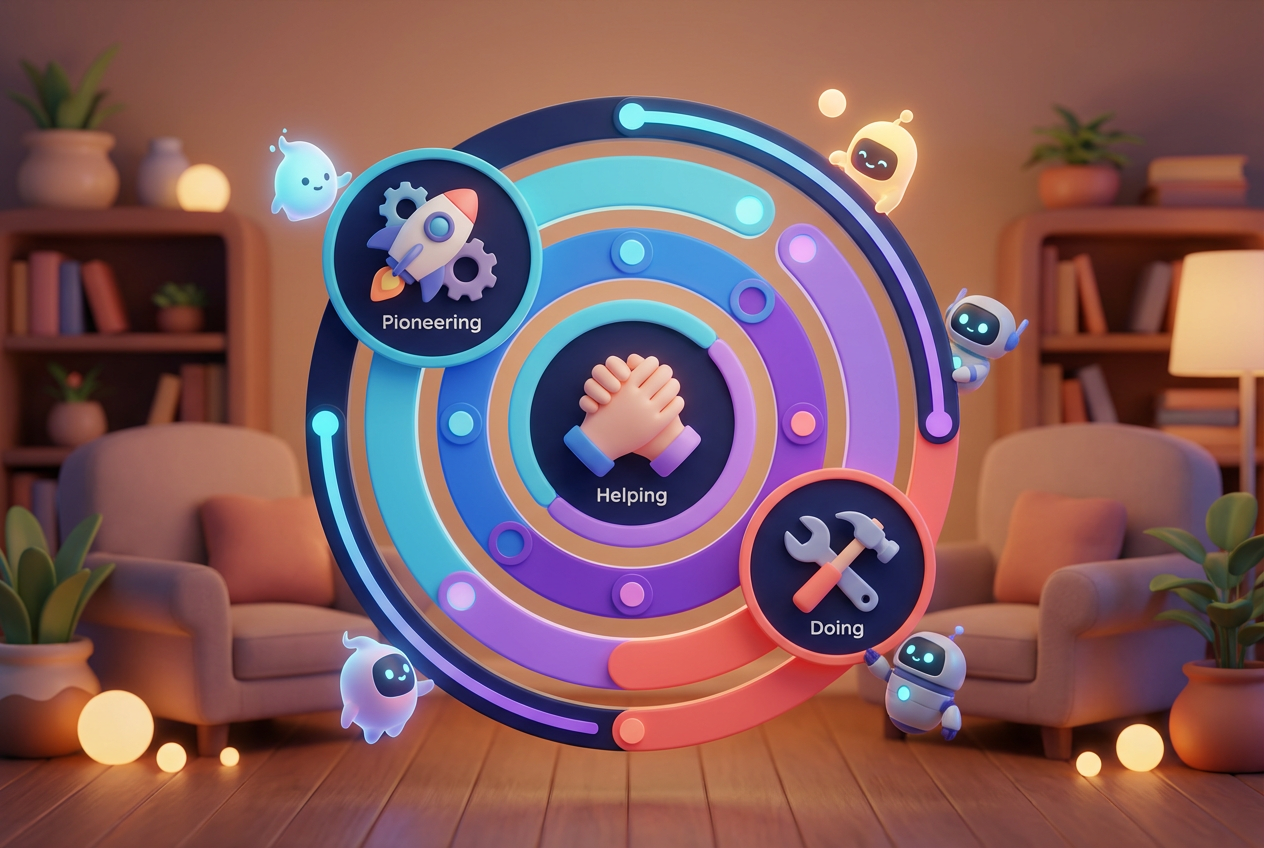
Every team is a mix of different motivations. Behavioural science identifies eight key work activities that high-performing teams must cover: Evaluating, Coordinating, Campaigning, Pioneering, Auditing, Advising, Helping and Doing. A team stacked with Pioneers but short on Auditors will have plenty of ideas and very little follow-through.
Understanding the work personality of your staff surfaces these gaps before they become performance issues. A work personality is the intersection of a person's natural preferences and the activities they find most motivating. When people spend their energy on tasks that suit their nature, engagement rises without any program or push.
Knowing who is a natural Doer or Advisor also changes how you delegate. Work lands with the people who find it energising, friction drops, and the team covers all eight activities rather than fighting over the same three.
Behavioural science also shows how small nudges shift collective behaviour more effectively than rigid mandates. Changes in how information is presented or how rewards are structured can move a whole team, often more reliably than top-down instruction.
Want more collaboration? Telling people to work together rarely does it. Look at the incentive structures instead. If you reward individual stars while ignoring the Helpers who hold the team together, you are training people out of the behaviour you say you want. Rewarding the behaviours you want to see beats punishing the ones you do not.
Compono Engage gives leaders a clear view of team sentiment and engagement, so you can apply the right nudge at the right time. When you understand the why behind the data, interventions become precise instead of hopeful.
No two employees respond to leadership the same way. A Coordinator might want structure and clear directives, while a Pioneer feels suffocated by anything other than a hands-off approach. The most effective leaders flex their style to the psychological needs of each team member.
That takes reliable data as much as emotional intelligence. Knowing the work personalities in your group lets you tailor communication: detailed evidence for an Auditor, the big-picture story for a Campaigner. The personalised approach builds trust and psychological safety.
Once leaders see personality as a set of preferences to be managed rather than destiny, the whole dynamic shifts. Conflict becomes a communication puzzle to solve, not a personal failing. That is the real value of bringing behavioural science into the heart of HR strategy.
Compono Engage maps the work personalities and engagement drivers inside your teams, so you can lead on evidence instead of assumptions.
Talk to usIt is the application of psychological research and data to understand how people behave at work. It helps HR leaders design better recruitment processes, improve engagement and build more effective leadership by focusing on actual human behaviour rather than assumptions.
By using structured assessments and objective data instead of relying on subjective rapport. Candidates are evaluated on their work preferences and potential, which leads to fairer and more accurate hiring outcomes.
Research identifies eight: Evaluating, Coordinating, Campaigning, Pioneering, Auditing, Advising, Helping and Doing. A balanced team needs personalities that naturally cover all eight, so it gets both innovation and execution.
Assess the work personalities of your current team first. That gives immediate insight into strengths and blind spots, so you can adjust your management style and hiring strategy from a base of evidence.

How to run better performance reviews in Bob: cycle setup, feedback managers will act on, and the people data reviews alone will not give you.

How Compono Australia helps mid-market businesses build high-performing teams using behavioural science and workforce intelligence.
How succession planning analytics identifies future leaders, maps talent risk and bench strength, and separates performance from potential.
 Mathan Allington