

.webp)

 Compono


DISC assessment hiring: a guide to smarter recruitment
 Mathan Allington
How to use DISC assessment in hiring the right way. Understand the four styles, where DISC helps, and how work personality predicts real role fit.
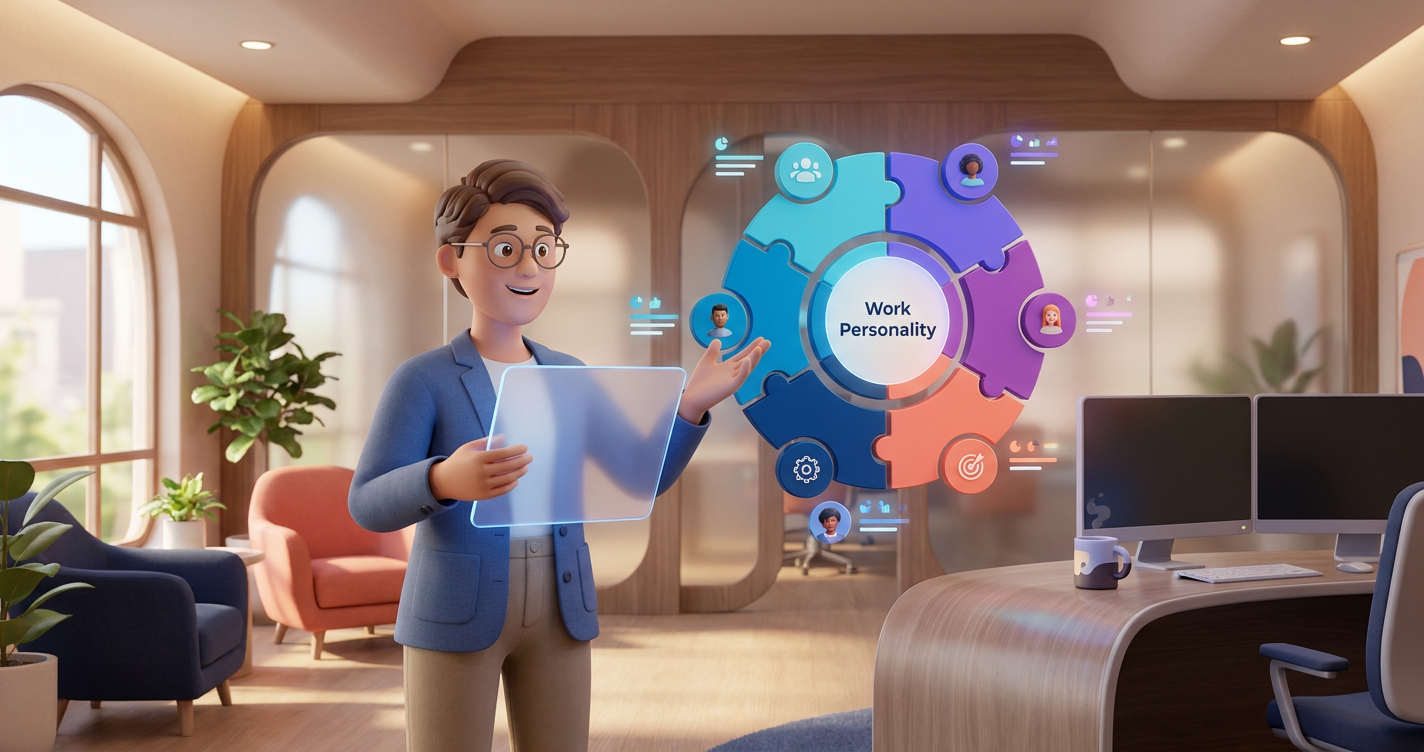
Predictive hiring matters because it allows you to use data and behavioural science to accurately forecast how a candidate will perform and fit within your specific team culture before you make an offer.
By moving beyond the static limitations of a résumé, you can identify the underlying traits that drive long-term success, reducing the risk of expensive mis-hires and improving employee retention. In a landscape where traditional recruitment often feels like a coin flip, predictive insights provide the evidence you need to build a more resilient, high-performing workforce.
Key takeaways
- Predictive hiring uses psychometric data to forecast job performance and cultural alignment with higher accuracy than interviews alone.
- It addresses the 'brilliant jerk' problem by identifying behavioural red flags and work personality gaps early in the recruitment funnel.
- Implementing predictive models significantly reduces time-to-hire and turnover costs by ensuring better long-term person-organisation fit.
- The process shifts recruitment from a reactive, gut-feel exercise to a proactive, strategic business function based on people intelligence.
Most of us have been there – you meet a candidate who looks perfect on paper, interviews like a seasoned pro, and comes with glowing references. Three months later, the cracks start to show. Perhaps they struggle to collaborate with the existing team, or their working style clashes with your operational pace. This is the fundamental problem with traditional hiring: it relies on historical data and subjective impressions to predict future behaviour.
When we rely solely on résumés, we are looking at a curated list of past achievements that may not translate to a new environment. This uncertainty is precisely why new hires fail more often than they should. The financial impact of a bad hire – often cited as up to 2.5 times the individual's salary – is only part of the story. The hidden costs include stalled projects, decreased team morale, and the emotional toll on managers who must manage a performance exit.
Predictive hiring changes this dynamic by asking a different question. Instead of asking 'What have you done?', it asks 'How will you do the work here?'. By using tools that measure work personality and cognitive fit, we can see the person behind the professional history. This shift from reactive to proactive decision-making is why predictive hiring has become the bedrock of modern talent strategy.

The traditional résumé is increasingly losing its edge in a world where skills are rapidly evolving and AI can polish a CV to perfection. While a candidate’s experience is important, it doesn't tell you if they will thrive in your specific ecosystem. Predictive hiring introduces a layer of 'people intelligence' that looks at the stable traits – such as cognitive ability and personality – that actually dictate workplace behaviour.
At Compono, we have spent years researching how these traits manifest in different environments. We’ve found that high-performing teams aren't just a collection of high achievers; they are a balanced mix of individuals whose work personalities complement one another. For example, a team full of Pioneers might be great at coming up with ideas, but they may struggle with execution if they don't have a Doer or a Coordinator to bring those ideas to life.
By using predictive assessments early in the process, you can filter for these specific needs. This isn't about finding the 'best' person in a vacuum; it’s about finding the best person for the role, the team, and the organisation at this specific point in time. This level of precision is impossible to achieve through a standard interview process alone, where unconscious bias often leads us to hire people who simply remind us of ourselves.
Culture is often described as the 'vibe' of an office, but in reality, it is the sum of thousands of micro-decisions and daily behaviours. Predictive hiring allows you to quantify this. By mapping the work personalities of your existing top performers, you can create a benchmark – a 'success profile' – to compare candidates against. This ensures that a new hire won't just do the job, but will actually enjoy the way the job is done at your company.
This is where Compono Hire creates significant value. Our platform allows you to assess candidates across three critical dimensions: Organisation Fit, Job Fit, and Team Fit. Instead of guessing if someone will get along with their manager, you can see the data on their likely communication style and conflict resolution preferences. This evidence-based approach removes the 'gut feel' that often leads to diversity gaps and cultural stagnation.
When you hire for fit using predictive data, the onboarding process becomes much smoother. You already know their potential blind spots and how they prefer to receive feedback. This allows managers to move from 'probationary monitoring' to 'strategic coaching' from day one. It creates a foundation of trust that is built on shared values and complementary strengths, rather than just a signed contract.
One of the most compelling reasons why predictive hiring matters is its ability to level the playing field. Human beings are naturally biased – we tend to favour candidates who went to the same universities, worked at recognisable companies, or share our hobbies. These 'affinity biases' are the enemy of diversity and often lead to teams that think and act exactly the same way.
Predictive tools focus on objective data points that are proven to correlate with job success. By anonymising certain parts of the application and prioritising behavioural scores, you ensure that every candidate is judged on their actual potential rather than their pedigree. This often reveals 'hidden gems' – candidates who might have been overlooked because they didn't have a traditional background, but whose work personality makes them a perfect match for the role.
This data-driven approach also helps in defending hiring decisions to senior leadership. When you can show that a candidate scored in the top 5% for the specific traits needed to succeed in a high-pressure environment, the decision becomes a business case rather than an opinion. It transforms HR from a transactional function into a strategic partner that provides the workforce intelligence needed to drive the company forward.
Retention doesn't start on the first day of work; it starts during the first interview. Most people don't leave jobs because they can't do the tasks; they leave because of poor management, lack of alignment with company values, or a working style that doesn't fit the team. Predictive hiring addresses these root causes of turnover before the person even walks through the door.
When you use predictive insights to match a candidate’s natural preferences with the realities of the role, they are more likely to find their work meaningful and engaging. An individual who naturally enjoys detail-oriented, methodical work – someone we might call an Auditor – will be far more satisfied in a compliance role than someone who thrives on variety and social interaction. By aligning work personality with work activity, you create a 'hell yes' environment for both the employer and the employee.
Over time, this leads to a more stable workforce and a stronger employer brand. People stay where they feel understood and where their natural strengths are utilised. This stability allows you to focus on developing your talent rather than constantly replacing it. It’s the difference between building a revolving door and building a legacy.
Key insights
- Predictive hiring eliminates the high cost of subjectivity by replacing gut feel with validated behavioural data.
- Success is defined by how a candidate’s work personality complements the existing team's strengths and weaknesses.
- Data-driven recruitment is the most effective way to remove unconscious bias and build truly diverse, high-performing teams.
- Long-term retention is a natural byproduct of aligning an individual's natural work preferences with the requirements of the role.
Building a high-performing team requires more than just filling seats; it requires the intelligence to know who will thrive and who will struggle. By embracing predictive hiring, you move away from the uncertainty of traditional recruitment and toward a future where every hire is backed by science and data.
Traditional hiring relies on historical data like résumés and subjective interviews to guess future performance. Predictive hiring uses behavioural science and psychometric assessments to objectively forecast how a candidate will behave and perform in a specific role and team environment.
Turnover often happens due to a lack of 'fit' rather than a lack of skill. Predictive hiring ensures that a candidate’s natural work personality and values align with the team and company culture, leading to higher job satisfaction and longer tenures.
Actually, it is the opposite. By focusing on objective behavioural traits and cognitive abilities that are proven to lead to success, predictive hiring removes the unconscious biases – like where someone went to school – that often creep into traditional interview processes.
Yes, predictive hiring is highly effective for businesses of all sizes. In fact, for smaller teams, one bad hire can be even more damaging, making the precision of predictive data even more critical for sustainable growth.
It typically looks at a combination of cognitive ability, work personality traits (such as how someone handles conflict or collaboration), and cultural value alignment. This provides a holistic view of the candidate that a résumé simply cannot offer.
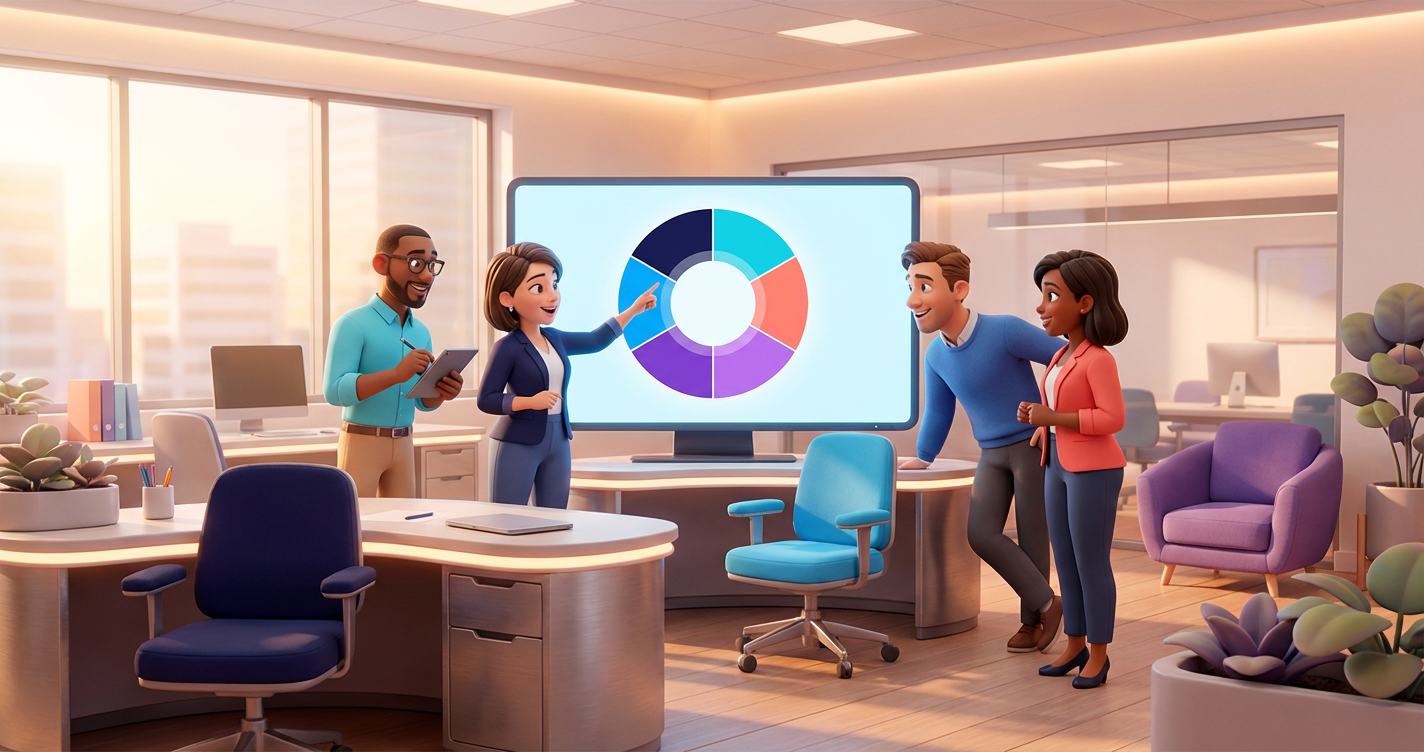
How to use DISC assessment in hiring the right way. Understand the four styles, where DISC helps, and how work personality predicts real role fit.
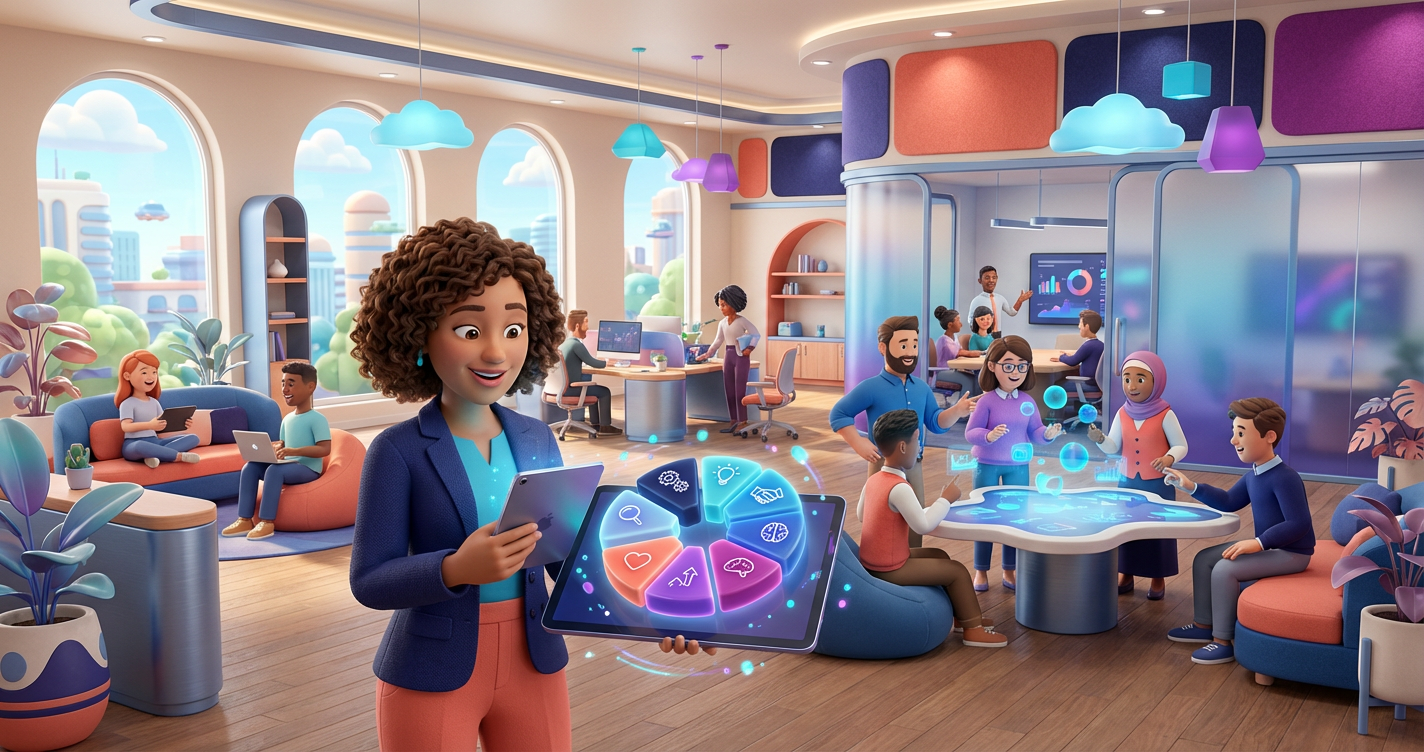
Resumes miss what drives success. See how work personality and culture fit data help you predict who will thrive before you make the offer.
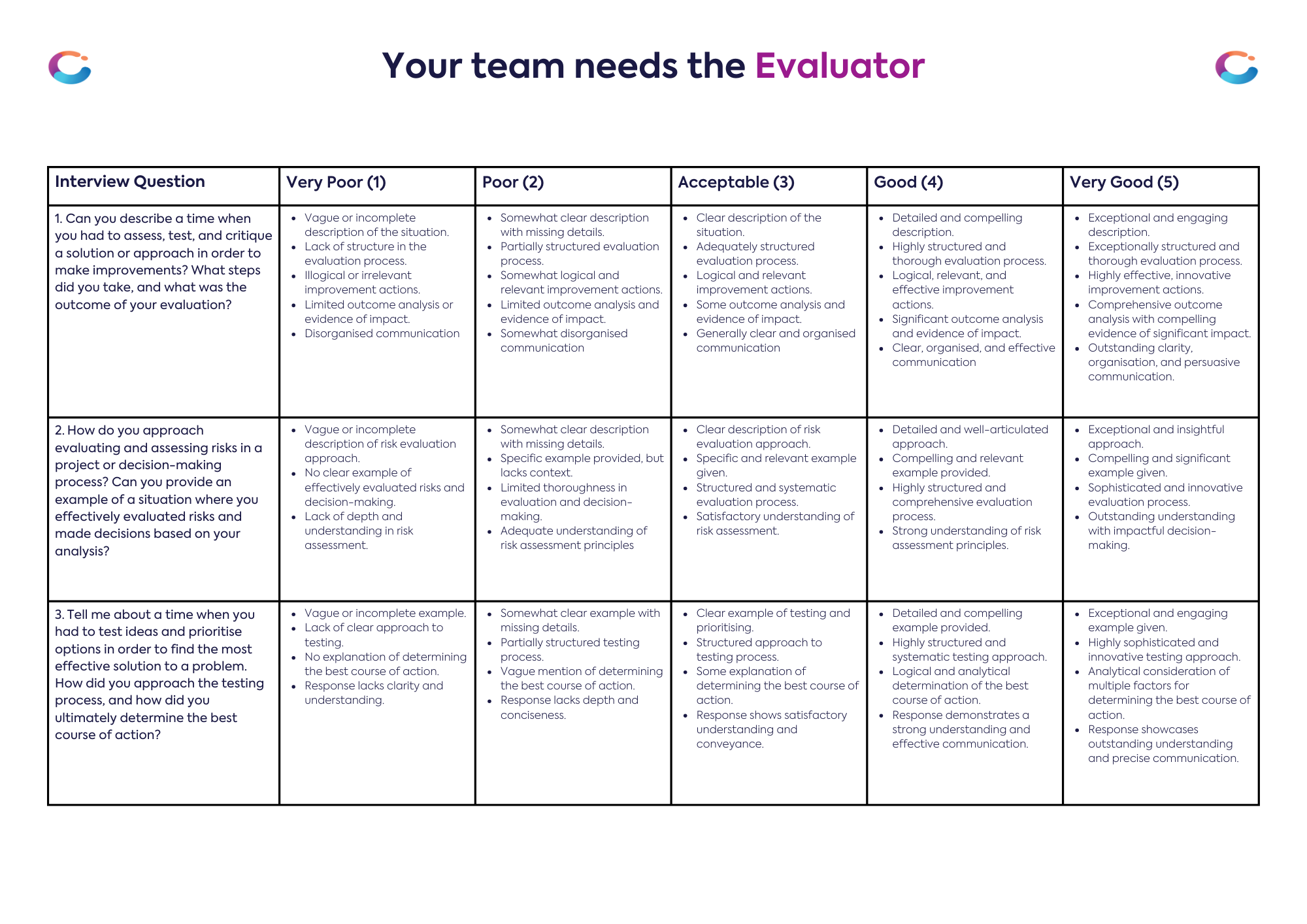
A scoring key rates every candidate against the same weighted criteria. How to build one with work personality insights, plus a free template.