

.webp)

 Compono


Best HR software that integrates with MYOB (2026 Guide)
 Compono
Looking for HR software that integrates with MYOB? Learn how to connect your payroll to modern HR platforms for better team management and data...
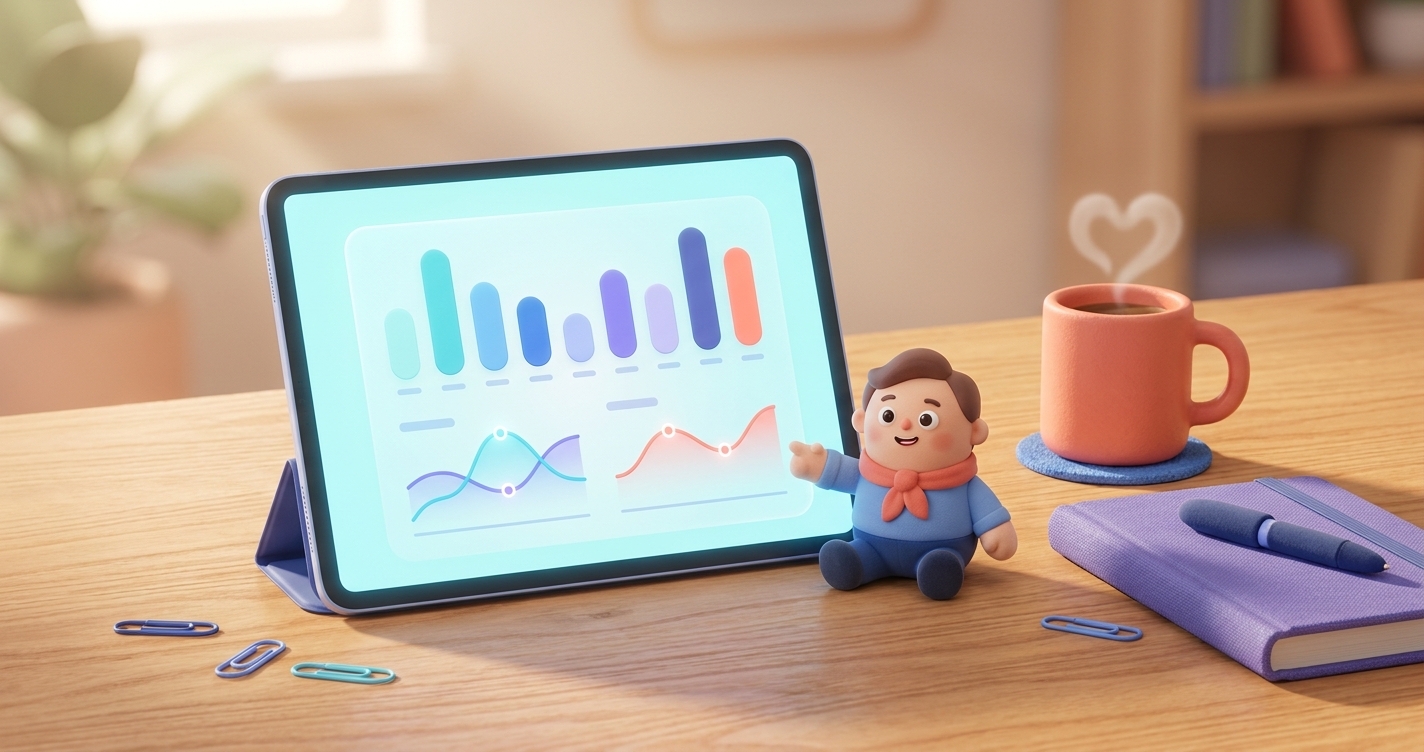
Implementing people analytics for mid-size companies without a data team requires choosing a platform that sits on top of your existing HR systems to automatically calculate and benchmark metrics.
You do not need a department of data scientists to understand your workforce. You just need the right tools and a focused set of metrics that actually influence business decisions.
Key takeaways
- Enterprise analytics tools require dedicated data teams, while mid-market platforms are built specifically for HR users.
- Tracking just three to five core metrics is enough to start making data-driven workforce decisions.
- The right system automatically pulls data from your existing HR tech stack to create board-ready reports.
- An effective analytics layer removes the need for manual spreadsheet calculations entirely.
Mid-sized companies eventually hit a breaking point where spreadsheets stop working. HR leaders know they need data to justify headcount, track turnover, and measure engagement. The barrier is usually the assumption that analytics requires a dedicated data science department to manage the inputs and interpret the outputs.
That assumption keeps growing businesses stuck in manual reporting cycles. When you strip away the enterprise jargon, workforce data is highly accessible for HR professionals who know what questions to ask.
At its core, people analytics is the process of collecting, analysing, and acting on employee data to improve business outcomes. It is about knowing why people leave, how long it takes to hire them, and what makes them stay.
For a company with 50,000 employees, this involves predictive modelling and complex algorithms. For a company with 500 employees, it means having accurate, real-time visibility into basic workforce movements. You are trying to spot trends before they become problems. If turnover spikes in a specific department, you need to see that data immediately, not at the end of the quarter when someone finally updates the master spreadsheet.
This is where a workforce intelligence platform becomes necessary. It translates raw data into clear visualisations that HR leaders can present to the executive team with confidence.
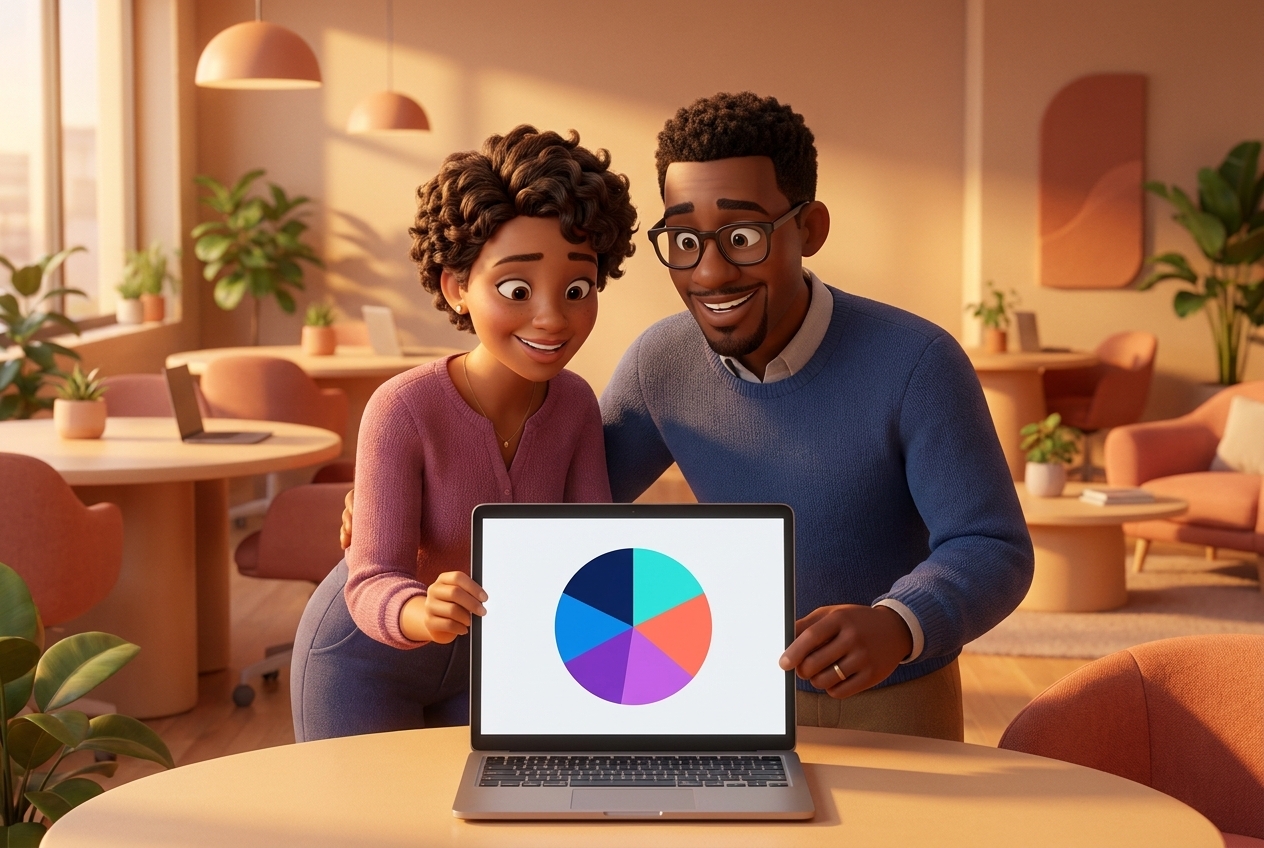
The HR technology market is heavily segmented, and buying the wrong type of software is a common mistake. Some vendors position their tools as HR-led and usable “without a data team,” while others still typically require one, which makes platform choice critical for mid-size companies.
Buying an enterprise tool for a 600-person company often results in an expensive dashboard that gathers dust. These systems assume you have data engineers to configure the pipelines and analysts to build the reports. When mid-sized HR teams buy them, they end up overwhelmed by features they never use.
Budget is another practical consideration. For companies with 500–2,000 employees, mid-market people analytics platforms are estimated at $6,000–$25,000 annually, with pricing typically scaling per employee per month. That investment only pays off if the HR team can actually operate the software independently.
The fastest way to fail with HR data is trying to measure everything at once. A practical starting point for small teams is to track just 3–5 metrics rather than trying to measure everything at once. You can always expand your reporting later once the foundation is solid.
Start with these core areas:
90-day turnover.
This metric tells you if your hiring and onboarding processes are working. If new hires are leaving within three months, you have a mismatch between the job description and the reality of the role, or your onboarding program is failing them.
Time to hire.
Tracking how long it takes to fill an open position helps you manage business expectations. If you know your average time to hire is 45 days, managers can plan their resourcing accordingly. Using a modern applicant tracking system like Compono Hire automates the collection of this data entirely.
Absenteeism rate. Unplanned absences are often the earliest indicator of burnout or toxic team culture. Tracking this allows you to intervene before a wave of resignations hits.
Most mid-sized companies already have the data they need. It is just trapped in different systems – payroll, performance management, and recruitment software. The goal is not to replace these systems, but to connect them.
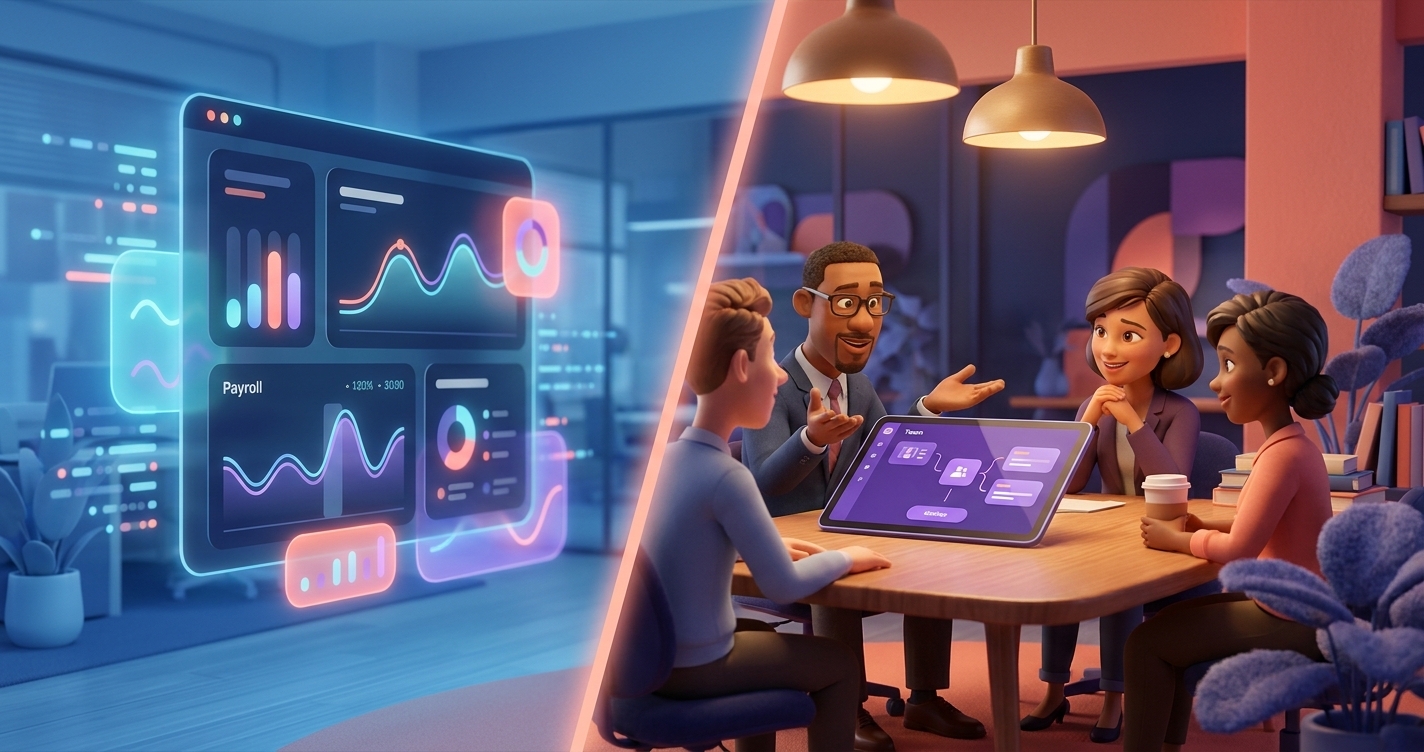
As industry experts note, “You need an analytics layer that sits on top of the systems you already have, pulls the data together, calculates the metrics for you, benchmarks them, and hands you something board-ready without a data team.”
This is the definition of a system of intelligence. It does the heavy lifting of data aggregation and calculation in the background. Your HR team simply logs in, reviews the trends, and decides what action to take based on the insights provided.
Key insights
- Do not buy enterprise analytics software if you do not have an enterprise data team to run it.
- Start by tracking 90-day turnover, time to hire, and absenteeism to prove the value of HR data to leadership.
- Use an analytics layer to aggregate data from your existing systems rather than trying to build reports manually.
Stop wrestling with manual spreadsheets and start making confident decisions with clear, actionable workforce data designed for HR teams.
Related reading
Yes, you can start in a spreadsheet by tracking basic fields like hire date, departure date, and departure type. However, spreadsheets become prone to errors and version-control issues as your headcount grows past 100 employees, making a dedicated platform more secure and efficient.
HR reporting tells you what happened, such as how many people resigned last month. People analytics tells you why it happened and what might happen next, helping you identify trends and take preventative action.
Implementation for mid-market platforms typically takes between two to six weeks, depending on how clean your existing data is and how many integrations are required with your current HR systems.
No. Modern mid-market platforms are designed specifically for HR professionals. They feature drag-and-drop interfaces and pre-built dashboards that automatically calculate standard metrics without requiring SQL or coding knowledge.
Focus on the financial impact of HR issues. Calculate the current cost of employee turnover or the revenue lost due to extended time-to-hire, and position the analytics platform as the tool needed to diagnose and fix those specific financial leaks.
Looking for HR software that integrates with MYOB? Learn how to connect your payroll to modern HR platforms for better team management and data...
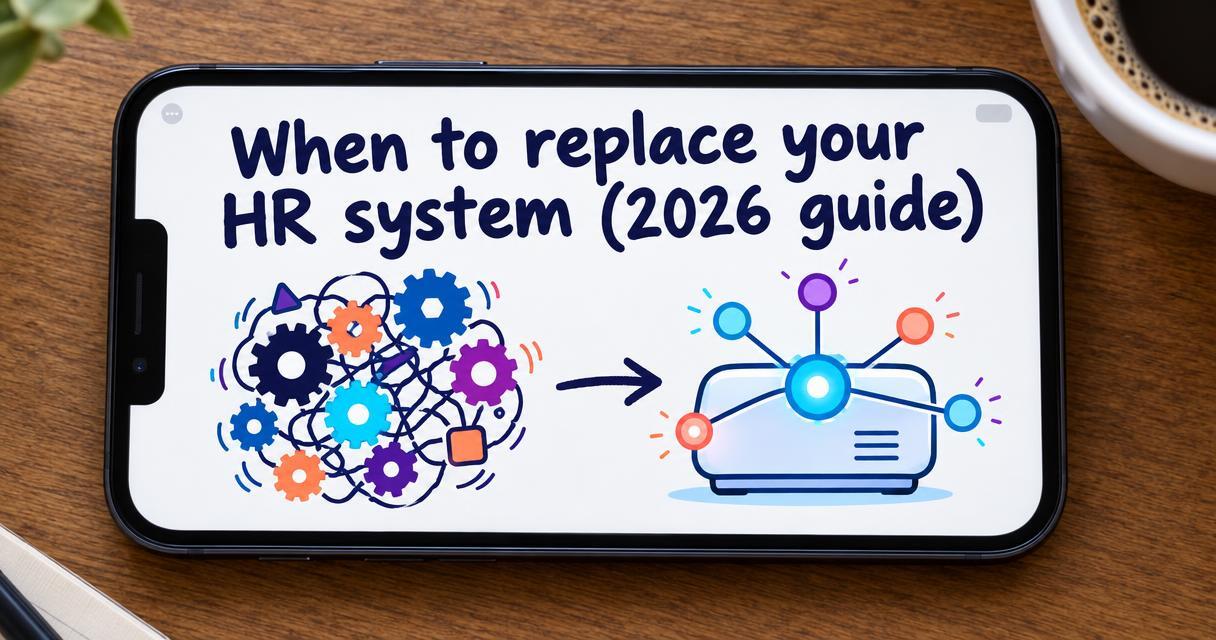
The clear signs that it is time to replace your HR system. Learn how company growth changes HR tech needs and how to choose the right platform in...

C-level means the chief executive roles: CEO, CFO, COO, CHRO and the rest. What each owns, how they differ from senior managers, and why HR should...
 Mathan Allington