

.webp)

 Mathan Allington


How to choose the best hospitality HR software in Australia
 Mathan Allington
How to choose hospitality HR software in Australia: mobile-first tools, culture-fit hiring, automated RSA tracking and engagement data that cuts...
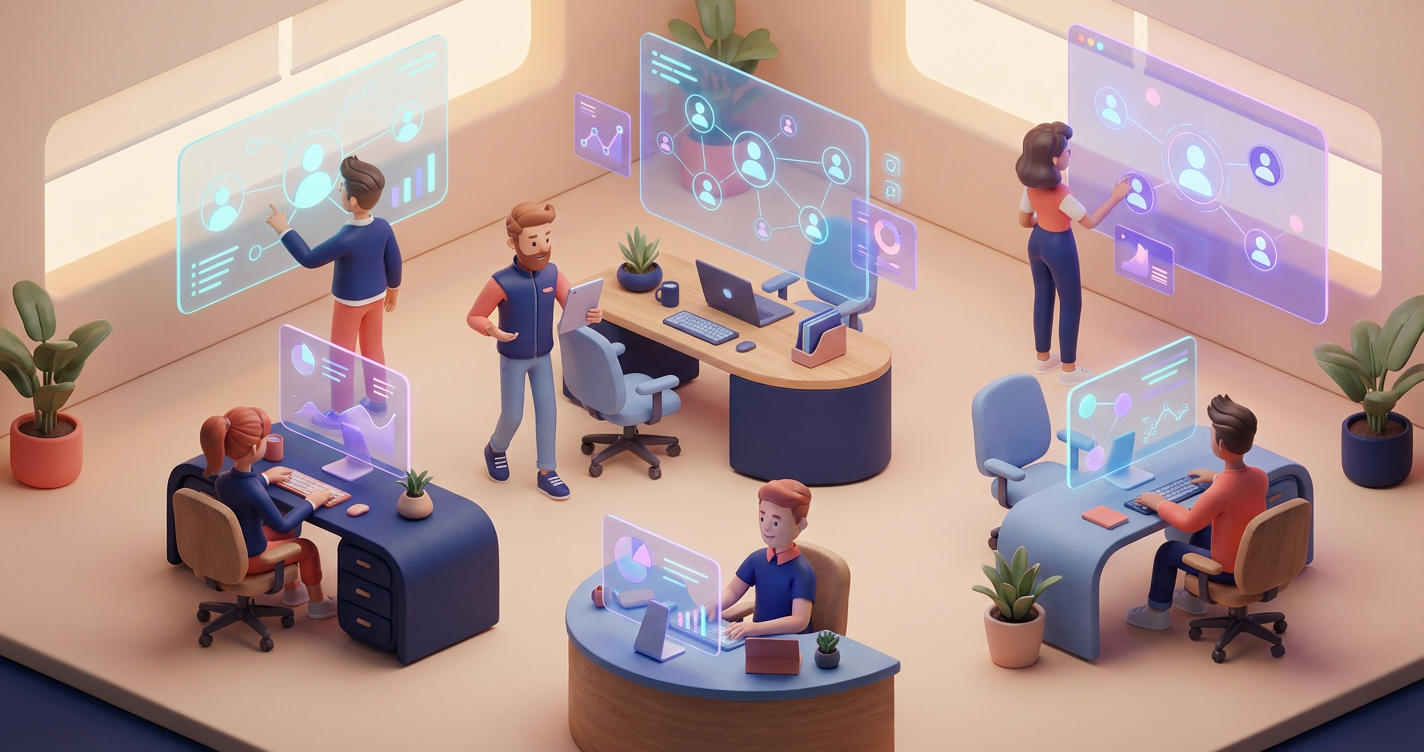
The defining HR tech trends of 2026 are workforce intelligence, predictive personality mapping in team design, multi-dimensional hiring that scores organisation fit alongside skills, and continuous engagement data replacing the annual survey. The common thread: HR technology is moving from automating admin to explaining and predicting how teams actually function.
Last reviewed July 2026.
For years, HR technology was about digitising paperwork, moving records from filing cabinets to spreadsheets to the cloud. That problem is largely solved. The frontier now is not storing employee data but understanding it: not just who is on your team, but how they work together and where the gaps in collective capability sit.
Many leadership teams have the right individual talents yet still struggle with execution, because the connective tissue of the team, the way different personalities interact, was never examined. Workforce intelligence platforms like Compono make those invisible patterns visible across the whole organisation, which is why this trend leads the list.
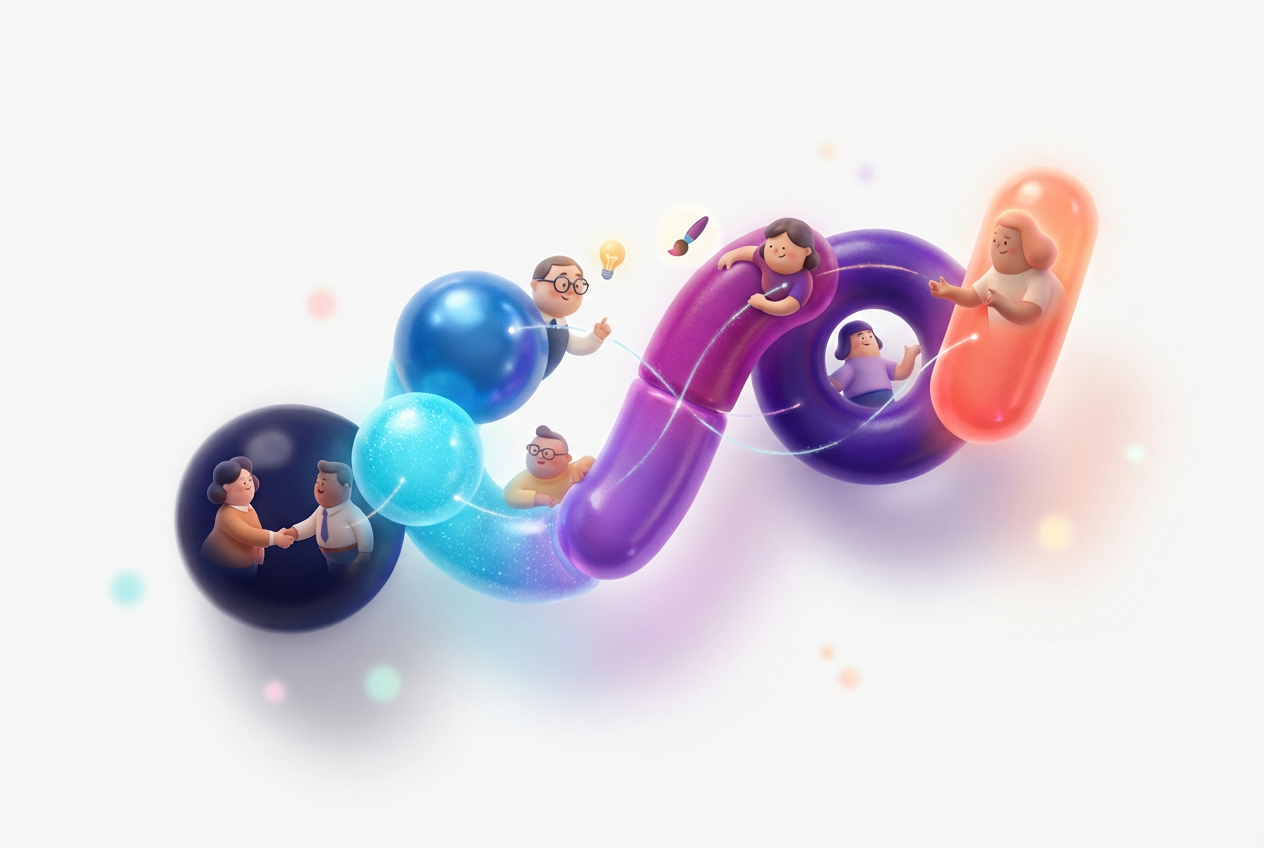
The era of generic personality tests with little practical value is ending. What replaces it is mapping specific traits, such as being an Evaluator or a Pioneer, to daily work activities.
Picture a team that generates brilliant ideas but constantly misses deadlines. The old diagnosis was a lack of discipline. Workforce intelligence often reveals something more precise: the team is heavy on Pioneers and missing a Coordinator to enforce structure. Managers can then hire specifically for the missing piece rather than adding another person with the same profile. Compono has spent over a decade researching how these dominant preferences dictate team success.
Recruitment has moved beyond the job-board transaction. The 2026 standard is organisation fit, a combined measure of culture, job and personality fit. Candidates want to know they will belong, and employers have learned that a highly skilled person who clashes with the team culture is a high-risk hire.
Modern hiring modules now score and rank candidates on these dimensions in real time. Compono Hire assesses skills and qualifications while simultaneously measuring likely fit with the existing team culture, which cuts manual screening and produces shortlists that are genuinely compatible with the organisation's long-term goals.
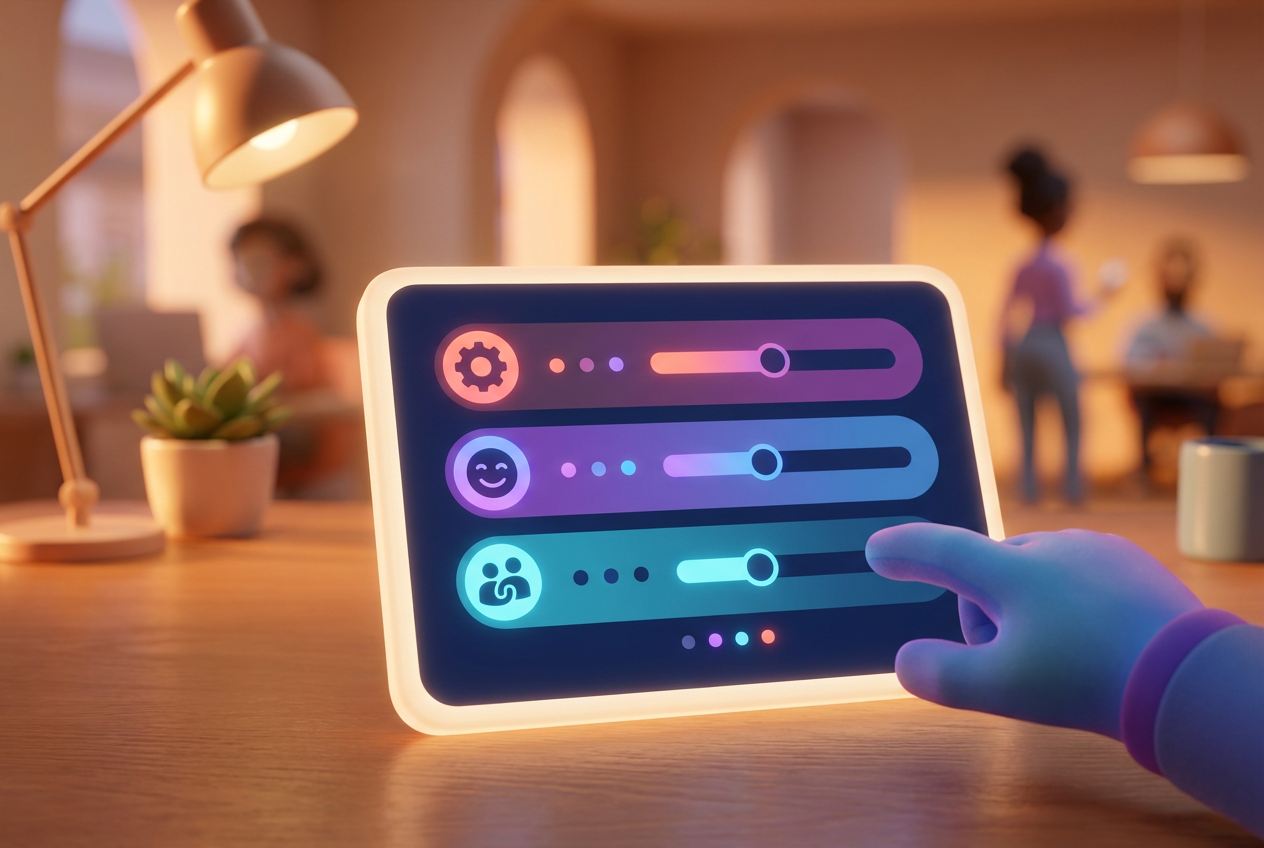
Engagement in 2026 is not the annual survey. It is a continuous, data-informed dialogue that tracks sentiment and performance drivers as they move. Done well, engagement work lifts retention and the bottom line. What has changed is the how.
Broad-brush initiatives are giving way to personalised engagement. If a group of employees are Helpers, the approach that motivates them looks very different from what works for results-driven Doers. That nuance separates high-performing cultures from the rest, and tools like Compono Engage give leaders the tailored insight to act on it.
AI in HR tech has matured past novelty. The credible applications in 2026 handle the heavy lifting of data analysis and candidate ranking with explainable logic, reducing the unconscious bias that creeps into manual screening. That frees HR leaders for the work machines cannot do: culture, empathy and strategic coaching. The test to apply to any AI feature is simple: can the vendor show you why it made a recommendation? If not, you cannot defend the decisions it produces.
See workforce intelligence working on your own team data: personality mapping, fit-scored hiring and continuous engagement in one platform.
Talk to usThe move toward workforce intelligence: using data to understand team dynamics, personality fit and predictive performance rather than just automating administration.
It looks beyond the CV to how a candidate will actually behave in your environment, and confirms they bring the natural work preferences your team currently lacks.
Yes. Deeper insight into what motivates different personality types lets leaders shape more personalised work environments, which directly lifts satisfaction and reduces turnover.
No. AI handles data analysis and candidate ranking, which frees HR leaders to focus on culture, empathy and strategic coaching, the parts of the job that need a human.
How to choose hospitality HR software in Australia: mobile-first tools, culture-fit hiring, automated RSA tracking and engagement data that cuts...
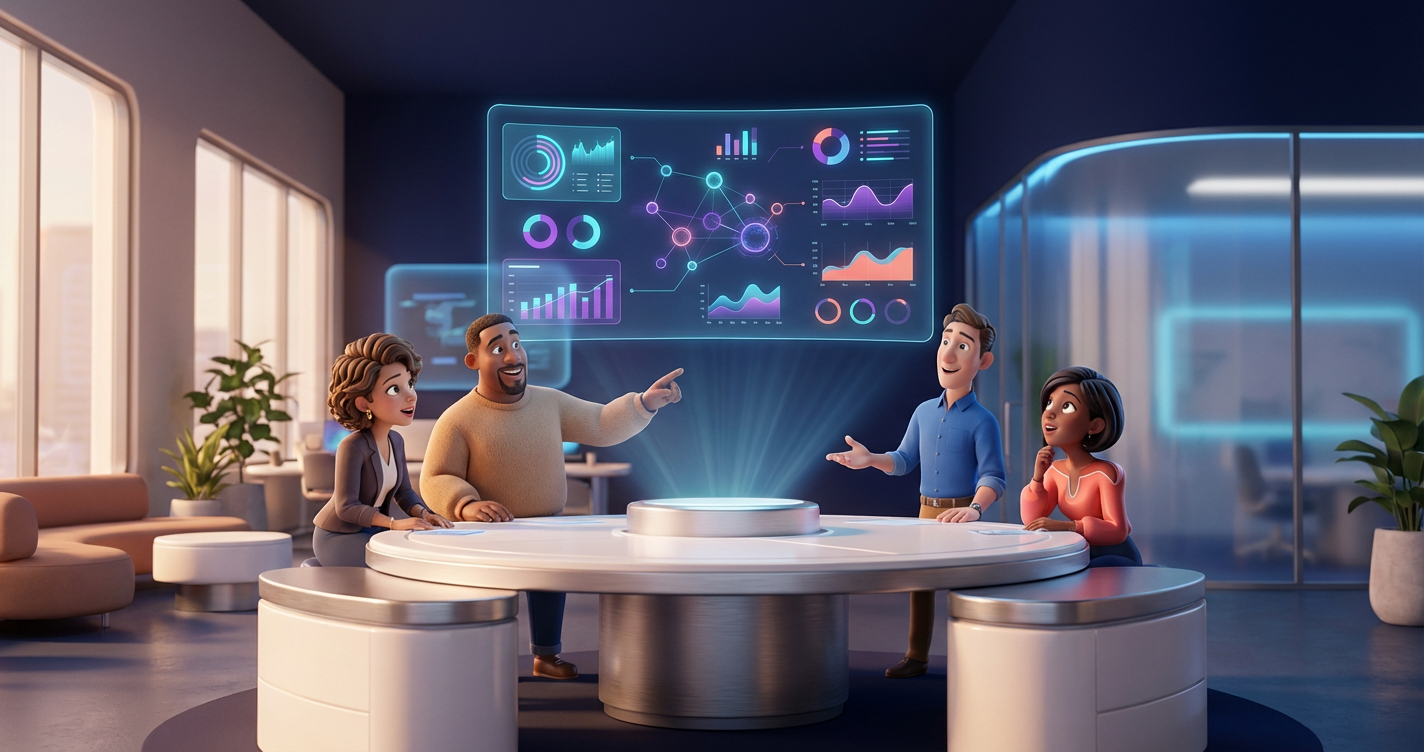
The future of HR technology is workforce intelligence: less admin automation, more insight into performance and cultural fit to build stronger teams.
What a fragmented HR stack costs in hours and missed insight, how to find the gaps between your systems, and what to join up first.
 Compono