

.webp)

 Compono


1 min read
What is behavioural hiring
 Compono
Behavioural hiring is a recruitment methodology that uses a candidate’s past actions and natural work preferences to predict their future job...

Reducing hiring bias starts with replacing subjective gut feelings with structured, data-driven assessment frameworks that evaluate candidates on objective merit and organisational fit.
By shifting the focus from polished resumes to measurable work personality traits and core competencies, you can build a more diverse team that performs better and stays longer. We know that every hiring manager wants the best person for the job, but our natural human shortcuts often get in the way of seeing who that person actually is.
Key takeaways
- Unconscious bias often leads to 'affinity hiring', where managers recruit people similar to themselves rather than the most capable candidates.
- Structured interviews and standardised scoring rubrics are essential to ensure every applicant is evaluated against the same objective criteria.
- Data-driven tools like work personality assessments help identify high-potential talent that might be overlooked by traditional resume screening.
- Focusing on organisational fit – including culture and values – reduces turnover and improves long-term team cohesion.
We all like to think we are objective judges of character, but the reality is that our brains are wired to make snap judgements. In the world of recruitment, this often manifests as affinity bias – the tendency to favour people who share our background, hobbies, or communication style. While it feels comfortable to hire someone you 'click' with over a coffee, this subjective approach often ignores the actual skills and behaviours required for the role.
When bias creeps into your recruitment process, it does more than just hurt your diversity metrics; it actively undermines your team's performance. You might end up with a 'monoculture' where everyone thinks the same way, leading to blind spots and a lack of innovation. To truly reduce hiring bias, we need to move away from the 'cultural fit' excuse – which is often just a mask for 'people like us' – and move toward objective measures of how a person will actually contribute to the team.
At Compono, we have spent over a decade researching how to match the right people with the right roles. We have found that when businesses rely on objective data rather than intuition, they see a significant improvement in both the quality of hire and employee retention. It is about creating a level playing field where the best talent can shine, regardless of their name, gender, or where they went to university.
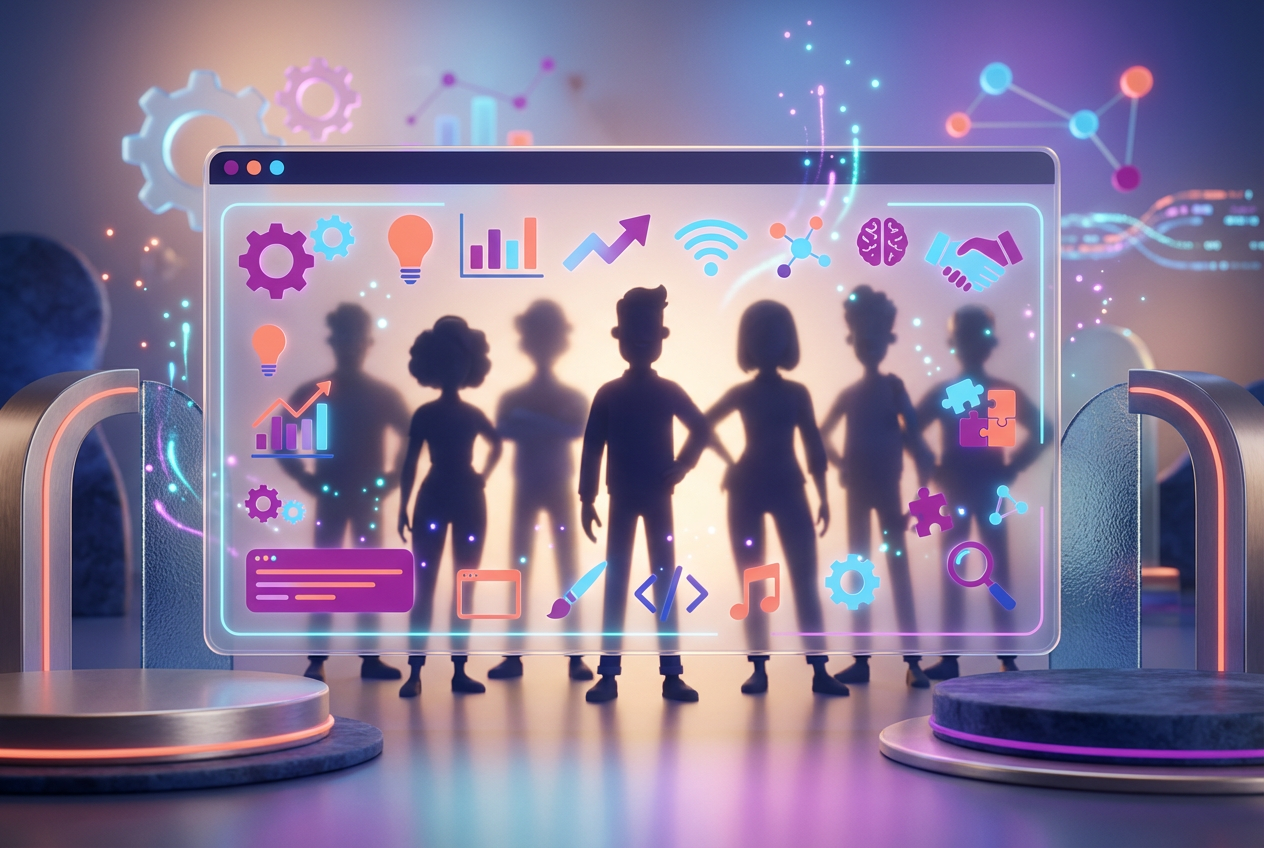
The first step to reduce hiring bias is to look at your initial screening phase. Resumes are notoriously unreliable indicators of future performance because they are often reflections of privilege and polished writing rather than raw capability. If you are only looking for candidates from specific 'top-tier' universities or well-known companies, you are likely filtering out exceptional talent from diverse backgrounds.
One effective strategy is to implement 'blind' screening, where identifying information such as names, ages, and addresses are removed from applications. This forces the hiring team to focus purely on the candidate's experience and answers to key selection criteria. However, even blind screening has its limits if the criteria themselves are vague or biased toward a specific type of career path.
A more robust approach involves using pre-employment assessments that measure cognitive ability and work personality. By using Compono Hire, you can assess candidates across three critical dimensions: Organisation Fit, Skills, and Qualifications. This ensures that the people moving to the interview stage have already been vetted against objective benchmarks that matter for the role, effectively removing the 'gut feel' from the very start of the journey.
Understanding a candidate's natural work preferences is a powerful way to reduce hiring bias. Often, we assume that a 'good' candidate must be an extroverted 'people person', but many roles actually require the meticulous nature of The Auditor or the steady reliability of The Doer. If your hiring managers are biased toward certain personality types, they might overlook the exact person the team needs to succeed.
By mapping out the existing gaps in your team, you can identify which work personality would be most beneficial. For instance, if your team is full of visionary Pioneers but struggles with execution, you should specifically look for a Coordinator. This data-driven approach shifts the conversation from "I liked their energy" to "This person has the organisational traits we are currently missing."
This level of insight is part of what we call workforce intelligence. When you understand the natural inclinations of your people, you can manage them more effectively and build teams that are balanced and resilient. Reducing bias isn't just about being fair – it is about being smart with your human capital. You can learn more about how these models work in our guide to The Compono Culture, Engagement & Performance Model.
The interview is usually where bias is most rampant. Unstructured interviews – where the manager just 'has a chat' – are statistically one of the worst predictors of job performance. In these scenarios, confirmation bias takes over; the interviewer decides within the first few minutes if they like the person and spends the rest of the time looking for evidence to support that initial feeling.
To reduce hiring bias during the interview stage, you must use a structured format. This means asking every candidate the same set of questions in the same order and scoring their responses against a pre-defined rubric. It feels more formal, but it is the only way to ensure you are comparing apples with apples. It also makes it much harder for a charismatic but less-qualified candidate to charm their way into a role they aren't suited for.
We also recommend using a diverse interview panel. When three different people from different parts of the business evaluate a candidate, their individual biases tend to cancel each other out. After the interview, the panel should discuss their scores based on the evidence provided, rather than just sharing a general 'vibe'. This collaborative, evidence-based approach is a hallmark of a mature and inclusive hiring culture.
Technology can be a double-edged sword. If an AI is trained on biased historical data, it will simply automate that bias. However, when built on scientific principles, technology becomes a powerful ally in the quest to reduce hiring bias. By centralising your recruitment data, you can track where diverse candidates are dropping out of your funnel and take corrective action.
At Compono, we believe in using technology to augment human decision-making, not replace it. Our platform provides the data and insights leaders need to make better choices about their people. Whether you are using Compono Engage to understand your current team culture or using our hiring tools to find new talent, the goal is always the same: to provide a clear, unbiased view of potential.
Reducing bias is an ongoing process of education and refinement. It requires a willingness to look at your own processes and admit where they might be failing. But the rewards – a more engaged, diverse, and high-performing workforce – are well worth the effort. By moving toward a more scientific way of hiring, you aren't just checking a box for diversity; you are building a stronger foundation for your entire organisation.
Key insights
- Bias is a natural human trait that must be managed through structured processes rather than ignored.
- Data-driven assessments provide a more accurate prediction of job performance than resumes alone.
- Structured interviews with standardised scoring significantly reduce the impact of personal prejudice.
- Building a balanced team requires identifying specific work personality gaps rather than just hiring for 'culture fit'.
Affinity bias is incredibly common. It occurs when a hiring manager favours a candidate because they share similar traits, such as going to the same school or having similar hobbies, rather than focusing on the candidate's actual ability to do the job.
Structured interviews require you to ask every candidate the same questions and score them against a set rubric. This prevents the interviewer from going 'off-script' and letting personal feelings or irrelevant small talk influence the final decision.
Technology can significantly reduce bias by providing objective data points, such as work personality results and skill scores. While it cannot remove human bias entirely, it gives hiring managers a factual basis for their decisions, making it harder for subjective 'gut feelings' to take over.
Blind screening involves removing identifying information like names, gender, and graduation years from a resume. This helps the reviewer focus purely on the candidate's skills and experience, reducing the risk of unconscious bias based on protected characteristics.
'Culture fit' is often used as a vague term that allows managers to hire people they personally like. To reduce bias, it is better to look for 'culture add' or 'organisation fit', which focuses on shared values and the specific traits a person brings to complement the existing team.

1 min read
Behavioural hiring is a recruitment methodology that uses a candidate’s past actions and natural work preferences to predict their future job...

1 min read
Behavioural hiring is a recruitment methodology based on the principle that past behaviour is the most reliable predictor of future performance.

1 min read
Yes, an ATS can actually improve hiring outcomes, but only if it does more than just store resumes.