

.png?width=383&height=200&name=team%20(1).png)
 Compono


1 min read
How hiring managers use work personality tests to build teams
 Compono
Hiring managers use work personality tests to identify the natural work preferences of candidates, ensuring they have the right mix of motivations...
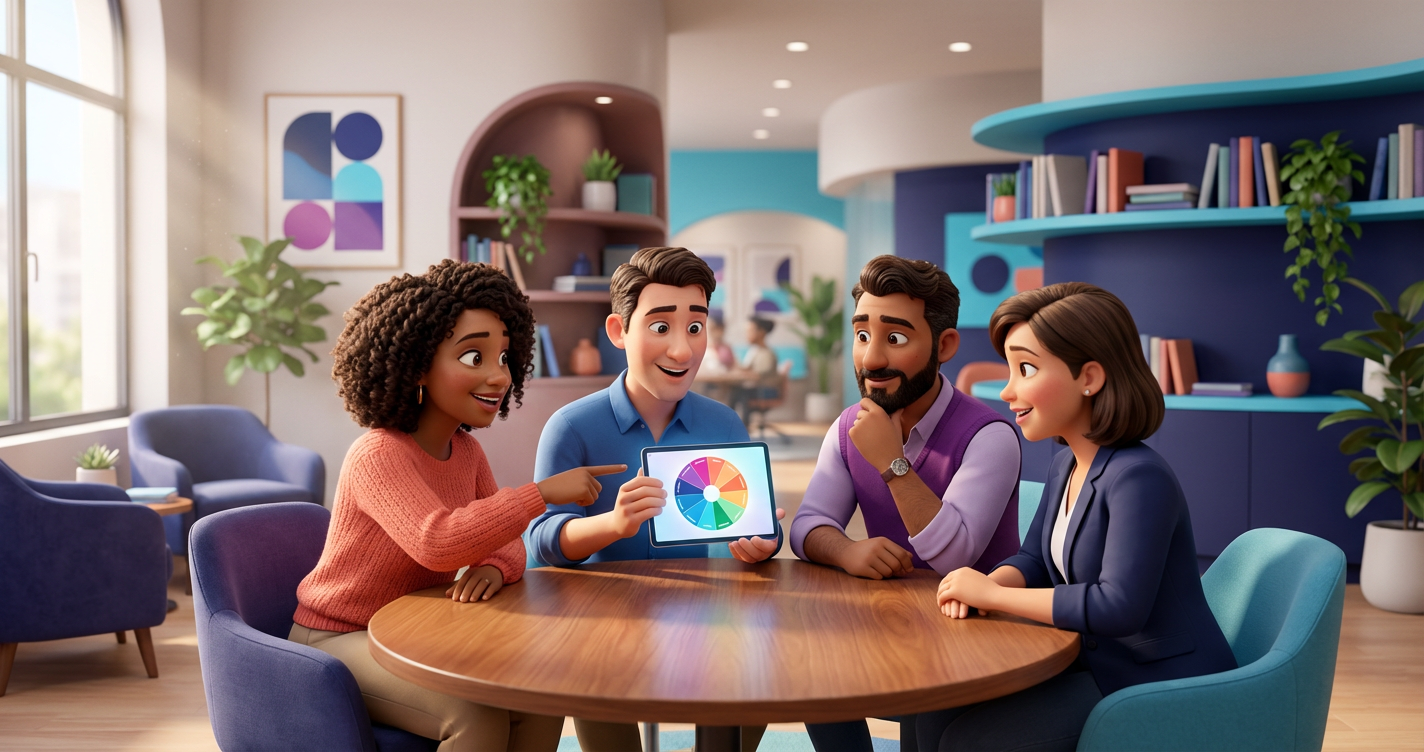
A team fit assessment is a method of evaluating how well a candidate aligns with your existing team’s culture, work styles, and collective goals to ensure long-term performance and retention.
By looking beyond the technical checklist on a CV, you can identify individuals who will not only do the job but also enhance the group dynamic. In today’s workplace, we know that a single ‘brilliant jerk’ or a misaligned hire can disrupt productivity, making it essential to understand the human element of every new addition to your workforce.
Key takeaways
- Team fit assessment evaluates alignment across culture, job requirements, and personality to predict long-term success.
- Hiring for fit reduces turnover by ensuring new starters thrive in your specific social and operational environment.
- A balanced team requires a mix of work personality types, such as Pioneers and Auditors, to remain both innovative and stable.
- Effective assessments use objective data rather than ‘gut feel’ to avoid unconscious bias in the recruitment process.
We have all been there. You find a candidate with an impeccable background, glowing references, and every technical certification under the sun. On paper, they are the answer to your prayers. Six months later, however, the team is fractured, communication has broken down, and that star hire is looking for the exit. The problem usually isn’t a lack of skill – it’s a lack of fit.
When we ignore the social and psychological fabric of our teams during recruitment, we leave success to chance. A team fit assessment helps us move away from guesswork by providing a structured way to measure how a person’s natural behaviour and values interact with the rest of the group. Without this insight, you risk hiring talented individuals who simply cannot find their rhythm within your established culture.
The financial impact of a poor fit is substantial. Beyond the immediate recruitment costs, you have to consider the lost productivity and the emotional toll on the remaining staff. High-performing teams rely on trust and a shared understanding of how work gets done. When a new member doesn’t share those fundamental work preferences, the resulting friction can slow down even the most efficient projects.

For a long time, ‘culture fit’ was a vague term used to describe whether a manager would like to grab a coffee with a candidate. This subjective approach is dangerous because it often leads to ‘mirror hiring’ – where we simply hire people who are just like us. True team fit is about finding the missing pieces of the puzzle, not just more of the same. Using a data-driven team fit assessment allows us to be more objective and inclusive.
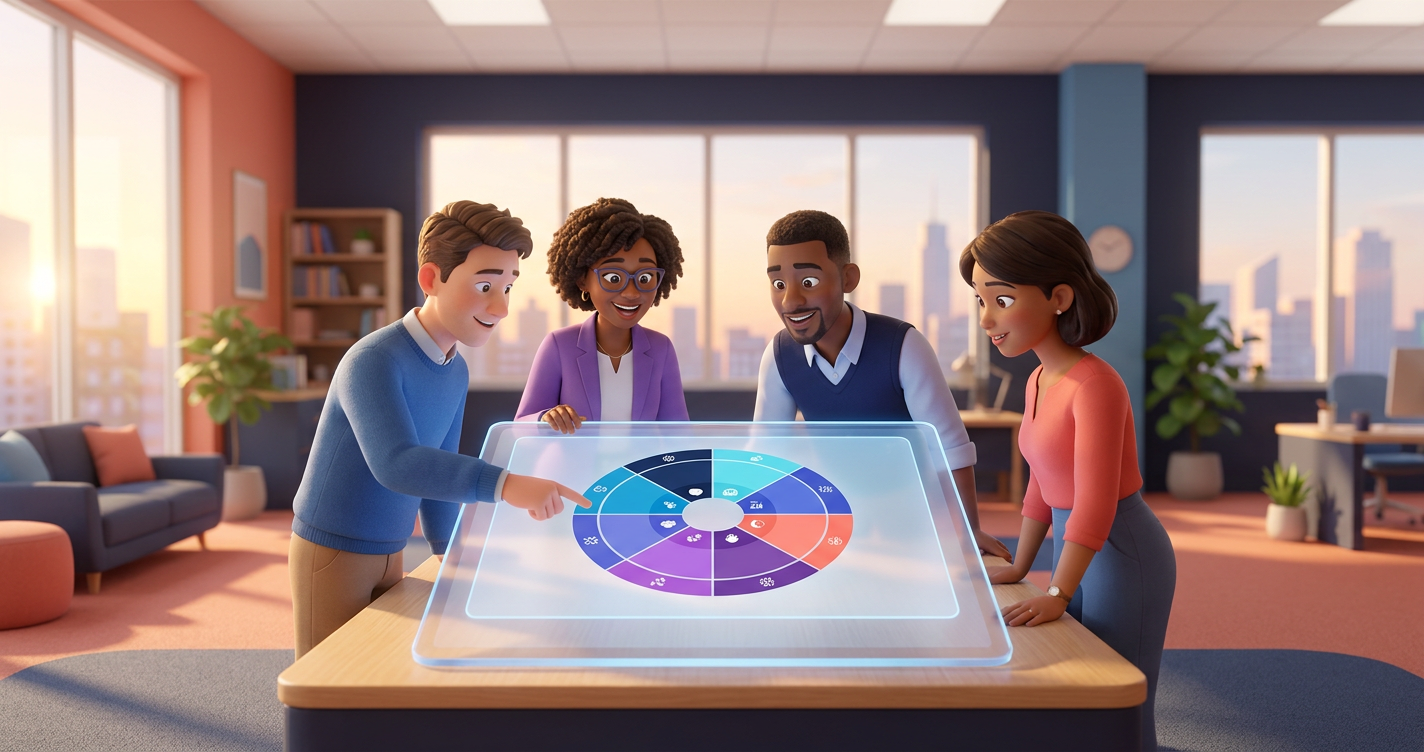
At Compono, we believe that understanding the nuances of how people work is the bedrock of a healthy organisation. By assessing candidates across three distinct dimensions – Organisation Fit, Job Fit, and Personality Fit – you get a 360-degree view of how they will actually perform in the role. This structured approach helps remove the unconscious bias that often creeps into traditional interviews, ensuring you hire for genuine alignment rather than just a good vibe.
When you use tools like Compono Hire to assess candidates, you can see exactly how their natural tendencies match your team’s needs. For example, if your team is currently full of people who love big-picture strategy but struggle with the finer points, you might specifically look for someone with a natural preference for detail-oriented work. This turns hiring into a strategic exercise in team design.
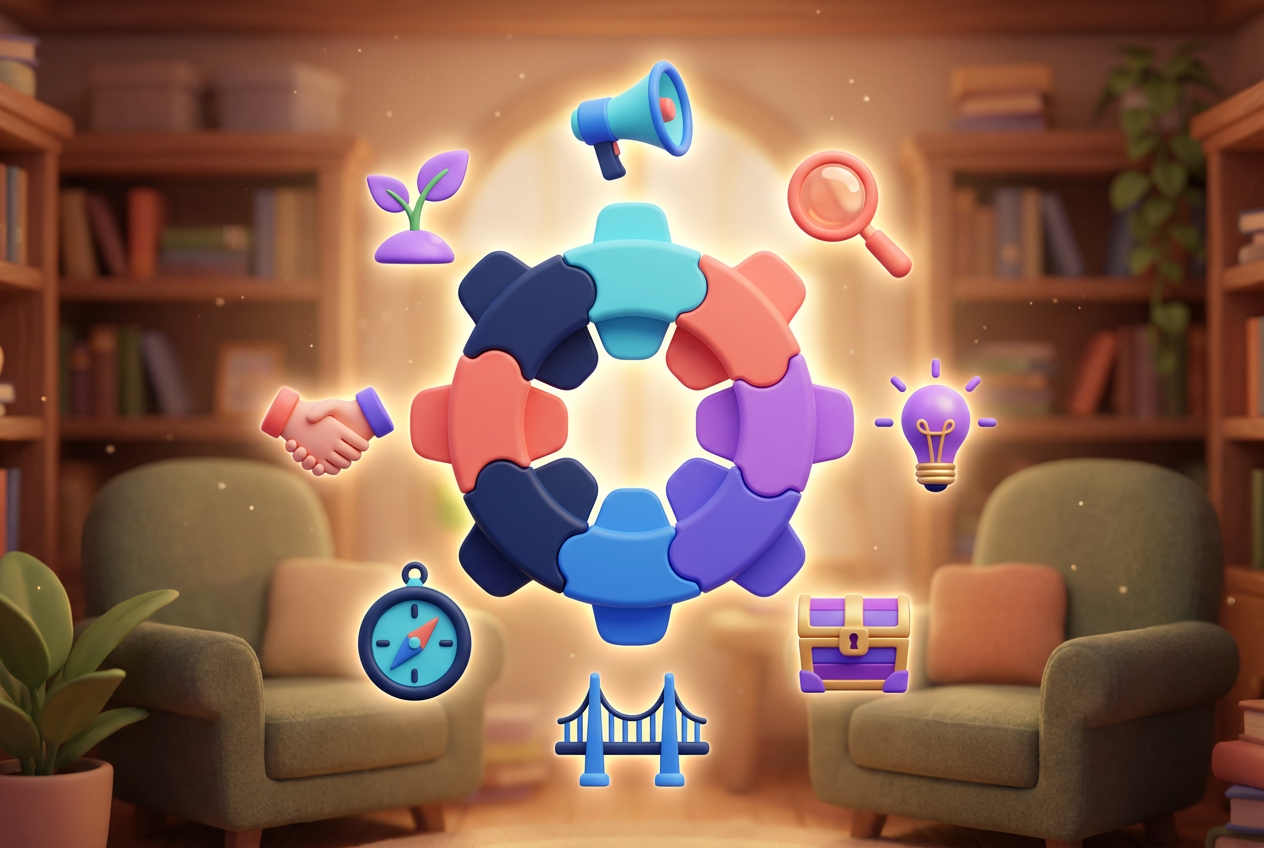
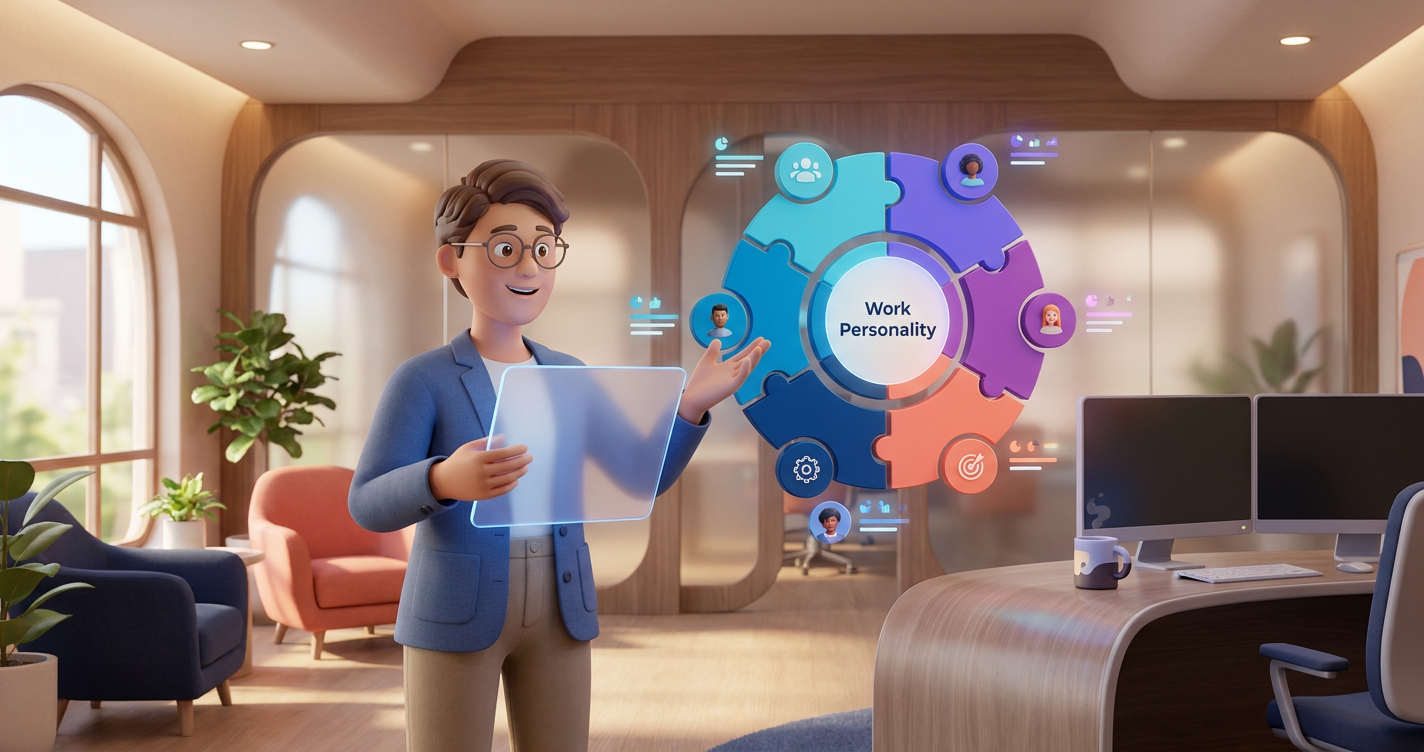
Every person has a dominant preference for how they approach their day-to-day tasks. We call this their work personality. Some people are naturally inclined to lead and inspire, while others find their flow in meticulous analysis or practical execution. A successful team fit assessment identifies these preferences so you can build a balanced group that covers all the bases.
Consider a team that is launching a new product. You need a Pioneer to dream up innovative solutions and a Campaigner to sell the vision to stakeholders. However, without a Coordinator to manage the project timelines or an Auditor to check the fine print, the project might never get off the ground. Fit isn't about everyone being the same; it's about the right combination of different strengths.
By understanding these archetypes, you can predict potential areas of conflict before they happen. For instance, an Evaluator who focuses on logic and efficiency might clash with a Helper who prioritises team harmony. A proactive team fit assessment gives leaders the language to navigate these differences, turning potential friction into a productive exchange of ideas.
Starting with fit assessments doesn’t mean you have to overhaul your entire recruitment strategy. It’s about adding layers of insight at the right stages. The first step is to define what ‘good fit’ actually looks like for your specific team. This involves looking at your current high performers and identifying the common behaviours and values that make them successful in your environment.
Once you have a benchmark, you can introduce a personality and values assessment early in the funnel. This helps you shortlist candidates who are most likely to thrive, saving your hiring managers time. In the interview stage, you can then use targeted questions to explore how the candidate has handled specific situations in the past that relate to your team’s core values. This combination of psychometric data and behavioural interviewing is incredibly powerful for predicting long-term success.
Many organisations find that leveraging a Workforce Intelligence Platform simplifies this process by automating the scoring and ranking of candidates based on fit. This allows you to focus your energy on the human side of the interview, knowing that the data has already confirmed the candidate’s foundational alignment with your team.
The ultimate goal of any team fit assessment is to build a place where people actually want to stay. When people feel that their natural work style is valued and that they are in sync with their colleagues, they are significantly more engaged. Engagement is the primary driver of retention – and in a competitive talent market, keeping your best people is just as important as finding new ones.
We have seen that teams with high levels of alignment are more resilient in the face of change. They communicate more effectively, resolve conflicts faster, and share a common sense of purpose. This cultural ‘glue’ is what helps a business scale without losing its soul. By prioritising fit from day one, you are investing in the long-term health of your company culture.
If you are looking to deepen your understanding of how your current team works together, exploring Compono Engage can provide the insights needed to maintain that fit long after the initial hire. It helps you keep a pulse on team sentiment and ensure that the alignment you worked so hard to find during the recruitment process continues to grow as the team evolves.
Key insights
- The most successful hires are those whose work personality complements the existing team’s strengths and fills its gaps.
- Subjective ‘culture fit’ often leads to bias, whereas data-driven team fit assessments promote diversity and objective decision-making.
- Retention is directly linked to how well a person’s values and work preferences align with their daily environment.
- A balanced team needs a variety of types – from Doers to Advisors – to handle both routine tasks and complex strategic challenges.
Culture fit usually refers to alignment with the broad values of the entire organisation, whereas team fit focuses on the specific social dynamics, work styles, and complementary skills required within a smaller, functional group.
Actually, a data-driven team fit assessment can increase diversity. By moving away from ‘gut feel’ and looking for complementary work personalities – like adding an Auditor to a team of Pioneers – you ensure a more balanced and cognitively diverse workforce.
Modern assessments are designed to be quick and engaging. Most candidates can complete a work personality assessment in just a few minutes, providing immediate insights for the hiring team without adding significant friction to the application process.
Yes, and it is arguably more important for remote teams. Because remote workers have fewer incidental social interactions, ensuring their natural communication and work styles align with the team’s digital workflow is crucial for preventing isolation and burnout.
It depends on the role and the team’s current maturity. While skills can be taught, fundamental work preferences and values are much harder to change. In most cases, a candidate with high skill but poor fit will eventually become a source of friction or leave the organisation.
1 min read
Hiring managers use work personality tests to identify the natural work preferences of candidates, ensuring they have the right mix of motivations...
1 min read
Predictive hiring matters because it allows you to use data and behavioural science to accurately forecast how a candidate will perform and fit...
1 min read
Psychometric hiring is a scientific approach to recruitment that uses standardised assessments to measure a candidate's cognitive abilities,...