

.webp)

 Compono


How does culture fit hiring work in retail
 Compono
How culture fit hiring works in retail, why it cuts turnover, and how to assess values and work personality without slowing hiring down.

A faster hiring process is achieved by identifying bottlenecks in your screening stages, automating repetitive administrative tasks, and using data-driven assessments to rank candidates instantly.
Moving quickly in today's talent market is no longer just a competitive advantage – it is a necessity for securing high-calibre individuals who are often off the market within days of starting their search. We have seen that the most successful teams do not just work harder; they use smarter systems to ensure speed and quality go hand in hand.
Key takeaways
- Speed in recruitment reduces the risk of losing top-tier candidates to competitors who move more decisively.
- Automated screening and objective work personality assessments remove the manual heavy lifting from the initial shortlisting phase.
- A structured interview process with clear evaluation criteria prevents the indecision that often causes hiring delays.
- Building a proactive talent pool ensures you are not starting from zero every time a new vacancy opens.
We have all been there – you find the perfect candidate, but by the time the second round of interviews is scheduled, they have already accepted another offer. It is a frustrating experience for HR leaders and hiring managers alike. When your hiring process drags on, you are not just losing time; you are potentially losing the very people who could transform your organisation. In a modern workplace, candidates expect a seamless and responsive experience that mirrors the digital world they live in.
The problem often stems from a lack of clarity or over-complicated approval layers. Many teams suffer from 'consensus fatigue', where too many stakeholders need to weigh in before a simple decision is made. This creates a lag that top talent simply won't wait for. Beyond losing candidates, a slow process increases the workload on your existing team, leading to burnout and decreased productivity as roles remain vacant for months on end.
To fix this, we need to shift from a reactive mindset to a proactive one. This involves looking at the entire journey – from the moment a job is posted to the final offer letter – and identifying where the 'dead time' lives. Often, the biggest delays happen right at the start, during the initial resume sift and the scheduling of first-round chats. By refining these early touchpoints, you set a pace that carries through the entire cycle.

One of the most effective ways to create a faster hiring process is to move away from manual resume screening. Traditional CVs are often poor predictors of actual job performance and take hours of manual labour to review. Instead, top-performing teams are turning to objective data to understand a candidate's fit before they even pick up the phone. This allows you to focus your energy on the people most likely to succeed in your specific culture.
By implementing tools that evaluate Organisation Fit – looking at job fit, culture fit, and personality fit – you can automatically rank your applicant pool. This is where Compono Hire becomes a game-changer for busy recruiters. Rather than reading through hundreds of applications, you receive a ranked list based on how well each person matches the requirements of the role and the DNA of your team. It turns a week-long task into a few minutes of review.
This objective approach also reduces the unconscious bias that often creeps into manual screening. When you rely on data rather than a 'gut feeling' about a resume, you make faster, fairer decisions. You can move the best candidates to the interview stage with confidence, knowing they have already been vetted against the core traits your team needs to thrive.
Interviews are often the biggest bottleneck in any recruitment journey. Coordinating schedules between multiple managers and candidates can take days, if not weeks. To speed this up, we recommend a 'sprint' approach to interviewing. Instead of spreading interviews over a fortnight, block out specific days where the entire hiring panel is available. This creates momentum and allows for immediate debriefing while the conversation is still fresh in everyone's mind.
Having a structured interview guide is also essential. When every interviewer asks the same core questions and uses a consistent scoring rubric, the final decision becomes much easier. You are no longer comparing apples with oranges; you are looking at clear data points. This clarity prevents the endless 'circling back' that happens when stakeholders are unsure about a candidate's specific skills or cultural alignment.
If you find that your team struggles to articulate why a candidate feels like a 'good fit', it might be time to look deeper into their work personality. Understanding whether a candidate is The Doer who will drive execution or The Pioneer who will bring fresh innovation helps you make a strategic choice quickly. At Compono, we provide these insights directly within the platform, so your hiring managers have a clear language to discuss candidate suitability.
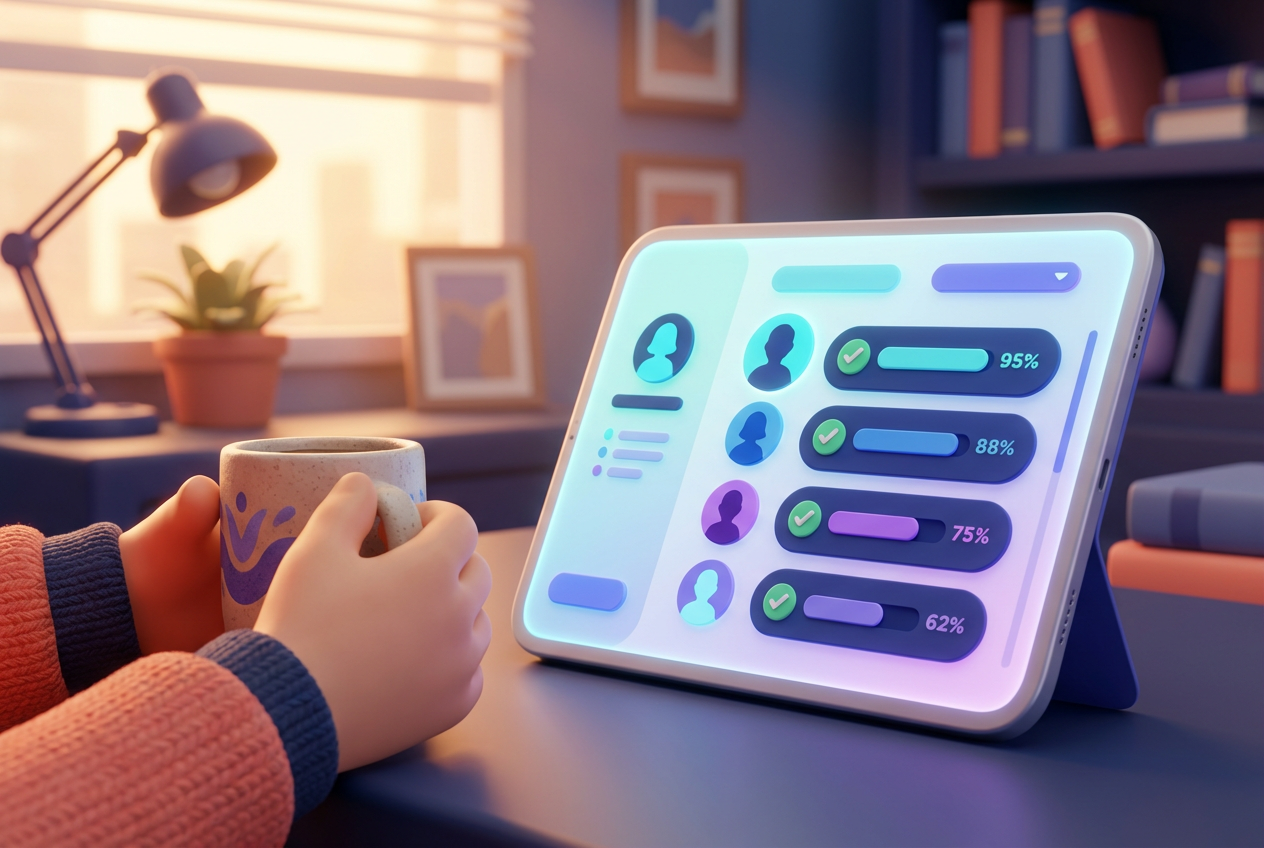
The fastest hiring process is the one where you already have the candidate ready to go. Building a talent pool is about maintaining relationships with high-quality individuals even when you don't have an immediate opening. This is particularly useful for high-turnover roles or specialised positions that are traditionally hard to fill. When a vacancy does arise, you can search your existing database first, potentially bypassing the advertising and initial screening stages entirely.
Maintaining an engaged talent pool requires regular, meaningful touchpoints. It is not just about keeping a list of names; it is about fostering a community of people who are interested in your brand. Sharing company updates, industry insights, or invitations to webinars keeps your organisation top-of-mind. When you are ready to hire, these candidates are already 'warm' and familiar with your culture, which significantly reduces the time spent on employer branding during the interview process.
Effective talent pooling also involves categorising candidates by their strengths and work preferences. If you know you have a group of Coordinators who are ready for project management roles, you can reach out to them the moment a need is identified. This proactive strategy ensures that your recruitment engine is always running, even when you aren't actively 'hiring'.
Key insights
- Minimising manual resume screening through automated ranking significantly reduces time-to-hire.
- A faster hiring process relies on structured interview frameworks that allow for quick, objective decision-making.
- Using work personality data helps hiring managers identify the right fit without lengthy, subjective debates.
- Proactive talent pooling turns recruitment from a reactive scramble into a strategic, ongoing process.
Moving faster in recruitment doesn't mean cutting corners; it means removing the friction that slows your team down. By combining intelligent technology with a structured human approach, you can secure the best talent before your competitors even finish their first round of screening.
Explore how our Workforce Intelligence Platform can help you hire, engage, and develop your people more effectively.
Talk to an expert: Book in a 15-minute chat to get a walkthrough of how Compono can accelerate your hiring.
The secret is using objective assessments early in the process. By ranking candidates based on their work personality and job fit, you ensure that the people you spend time interviewing are already high-quality matches for the role.
Most delays occur during the 'between' stages – waiting for feedback from hiring managers, trying to find interview times, or manual resume screening. Automating the initial sift and blocking out interview times in advance can solve most of these issues.
While talent pools are most effective for roles you hire for frequently, they are valuable for any position. Having a list of 'silver medallist' candidates from previous rounds can save you weeks of work when a similar role opens up.
For most mid-market roles, two to three stages are sufficient. Any more than that and you risk candidate drop-off. If you need more input, try to involve multiple stakeholders in a single panel interview rather than adding extra rounds.
Actually, it’s the opposite. When you automate the administrative tasks, you have more time to focus on the human side of recruitment. Faster response times and clearer communication – enabled by technology – actually improve the candidate's perception of your brand.

How culture fit hiring works in retail, why it cuts turnover, and how to assess values and work personality without slowing hiring down.

Reduce bias in hiring assessments with role-first criteria, structured interviews and standardised scoring. Build a fairer, more defensible hiring...

How to choose pre-employment assessment software that predicts fit, not just skills. A practical guide for HR teams hiring with more confidence.
 Mathan Allington