

.webp)

 Mathan Allington


Attrition prediction software: how to stop talent leaving
 Mathan Allington
Attrition prediction software flags turnover risk before people resign. See how engagement and work personality data help you keep your best...

Internal talent mobility is the practice of moving your existing employees into new roles, projects or secondments so their skills line up with where the business is heading. Done well, it fills critical skill gaps without the cost and risk of external recruitment, and it builds a culture of growth that lifts retention along the way.
Last reviewed July 2026.
Treat your current workforce as a talent pool you can develop, and you stop paying twice: once to advertise and recruit, and again while a new hire slowly gets up to speed. The people who already understand your customers and your systems are often the best fit for the role you are about to advertise.
Key takeaways
- Internal talent mobility reduces recruitment costs by using the proven skills of your existing workforce.
- A good strategy needs real visibility into employee work personality and transferable skills.
- Moving staff between departments breaks down silos and encourages cross-functional thinking.
- Clear career pathways keep your most ambitious people engaged and less likely to leave.
Many organisations default to external hiring the moment a vacancy appears or a new skill is needed. Bringing in outside talent is sometimes the right call, but reaching for it first is often an expensive habit. External recruitment carries advertising spend, agency fees and a long onboarding period where the new hire is not yet fully productive. There is also the real risk that an outside candidate does not fit the culture, however impressive the CV looks.
Ignore internal mobility and you send a quiet message to your most ambitious people: to move up, they have to move out. That drives disengagement and turnover as staff go looking for growth you could have offered them. Top performers care about development, and if their career feels stuck they will find a new building. A strong mobility program shows your team you are invested in their long-term success.
The most resilient teams understand the make-up of their people. Instead of reading job titles, their leaders look at the underlying work personality of their staff to see where else that person could do well. That shift turns a static org chart into a living map of talent.
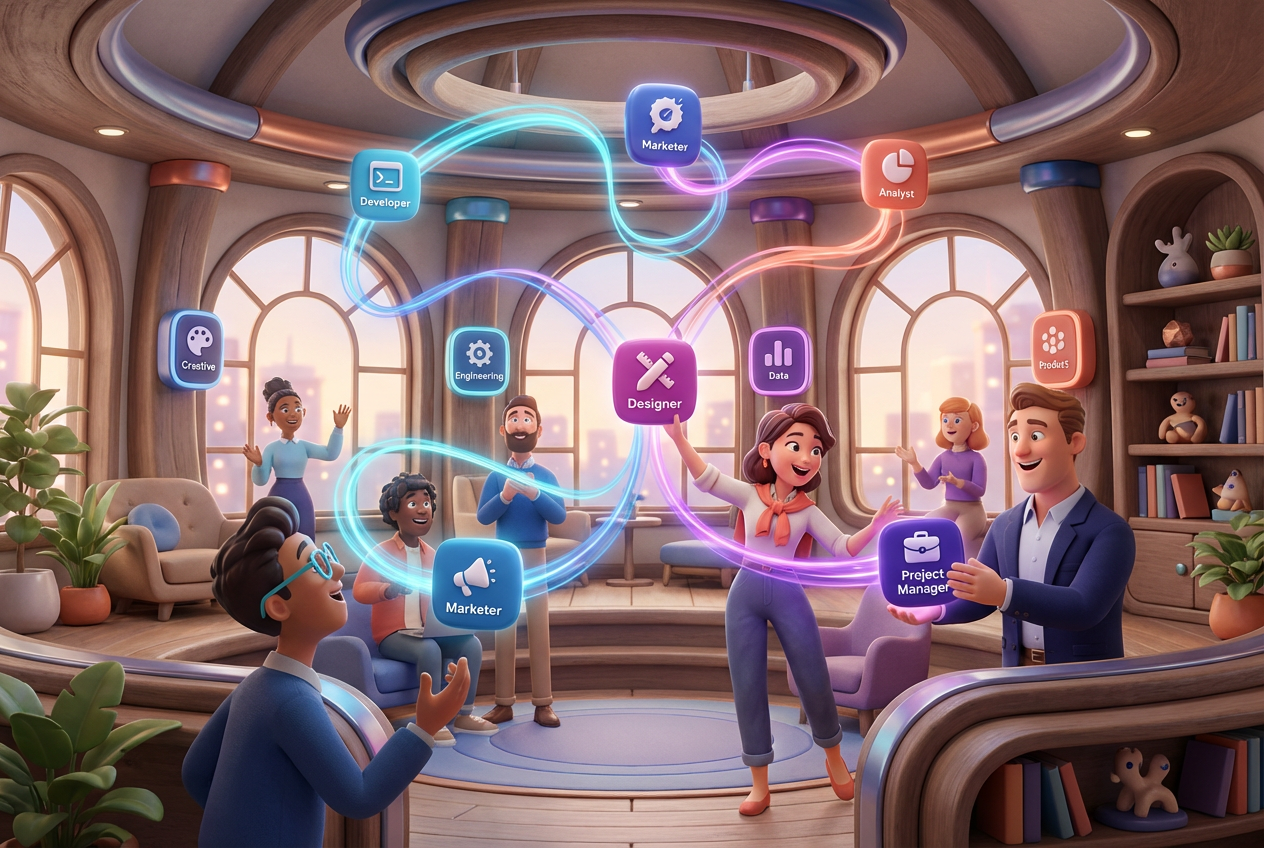
The foundation of any internal mobility strategy is data. You cannot move people well if you do not really know what they are capable of beyond their current daily tasks. Traditional performance reviews fall short here because they focus on how well someone does their current job, not how well they might do a different one. To see true mobility, you need to understand an individual's natural work preferences and behaviours.
You might have a staff member in a data entry role who is an Auditor. Their methodical nature and attention to detail suit their current role, and those same traits could make them an excellent quality assurance lead or compliance officer. Without a way to map these traits, that person stays hidden in their department, and you end up hiring an outsider for a role an internal staff member was built for.
A tool like Compono Develop helps you spot these people. By reading work personality types, such as Pioneers who thrive on new ideas or Coordinators who bring structure, you can suggest internal moves that feel like a natural fit. This evidence-led approach removes much of the guesswork and bias that clouds internal promotions.
Internal mobility is not always about moving up the ladder. Often the most valuable moves are lateral. Shifting a member of the sales team into product development, or a marketer into customer success, brings fresh perspective that sparks better decisions. These cross-functional moves break down departmental silos and help different parts of the business actually understand one another. When people move between teams, they carry institutional knowledge with them, making the whole organisation smarter.
For this to work, managers have to give up talent hoarding, a common problem where leaders keep their best people to protect their own numbers. It is short-sighted. Block a high performer from moving internally and they will eventually leave the company entirely. A healthy culture rewards managers who develop talent for the whole business, not just their own team.
Set up short-term internal secondments or project-based stints. These let employees test the water in a new department without a permanent commitment, a low-risk way to encourage mobility and help people discover interests they did not know they had. When these moves are supported by the Compono Culture, Engagement and Performance Model, every move strengthens the wider organisation.

In a small team you might know everyone's aspirations by heart. As you scale toward hundreds of employees, keeping track of everyone's potential becomes impossible without the right systems. You need a central source of truth for talent that goes beyond a standard HRIS, one that tracks not just what people have done but what they want to do and what they are naturally wired to do well.
This is where workforce intelligence becomes a real advantage. With an internal talent marketplace, you can notify employees when a role opens up that matches their work personality. Opportunities become visible to everyone, not just those who are well-connected in the office. Growth stops depending on who you know and starts depending on what you can do.
The Compono platform gives leaders this visibility, showing skill gaps across the whole business as they emerge. When you can see exactly who could step into a leadership role or a technical vacancy, your reliance on expensive external headhunters drops. You start building from within, which is the most sustainable way to grow.
Key insights
- Internal talent mobility is a strategic lever for reducing turnover and protecting institutional knowledge.
- Successful mobility depends on moving beyond job titles to understand an individual's work personality.
- Managers should be encouraged to share talent across departments rather than hoarding top performers.
- Lateral moves are as valuable as vertical promotions for driving cross-functional thinking.
Map work personality and skills across your team, then move the right people into the right roles before you advertise externally.
Talk to usA promotion is usually a vertical move to a higher level of responsibility. Internal mobility is broader. It covers promotions, lateral moves between departments, and temporary project-based assignments. It focuses on moving talent to where it is most needed.
Make talent development a key performance measure for your managers. Recognise and reward leaders who successfully move their team members into other high-value roles inside the company. That shifts the focus from team-specific goals to the health of the whole organisation.
Yes. You may not have many departments, but you can use stretch assignments or role-sharing to keep employees engaged and building new skills. This cross-training also makes a small business more resilient when a key staff member leaves.
Combine performance data with work personality insight. Look for employees whose natural traits, like those of an Evaluator or Helper, might be better used in a different context. Regular career conversations matter just as much for understanding what people want.
The common ones are a lack of visibility into open roles, a culture that discourages leaving a team, and no reliable data on employee skills and potential. Overcoming them takes transparent communication paired with a central talent platform.

Attrition prediction software flags turnover risk before people resign. See how engagement and work personality data help you keep your best...
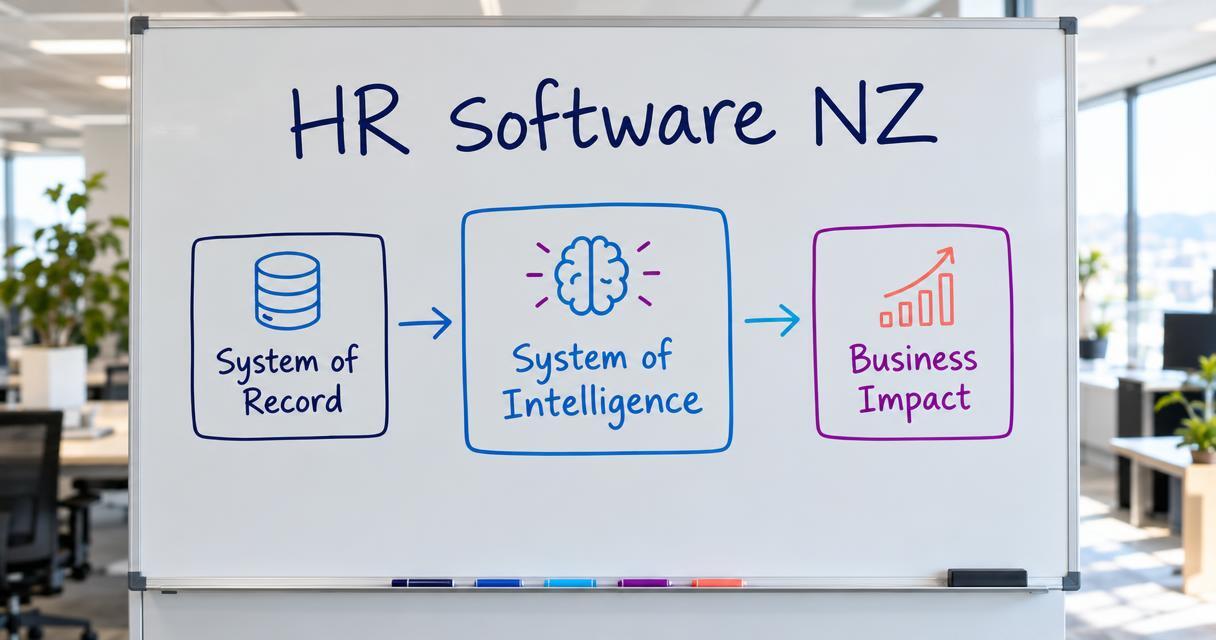
Finding the right HR software in NZ means moving beyond basic payroll and leave trackers. Discover how to choose a platform that actually understands.

How role-based learning closes skills gaps by matching training to each job function and work personality. A practical guide from Compono.