


 Mathan Allington

Gallup Q12 Alternatives: Modern Employee Engagement Surveys (2026)
 Mathan Allington
How continuous listening platforms compare with the Gallup Q12, from customisable questions to benchmarked insight you can act on.

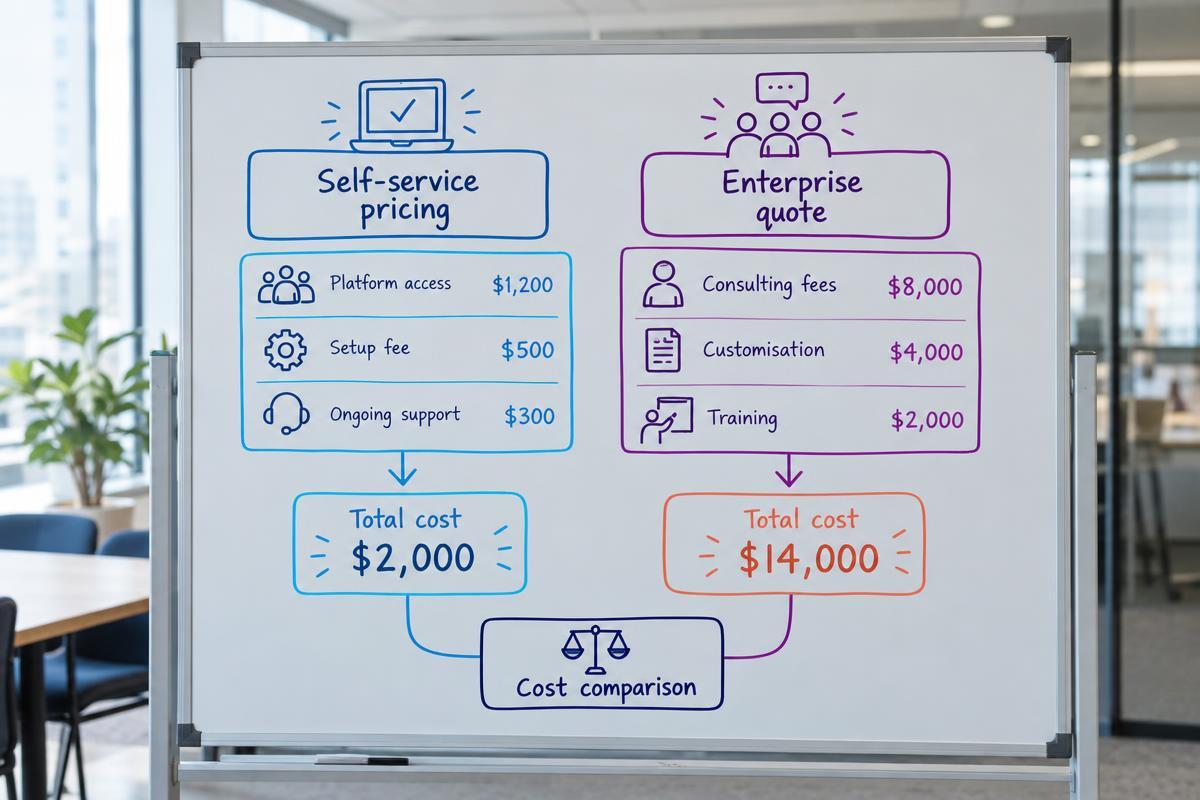
The Gallup Q12 survey costs US$20 per participant for standard self-service access, meaning a 100-person team will pay US$2,000 to run the assessment. For organisations with more than 100 employees looking for full enterprise consulting and platform features, Gallup provides custom quotes rather than publicly listed prices.
Last reviewed October 2026
Quick answer
- Price: US$20 per participant (minimum four participants), or custom pricing for enterprise Gallup Access.
- Best for: Global enterprises wanting to benchmark engagement against millions of survey data points.
- Verdict: The Gallup Q12 is a gold standard for measuring engagement, but mid-market teams often find the per-participant pricing and lack of integrated culture insights restrictive.
Many HR leaders look to the Gallup Q12 when they need a reliable way to measure team morale. The appeal is obvious. According to Gallup, the organisation analysed more than 1 million employees when developing and validating the Q12's 12 items. This research scale gives the survey massive credibility.
However, buying into that set of tools requires a clear understanding of how the pricing works. The sticker price is only one part of the equation. Once you factor in response rates, manager training and executive debriefs, the total cost of ownership looks very different.
For smaller teams and independent consultants, Gallup offers a direct purchasing model. According to Assessment Cloud, Gallup's self-service Q12 survey costs US$20 per participant, with a four-participant minimum. You buy the invitations online, send them to your team and receive a standard report.
This pricing structure means a 100-person Q12 survey therefore costs US$2,000, before any consulting or broader Gallup Access services are included. Similarly, a 300-person survey costs US$6,000 at the published US$20-per-participant rate. This straightforward model works well for a one-off project but scales poorly for mid-market organisations running continuous feedback loops.
If you survey your team quarterly to track improvements, that US$6,000 expense happens four times a year. This is why many growing companies eventually look at standard Compono pricing or other subscription models, which offer unlimited surveys for a flat platform fee.
There is a trap in per-user pricing models that catches many HR teams off guard. You are buying the right to ask the questions, not a guarantee that your staff will answer them.
Assessment Cloud highlights a hidden variable in per-seat pricing. The US$20 fee applies to purchased invitations, not completed responses; at a 60 percent response rate, the effective cost is approximately US$33 per response. Paying for unanswered invitations damages your return on investment.
If you are calculating the cost of low employee engagement to build a business case for leadership, you must factor this wastage into your budget. A tool is only valuable if people use it. When employees ignore a pay-per-invitation survey, you lose both the data and the money.
When you cross the 100-employee threshold, the self-service model often gives way to broader platform requirements. Assessment Cloud notes that Gallup Access pricing for organisations with more than 100 employees is custom-quoted rather than publicly listed.
Enterprise agreements move beyond the basic survey. You are paying for executive debriefs, managerial training and access to a research database that covers more than 3.3 million workers across 100,000-plus teams, a scale that helps explain its premium positioning, as noted by True colours International.
These indirect costs add up. An enterprise implementation requires internal labour hours to configure the system, time spent training managers to interpret their reports, and budget allocated for follow-up interventions. The initial software quote is usually just the baseline of your total investment.
To understand if the price is justified, you need to understand exactly what the survey measures. Most traditional HR systems measure employee satisfaction. They ask if people are happy with their pay, their hours and their benefits. Satisfaction means an employee is comfortable and will likely stay quiet.
Gallup measures engagement. Engagement means an employee is emotionally committed to the organisation's goals and will actively drive performance. The 12 questions target basic needs, management support, teamwork and personal growth. They ask if employees know what is expected of them, if they receive recognition, and if they have a best friend at work.
This distinction is critical. If your current tool measures satisfaction and calls it engagement, it is incomplete. However, while Gallup nails engagement, it stops there. The Q12 does not measure workplace culture. Culture is the set of behaviours and values that dictate how work actually gets done. Measuring engagement without measuring culture is necessary but not sufficient.
A common question from budget-conscious HR teams is whether they can simply type the 12 questions into a free survey tool and run the assessment in-house. The short answer is no.
The specific wording of the Gallup Q12 questions is proprietary intellectual property. Using the exact phrasing commercially without a Gallup Access licence breaches copyright. While you can ask your team general questions about recognition and expectations, you cannot replicate the Q12 framework for free.
Furthermore, running a DIY survey misses the primary value of the Gallup set of tools. You pay the fee to access their benchmarking data and validate your results against global standards. A free internal survey gives you raw numbers with no context.
Collecting the data is the easy part. The true cost of any engagement initiative lies in what happens next. Gallup relies heavily on manager-led action planning. After the results are published, managers are expected to sit down with their teams, discuss the scores and build a plan to address the weak points.
If your managers lack the capability to lead these conversations, the survey will fail. You will need to invest in coaching and training to prepare them. Without action, asking employees for feedback actually decreases morale because it sets an expectation of change that never arrives.
This highlights the limitations of traditional employee engagement surveys. A massive annual event creates an administrative burden. Modern teams increasingly prefer continuous listening platforms that deliver bite-sized insights throughout the year, removing the pressure of a single high-stakes debrief.
If the per-participant pricing or the annual survey model does not fit your organisation, the HR technology market offers several strong alternatives to the Gallup Q12. You should choose a vendor based on whether you want to measure engagement alone, or combine it with culture and performance data.
| Vendor | Price | Best for | Limits |
|---|---|---|---|
| Compono Engage | Pricing on request | Mid-market teams wanting to measure both engagement and culture across 12 validated dimensions. | Requires leadership commitment to act on dual culture and engagement insights. |
| Gallup Q12 | US$20 per participant (or custom enterprise quote) | Global enterprises seeking massive benchmarking datasets. | Measures engagement but ignores the underlying cultural drivers. |
| Culture Amp | Pricing on request | Large tech companies wanting complex analytics and customisable survey paths. | Heavy implementation required to get full value from the platform. |
Compono makes Compono Engage. We've included it and kept every entry's strengths and limits honest.
Compono Engage is an employee engagement software that handles both process risk and people insight risk. While traditional tools track survey completion rates, Compono maps engagement scores against 12 distinct culture dimensions. It tells you not just how people feel, but why they feel that way.
Executive stakeholders rarely approve software purchases without a clear return on investment. Fortunately, the business case for engagement is well documented. The financial return is clear and measurable.
Gallup reports that business units in the top engagement quartile show 23 percent higher profitability and 18 percent higher productivity than bottom-quartile units in their meta-analysis of more than 112,000 teams. When people are engaged, turnover drops, safety incidents decrease and customer metrics improve.
The question is not whether engagement matters. The question is which system delivers the best value for your specific context. Comparing different employee engagement models ensures you select a platform that aligns with your leadership style and budget constraints.
If your current engagement tool only tells you how people feel but ignores why your culture is shifting, it is only doing half the job. Compono Engage gives you the full picture by measuring both engagement and culture across 12 validated dimensions, helping you build high-performing teams.
The Gallup Q12 survey asks 12 specific questions designed to measure employee engagement. These cover basic workplace needs like knowing what is expected of you and having the right materials, management support like receiving recognition and having someone encourage your development, and teamwork factors like having your opinions count and having a best friend at work.
No. The exact wording of the 12 questions is proprietary intellectual property owned by Gallup. Using them commercially in your own internal surveys without purchasing a licence or paying the per-participant fee breaches their copyright.
Gallup Access delivers incredible value for global enterprises that need to benchmark their engagement scores against millions of external data points. For mid-market companies, the per-participant pricing model can become expensive, and many prefer platforms that offer flat subscription pricing and measure workplace culture alongside engagement.

How continuous listening platforms compare with the Gallup Q12, from customisable questions to benchmarked insight you can act on.
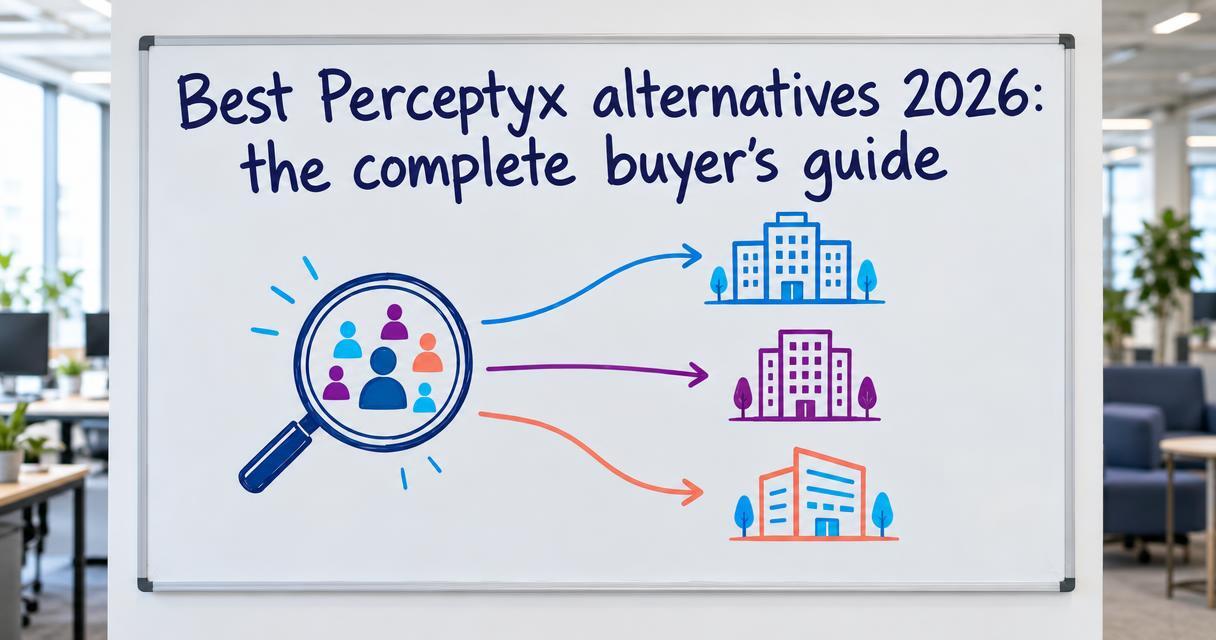
Compare the best Perceptyx alternatives for 2026. Discover transparent pricing, feature comparisons and how to choose the right employee engagement.

Looking at Microsoft Viva Glint pricing for 2026? Discover the true costs of standalone tiers, suite bundles, and hidden Microsoft 365 requirements.