

.webp)

 Compono


1 min read
How to choose the right team collaboration software
 Mathan Allington
The right team collaboration software does more than manage tasks and messages. It fits the way your people naturally work, matching each person to...

As organisations grow, maintaining a consistent culture of inclusion becomes increasingly complex. What worked for a team of ten rarely scales to a workforce of hundreds. You might find that bias – often unconscious – begins to creep into hiring decisions, performance reviews, and team dynamics, despite your best efforts to remain objective.
This is where diversity and inclusion software enters the conversation. It isn’t a magic wand, but it is a powerful set of tools designed to remove human error from the equation. By using data to highlight gaps in representation or sentiment, you can make decisions based on reality rather than assumptions.
The goal isn’t to replace human empathy with an algorithm. Instead, we want to use technology to clear the path for empathy to thrive. When you remove the friction of biased processes, you allow your people to connect more deeply and perform at their peak.

Recruitment is often the first place where diversity initiatives succeed or fail. Even the most well-intended hiring managers can be influenced by affinity bias – the natural tendency to favour people who look, act, or think like themselves. This often leads to teams that are culturally homogeneous, which limits innovation and problem-solving.
Modern diversity and inclusion software addresses this by anonymising applications or using objective assessments to rank candidates based on merit and potential. By focusing on what a person can actually do – rather than where they went to university or who they know – you broaden your talent pool significantly.
At Compono, we believe that the best hiring decisions are made when you understand a person’s natural work preferences. Our Compono Hire platform helps you identify the specific work personality your team is missing, ensuring you build a cognitively diverse workforce that is balanced and resilient.
Diversity is about who is in the room, but inclusion is about how those people feel once they are there. You can have a diverse team on paper, but if certain groups feel unheard or undervalued, you won’t see the benefits of that diversity. Traditional annual engagement surveys often miss the nuances of these experiences because they happen too infrequently.
Software allows you to capture a pulse on the organisation more regularly. By using short, frequent surveys, you can track how different cohorts within your business are feeling. Are your junior employees feeling less supported than senior staff? Is there a specific department where psychological safety is low?
When you have this data, you can intervene before minor issues become systemic problems. It allows you to move from being reactive to being proactive in your inclusion strategy. You can see the impact of your initiatives in real time and adjust your approach based on what your people are actually telling you.
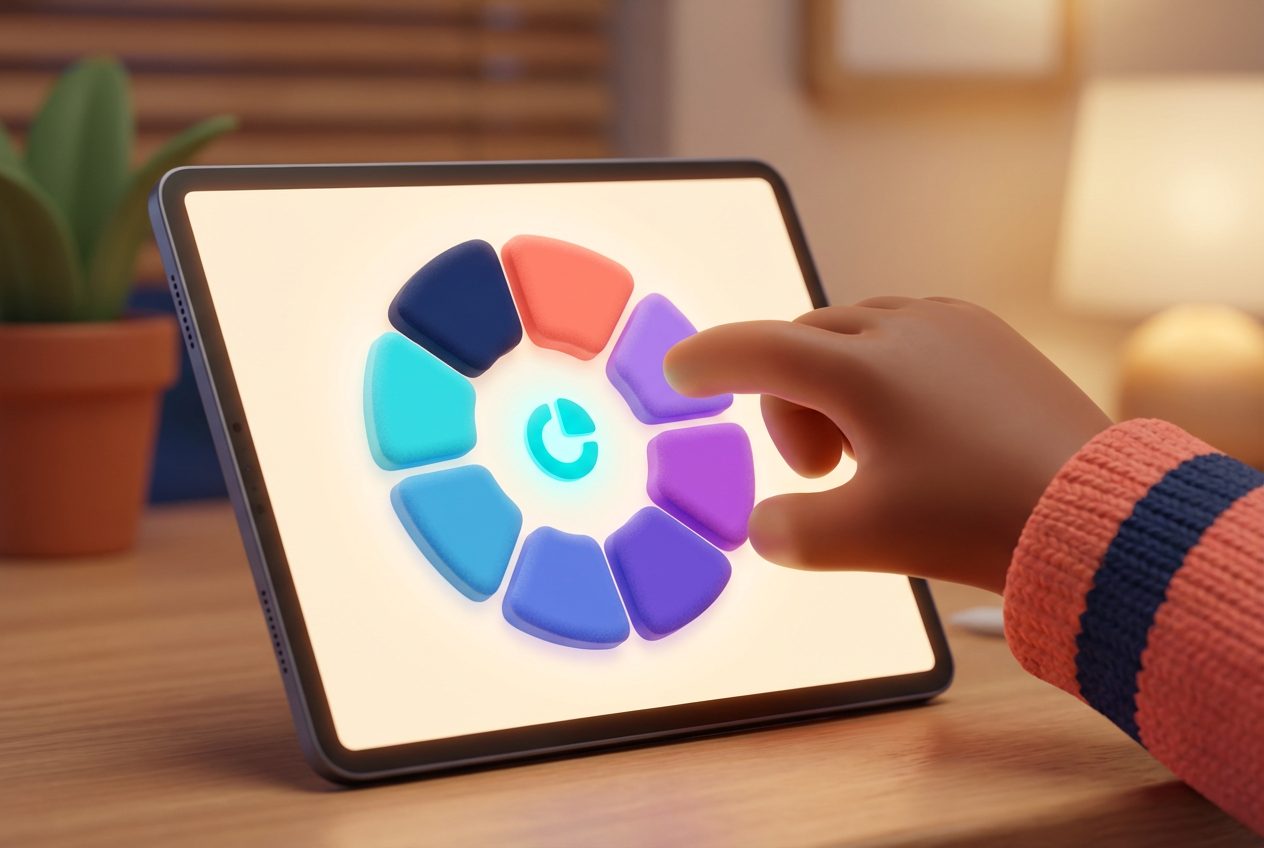
Inclusion often boils down to how well we understand each other’s differences. When a team experiences conflict, it’s rarely because people are trying to be difficult. More often, it’s because their natural work styles are clashing. A "Pioneer" who thrives on new ideas might frustrate a "Doer" who just wants to get the current task finished.
Diversity and inclusion software that incorporates personality assessments can bridge this gap. When team members understand their own "Work Personality" and the personalities of their colleagues, they can adapt their communication styles to reduce friction. This creates a culture where differences are seen as strengths rather than obstacles.
You can explore these insights through the Compono Work Personality tool, which maps eight key work activities. By understanding if your team is heavy on "Campaigners" but light on "Auditors", you can purposefully invite different perspectives into the conversation, ensuring every voice has a place at the table.
Once you have identified where your gaps are, the next step is growth. Inclusion isn't a static achievement; it’s a skill that needs to be developed across the entire organisation. This means providing leaders with the tools they need to manage diverse teams and giving employees the resources to understand their own biases.
Software can deliver targeted learning and development programmes based on the specific needs of your team. If your data shows that managers are struggling with difficult conversations, you can provide them with modules focused on empathy and conflict resolution. This ensures your investment in diversity and inclusion software results in tangible behavioural change.
Our Compono Develop module allows you to align individual growth with the broader goals of the business. By fostering a culture of continuous learning, you ensure that inclusion remains a core part of your organisational DNA as you scale.
Diversity and inclusion software refers to digital tools designed to help organisations build more equitable workplaces. These tools typically focus on reducing bias in recruitment, measuring employee sentiment, and providing data-driven insights into team culture and representation.
Software helps reduce bias by standardising processes. For example, it can anonymise resumes to focus on skills, use objective work personality assessments to evaluate fit, and provide structured frameworks for performance reviews that rely on data rather than gut feeling.
Yes. When people feel included and understood, they are more engaged and productive. Software that highlights diverse work styles – such as Compono’s personality mapping – allows teams to collaborate more effectively by leveraging each other’s unique strengths.
Not at all. While large enterprises use these tools to manage thousands of staff, mid-market organisations (60–1,000 staff) find them essential for scaling their culture correctly. It ensures that as you grow, your commitment to inclusion remains consistent across every department.
Look for a platform that covers the entire employee lifecycle – from hiring and engagement to development. It should provide actionable data, respect employee privacy, and offer insights into both demographic diversity and cognitive diversity (how people think and work).

1 min read
The right team collaboration software does more than manage tasks and messages. It fits the way your people naturally work, matching each person to...

1 min read
Hey Compono is a specialised AI coaching platform designed to help employees and leaders master difficult workplace conversations and improve their...

1 min read
Improving team communication is hard because most leaders try to fix the software or the meeting schedule, rather than addressing the underlying...
 Compono