

.webp)

 Compono


1 min read
How does behavioural hiring work in federal government
 Compono
Behavioural hiring in the federal government works by assessing how a candidate’s past actions and work personality predict their future performance...
A work motivation assessment is the most effective way to identify the specific activities that energise your employees and the ones that lead to burnout.
By understanding the natural drivers behind how people work, you can move beyond generic engagement surveys and start building teams based on genuine psychological fit. In today's workplace, the challenge isn't just finding skilled people – it is ensuring those people are actually motivated by the tasks they perform every day.
Key takeaways
- Work motivation is driven by an individual's natural work personality and their preference for specific types of activities.
- Standard skills-based hiring often overlooks the 'will' behind the 'can', leading to long-term disengagement.
- There are eight core work actions that define high-performing teams, ranging from pioneering to auditing.
- Aligning leadership styles with the motivational needs of a team significantly reduces turnover and conflict.
- Data-driven assessments provide a common language for managers and employees to discuss career development.
We have all seen it happen: a brilliant new hire with a perfect CV starts to lose their spark after six months. They have the skills, the experience, and the right equipment, yet their productivity is stalling. Often, the problem isn't a lack of ability – it is a fundamental mismatch between their natural work preferences and their daily responsibilities.
When we ignore the 'why' behind employee behaviour, we risk creating a 'motivation gap'. This gap occurs when a person is forced to spend most of their time on tasks that drain their energy. For example, a natural Pioneer who craves innovation and change will quickly become frustrated if they are confined to repetitive, detail-heavy administrative work.
At Compono, we have spent over a decade researching how personality influences these preferences. We have found that when people work in roles that align with their natural work personality, they are more resilient, more creative, and significantly more likely to stay with the organisation. A work motivation assessment isn't just a 'nice to have' HR tool – it is a critical piece of workforce intelligence.

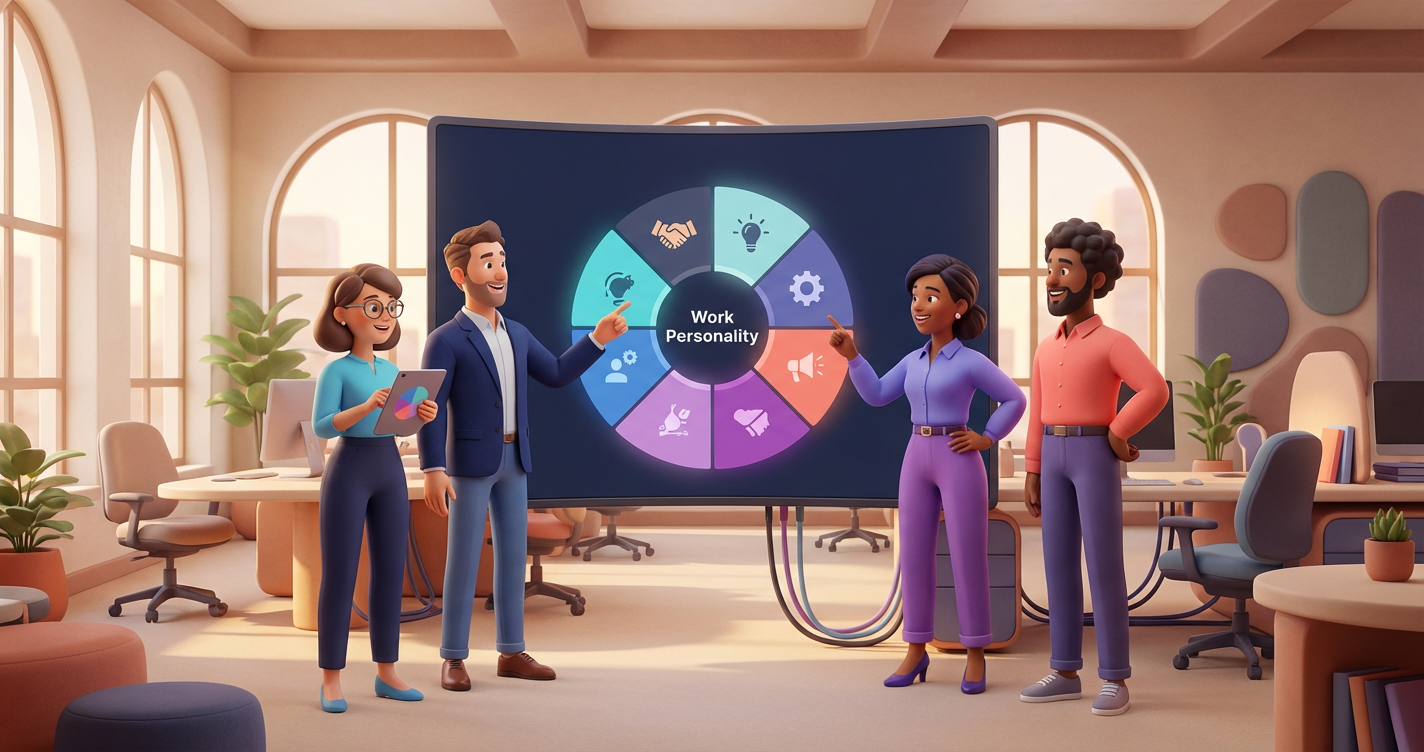
To accurately measure motivation, we need to look at what people actually do at work. Our research has identified eight key work activities that every high-performing team must perform to succeed. These aren't just job titles; they are the functional 'actions' that keep a business moving forward.
These actions include Evaluating, Coordinating, Campaigning, Pioneering, Advising, Helping, Auditing, and Doing. Every individual has a dominant preference for one or more of these areas. For instance, Evaluators are naturally motivated by logic, risk assessment, and objective analysis. They find energy in 'weighing up the options' and ensuring the team makes prudent decisions.
Conversely, Helpers are driven by empathy and team harmony. Their motivation comes from supporting others and ensuring the sustainability of team relationships. If a team is comprised entirely of 'Doers' but lacks 'Advisors', they might be highly efficient at finishing tasks but struggle to navigate complex interpersonal dynamics or long-term strategic growth.
Traditional recruitment focuses heavily on a candidate's history – where they went to school and what they did at their last job. While important, this doesn't tell you if they will actually enjoy the work you are asking them to do. This is where a work motivation assessment changes the game during the recruitment phase.
By integrating these insights into your selection process, you can see how a candidate’s natural preferences align with the specific needs of the role. If you are hiring for a role that requires meticulous record-keeping and strict adherence to procedures, you are looking for an Auditor. Hiring a high-energy Campaigner for that same role – no matter how impressive their resume – is a recipe for a quick resignation.
This is exactly how Compono Hire helps businesses make smarter decisions. It allows you to select the specific work personality you need for a role and automatically ranks candidates based on their fit for those activities. It moves the conversation from 'can they do the job?' to 'will they thrive in the job?'.
Leadership is never a one-size-fits-all endeavour. The most effective leaders are those who can adapt their style to match the motivational needs of their team members. A work motivation assessment provides a roadmap for this adaptability. It helps you understand why some employees need clear, directive instructions while others require high levels of autonomy.
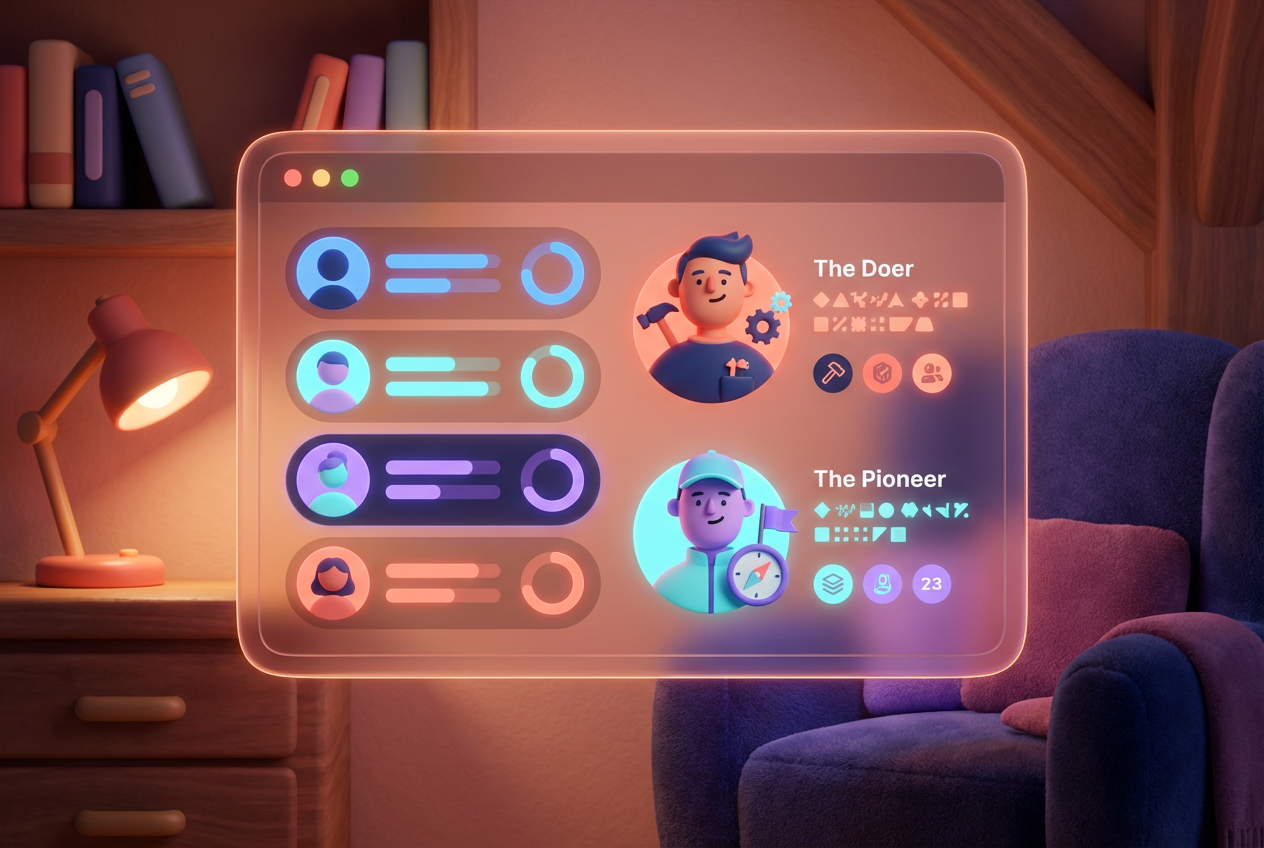
For example, Doers often thrive under directive leadership. They appreciate clear goals, concrete tasks, and practical feedback. They want to 'get it done' and feel most motivated when the path forward is well-defined. On the other hand, Coordinators are motivated by structure and efficiency. They want to be the ones helping to build the systems that lead to results.
When a leader understands these nuances, they can reduce friction within the team. Instead of viewing a 'Pioneer' as someone who is 'unfocused' on routine, a manager can recognise that their motivation lies in exploration and innovation. By assigning them to 'New Venture' projects, the manager harnesses that energy rather than stifling it. This level of insight is at the heart of Compono Engage, which helps managers reveal team insights and support diversity of thought.
A work motivation assessment shouldn't be a top-down secret. Its real power is unlocked when employees understand their own profiles. When an individual realises that their frustration at work stems from a lack of 'Pioneering' opportunities, they can have a constructive conversation with their manager about their career path.
This self-awareness fosters a culture of transparency and mutual respect. It allows teams to discuss their 'blind spots' openly. A team of Advisors and Helpers might recognise that they are excellent at collaborating but struggle with making hard, logical decisions. By identifying this gap, they can consciously lean on an Evaluator or implement more structured decision-making frameworks.
Ultimately, motivation is about energy. When we use data to align people with the work that energises them, we don't just improve productivity – we create a more human workplace where people feel seen and valued for their natural strengths.
Key insights
- Motivation is not a generic state but a specific reaction to the types of work activities performed.
- High-performing teams require a balance of all eight work personalities to maintain momentum and quality.
- Using assessments in recruitment reduces 'mis-hiring' by identifying psychological fit alongside technical skill.
- Effective leadership requires shifting between directive, democratic, and non-directive styles based on team motivation.
- Self-awareness of work personality allows employees to advocate for roles that align with their natural drivers.
While many personality tests look at broad social traits, a work motivation assessment specifically focuses on work-related activities. It measures which professional tasks – such as analysing data, persuading others, or supporting colleagues – an individual finds energising versus draining.
While a person's core work personality remains relatively stable, we recommend assessing team dynamics annually or whenever there is a significant change in team composition. This ensures that as new projects arise, you are still aligning the right people with the right tasks.
You cannot easily change someone's natural work personality, but you can change their environment. If an assessment reveals a mismatch, managers can 'job craft' by shifting certain responsibilities or pairing the employee with a colleague who has complementary strengths.
Actually, smaller teams often benefit even more. In a small business, every role is critical. Misaligning a key employee with tasks they find demotivating can have a much faster and more visible impact on the bottom line than in a massive corporation.
Most employees find the process incredibly validating. It provides them with a professional language to describe what they are good at and why they might be struggling with certain parts of their role. It moves performance reviews away from 'criticism' and toward 'optimisation'.

1 min read
Behavioural hiring in the federal government works by assessing how a candidate’s past actions and work personality predict their future performance...

1 min read
Proficiency levels in financial services work by categorising the specific skills and behaviours required for a role into a scale – typically from...

1 min read
Australian workplace safety training is often viewed as a box-ticking exercise, but for high-performing teams, it is the bedrock of a thriving...