Skip to the main content.
FOR GOVERNMENT

AssureArrow Left

Become the expert on delivering
valid and fair assessments for
your training and education.

Compono Assure


FOR BUSINESS

HireArrow Left

Engage Arrow Left

Develop Arrow Left

The ATS that matches candidates to culture and performance, not resumes to keywords.

The culture assessment and employee engagement platform that shows you what to fix, not just what's wrong.

The Learning Management System (LMS) that builds capability, not just completion rates.


The AI that actually understands you.

Hey Compono helps you understand your personality and how to turn it into your superpower.

First 1,000 users get 10 minutes free.
Just $15 a month after that — cancel anytime.

Hey Compono


4 min read

How HRIS integration transforms workforce intelligence

How HRIS integration transforms workforce intelligence

HRIS integration is the process of connecting your Human Resources Information System with other business software to create a single, reliable source of truth for all employee data.

By linking your core HR database with recruitment, engagement, and development tools, you eliminate manual data entry and gain a clearer picture of your entire workforce. This connectivity – when managed correctly – allows your team to move away from administrative firefighting and focus on strategic initiatives that actually drive business growth.

Key takeaways

  • HRIS integration removes the friction of manual data handling by synchronising employee records across your entire software stack.
  • Connecting disparate systems provides a unified view of workforce data, enabling more accurate reporting and better strategic planning.
  • Automated data flows reduce the risk of human error, ensuring compliance and data integrity across all people-related processes.
  • A well-integrated HR ecosystem improves the employee experience by providing a seamless transition from hiring to development.

The high cost of fragmented people data

Many mid-market organisations find themselves trapped in a cycle of 'spreadsheet archaeology'. You know the feeling – jumping between three different browser tabs just to find an employee's start date or trying to manually reconcile a payroll report with your performance management system. This fragmentation doesn't just waste time; it creates a significant barrier to understanding how your people are actually performing.

When your systems don't talk to each other, data becomes siloed. A change in an employee's role might be updated in your HRIS but forgotten in your engagement platform. These small discrepancies eventually snowball into larger issues, such as incorrect reporting or missed compliance deadlines. Without a cohesive strategy for HRIS integration, your leadership team is essentially flying blind, making critical talent decisions based on incomplete or outdated information.

At Compono, we believe that workforce data should work for you, not the other way around. We've spent over a decade researching how high-performing teams use intelligence to stay ahead. The first step is always the same: centralising your data so you can actually see the patterns hidden within your organisation. When you move beyond basic record-keeping, you start to see the real story of your workforce.

Building a foundation for workforce intelligence

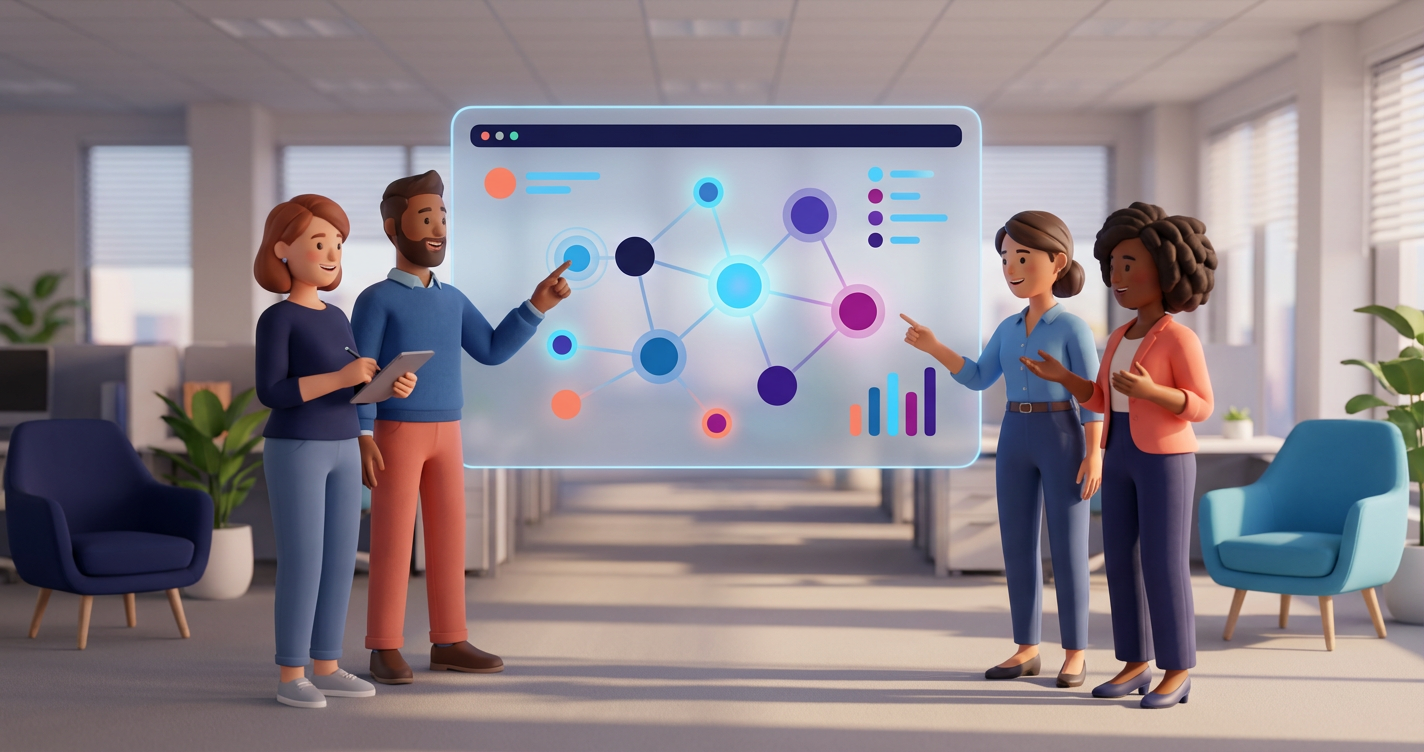
Section 1 illustration for How HRIS integration transforms workforce intelligence

Successful HRIS integration is about more than just moving data from Point A to Point B. It is about creating a foundation for 'Workforce Intelligence' – the ability to use data to predict trends, identify skill gaps, and improve retention. To achieve this, you need to ensure your integration is bi-directional, meaning information flows freely both ways between your core HRIS and your specialised tools.

Consider the recruitment process. If your hiring tool is integrated with your core HRIS, a successful candidate's information should automatically populate their new employee profile. This eliminates the need for HR coordinators to re-type names, addresses, and tax file numbers. It also ensures that the data used to assess the candidate – such as their work personality – remains attached to their profile as they move into their new role.

Using a platform like Compono Hire allows you to assess candidates across multiple dimensions, including Organisation Fit and personality. When this intelligence is integrated with your broader systems, you can track how those initial assessments correlate with long-term performance and engagement. This is where the true value of HRIS integration lies: turning raw data into actionable insights that help you build better teams.

Improving the employee lifecycle through connectivity

An integrated system does more than just help the HR team; it significantly improves the experience for every employee. From the moment someone signs their contract to the day they move into a leadership position, their journey should feel like a single, continuous experience. Fragmentation, on the other hand, makes the organisation feel disjointed and unorganised.

Take employee development as an example. When your development platform is linked to your HRIS, you can automatically trigger training programmes based on tenure or role changes. If an employee is promoted to a manager position in the HRIS, the system can instantly enrol them in a leadership course. This proactive approach ensures that your people always have the tools they need to succeed, without HR having to manually intervene at every step.

We often see teams struggle to maintain engagement because their feedback loops are disconnected from their core data. By using Compono Engage, you can gather deep insights into how your team is feeling. When this is part of an integrated ecosystem, you can cross-reference engagement scores with turnover data or performance metrics in your HRIS. This allows you to identify exactly where intervention is needed before you lose top talent.

Navigating the technical hurdles of integration

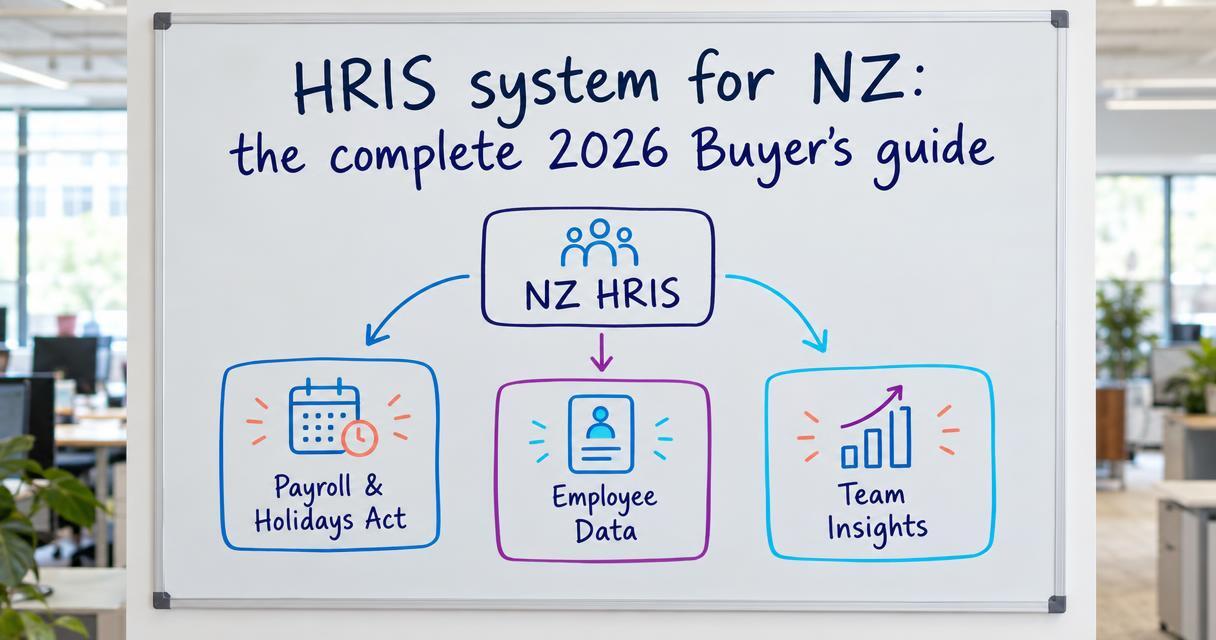
Section 2 illustration for How HRIS integration transforms workforce intelligence

While the benefits are clear, the path to full HRIS integration often involves navigating technical complexities. Many older HR systems weren't designed to play well with others. You may encounter issues with data formatting, API limitations, or security protocols. However, modern 'Workforce Intelligence' platforms are built with connectivity in mind, offering pre-built connectors or flexible APIs that simplify the process.

It is important to prioritise data security and privacy throughout this journey. When systems are linked, you are essentially creating more pathways for data to travel. Ensuring that all integrated platforms meet high security standards is non-negotiable. You should look for partners who understand the importance of data sovereignty and comply with local regulations, ensuring your employee information remains protected at all times.

Once the technical plumbing is in place, the focus shifts to data hygiene. Integration will only be as good as the data being shared. Before you flip the switch, take the time to clean your existing records. Remove duplicates, standardise job titles, and ensure all contact information is current. A clean start ensures that your integrated system provides accurate reports from day one, giving your leadership team the confidence to act on the insights provided.

Key insights

  • HRIS integration is the essential bridge between basic administrative tasks and advanced workforce intelligence.
  • Automating the flow of data across the employee lifecycle reduces administrative burden and minimises human error.
  • Connected systems allow for sophisticated reporting that links recruitment data with long-term performance and engagement.
  • A unified data environment supports a better employee experience by ensuring seamless transitions between different stages of the career journey.

Where to from here?

Ready to see how a connected workforce can transform your business? Moving away from silos is the first step toward building a high-performing culture.

Frequently asked questions

What are the most common challenges with HRIS integration?

The most frequent hurdles include dealing with legacy software that lacks modern APIs, reconciling inconsistent data formats between different systems, and ensuring that data security remains robust as information moves between platforms.

How long does it typically take to integrate an HRIS with other tools?

Timeline varies depending on the complexity of the systems involved. Simple API-based integrations can take just a few days, while custom-built connections for older enterprise systems may take several weeks of planning and testing.

Does HRIS integration require a dedicated IT team?

Not necessarily. Many modern platforms offer 'no-code' or 'low-code' integration options that HR leaders can manage. However, involving your IT or security team for initial vetting and data mapping is always a best practice.

Will integration help with compliance and reporting?

Yes, significantly. By centralising data, you ensure that all reports are based on the same set of facts. This makes it much easier to generate accurate compliance reports for payroll, diversity, and safety without manual reconciliation.

How does integration improve the employee onboarding experience?

Integration allows for the automatic transfer of candidate data into employee records. This means new hires don't have to provide the same information multiple times, and their access to necessary tools and training can be granted instantly on their first day.

Related

Payroll integration HR: a guide to smarter data management

Payroll integration HR: a guide to smarter data management

Payroll integration HR systems connect your employee lifecycle data with your financial reporting to eliminate manual data entry and reduce costly...

Read More
How talent intelligence software transforms modern hiring

How talent intelligence software transforms modern hiring

Talent intelligence software is a category of technology that uses data and psychological insights to help organisations make more informed decisions...

Read More
How to simplify payroll with PAYCC integration

How to simplify payroll with PAYCC integration

PAYCC integration connects your payroll software directly with your workforce management tools to ensure data flows accurately and automatically...

Read More