1 min read
How a system of intelligence HR transforms modern teams
A system of intelligence HR is a layer of technology that sits above traditional record-keeping tools to provide proactive, data-driven insights...
Voice or text coaching built on psychology. For you, your team, or the candidates you place.
A coach that actually gets you.
Get 10 minutes free, then $15 a month. Cancel anytime.
Get Started ≫2 min read
Mathan Allington
Updated on August 19, 2026
Last reviewed July 2026
HR tech is solving the wrong problems when it prioritises administrative automation over workforce intelligence and human connection. Plenty of platforms are excellent at digitising paperwork or tracking leave, yet they leave the real challenges untouched: culture alignment, role fit and team dynamics, which are what actually drive business performance. The fix is shifting from software that manages people to technology that understands them.
This guide covers the efficiency trap, the difference between the what and the who of HR, and how to tell whether your tools are solving the right problems.
For years the main selling point of HR technology has been efficiency. The logic seemed sound: save HR managers five hours a week on data entry and they can spend that time on strategic work. In practice, that efficiency has not always translated into better outcomes. Often it just moved the same work into a slicker interface.
Most of us have sat through a flashy demo that promised to revolutionise the workday, only to realise six months later that the main thing it changed was the colour of the digital spreadsheet. The modern workplace is swimming in software, yet HR leaders wrestle with the same people problems they faced a decade ago: high turnover, disengaged teams, and the constant search for the right person for the right role.
The issue is not a lack of features or slick interfaces. Most HR tech is designed to solve administrative headaches rather than strategic challenges. We have become very good at automating the what of HR, the payroll and leave requests and compliance checks, while almost entirely ignoring the who and the why.
When you focus purely on the mechanics of management, you miss the human behaviour that determines whether a business thrives. Two people can have identical CVs and perform completely differently depending on how their work preferences match the role and the team around them. Admin software cannot see that. Workforce intelligence can.
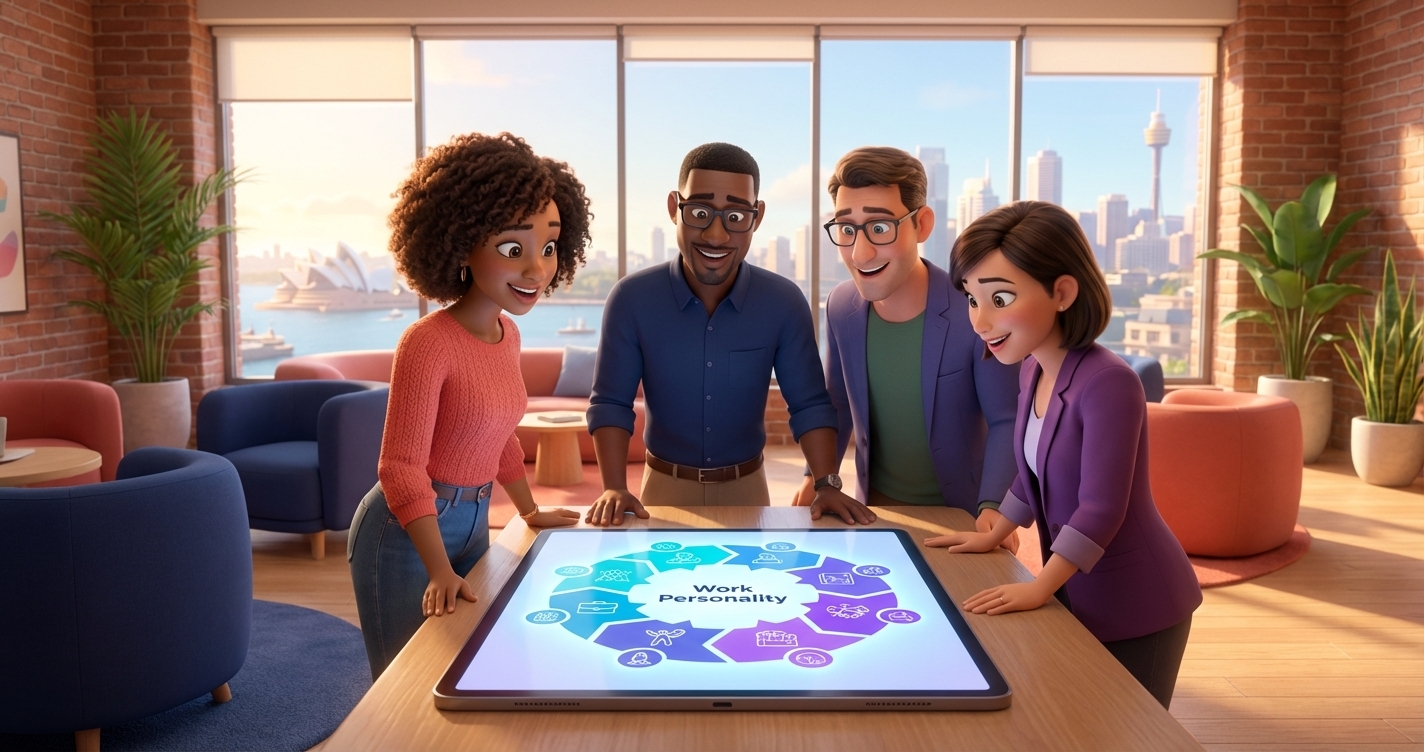
Understanding your people means looking beyond a CV to the psychological drivers of performance and team harmony. The eight work personalities (Doer, Auditor, Helper, Advisor, Pioneer, Campaigner, Evaluator and Coordinator) give you a practical way to read those drivers, so you can align individuals with the specific needs of a team.
This is the gap Compono is built to close. Compono Hire predicts culture fit rather than just storing applications, and Compono Engage reads culture and sentiment so you can act on the why behind your numbers. Technology should support human decisions, not replace them with faster data entry.
A quick test: list the problems that keep you up at night, then ask which ones your current tools actually help with. If your software speeds up admin but does nothing for turnover, disengagement or role fit, it is solving the wrong problems. The goal is not to abandon efficiency, it is to add the intelligence that efficiency alone was never going to deliver.
Compono adds workforce intelligence to HR, so your tools help with turnover, fit and culture, not only paperwork.
Talk to usMost HR tech prioritises administrative automation, like digitising paperwork and tracking leave, over workforce intelligence. It handles the what of HR while ignoring the who and the why, so the challenges that drive performance go unaddressed.
The efficiency trap is assuming that saving time on admin automatically produces better outcomes. In practice, faster data entry often just moves the same work into a slicker interface without touching turnover, engagement or role fit.
Workforce intelligence looks beyond a CV to the psychological drivers of performance and team harmony, such as work personality. It helps you align individuals with the needs of a team, which is what actually reduces turnover and lifts engagement.
List the people problems that keep you up at night, then check which your tools genuinely help with. If your software speeds up admin but does nothing for turnover, disengagement or role fit, it is solving the wrong problems.

Compono Hire helps you predict job-fit and team-fit using behavioural science, so you can shortlist with confidence.
Request a demoBuilt for mid-market hiring teams.

Voice-first coaching that adapts to your personality. Get actionable steps you can take this week.
Start freeBuilt by Compono. Not therapy — practical behaviour change.
1 min read
A system of intelligence HR is a layer of technology that sits above traditional record-keeping tools to provide proactive, data-driven insights...
1 min read
The future of HR technology is a shift from static record-keeping to workforce intelligence that helps predict performance and cultural alignment....
1 min read
Incomplete HR tech is a system that fails to connect the dots between hiring, engagement, and development, leaving managers to manually bridge the...