

.webp)

 Mathan Allington


How an HR intelligence platform transforms modern team performance
 Mathan Allington
What an HR intelligence platform is, how it differs from an HRIS, and how people data improves hiring, engagement and development decisions.
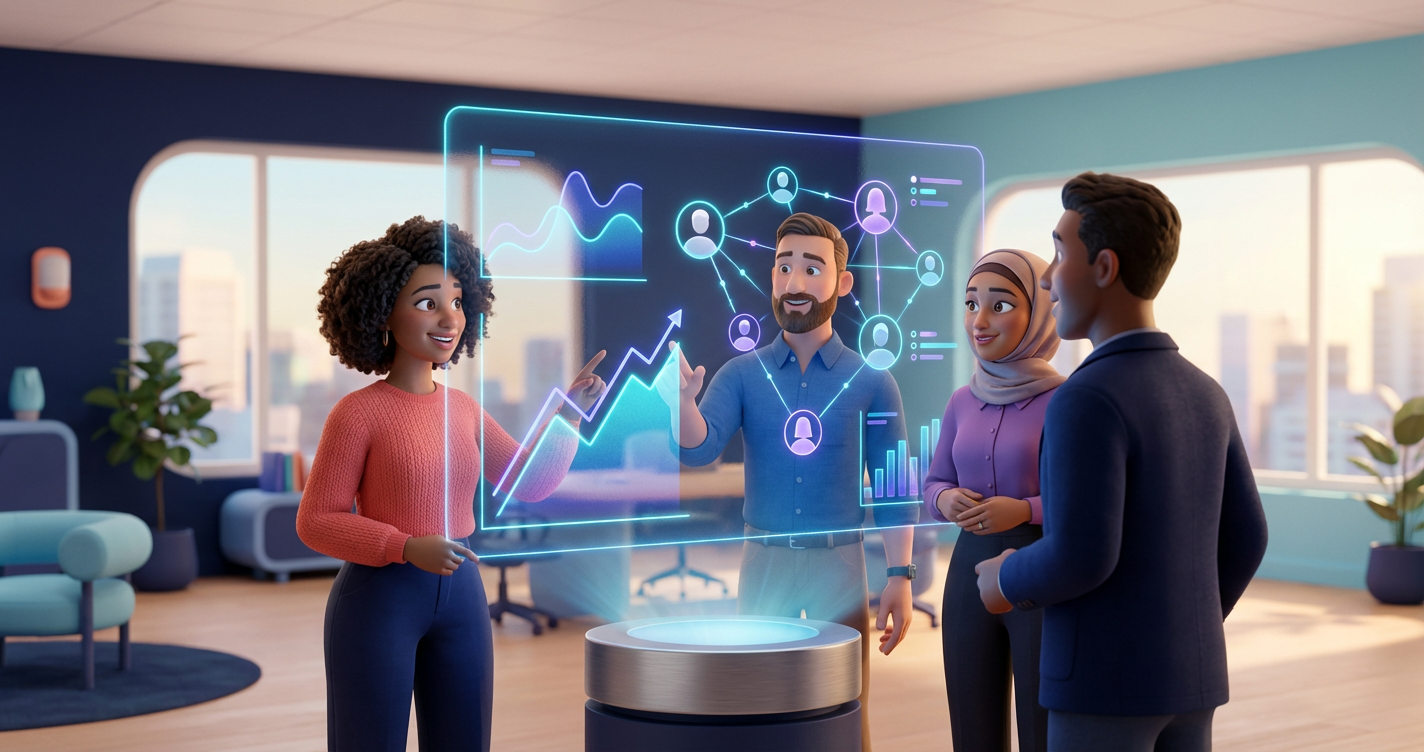
HR predictive analytics uses historical workforce data and statistical modelling to forecast people outcomes such as employee turnover and hiring success. Instead of reporting what happened last quarter, it shows you what is likely to happen next, so you can act on a flight risk or a capability gap before it costs you money.
Last reviewed July 2026.
Key takeaways
- Predictive analytics moves HR from reacting to past events to anticipating workforce needs.
- Clean, connected data is the foundation. Siloed systems make prediction impossible.
- Predictive modelling reduces recruitment costs by identifying the candidates most likely to stay and perform.
- Mapping team composition lets leaders fix capability gaps before they reach the bottom line.
For a long time, HR measured the rear-view mirror: how many people left last month, how much training cost last quarter. Those metrics matter, but they say nothing about what happens next.
Predictive analytics changes the question. Instead of asking "why did they leave?", you ask "who is likely to leave, and what would keep them?". That is not guesswork or gut feel. It is using the information you already hold to make decisions earlier, when they are still cheap to make.
When HR can show leadership exactly where the risks sit and what it would take to reduce them, the function stops being treated as a cost centre and starts shaping strategy.
You cannot run predictive analytics on messy data. The first step is centralising your information: recruitment history, performance reviews and psychometric insights in one place, so you can see the full picture of your workforce.
Most teams struggle here because their data is siloed. One system handles payroll, another handles hiring, a third tracks engagement. To get predictive, those systems need to talk to each other. The value appears when you can see the relationship between a person's initial assessment scores and their long-term performance.
Compono's research shows that work personality is a critical input to any people model. When you know an individual's natural preferences, you can anticipate how they will handle certain tasks and how they are likely to respond under pressure.
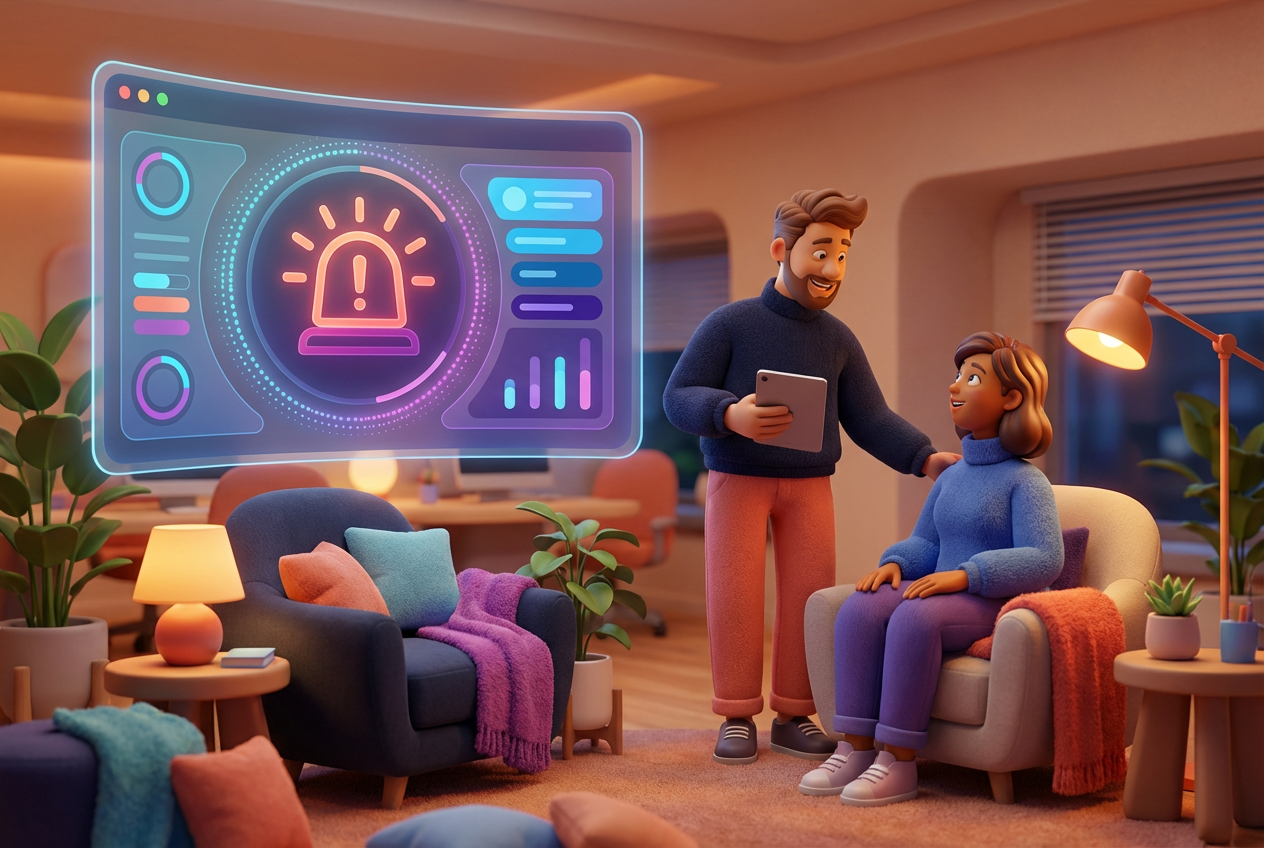
Turnover is expensive in money and in morale. Traditional HR waits for the exit interview to find out what went wrong. Predictive analytics surfaces the early warning signs of disengagement long before a resignation letter lands.
Patterns like declining participation, shifting performance metrics, or a long stretch in the same role without a new challenge can all flag risk. This is not surveillance; it is support. It gives a manager the chance to have a career conversation with a valued team member before that person starts looking elsewhere.
Compono Engage gathers the continuous feedback these models need. Combine engagement data with historical turnover trends and you can see which departments or roles are most vulnerable, then improve the employee experience there first.
Every hire is a bet on future performance. Predictive tools tilt the odds by identifying the traits and behaviours that lead to success in your specific organisation, not in some generic benchmark company.
Instead of relying on a CV, you can compare candidates against the profiles of your current high performers. That goes past skills and qualifications into cultural alignment and work style. If your data shows Pioneers thrive in your innovation team while Auditors are the stars of compliance, you can hire with far more confidence.
Compono Hire applies this intelligence to score and rank candidates in real time, predicting culture fit. It measures how a candidate will actually perform in the role, rather than how well they write a cover letter.
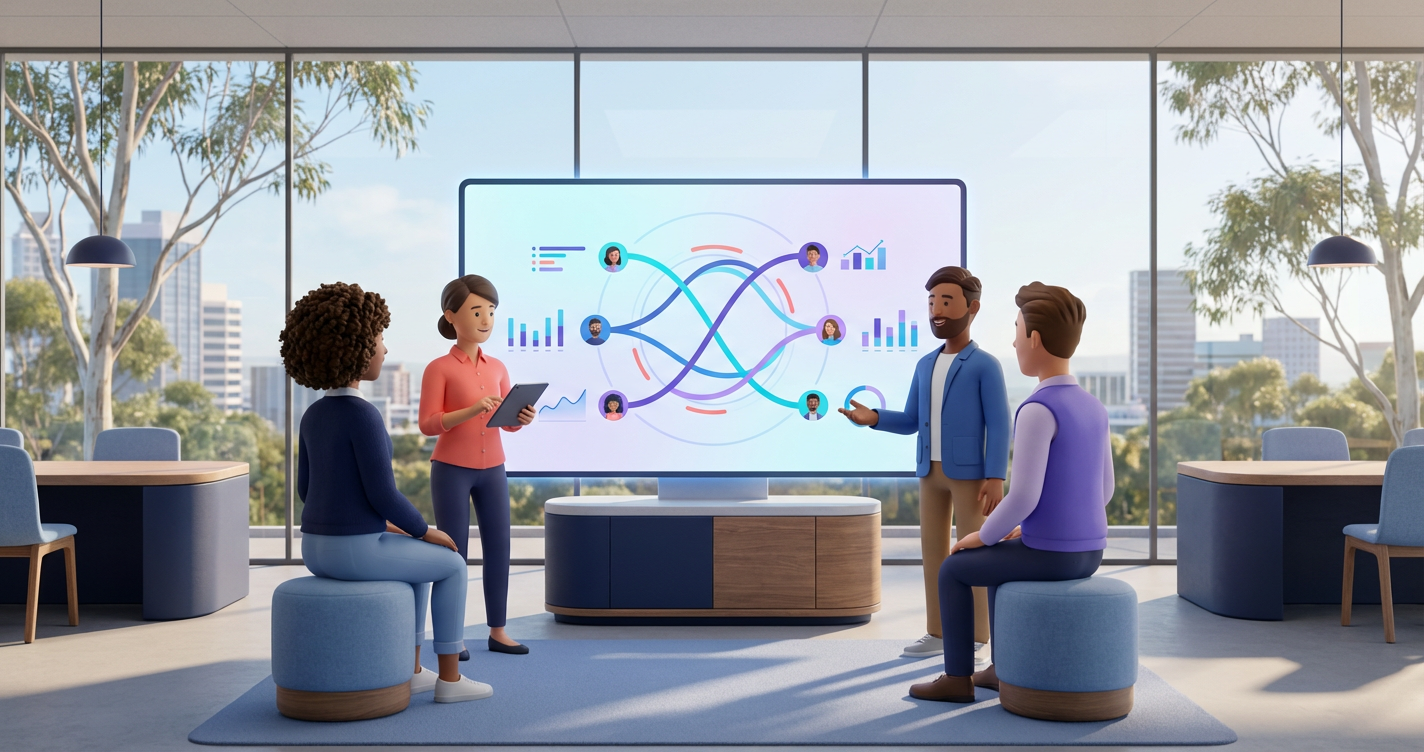
High-performing teams are constructed, not lucky. Predictive analytics shows you gaps in a team's collective capability. A team full of Campaigners without any Doers will generate plenty of ideas and struggle to execute them.
Mapping the personalities inside your teams reveals these gaps before they become performance problems. You can use that picture to shape development programs or to define exactly what your next hire needs to bring.
The precision is the point. You stop saying "we need more training" and start saying "this team needs coordination capability to keep projects on track". That specificity saves budget and produces better outcomes.
Compono connects hiring, engagement and development data so you can spot risks before they become resignations. Rated 4.8/5 on Capterra.
Talk to usHR metrics describe what has already happened, such as last year's turnover rate. HR predictive analytics uses that historical data to forecast what is likely to happen next, such as which employees are currently at risk of leaving.
No. Large enterprises often have dedicated data teams, but modern platforms build the intelligence into the software, so HR leaders can get predictive insights without a statistics degree.
Yes, provided it is used to support employees rather than monitor them. The goal should be improving the work environment, spotting development opportunities and putting people in roles where they can succeed.
You do not need decades of records. Even a year of high-quality data on hiring, performance and engagement can provide enough signal to identify meaningful patterns.
What an HR intelligence platform is, how it differs from an HRIS, and how people data improves hiring, engagement and development decisions.
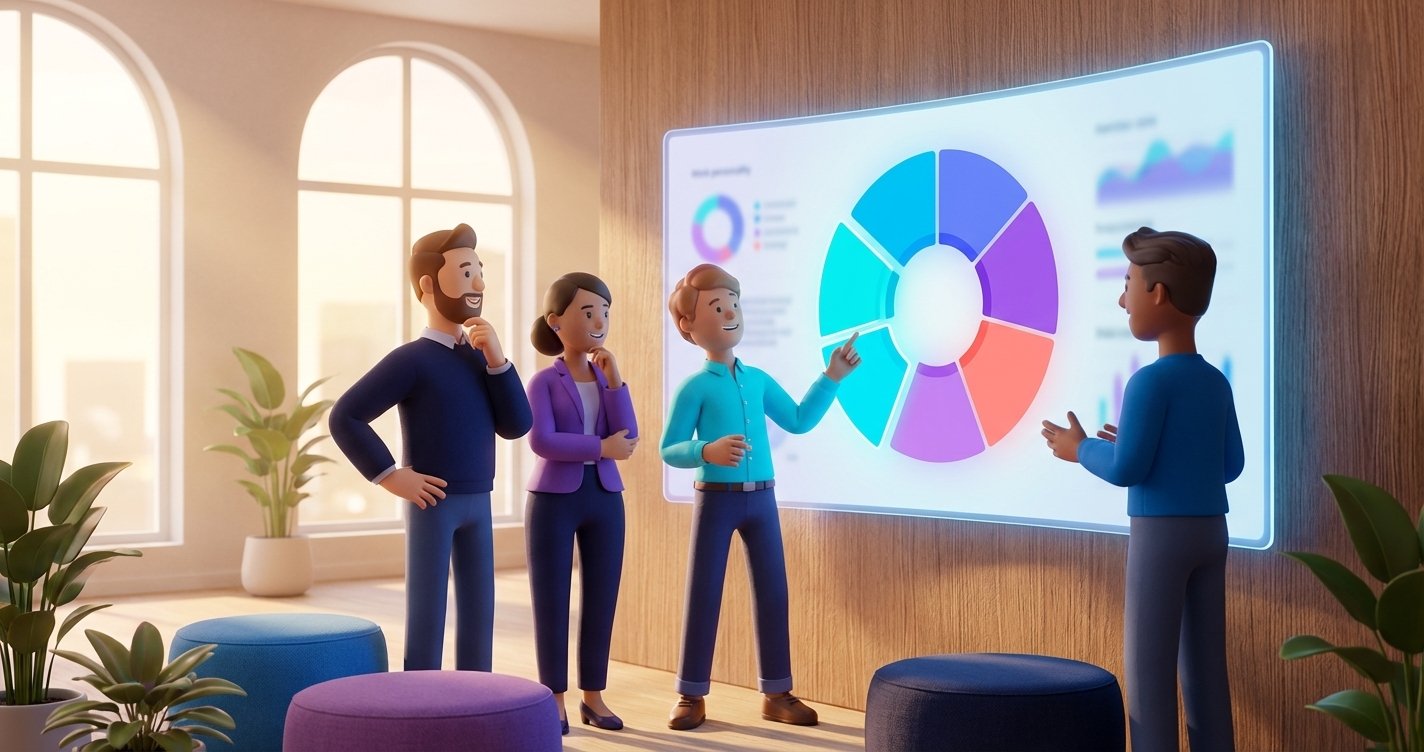
What a workforce intelligence platform does, how it differs from an HRIS, and how people data improves hiring, team design and engagement.

What a people intelligence platform is, how it differs from an HRIS, and how behavioural data sharpens hiring, engagement and retention decisions.