

.webp)

 Mathan Allington
How a people intelligence platform transforms team performance
 Mathan Allington
What a people intelligence platform is, how it differs from an HRIS, and how behavioural data sharpens hiring, engagement and retention decisions.
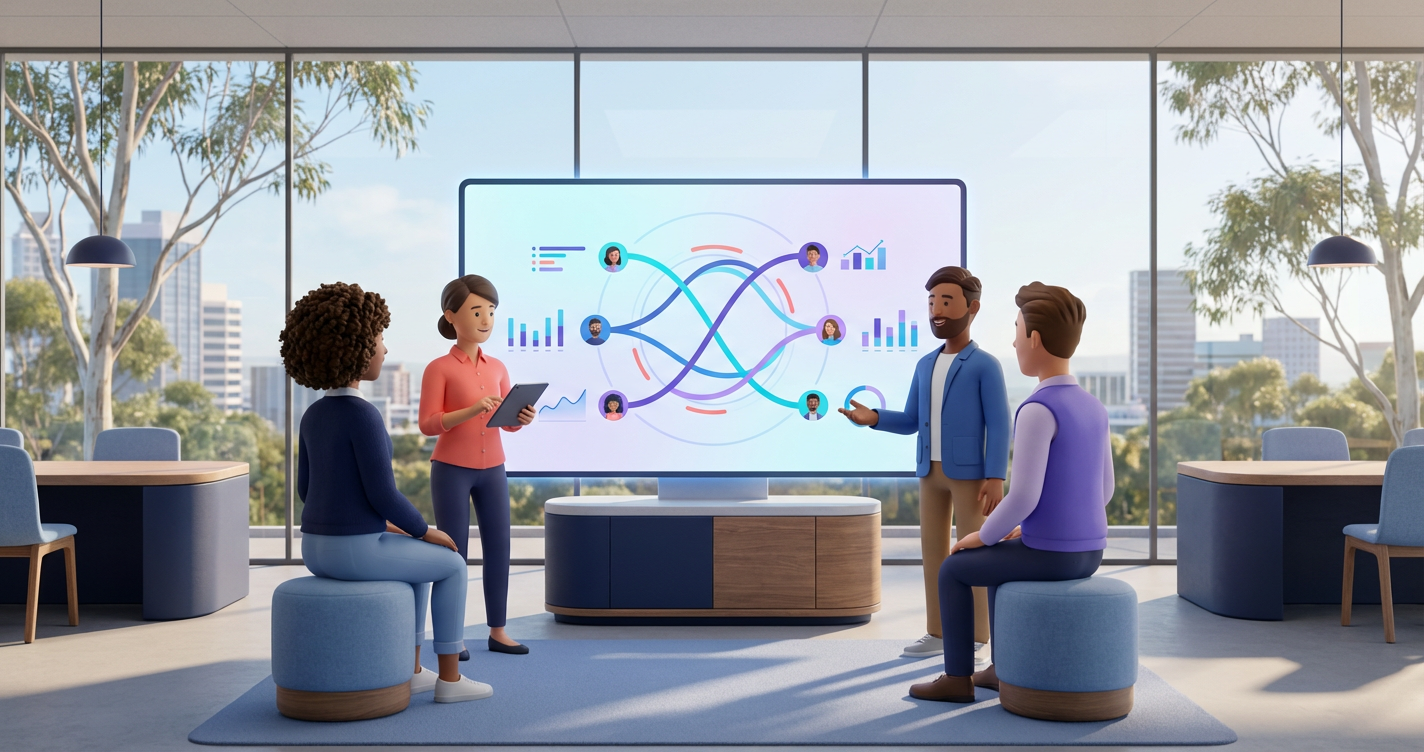
An HR intelligence platform is software that turns people data into decisions across the employee lifecycle: who to hire, how to engage them, and where to develop them. Where an HRIS stores records, an intelligence platform explains patterns, using behavioural assessment and analytics to show why teams perform and what to change.
Last reviewed July 2026.
Key takeaways
- HR intelligence goes beyond data storage to explain team behaviour and individual work personalities.
- Objective assessment reduces bias by ranking candidates on fit and capability rather than intuition.
- Engagement improves when people's natural work preferences match their daily responsibilities.
- A consistent fit benchmark protects culture through periods of rapid hiring.
Managing a workforce used to run on gut feel. You hired someone because they interviewed well, or promoted the manager with the longest tenure. In practice those methods produce expensive mistakes: high turnover, cultural mismatches, and teams that never quite click.
The problem is rarely a lack of information. Most businesses are swimming in spreadsheets and exit interview notes. The gap sits between having raw data and understanding what makes people tick. Without that understanding, some teams hum with productivity while others are bogged down in constant friction, and nobody can say why. An HR intelligence platform closes the gap by giving you a scientific lens on how each person works and how they fit the wider organisation.

The first shift is objective measurement. Validated assessments reveal the natural work preferences of your staff, without pigeonholing anyone. A Doer finds satisfaction in different work than a Pioneer, and knowing that in advance changes how you build roles and teams.
The same logic applies to hiring. A CV tells half the story. Compono Hire assesses candidates on organisation fit, skills and qualifications at the same time, so each new hire is both capable of the job and naturally inclined to thrive in your culture. When you can also see that a team is heavy on Evaluators but short on Campaigners, you finally have the "why" behind its performance and a concrete way to balance it.
Engagement is often treated as a soft metric, yet it lands directly on the bottom line. An intelligence platform treats it as a science by measuring the alignment between a person's work personality and their daily responsibilities. When people spend energy on work they are naturally motivated to do, engagement follows without a program to force it.
A Helper's empathy makes them exceptional in high-touch service roles, and the same person will wilt in an aggressive, isolated sales environment. Platforms like Compono Engage flag these misalignments early and show which leadership style, directive, democratic or non-directive, best supports the mix of personalities in each department. That is the move from crisis management to proactive people leadership.

One-size-fits-all training ignores individual aspiration. An intelligence platform maps development pathways from a person's natural strengths to the skills their next role requires. An Auditor with leadership ambitions might need targeted work on communication and conflict management, and the platform identifies that gap and points the training budget at it.
Connecting development data with performance insight also keeps learning honest: you invest in the skills that measurably matter to your business, and employees see a future worth staying for. Tailored growth is one of the strongest retention levers a mid-market company has.
Culture dilution is one of the biggest risks in a fast-scaling company. When you hire dozens of people a month, the traits that made the business successful can quietly wash out. An intelligence platform acts as a guardian by giving every recruiter and hiring manager the same benchmark for fit, so your values hold even as headcount doubles.
This matters most for multi-site businesses and franchises, where consistency across locations cannot rely on the founder being in the room. A shared, data-backed picture of your ideal culture keeps standards uniform whether someone works at head office or a remote site.
Compono connects hiring, engagement and development intelligence so every people decision is one you can defend.
Talk to usIt is software that goes beyond HR administration to provide insight into employee behaviour, work personalities and team composition, then applies that insight to hiring, engagement and development decisions.
An HRIS is a system of record: it stores employee data, payroll details and documents. An intelligence platform is a system of insight: it analyses behavioural and engagement data to explain performance and predict fit, usually sitting alongside your HRIS rather than replacing it.
Yes. Scientifically validated assessments rank candidates on fit and capability against consistent criteria, which moves decisions away from the subjective impressions where unconscious bias does its damage.
Mid-market companies of roughly 60 to 1,000 staff often benefit most. They have enough complexity to need the data and enough agility to act on the insights quickly, with hiring quality improvements typically visible within the first few months.

What a people intelligence platform is, how it differs from an HRIS, and how behavioural data sharpens hiring, engagement and retention decisions.
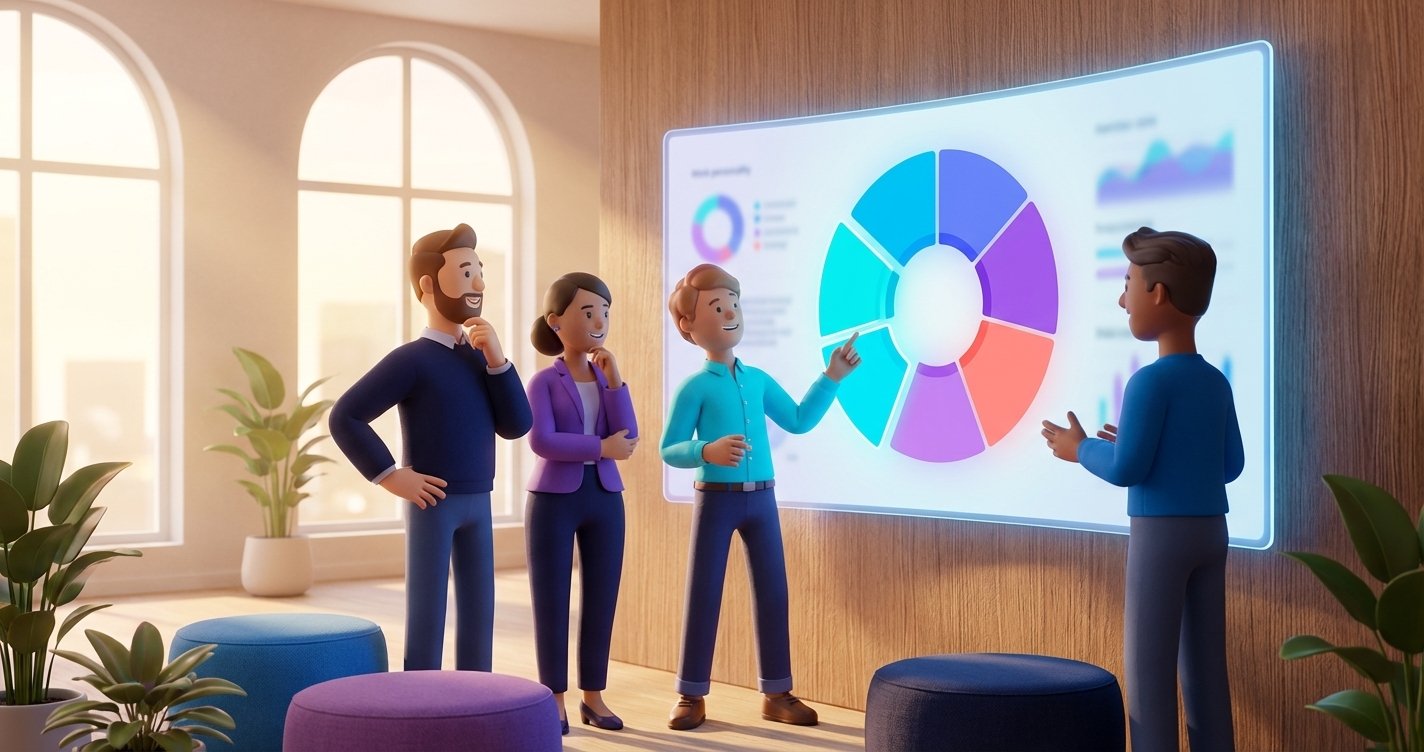
What a workforce intelligence platform does, how it differs from an HRIS, and how people data improves hiring, team design and engagement.
What HR predictive analytics is, how it forecasts turnover and hiring success, and how to start using your people data to make better decisions.