

.webp)

 Mathan Allington


1 min read
How does culture fit hiring work in retail
 Compono
Culture fit hiring in retail works by identifying candidates whose natural work behaviours and personal values align with your brand’s service...
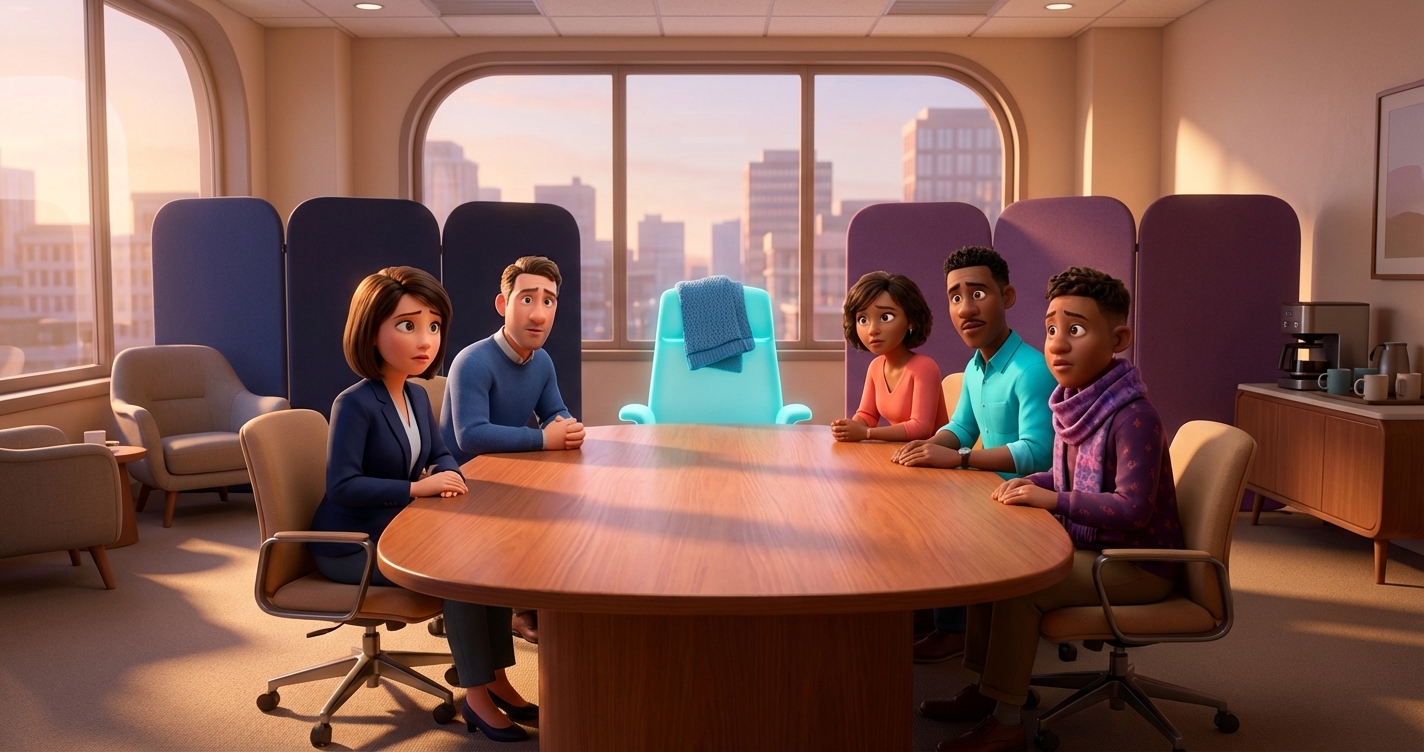
Hiring the wrong people costs far more than a replacement salary. It drains team morale and productivity, weakens cultural alignment, and studies put the total impact at roughly 1.5 to 2 times the employee's annual salary once lost momentum and rehiring are counted. The fix is to hire on fit and work personality, not just resume and interview.
Last reviewed July 2026
We have all been there. A candidate looks perfect on paper and shines in the interview, then three months later the cracks show. The mismatch isn't always about a lack of skill. Often it is a clash of work preferences or a misread of how that person fits your existing team. Understanding the root causes is the first step towards a more resilient, high-performing workforce.
Key takeaways
- The financial impact of a bad hire often reaches 1.5 to 2 times annual salary once lost productivity and recruitment costs are counted.
- Cultural misalignment is a primary driver of turnover, yet it is the hardest element to measure in a traditional interview.
- Objective data and work personality insight reduce reliance on gut feel, leading to more predictable hiring outcomes.
- High-performing teams need a balance of work personalities so every essential team activity is covered.
When we talk about hiring the wrong people, the conversation usually starts with the recruitment fee or the cost of the job ad. The ripple effect goes much deeper. Every time a new starter fails to integrate, the rest of the team picks up the slack, which leads to burnout and a dip in engagement. That is a serious drain on your most valuable resource, your people.
Beyond the direct financial loss sits the quiet cost of lost momentum. Projects stall, client relationships strain, and the knowledge shared during onboarding walks straight back out the door. Compono has seen how these setbacks are avoided by shifting focus from filling a seat to understanding the deeper intelligence of your workforce.
Then there is the cultural cost. When a new person doesn't share the team's values or work style, it creates friction. That friction slows decisions and can push your best performers towards the exit. It is an expensive cycle to break, and a necessary one if you want to protect your culture and high performance.

The traditional hiring process leans too heavily on self-reported data and subjective interviews. Resumes tell us what someone has done, rarely how they did it or how they will behave in your environment. Interviews, useful as they are, often reward whoever is best at being interviewed rather than whoever is the best fit. That is where many organisations end up hiring the wrong people.
You need to look at the whole person to find the right fit. That means skills and qualifications, plus organisation fit, which covers personality and work preferences. You might hire a brilliant technical expert, but if they work alone in a role that needs constant collaboration, they will struggle. That kind of misalignment is a major reason new hires fail within the first year.
Bringing objective assessments into the early stages of recruitment lets you filter for more than technical ability. Compono Hire assesses candidates across multiple dimensions, including personality fit, and predicts culture fit. That helps remove the unconscious bias that leads us to hire people just like us rather than the people the team actually needs.
Every high-performing team needs a mix of strengths. If your team is full of big-picture thinkers but has nobody who enjoys the detail, you will have plenty of ideas and very little execution. Hiring the wrong people often happens when we hire for a role in isolation, without considering the existing team's shape.
Compono groups these preferences into eight work personalities: Doer, Auditor, Helper, Advisor, Pioneer, Campaigner, Evaluator and Coordinator. A Pioneer is great for innovation and risk-taking, while a Coordinator is essential for structure and efficiency. If your team keeps missing deadlines, you probably don't need another Pioneer, you need a Coordinator. Seeing these gaps lets you hire with precision.
When you understand the work personality of your current staff, you can pinpoint what is missing. That prevents the common mistake of hiring a great candidate who only adds to the team's existing imbalances. Instead you can find the specific missing piece that lifts the whole group's performance.
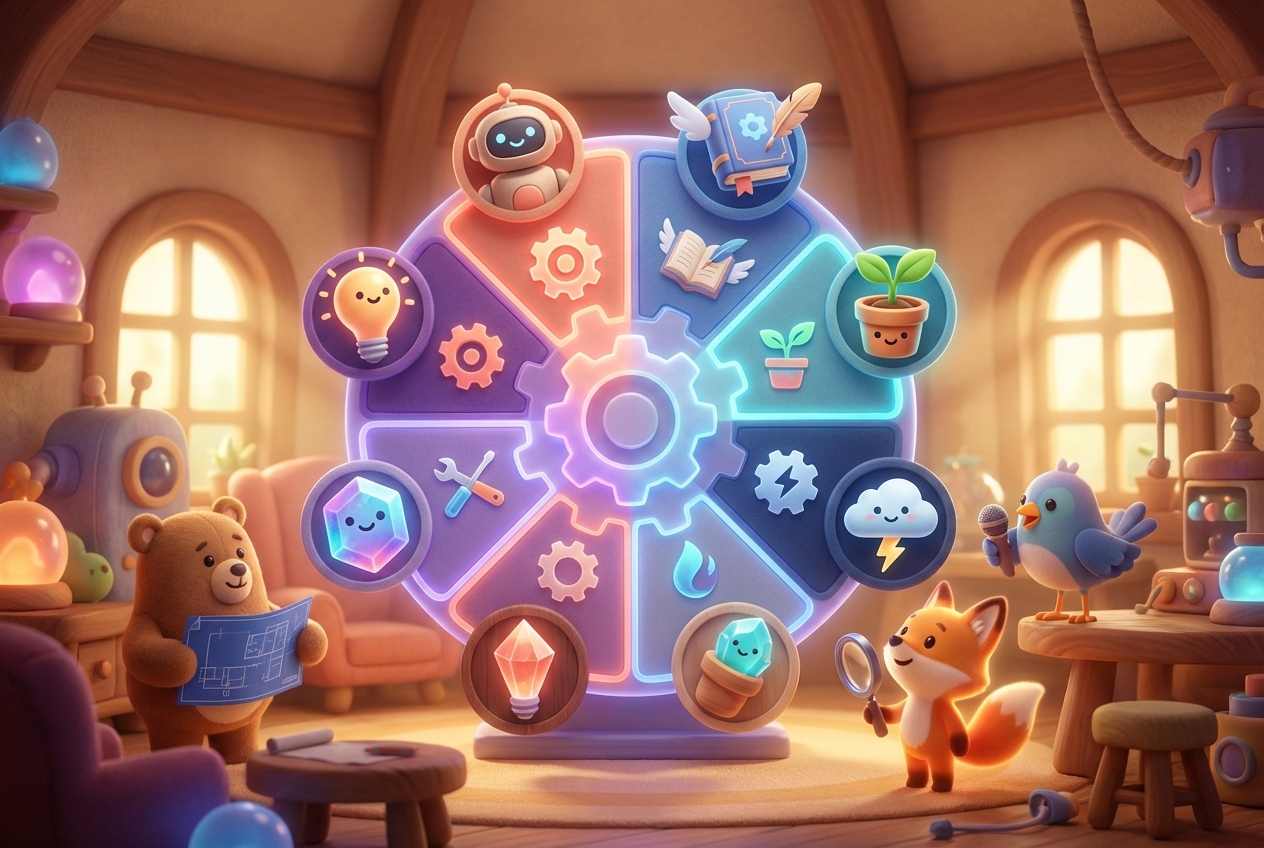
Culture is not static. It is built and reinforced by every person you bring in. If you keep hiring the wrong people, your culture eventually erodes. A culture-first strategy does not mean hiring people who all think the same way. Genuine cultural health comes from culture add: people who share your core values but bring different perspectives and work styles.
To get there, you have to be crystal clear about what your culture actually is. Fast-paced and competitive, or supportive and collaborative? Once you define it, you can measure how well a candidate aligns with that environment. The question shifts from "do I like this person?" to "will this person thrive here and help us succeed?".
A workforce intelligence platform like Compono helps you close the gap between intuition and evidence. By mapping your current culture and the traits of your top performers, you create a benchmark for future hires. That cuts the risk of a gut-feel mistake that costs the business time and money later.
Key insights
- Hiring mistakes often come from focusing on technical skills while ignoring personality and cultural alignment.
- The cost of a bad hire includes tangible financial losses and intangible damage to team morale and momentum.
- Objective personality assessments provide the data to move past the limits of interviews and resumes.
- Successful teams need a diverse mix of work personalities, such as Pioneers, Coordinators and Helpers, to function well.
- A data-driven recruitment process reduces bias and improves long-term retention.
Compono Hire ranks candidates on work personality and culture fit, so you hire the missing piece your team needs. We can walk you through it on a real role.
Talk to usIt varies by industry, but most estimates land between 1.5 and 2 times an employee's annual salary. That includes recruitment fees, onboarding time, lost productivity and the eventual cost of finding a replacement.
Interviews are subjective and prone to unconscious bias. Candidates can perform well in an interview without having the work style or personality traits the actual role and team require.
Culture fit can slide into hiring in your own image, which limits diversity. Culture add means finding people who share your core values but bring different perspectives, skills and work personalities that strengthen the team.
Data from personality and work preference assessments gives an objective view of a candidate's likely behaviour and fit. You can compare them against the specific needs of a team rather than a recruiter's gut feeling.
Yes. If a person's work personality or values are fundamentally at odds with the team or the culture, their technical skills won't prevent friction, low engagement or eventual turnover.

1 min read
Culture fit hiring in retail works by identifying candidates whose natural work behaviours and personal values align with your brand’s service...
1 min read
Science-backed hiring means using objective data, validated psychological assessments and structured interviews to predict how a candidate will...

1 min read
The most common hiring mistakes come from relying on gut feel instead of objective data: prioritising skills over behaviour, letting unconscious bias...
 Mathan Allington