

.webp)

 Compono


Predictive hiring software: how to stop guessing and start deciding
 Mathan Allington
What predictive hiring software is, how it cuts bad hires and turnover, and how behavioural data makes hiring decisions you can defend.
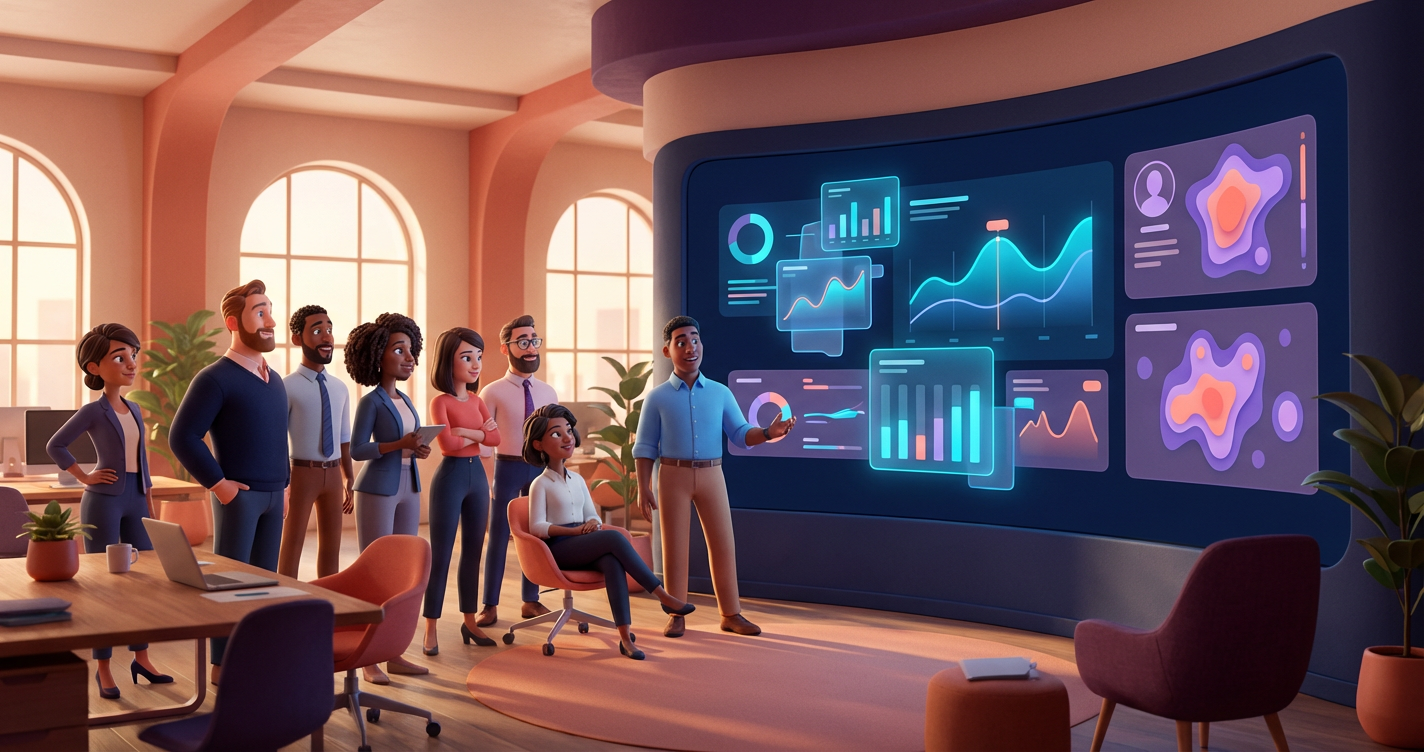
Hiring bias software reduces unconscious prejudice by replacing subjective gut feelings with objective, data-driven assessments during the recruitment process.
By automating the initial screening stages and focusing on proven skills and cultural alignment, these tools help you build more diverse, high-performing teams without the interference of hidden human biases. In today’s workplace, ensuring every candidate gets a fair go is not just an ethical choice – it is a strategic necessity for long-term business success.
Key takeaways
- Unconscious bias often leads to hiring managers selecting candidates who mirror their own traits rather than the best person for the role.
- Hiring bias software uses standardised assessments and blind screening to ensure candidates are evaluated on merit and potential.
- Objective data helps teams move away from 'culture fit' as a vague excuse for exclusion and towards 'organisation fit' based on shared values.
- Implementing these tools leads to higher employee retention and more innovative, diverse team environments.
We have all been there. You look at a resume, see a familiar university or a previous employer you respect, and suddenly that candidate feels like a 'perfect fit'. On the flip side, a name that is hard to pronounce or a gap in a career timeline might trigger a subtle, often unconscious, hesitation. This is the reality of human nature – our brains are hardwired to seek patterns and safety in the familiar. However, in a professional setting, these mental shortcuts are known as cognitive biases, and they are quietly undermining your recruitment efforts.
When we rely on our instincts, we inadvertently create 'mini-me' teams. We hire people who talk like us, look like us, and share our background. While this might feel comfortable in the short term, it leads to groupthink and a lack of innovation. Research consistently shows that diverse teams are more profitable and better at problem-solving, yet traditional hiring methods continue to filter out brilliant talent simply because they do not fit a narrow, subjective mould. This is where hiring bias software becomes an essential part of the modern HR toolkit.
The problem is not that hiring managers are intentionally exclusionary. Most people genuinely want to hire the best person for the job. The issue is that we cannot simply 'turn off' our biases through willpower alone. We need systems that act as guardrails, ensuring that the data speaks louder than the assumptions. By centralising the evaluation process, we can start to see candidates for what they can actually do, rather than who we think they might be based on a two-page document.
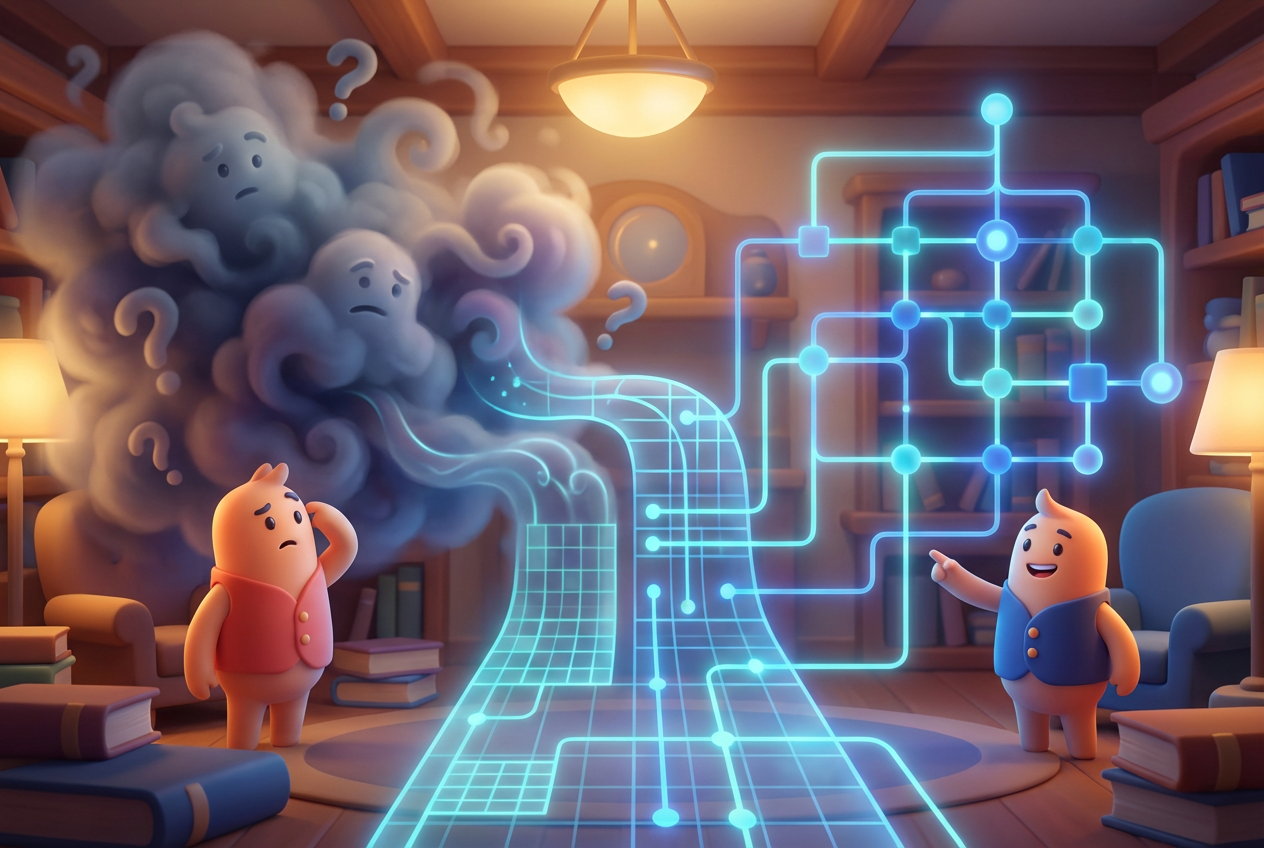
Hiring bias software works by introducing objective friction into the process. Instead of a recruiter spent five seconds scanning a resume for keywords or familiar logos, the software requires a more structured approach. One of the most effective methods is blind recruitment. By stripping away identifying information – such as names, ages, gender, and even specific graduation years – the software forces the reviewer to focus entirely on the candidate’s skills and experience.
Another key feature of these platforms is the use of standardised assessments. When every candidate answers the same set of questions or completes the same task under the same conditions, you create a level playing field. It is no longer about who had the most 'vibrant' conversation during the initial phone screen; it is about who demonstrated the highest level of competency for the specific requirements of the role. This shift from subjectivity to objectivity is the cornerstone of fair hiring.
At Compono, we have seen how moving toward a data-led approach transforms team dynamics. Our Compono Hire module is designed to assess candidates across multiple dimensions, including skills and qualifications, ensuring that your first impression is based on evidence rather than an unconscious reaction to a resume layout or a candidate's name.
The term 'culture fit' is often the biggest hiding place for bias. Too often, it is used as a catch-all phrase to reject candidates who do not socially 'mesh' with the existing team. If someone doesn't seem like they would be fun to grab a coffee with, they are labelled a poor culture fit. This approach is dangerous because it prioritises social similarity over professional contribution. To build a truly high-performing team, we need to redefine what 'fit' actually looks like.
Modern software helps you pivot from 'culture fit' to 'organisation fit'. This means looking at whether a candidate’s work personality and values align with the core mission of the business. Are they a Pioneer who will drive innovation, or perhaps an Auditor who will ensure the precision your compliance team requires? When you have a clear map of your team’s existing personalities, you can identify the specific gaps you need to fill to reach peak performance.
By using science-based assessments, you can determine if a candidate has the natural work preferences to succeed in your environment. For instance, a team full of Doers might desperately need a Campaigner to help sell their dream to the rest of the business. This is not about finding someone who is identical to the current team; it is about finding the missing piece of the puzzle. This objective approach ensures that diversity is celebrated as a functional benefit rather than just a checkbox exercise.
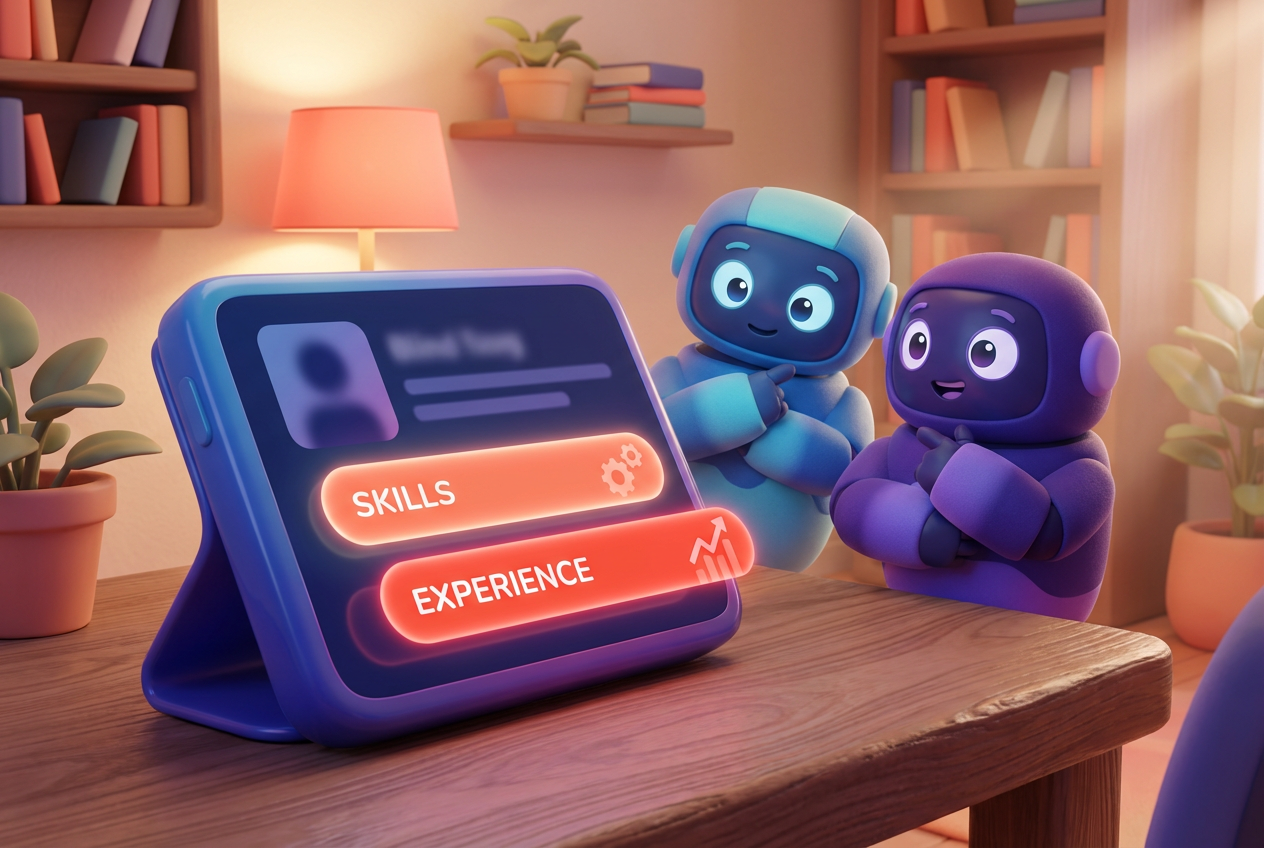
Bias thrives in the shadows of inconsistency. When interviewers ask different questions to different candidates, or when the criteria for success change mid-way through the hiring process, prejudice finds a way in. Hiring bias software enforces a consistent workflow that protects both the candidate and the employer. By requiring a structured interview process, the software ensures that every person is measured against the same benchmarks.
This level of structure also provides a wealth of data for long-term improvement. When you can track the journey of every applicant, you can start to see where certain groups might be dropping out of your funnel. Are your job descriptions inadvertently using gendered language that discourages certain applicants? Is a particular assessment stage creating an unnecessary barrier for neurodivergent talent? With the right software, these patterns become visible, allowing you to iterate and improve your process over time.
At Compono, we believe that workforce intelligence is the key to unlocking this potential. By using our Business Platform, you can gain a deeper understanding of your current workforce DNA, which in turn allows you to write more inclusive job descriptions and set fairer evaluation criteria. It is about creating a cycle of continuous improvement that benefits everyone involved.
The benefits of using hiring bias software extend far beyond the initial job offer. When you hire someone based on objective data and a genuine alignment of values, they are significantly more likely to stay with your organisation. Retention issues often stem from a disconnect between a candidate's true self and the 'persona' they felt they had to project to pass a subjective interview process. When the hiring process is transparent and fair, the 'match' is more authentic.
Furthermore, a fair hiring process builds trust. Employees who know they were hired because they were truly the best person for the job – and who see their colleagues being hired through the same rigorous, unbiased process – feel a greater sense of belonging and respect for the organisation. This cultural foundation is essential for maintaining high levels of engagement and performance. When people feel that the system is fair, they are more willing to give their best work.
To truly understand how this impact scales, you can explore The Compono Culture, Engagement & Performance Model. It illustrates how the initial hiring decision ripples through the entire employee lifecycle, ultimately dictating whether a team succeeds or stagnates. Fair hiring is not just the start of the journey; it is the bedrock upon which everything else is built.
Key insights
- Hiring bias software is a vital tool for moving beyond subjective 'gut feelings' and towards evidence-based recruitment.
- Blind screening and standardised assessments ensure that skills and potential are prioritised over personal background or social similarity.
- Organisation fit, based on work personality and shared values, is a more effective and inclusive metric than vague 'culture fit'.
- A structured, consistent hiring process leads to better diversity, higher retention rates, and a stronger culture of trust.
Building a fairer, more inclusive team starts with the right tools and a commitment to data over assumptions. By removing the barriers that bias creates, you open your doors to a wider pool of talent and a more innovative future.
It is a type of recruitment technology designed to reduce unconscious prejudice by using objective data, blind screening, and standardised assessments to evaluate candidates based on merit rather than subjective traits.
Not at all. The software acts as a support system for recruiters and hiring managers, providing them with better data and more objective frameworks so they can make more informed, fairer decisions.
Blind hiring involves removing identifying details from a resume – such as the candidate's name, photo, age, and gender – during the initial screening phase. This ensures the reviewer focuses solely on skills and experience.
Yes, by shifting the focus to 'organisation fit'. The software assesses work personality types and core values through validated psychological assessments, matching candidates to the work behaviours the team actually needs.
No, organisations of all sizes benefit from fairer hiring. Mid-market companies, in particular, find that these tools help them scale their culture and compete for top talent by offering a more professional and equitable candidate experience.

What predictive hiring software is, how it cuts bad hires and turnover, and how behavioural data makes hiring decisions you can defend.

Bulk hiring software explained: automate screening, rank candidates on culture fit and fill dozens of roles fast without lowering your hiring...
.jpg)
Discover why we invest more in tech research than hiring decisions and learn effective strategies for building better teams through "Inside-Out"...
 Daryl Ning