

.webp)

 Compono


1 min read
How to choose the right employee experience platform
 Mathan Allington
An employee experience platform is software that centralises and improves every touchpoint an employee has with their organisation, from onboarding...

Employee engagement software that tells you what to fix is the difference between measuring a problem and actually solving it.
Key takeaways
- Most engagement tools provide a score but leave leaders guessing what actions will actually improve it.
- Modern platforms connect survey data to specific, actionable recommendations for managers.
- Effective software tracks follow-through to ensure interventions actually shift team performance.
- Organisations need tools that diagnose the root cause of disengagement, rather than just reporting the symptoms.
We see it happen every quarter. An organisation rolls out an extensive survey, gathers hundreds of responses, and generates a beautiful dashboard showing a 6.4 out of 10 for "leadership communication". The HR team presents the findings to the executive board. The executives nod, agree that communication needs work, and ask managers to "focus on it".
Six months later, the score is exactly the same.
The breakdown occurs because knowing a score is low does not tell a manager how to raise it. The real value of employee engagement tools comes from turning insights into clear priorities, supporting manager follow-through, and creating visible change employees can trust. When your technology stops at the reporting phase, you are paying for a thermometer when you actually need a treatment plan.
For years, the HR technology market has focused heavily on continuous listening. Employee engagement software centralises pulse surveys, feedback channels, recognition programs, and analytics so HR and managers can spot disengagement early. Spotting the issue is a great first step. The failure happens when the platform expects a busy middle manager to interpret the data and invent a psychological intervention on the spot.
Managers are usually promoted for their technical competence, not their background in behavioural science. When a dashboard tells a sales manager that their team's "psychological safety" is trending downward, that manager often has no idea what specific daily behaviours need to change. They might schedule an extra team lunch, hoping it helps. It rarely does.
This is why workforce engagement and why it's the key to organisational success relies heavily on the translation of data into practice. If the software cannot tell you what to fix, it is just generating administrative overhead.

Employee engagement software that tells you what to fix operates on a different fundamental logic. It uses the data to trigger specific, context-aware recommendations. Instead of just highlighting a low score in "role clarity", it suggests a structured 15-minute alignment meeting format for the manager to run that week.
Typical engagement platforms include manager action plans and team-level dashboards that turn scores into site-level fixes. This localised approach is critical. A company-wide initiative to improve "wellbeing" is too broad to be effective. A site-level prompt telling a specific manager to review workload distribution among three specific team members is highly effective.
The Compono Engage platform is built around this exact principle. It identifies the friction points within a team and provides the manager with the exact next steps needed to resolve them, removing the guesswork from team leadership.
A diagnostic tool is useless if the patient ignores the prescription. The same applies to workplace culture. You need a system that closes the loop between the recommended action and the subsequent change in behaviour.
The most effective platforms connect survey results to recommended actions, track follow-through at the manager and team level, and show how changes in practice affect subsequent engagement data. This accountability mechanism separates high-performing cultures from those that merely talk about culture.
When a platform tracks whether the recommended fixes were actually implemented, HR leaders can finally see what works. You move beyond 360-degree feedback and enter the realm of system intelligence, where you can prove that a specific management intervention led to a measurable decrease in turnover risk.
Engagement issues are rarely one-size-fits-all. A drop in motivation for one employee might stem from a lack of autonomy, while for another, it might be a lack of clear structure. Generic fixes fail because they ignore the individual's natural work preferences.
Software that tells you what to fix must factor in who is doing the work. By understanding the behavioural makeup of the team, the platform can suggest interventions that actually resonate. The Compono Culture, Engagement & Performance Model demonstrates how aligning work activities with natural work personalities prevents disengagement before it starts.
When a manager knows that a highly analytical team member is disengaged because they are being forced into ambiguous, unstructured tasks, the fix becomes obvious. The software highlights the mismatch and recommends a task realignment, solving the root cause rather than treating a symptom.
Key insights
- Reporting on low engagement without providing a solution creates frustration for both employees and managers.
- The best platforms provide highly specific, site-level action plans tailored to the exact issues a team is facing.
- Tying engagement data to individual work personalities allows for precise, effective interventions rather than generic corporate initiatives.
Stop paying for dashboards that only tell you your team is unhappy. Start giving your managers the exact tools and recommendations they need to fix the issues right now.
Related reading
Employee engagement software is a digital platform used by organisations to measure, analyse, and improve the relationship between employees and their work. Modern platforms gather data through surveys and feedback channels to help leaders understand team sentiment and performance drivers.
Most surveys fail because they stop at the measurement phase. They provide a score but offer no practical guidance on how to improve it. When managers are left to guess the solution, they often implement ineffective changes or do nothing at all, leading to survey fatigue among staff.
You measure the ROI by tracking the correlation between the platform's recommended actions and key business metrics. If the software tells a manager to fix a specific communication issue, and you subsequently see a reduction in staff turnover and an increase in productivity for that team, the tool is delivering a return.
Yes, by analysing patterns in the data and cross-referencing them with behavioural science. If a team consistently reports low scores in "role clarity", prescriptive software will prompt the manager with specific frameworks for setting expectations and running alignment meetings, giving them a proven playbook to follow.

1 min read
An employee experience platform is software that centralises and improves every touchpoint an employee has with their organisation, from onboarding...
1 min read
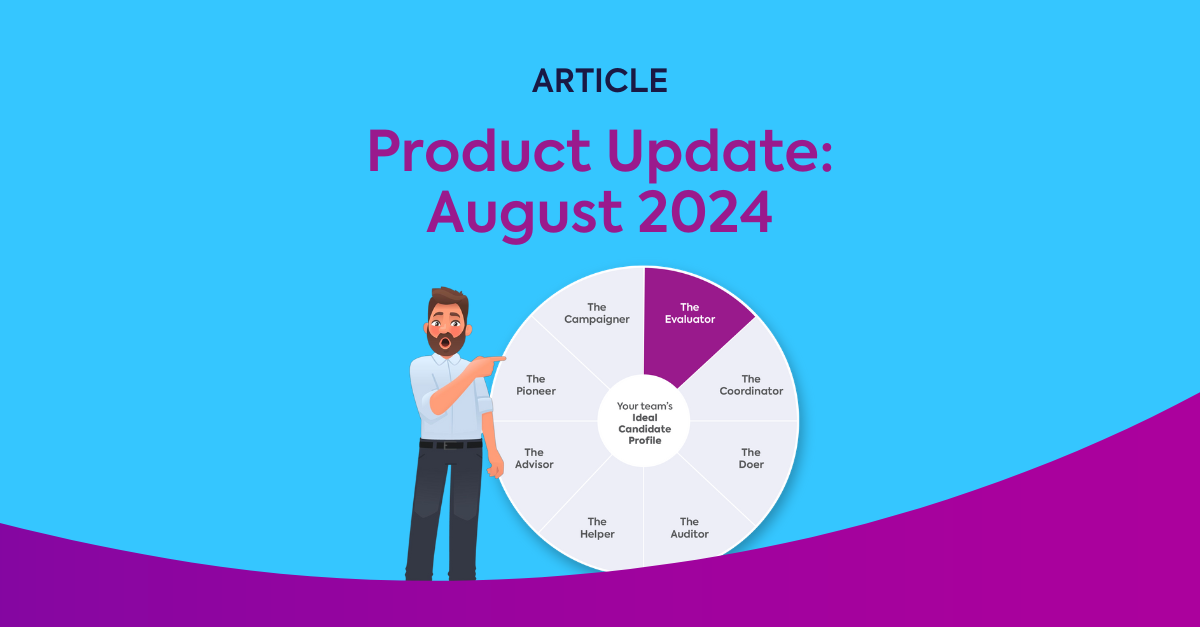
Follow our monthly product updates as we share the latest features to help you strategically design and develop teams and the work environment.

1 min read
An employee engagement platform measures, analyses and improves the relationship between an organisation and its staff using real-time feedback...
 Manisha Bullen