

.webp)

 Mathan Allington


Best culture platform for companies with 200 employees
 Mathan Allington
What to look for in a company culture platform at mid-market size: behaviour and engagement data together, team shape, and proof it changes decisions.

You choose an employee experience platform by naming the part of the experience that is actually breaking, then shortlisting on evidence, security and adoption rather than feature count. An employee experience platform is software that brings the touchpoints an employee has with their organisation into one place, from onboarding and everyday communication through to feedback, recognition and development, and gives leaders a current read on how people are doing.
Last reviewed September 2026.
The category grew out of a simple complaint. Core HR systems were built for the employer, to hold contracts, leave balances and payroll. They answer questions about the workforce as a set of records. They say very little about what it feels like to work somewhere, which is the thing that decides whether your best people stay.
An employee experience platform sits on the employee's side of that line. In practice most products in the category cover some mix of onboarding and pre-boarding, internal communication, continuous feedback and survey listening, recognition, and development or career pathways, with analytics over the top. Very few cover all of it well, which is why the selection question matters more here than in most software categories.
It is worth being clear about what it is not. It is not a replacement for your HR system of record, it is not a payroll engine, and on its own it is not a culture strategy. It is instrumentation and plumbing for the experience you design.

Start by writing down the problem in one sentence, with a number attached. "New starters take four months to get productive." "We lose a quarter of our frontline team in the first year." "We find out people are unhappy at the exit interview." A platform that fixes the sentence you wrote is the best one for your organisation, regardless of how it scores against a generic feature matrix.
From there the sequence that works looks like this. Name the two or three moments in the employee lifecycle you are fixing first. Decide what data you need to see those moments clearly, and who is allowed to see it. Shortlist three vendors, no more, because a five-vendor process usually ends in a scorecard nobody believes. Run each shortlisted product with a real team for two weeks rather than watching a demo. Then check the commercial and security detail before price, because a cheap platform your security review rejects has cost you a quarter.
One failure mode shows up repeatedly. Teams buy on the survey module, roll it out, collect a large amount of sentiment data, and then have no mechanism for acting on it. Listening without a route to action makes the experience worse, because people who answer honestly and see nothing change answer less honestly next time. Ask every vendor what happens on the day after the results land.
These are the factors that decide the outcome, and the question that tests each one during an evaluation rather than after.
| Factor | Why it decides the outcome | How to test it |
|---|---|---|
| Adoption by people who are not at a desk | A platform used by head office and ignored by the frontline gives you a biased read of the organisation. | Put it on a phone in front of a shift worker and a supervisor during the trial. Watch where they stop. |
| Manager workflow | Insight that only HR can read never reaches the team where the problem lives. | Ask to see the manager view, not the HR dashboard, and ask what a manager is prompted to do next. |
| Depth of the people data | Sentiment tells you something is wrong. Culture and work personality data help explain why. | Ask what the platform can tell you about a team beyond a score out of ten. |
| Integration with your HR system | If the org structure is wrong or stale, every cut of the data is wrong with it. | Ask which fields sync, how often, and what happens when someone changes manager mid-cycle. |
| Privacy and anonymity rules | People answer honestly only when they trust the minimum reporting threshold is real. | Ask for the threshold, whether an administrator can override it, and whether that override is logged. |
| Action tooling | Results with no action path turn listening into a survey habit people resent. | Ask to walk the path from a poor result to an owner, a commitment and a follow-up. |
| Total cost over three years | The licence is rarely the whole number once implementation and support are in. | Ask for a three-year quote including implementation, training, support tier and expected headcount growth. |
Trust in this category is worth unpacking, because the most recognised name and the most appropriate product are often not the same thing. A few things are genuinely measurable. Independent review platforms such as Capterra and G2 publish verified customer ratings, which are useful for spotting a pattern across many reviews rather than for reading any single one. Security posture can be evidenced with a current ISO 27001 or SOC 2 certificate, and any vendor can produce theirs on request. Financial stability and release cadence tell you whether the product will still be developing in three years. Reference customers of your size, spoken to without the vendor present, tell you the rest.
What is not measurable is a vendor's claim about its own category leadership. Rather than ranking brands, it is more useful to understand which kind of platform you are looking at, because the categories have genuinely different strengths.
| Type of platform | Built around | Strongest when | Weakest when |
|---|---|---|---|
| HR suite with an experience module | The system of record, extended towards engagement and onboarding. | You want one vendor, one contract and clean data lineage from the org structure. | You need depth in listening or development. The module is usually the shallowest part of the suite. |
| Engagement and survey platform | Measurement: surveys, benchmarks, action planning. | Your first problem is that you have no reliable read on how people feel. | You need the experience itself improved, not only measured. |
| Communication and intranet platform | Reaching people, especially a distributed or frontline workforce. | Information is not reaching the people who need it and connection is the gap. | You need diagnostic data. Reach is not the same as insight. |
| People data platform spanning hiring, culture and development | Understanding the people themselves, then connecting the lifecycle around that. | You want to know why a team behaves the way it does, not only that engagement dipped. | You want a single place for payroll, leave and contracts. That stays with your HR system. |
Compono sits in the last row. We are rated 4.8 out of 5 on Capterra and have been named in the Deloitte Technology Fast 50, and our employee engagement platform is built to explain the why behind a score by joining culture data with how people prefer to work. The fit boundary is honest: if what you need is an intranet, a payroll system or a recognition points store, we are not that, and a specialist in those categories will serve you better.
If the choice in front of you is really between measuring engagement and understanding culture, our guide to engagement surveys compared with culture measurement sets out what each approach can and cannot tell you.
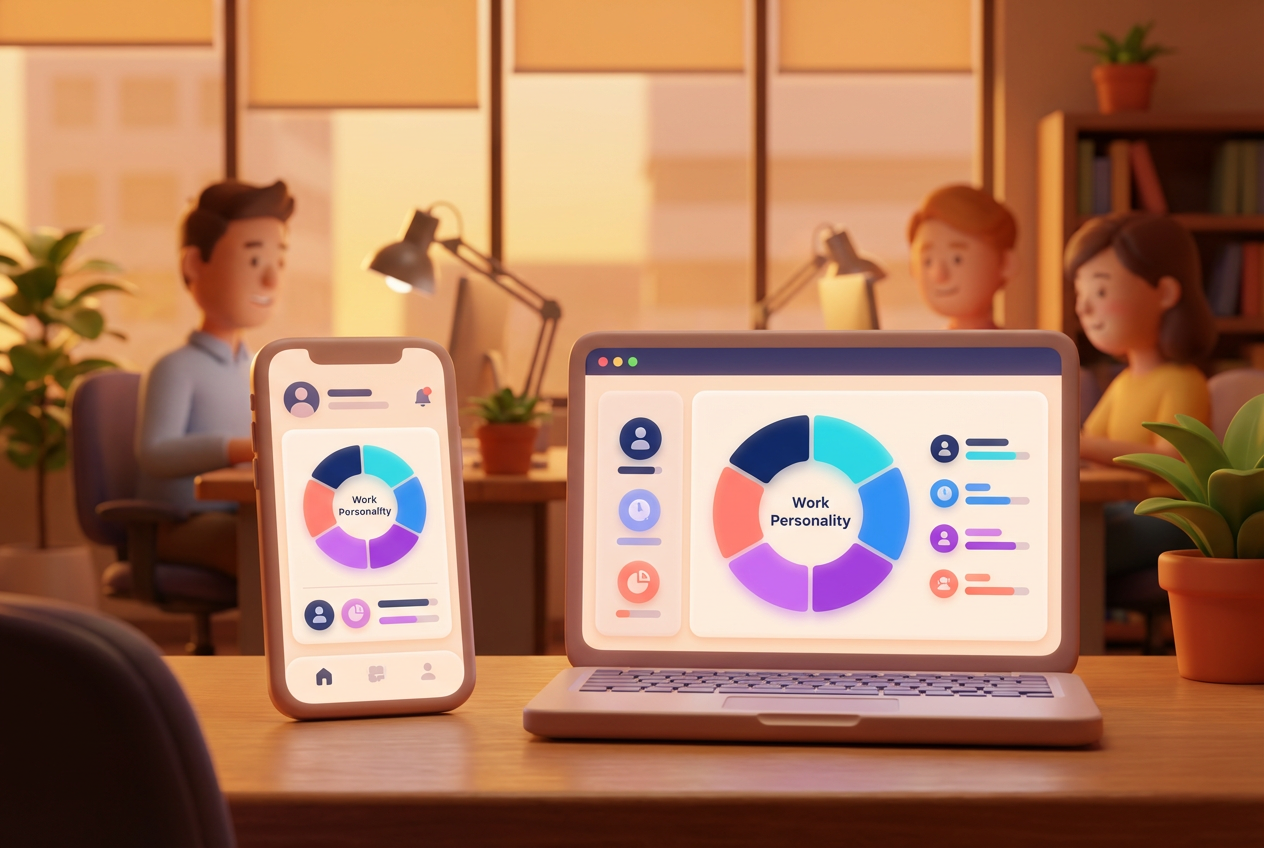
At a few hundred employees the selection is mostly about fit and adoption. Past a few thousand, a different set of requirements decides whether the rollout works, and most of them are invisible in a sales demo.
Identity and provisioning come first. Single sign-on, automated provisioning and deprovisioning from your directory, and a way to handle people who have more than one role or sit under more than one manager. Then permissions: role-based access that can model an HR business partner who sees three divisions, a manager who sees one team, and an executive who sees the rollup, with the anonymity threshold holding in every view.
Data residency and legal review come next. Where the data is hosted, which entity holds the contract, how a data processing agreement is handled across countries, and what your works council or employee representatives need to approve if you operate in Europe. Multi-entity structures need their own attention, because organisations with several legal entities, brands or acquired businesses often need separate reporting boundaries inside one tenancy.
Then the practical enterprise questions. Whether the platform supports the languages your workforce reads. Whether it meets the accessibility standard your procurement team requires. What the migration path looks like for historical survey data you do not want to lose. And what implementation actually involves: who does the work, over how many weeks, and what your team has to supply. A realistic vendor will give you a longer timeline than an optimistic one, which is usually a good sign.
Pricing in this category is almost always per employee per month, often with a minimum, and frequently with modules priced separately. Implementation is quoted as a one-off, and the number worth asking for is the three-year total at your expected headcount, not the year-one licence.
The return case is usually built on retention, because that is where the money is and it is the easiest number your finance team will accept. Here is an illustrative calculation, not a customer result. An organisation with 200 employees running at 15 percent annual turnover loses 30 people a year. Bringing that to 12 percent means 24 departures, so 6 fewer people to replace. Multiply those 6 by your own fully loaded replacement cost, which includes advertising, recruiter time, interview hours, onboarding and the productivity ramp, and you have the number to compare against the three-year quote. The employee turnover cost calculator will work that out with your figures rather than borrowed ones.
Retention is the headline, and it is not the only line. Faster time to productivity for new starters, fewer manager hours spent on avoidable conflict, and better internal mobility all show up eventually. Set the baseline before you roll out, because the most common reason these business cases fail at review is that nobody wrote down where things stood in month zero. It also helps to agree what you mean by employee engagement as a measure before you start reporting on it, so the definition does not drift between one survey and the next.
For a wider view of the category and the adjacent tools, our guide to employee experience software covers what each type of product handles across the lifecycle.
Compono Engage gives you a current read on culture, sentiment and how your teams prefer to work, so you can act on a problem months before it becomes a resignation.
Talk to usIt is software that brings the touchpoints an employee has with their organisation into one place, covering some mix of onboarding, internal communication, feedback and listening, recognition and development, with reporting over the top. It sits alongside your core HR system rather than replacing it.
Write the problem you are fixing in one sentence with a number attached, shortlist no more than three vendors, and trial each one with a real team rather than watching a demo. Check identity, permissions and security before you negotiate price, because a product your security review rejects has already cost you time.
An HRIS is the system of record for administrative data such as payroll, leave and contracts. An employee experience platform is built around the employee's day to day, focusing on engagement, communication, feedback and development. Most organisations run both, with the HRIS holding the record and the experience platform driving the decisions.
Judge trust on things that can be evidenced: verified customer ratings across many reviews, a current security certificate, release cadence over the past year, and reference calls with customers of your size held without the vendor on the line. A vendor's own claim to category leadership is not evidence.
Single sign-on and automated provisioning, role-based access that holds the anonymity threshold in every view, data residency and processing agreements across countries, multi-entity reporting boundaries, language coverage, the accessibility standard, and a migration path for historical survey data.
Most business cases are built on retention, comparing a realistic reduction in turnover against the three-year total cost, using your own replacement cost per departure. Set your baseline before rollout, and track time to productivity for new starters alongside turnover so the case does not rest on a single number.

What to look for in a company culture platform at mid-market size: behaviour and engagement data together, team shape, and proof it changes decisions.

What an employee engagement platform does day to day, why pulse feedback beats annual surveys, and how work personality data makes it feel personal.

Where Culture Amp surveys and benchmarking are strong, which teams it suits, and the gaps to plan for if you need culture and hiring data together.