
.webp)
.png?width=383&height=200&name=team%20(1).png)
 Mathan Allington


1 min read
Effective performance drivers at work for modern teams
 Mathan Allington
Performance drivers at work are the individual motivations, environmental conditions and team dynamics that determine how effectively people deliver....
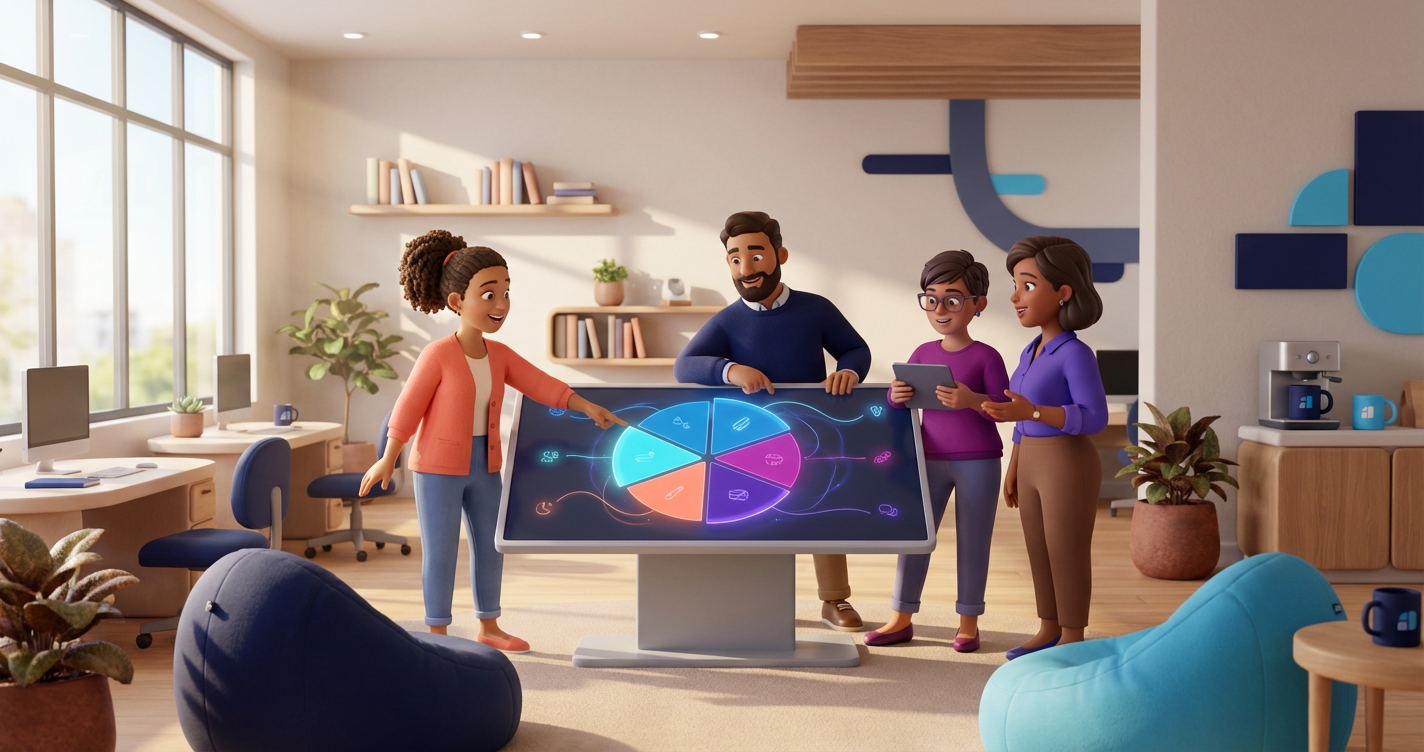
A modern Criteria assessment alternative combines personality fit, organisational alignment and skills data to predict long-term success, not just baseline ability. Traditional testing tells you what a candidate can do. A rounded approach helps you see how they will actually behave inside your team.
Last reviewed July 2026.
Key takeaways
- Modern alternatives go past cognitive testing to read how a candidate's work personality aligns with your team culture.
- Broader assessment platforms support the whole employee lifecycle, from first hire to leadership development.
- Reducing bias works better with multi-dimensional screening that weighs organisational fit alongside technical skill.
- Workforce intelligence lets managers predict friction and collaboration styles before a new hire starts.
For a long time, recruitment meant checking boxes. You read a resume, ran a few skills tests and maybe used a basic cognitive assessment. Criteria Corp built a solid reputation for that kind of validated testing. Many hiring managers now look for a Criteria assessment alternative because high test scores do not always translate into a high-performing employee. The missing link is usually how that person works with others and handles the specific pressures of your workplace.
Understanding a person's natural work preferences is the key to building teams that last. When you only measure what someone can do, you miss what they will do when things get hard. A candidate might be a brilliant coder or a sharp accountant, and if their communication style clashes with your lead project manager, that technical skill becomes secondary to the friction. Modern teams want deeper insight into the human side of work.
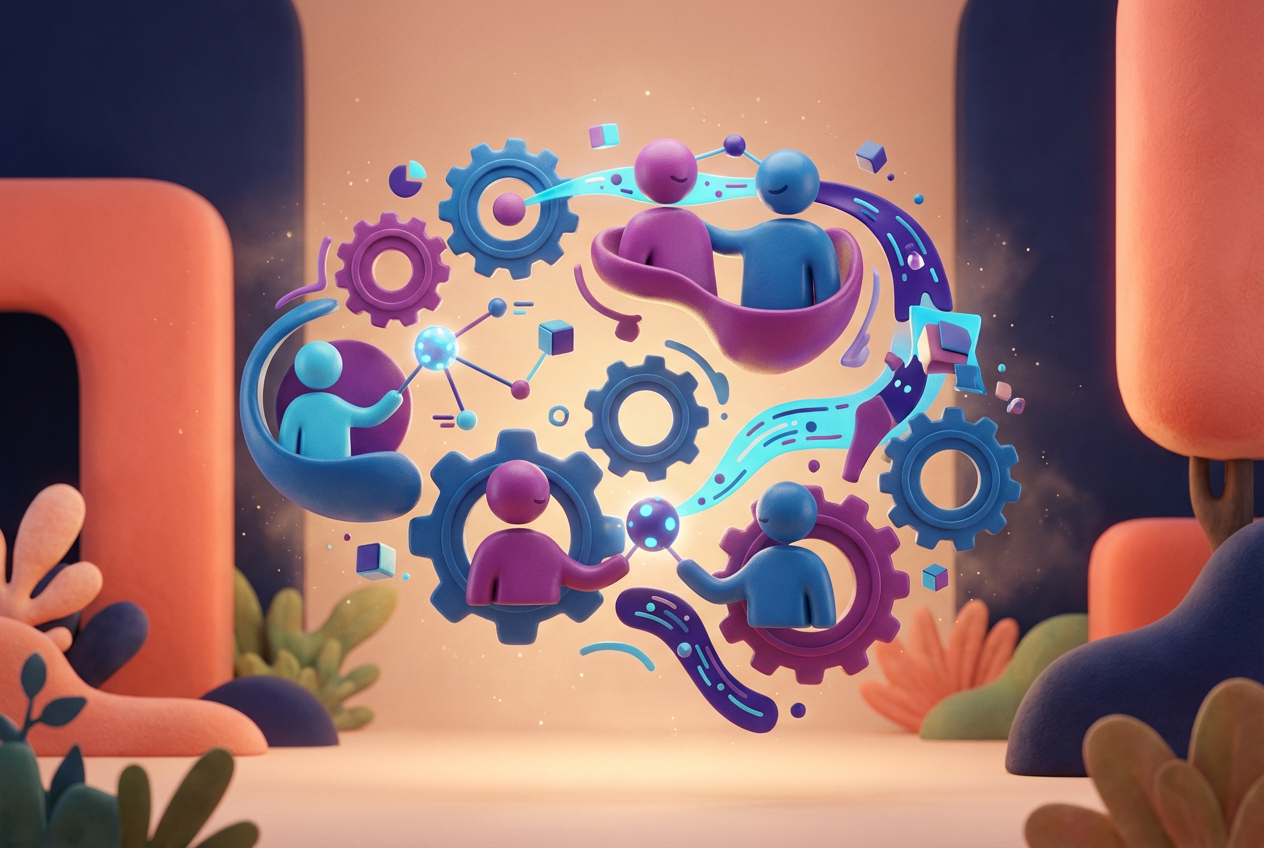
One of the most effective ways to move past traditional testing is to identify a candidate's dominant work personality. Our research into high-performing teams points to eight distinct roles that make a balanced team. A Doer brings a practical, reliable approach to tasks, keeping precision high and deadlines met. They are the engine room of many projects, and they need the right environment to do their best.
Then there is the Pioneer, who brings imaginative, out-of-the-box solutions. If you are hunting for a Criteria assessment alternative, you are probably after a way to see how these different types interact. A team full of Pioneers may have great ideas but struggle to execute. A team of Auditors will be accurate and methodical but may move slowly when a pivot is needed. Balancing these personalities is what creates real workforce intelligence.
Hiring is only the first step. A common frustration with traditional assessment tools is that they give you a snapshot in time and offer little once the person is onboarded. A true alternative should help you develop your people over the long term. Understand the natural work preferences of your staff and you can tailor your management to get the best from everyone. This is where Compono Develop comes in, helping you map growth paths that match how people actually want to work.
When employees feel their natural strengths are being used, engagement rises. It means moving away from a one-size-fits-all management style. A Helper thrives in a collaborative, supportive environment focused on team harmony. Treat them the same way you treat a highly competitive Evaluator and you risk burning them out or leaving them feeling undervalued. Building this awareness is what separates good companies from great ones.

Standardised testing was designed to remove bias, and it can still create new hurdles. Some strong workers perform poorly under the pressure of timed cognitive tests. A more rounded Criteria assessment alternative looks at the whole person, including their skills, their qualifications and, most importantly, their organisational fit. With a platform like Compono Hire, you can score and rank candidates on how well they match the specific needs of your team culture.
This evidence-led approach lets you decide on facts rather than gut feeling. We often hear from managers who just knew a candidate was right, only to discover three months later that the person was a poor fit for the team's working style. Workforce intelligence lets you validate those instincts with hard data, so your process is faster and more accurate, which cuts the significant cost of turnover and bad hires.
Conflict is a natural part of any workplace, and it does not have to be destructive. With deep insight into your team's personalities, you can predict where friction might appear. A Coordinator who loves structure and clear priorities might clash with a Campaigner who prefers big-picture ideas and future possibilities. Neither is wrong. They simply have different work preferences.
Leaders can use this insight to run better conversations. Instead of reading a clash as a personal issue, you can frame it as a difference in work personality. You might say to the Coordinator, I know you value the timeline, and let's give the Campaigner room to explore this idea before we lock it in. That kind of management only works when you have the right data at hand. It shifts the focus from individual blame to the way the team performs as a whole.
Key insights
- Traditional assessments often miss the behavioural nuance that dictates how a person performs inside a specific team.
- A balanced team needs a mix of work personalities, from the analytical Evaluator to the supportive Helper.
- Using data to measure organisational fit reduces the risk of expensive bad hires and cultural mismatch.
- Workforce intelligence gives you a roadmap for long-term engagement and leadership development beyond the hire.
Go beyond a cognitive score. Read work personality, skills and organisational fit together, then keep developing people after the hire.
Talk to usMany personality tests give a general profile. A modern alternative focuses on work personality, the natural preferences and behaviours a person shows in a professional setting, which makes it more practical for hiring and team management.
Yes. Turnover is often caused by a lack of cultural or organisational fit. Using data to make sure a candidate's work style aligns with your team's needs increases the odds of a long-term, successful placement.
Not really. Modern platforms are designed to be intuitive and usually slot into your current workflow. The aim is to give you insight that makes the job easier, not to add admin.
Mapping the whole team shows where your capability gaps sit. If your team is missing a Coordinator, projects may lack structure or miss deadlines. That insight helps you hire for exactly what the team needs most.
Yes. It matters even more in remote settings where incidental communication is rarer. Knowing how remote staff prefer to receive feedback and collaborate helps bridge the distance.
1 min read
Performance drivers at work are the individual motivations, environmental conditions and team dynamics that determine how effectively people deliver....

1 min read
Competency framework software helps Australian businesses define, measure, and develop the specific skills and behaviours required for every role to...

1 min read
The most effective ways to improve self awareness at work involve mapping your natural work personality, seeking behaviour-based feedback, and...
 Compono