

.webp)

 Compono


1 min read
Choosing an online learning platform for your team
 Compono
An effective online learning platform must bridge the gap between acquiring knowledge and applying skills on the job to drive real business...
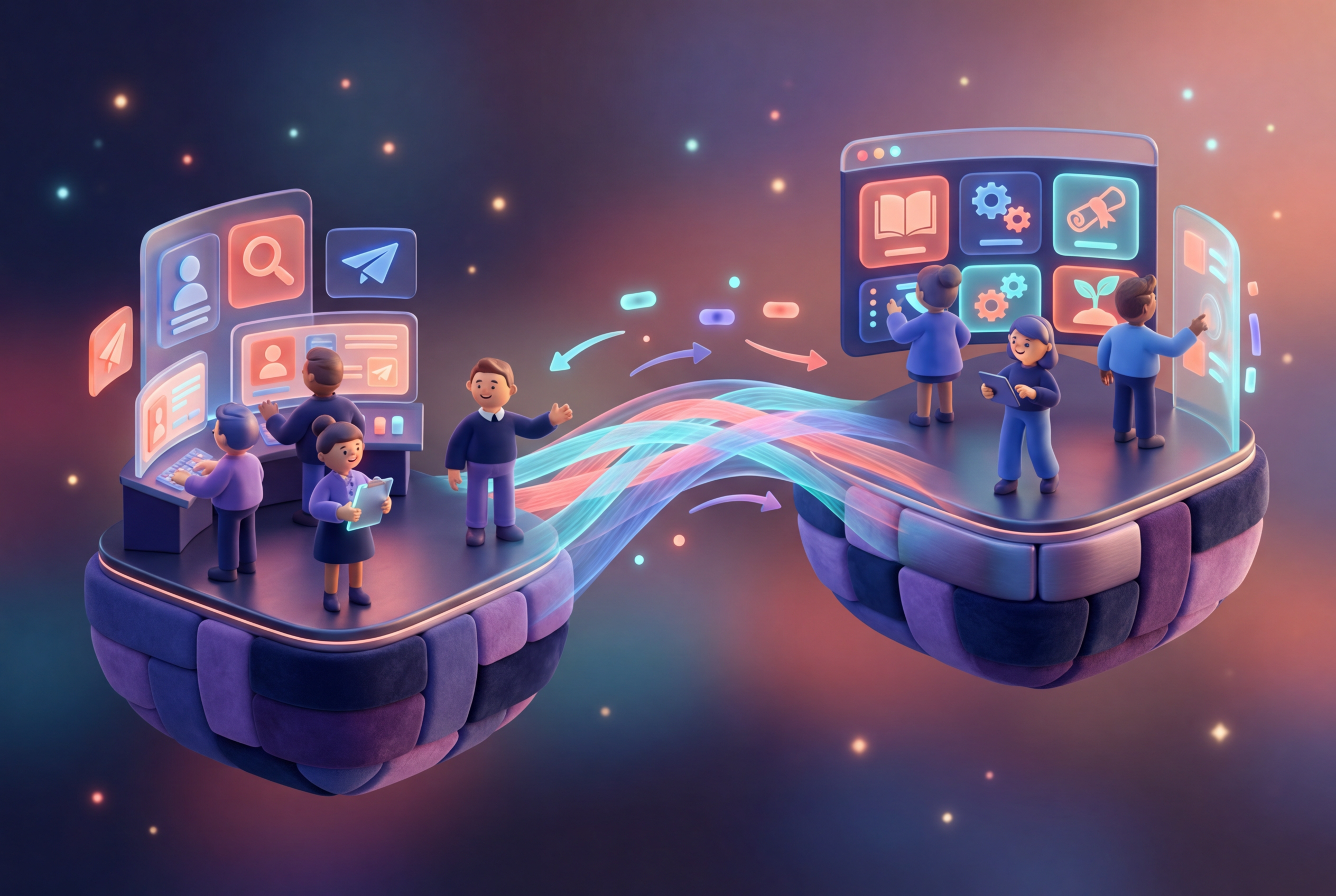
A modern government training platform must balance strict compliance requirements with an engaging user experience to ensure public sector teams remain high-performing and future-ready.
In an era where digital transformation and shifting regulatory landscapes are the norm, relying on outdated Learning Management Systems (LMS) often leads to low engagement and critical skill gaps. At Compono, we understand that government agencies face unique pressures, from maintaining rigorous security standards to managing diverse, multi-generational workforces. Moving beyond simple tick-box compliance is the first step toward building a resilient public service culture.
Key takeaways
- Effective government training platforms must prioritise data security and Australian-standard compliance while remaining user-friendly.
- Mapping individual work personalities helps leaders tailor development programs to how staff actually learn and process information.
- Moving from passive learning to active development reduces turnover and prepares agencies for rapid technological shifts.
- Integration between hiring and development tools creates a smooth lifecycle for public sector employees.
Government departments often struggle with legacy systems that prioritise administrative reporting over actual learning outcomes. While tracking who has completed a mandatory health and safety module is necessary, it doesn’t necessarily mean your team is growing. The primary hurdle for many HR leaders in the public sector is finding a government training platform that satisfies IT security requirements whilst actually being a tool that employees want to use. When a system is clunky or difficult to navigate, staff tend to view training as a chore rather than an opportunity.
We often see agencies where training is siloed from the rest of the employee experience. This disconnection makes it difficult to see how a specific course impacts overall performance or team cohesion. To solve this, we need to look at the workforce as a dynamic set-up. By using a workforce intelligence platform, leaders can begin to see the direct link between the skills being taught and the operational goals of the department. It is about moving away from 'just-in-case' training to 'just-in-time' development.
One of the most overlooked aspects of a government training platform is the human element. Not every employee learns the same way, nor do they have the same natural inclinations toward certain tasks. For example, Auditors typically prefer methodical, detail-oriented learning modules that allow them to scrutinise facts and procedures. In contrast, Pioneers may find highly structured, repetitive training stifling, preferring instead to explore innovative concepts and creative problem-solving scenarios.
At Compono, we believe that understanding these natural tendencies is the bedrock of effective team development. When you understand the work personality of your staff, you can curate learning paths that resonate with their natural strengths. This doesn't mean ignoring areas of weakness; rather, it means framing the training in a way that aligns with how they naturally work. This approach leads to higher completion rates and, more importantly, better retention of knowledge across the organisation.
The journey of a public servant doesn't start with their first training module; it starts during the recruitment phase. A common mistake is treating hiring and development as two entirely separate functions. A truly integrated government training platform should ideally talk to your recruitment tools. When you use Compono Hire to assess candidates for organisation fit and skill sets, those insights shouldn't disappear once the contract is signed. They should form the basis of a personalised onboarding and development plan.
Imagine a scenario where a new hire is identified as having a high aptitude for leadership but lacks specific technical experience in a niche regulatory area. Instead of a generic induction, the system automatically suggests a tailored path that addresses that specific gap. This level of precision ensures that the agency is investing its training budget where it will have the most significant impact. It also shows the new employee that the organisation is genuinely invested in their career progression from day one.

High-performing government teams are those that view learning as a continuous process rather than a once-a-year event. This requires a shift in mindset from both leadership and staff. A government training platform should support this by offering micro-learning opportunities and social learning features. When staff can share insights or discuss a new policy update within the platform, it build a sense of community and shared purpose. This is particularly important for remote or hybrid teams who may feel disconnected from the central office culture.
We've spent a decade researching what makes teams thrive, and it consistently comes back to engagement. Using tools like Compono Engage allows leaders to measure the sentiment of their workforce in real-time. If engagement scores are low in a particular department, you can look at the training data to see if there is a correlation. Perhaps the current training load is too high, or the content is no longer relevant to their daily tasks. By closing this feedback loop, government agencies can remain agile and responsive to the needs of their people.
Key insights
- A successful government training platform must integrate with the broader employee lifecycle to be truly effective.
- Personalising learning based on work personality types like the Auditor or Pioneer increases engagement.
- Data security and Australian English localisation are non-negotiable for public sector trust.
- Continuous feedback loops between engagement metrics and training content prevent stagnation.
Building a future-ready government workforce requires more than just a library of videos. It requires a strategic approach to workforce intelligence that considers personality, performance, and purpose.
Look for platforms that prioritise local data residency and comply with Australian security frameworks. At Compono, we ensure our infrastructure meet the rigorous demands of modern public sector organisations.
Yes. Identifying a staff member's work personality allows you to tailor the delivery and content of training. For instance, a Coordinator might thrive with structured project management modules, while a Helper prefers collaborative workshops.
The best approach is to look for a platform that offers more than just content hosting. You need a system that integrates recruitment, engagement, and development into a single workforce intelligence set-up.
Content should be reviewed at least annually, or whenever there are significant changes to legislation or internal policy. Using an agile platform makes these updates easier to distribute across the agency.
Absolutely. When employees feel their professional development is prioritised and tailored to their natural strengths, they are more likely to stay engaged and remain with the organisation long-term.

1 min read
An effective online learning platform must bridge the gap between acquiring knowledge and applying skills on the job to drive real business...

1 min read
An LMS in New Zealand should do more than store training videos. The right platform covers mandatory compliance, builds genuine skills, respects...

1 min read
A training analytics platform is a digital solution that collects, processes, and visualises data related to employee learning to help organisations...
 Mathan Allington