

.webp)

 Compono


1 min read
How a training analytics platform transforms team development
 Compono
A training analytics platform is a digital solution that collects, processes, and visualises data related to employee learning to help organisations...

A modern government training platform must prioritise accessibility, security, and personalised learning paths to effectively upskill a diverse public sector workforce.
Finding the right balance between strict compliance requirements and engaging user experiences is the primary challenge for digital transformation in government departments today. By focusing on workforce intelligence and data-driven insights, agencies can move beyond simple tick-box exercises to foster a culture of continuous professional development that serves the public interest.
Key takeaways
- Public sector training requires a platform that balances rigorous security standards with a user-friendly interface to ensure high adoption rates.
- Personalised learning paths based on work personality help government employees engage more deeply with mandatory and elective training.
- Centralising professional development data allows department leaders to identify skill gaps and plan for future workforce needs effectively.
- Effective platforms must support diverse learning styles – from analytical deep dives to practical, hands-on simulations.
Government agencies often face a unique set of hurdles when it comes to professional development. We see departments struggling with legacy systems that feel more like digital filing cabinets than active learning environments. These outdated tools often lead to low engagement, where staff complete modules simply because they have to – not because they find the content valuable or applicable to their daily roles.
The shift towards a digital-first government requires a training platform that does more than just host PDFs. We need systems that understand the nuances of the public sector, from strict regulatory compliance to the need for scalable onboarding. When a training platform fails to connect with the individual, the entire department's capability can stagnate. This is why we focus on moving towards more intelligent, integrated solutions that treat employees as individuals with unique strengths and learning preferences.
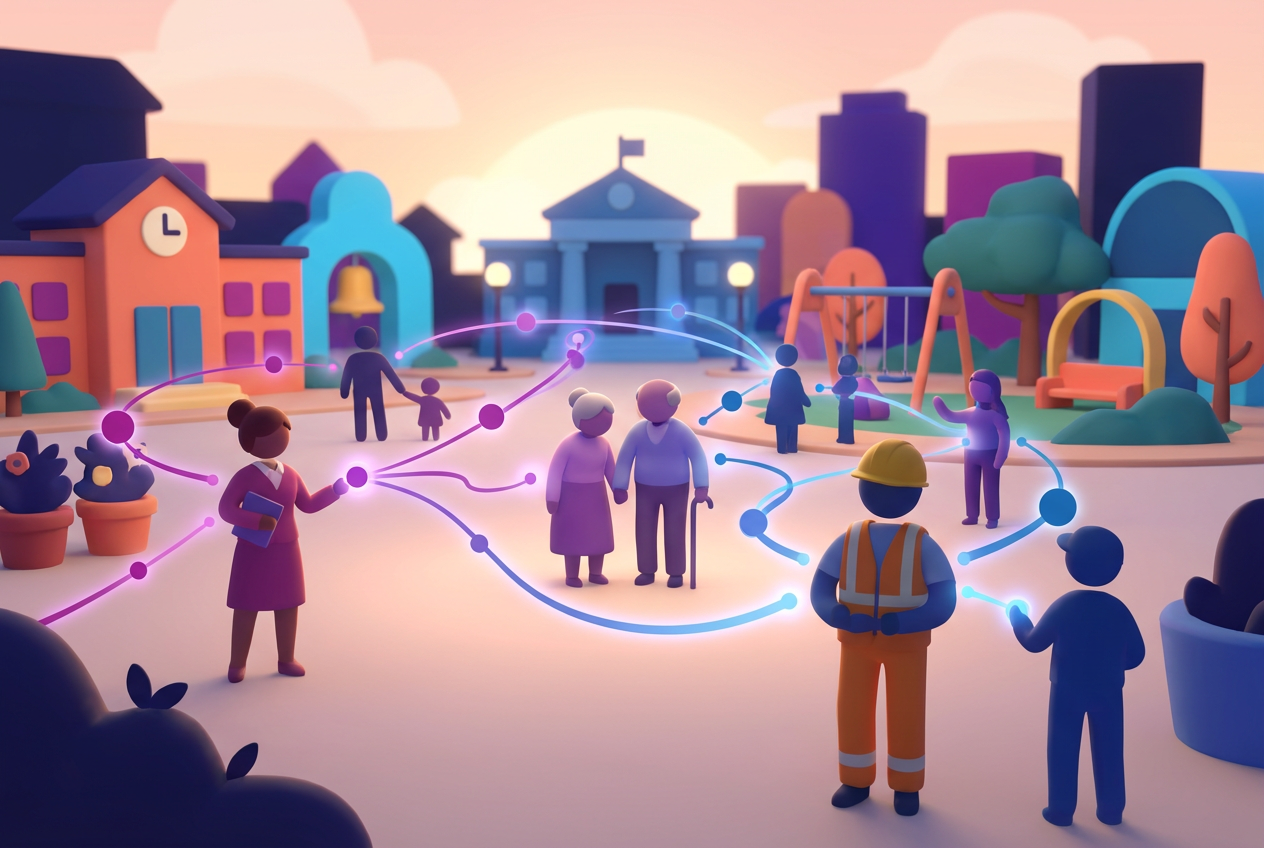
Compliance is the bedrock of government operations, but it shouldn’t be the ceiling of your training strategy. A robust government training platform should automate the 'must-haves' – like annual ethics training or cybersecurity awareness – so that leaders can focus on building 'should-haves' like leadership skills and digital literacy. We believe that when you simplify the administrative burden of compliance, you create space for genuine capability building.
At Compono, we have seen how centralising these processes within a unified Business Platform can transform departmental efficiency. By having a single source of truth for all training records, HR leaders can mitigate risk while simultaneously identifying who is ready for promotion or which teams require additional support. It is about turning a mandatory requirement into a strategic advantage for the entire organisation.
One size rarely fits all in a department of five hundred people. A policy analyst might prefer a deep, methodical dive into research, while a frontline service officer might need punchy, practical scenarios they can apply immediately. This is where understanding work personality becomes a game-changer for government training. When you know how your people naturally prefer to work, you can tailor how training is delivered and prioritised.
For example, Auditors often excel when training materials are precise, detail-oriented, and logically structured. They find satisfaction in methodical learning that values accuracy. Conversely, Pioneers might find traditional, rigid modules stifling, preferring instead to explore innovative concepts and creative problem-solving exercises. By mapping these traits, a government training platform can suggest content that resonates with the individual’s natural inclinations, significantly boosting completion rates and knowledge retention.

The true value of a modern platform lies in the data it generates. Government leaders need to know more than just 'who finished the course'. They need to understand the collective capability of their workforce. Are there looming skill gaps in data science? Do we have enough people with the 'Helper' personality type in our community-facing roles? These are the questions that a sophisticated platform helps answer.
Using tools like Compono Develop allows agencies to map individual growth against organisational goals. This level of workforce intelligence ensures that training budgets are spent where they will have the most impact. Instead of broad-brush training sessions that miss the mark, we can facilitate targeted interventions that address specific departmental needs. This strategic approach to development is what separates high-performing agencies from those simply keeping their heads above water.
The journey of a public servant doesn't start with their first training module – it starts the moment they are hired. An effective government training platform should ideally integrate with the recruitment process to create a seamless transition. When you assess a candidate’s fit during the hiring phase, you already have a head start on their development plan. You know their strengths, their potential blind spots, and the type of environment where they will thrive.
By connecting recruitment data with development tools, we can ensure that new starters are set up for success from day one. This holistic view of the employee lifecycle helps in reducing turnover – an expensive problem in the public sector – and ensures that the 'institutional knowledge' remains within the department even as roles evolve. It creates a path where every staff member feels there is a clear trajectory for their career within the public service.
Key insights
- The best government training platforms integrate work personality data to personalise the learning experience for diverse roles.
- Moving beyond basic compliance to proactive capability building is essential for modern digital government.
- Centralised data allows for strategic workforce planning and the identification of critical skill gaps before they become a crisis.
- Seamless integration between recruitment and development ensures a higher ROI on both hiring and training efforts.
Ready to see how workforce intelligence can transform your department’s approach to professional development?
Modern platforms utilise high-level encryption, multi-factor authentication, and local data hosting to meet strict government security standards. We ensure that all personnel data is handled with the highest level of care and compliance.
Yes, most sophisticated platforms allow for the upload of SCORM-compliant modules, ensuring that your existing investment in training content is preserved while benefiting from a better user interface.
A cloud-based government training platform allows staff to access modules from any device, anywhere. This is particularly useful for field officers or those working in regional centres who cannot attend face-to-face sessions.
Our research shows that when training is aligned with a person's natural work preferences, engagement and retention increase. People are more likely to apply what they’ve learned when the delivery method matches their cognitive style.
Implementation timelines vary depending on the size of the department, but we focus on a structured rollout that minimises disruption to daily operations while ensuring all staff are onboarded effectively.

1 min read
A training analytics platform is a digital solution that collects, processes, and visualises data related to employee learning to help organisations...
1 min read
Last reviewed July 2026.
1 min read
To choose a reskilling platform, look for four things: an honest audit of your current skills, personality data that shows who will genuinely suit a...
 Mathan Allington