 Compono


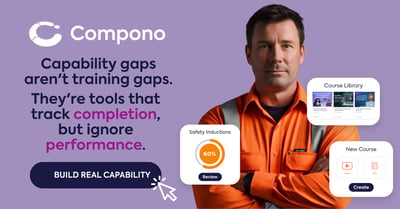
Absorb LMS alternative: building capability over completion

If you have spent any time in the world of learning and development, you know the hollow feeling of looking at a dashboard showing 100% completion...


Become the expert on delivering
valid and fair assessments for
your training and education.
Hire
|
Engage
|
Develop
|
|
Automatically match to candidates who are a great fit for your team culture and who are intrinsically motivated to succeed. |
Deeply understand your organisation with science-backed analytics on your culture, team design, and engagement. |
Back your onboarding, compliance and skill development with industry-leading credentialling, competency and capability expertise.
|


.png?width=383&height=200&name=team%20(1).png)

Managing workplace safety and legal obligations shouldn't feel like a constant uphill battle against spreadsheets and outdated modules. A modern compliance training platform does more than just tick a box – it builds a foundation of trust and safety that allows your team to focus on what they do best.
For many HR leaders in mid-sized organisations, compliance is often the 'silent' stressor. You know it is vital, but the manual effort required to track who has completed their fire safety training or sexual harassment awareness modules can be overwhelming. When you are managing 60 to 1,000+ staff, a simple spreadsheet is no longer a safety net – it is a liability. Missing a single renewal date or failing to document a training session doesn't just invite a fine; it puts your people and your reputation at risk.
The traditional approach to compliance is often reactive. We wait for an audit or a policy update and then scramble to ensure everyone has signed a document. This creates a culture of 'box-ticking' where employees see training as a chore rather than a vital part of their professional behaviour. To move from reactive to proactive, you need a system that integrates seamlessly into the daily workflow of your team.
A dedicated compliance training platform centralises your records, automates reminders, and provides a clear audit trail. Instead of chasing managers for completion reports, you have a real-time dashboard that shows exactly where your organisation stands. This shift in strategy allows you to move away from administrative firefighting and towards more strategic people initiatives.

Compliance is often viewed through the lens of regulation, but at its heart, it is about behaviour. If your team understands the 'why' behind the rules, they are far more likely to follow them. This is where the link between engagement and compliance becomes clear. When staff feel connected to the organisation's values, they naturally uphold the standards that protect the business.
At Compono, we believe that high-performing teams are built on a foundation of clear expectations and mutual respect. Our research into The Compono Culture, Engagement & Performance Model shows that when employees understand how their actions contribute to the broader team, performance and safety increase across the board.
By using a compliance training platform that feels modern and intuitive, you send a message to your team that their safety and professional development are priorities. It is difficult to convince a staff member that safety is a 'core value' if they are forced to use a clunky, broken training system from the early 2000s. The medium is the message – and a modern platform proves you care about the user experience as much as the content.
Not all platforms are created equal. When you are evaluating a compliance training platform, you need to look for features that reduce the administrative burden on HR while making the experience engaging for staff. The goal is to create a 'set and forget' system for recurring training requirements.
Firstly, automation is non-negotiable. The platform should automatically enrol new hires in mandatory modules based on their role and send automated reminders as expiry dates approach. This ensures that no one falls through the cracks during busy periods. Secondly, the content must be bite-sized and mobile-friendly. Modern teams – especially those in multi-location businesses – need to be able to complete training on the go, not just at a desktop in the back office.
Reporting is the third pillar. In the event of an audit or a workplace incident, you need to be able to pull a report in seconds, not hours. A robust platform will provide time-stamped evidence of completion and assessment scores. This level of People Intelligence is exactly what we provide through the Compono Platform, giving leaders the data they need to make informed decisions about risk and training gaps.

Training shouldn't exist in a vacuum. The most effective organisations link compliance training to their broader development and engagement strategies. For example, if your compliance data shows a recurring issue with safety protocols in a specific department, it might not be a training issue – it could be an engagement or leadership gap.
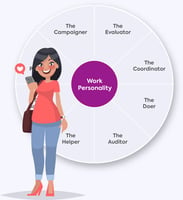
By viewing compliance as part of the employee lifecycle, you can identify patterns that others miss. Are your 'Doers' – those practical, task-oriented team members – completing their training faster than your 'Pioneers'? Understanding these work personalities can help you tailor how you communicate training requirements. You can learn more about these different styles here, which helps teams understand their natural work preferences.
When training is integrated into a wider ecosystem, it becomes a tool for growth. Instead of just maintaining the status quo, you are building a team that is constantly learning and adapting. This is where compliance transforms from a legal necessity into a competitive advantage. Safe, well-trained teams are more confident, more efficient, and more likely to stay with your organisation long-term.
No matter how good your compliance training platform is, it requires leadership buy-in to succeed. Managers are the ones who set the tone on the ground. If a manager treats safety training as a 'waste of time', their team will follow suit. Leaders must lead by example, completing their own modules on time and discussing the importance of compliance in regular team meetings.
We often see that the most successful implementations of training platforms involve clear communication from the top down. Explain the benefits – not just the rules. For instance, explain how proper training reduces workplace stress and protects everyone's physical and mental well-being. This human-centric approach turns a mandate into a shared responsibility.
Providing managers with visibility into their team's progress is also vital. When a supervisor can see at a glance who needs a refresher, they can plan work schedules accordingly. This proactive management prevents the 'last-minute' rush that often leads to poor learning outcomes and resentment among staff.
A compliance training platform is a digital system used to deliver, track, and manage mandatory employee training. It ensures that staff meet legal, regulatory, and internal policy requirements, providing an audit trail for the organisation.
Automation reduces human error by automatically enrolling staff in required courses and sending reminders for renewals. This ensures 100% coverage across the workforce without manual intervention from HR teams.
Yes. When training is delivered through a modern, high-quality platform, it demonstrates that the company invests in its people's safety and professional standards, which is a key driver of employee trust and engagement.
For a successful audit, you typically need time-stamped records of course completion, assessment scores, and a history of policy acknowledgements for every employee in the organisation.
Training should be updated whenever regulations change or at least annually. A good platform will allow you to quickly push out new versions of modules to the entire team or specific segments of the workforce.

If you have spent any time in the world of learning and development, you know the hollow feeling of looking at a dashboard showing 100% completion...

Capability gaps aren’t just training gaps. They are the result of using a corporate LMS that tracks completion but ignores what your people actually...

Public sector training isn’t just about ticking compliance boxes anymore; it’s about equipping the people who keep our society running with the...