

.png?width=383&height=200&name=team%20(1).png)
 Compono


1 min read
How to hire for culture fit and build high-performing teams
 Compono
Hiring for culture fit is the process of selecting candidates whose values, beliefs, and behaviours align with your organisation’s core mission and...

Measuring culture fit effectively requires shifting from subjective 'gut feelings' to objective data by mapping a candidate’s natural work preferences against your team’s established values and behaviours.
While many leaders rely on a vague sense of rapport during an interview, true cultural alignment is found when an individual’s work personality complements the existing team dynamic and contributes to the collective goals of the organisation.
Key takeaways
- Culture fit is most accurately measured by assessing alignment between individual work personalities and team values.
- Moving away from subjective 'gut feel' reduces hiring bias and improves long-term employee retention.
- Objective assessments allow leaders to identify specific cultural gaps, such as a need for more innovation or better structure.
- Measuring alignment across organisation fit, job fit, and personality fit provides a holistic view of a candidate's potential.
For a long time, 'culture fit' has been a bit of a mystery in the hiring world. We often talk about it as if it is something you can just sense the moment someone walks into the room. You might find yourself thinking a candidate is a great fit because you share a similar background or enjoy the same hobbies. However, this approach – while well-intentioned – is often just a mask for unconscious bias. When we hire based on who we would like to have a coffee with, we risk building teams that lack diversity and struggle to innovate.
We have seen that when culture fit is poorly defined, it leads to high turnover and disengaged teams. If you cannot measure it, you cannot manage it. The challenge for modern leaders is to take the guesswork out of the equation. We need to define what our culture actually looks like in terms of daily behaviours and work preferences. Only then can we accurately determine if a new hire will thrive within that environment or if they will find themselves swimming against the tide.

Before you can measure how a candidate fits, you must first understand the shape of the space they are meant to fill. Every team has a unique pulse. Some are driven by a need for precision and methodical processes – often led by Auditors who ensure every detail is perfect. Others might be visionary and fast-paced, thriving on the energy of Campaigners who sell the dream and inspire those around them.
At Compono, we believe that high-performing teams are built on eight key work activities: Evaluating, Coordinating, Campaigning, Pioneering, Advising, Helping, and Doing. By identifying which of these activities your team currently excels at – and where the gaps lie – you create a benchmark for measurement. If your team is currently heavy on execution but lacks creative spark, you might specifically look for a Pioneer to bring that much-needed innovation. This turns culture fit from a vague concept into a strategic tool for team design.
One of the most effective ways to measure alignment is through a dedicated work personality assessment. These tools move beyond standard personality tests by focusing specifically on how people behave in a professional setting. They reveal a person’s natural motivations – what they are likely to focus on and what they might accidentally overlook when the pressure is on.
For example, you might find a candidate who is highly skilled but has a natural preference for Non-Directive Leadership. If your current team environment is highly structured and requires a Directive Leadership style, that individual might feel constrained and frustrated. By using the Compono work personality framework, you can see these potential friction points before the person even starts. This data allows you to have more meaningful conversations during the interview process about how they handle different styles of management and collaboration.
Once you have the data from an assessment, the interview becomes a place to validate those insights. Instead of asking generic questions like "Tell me about yourself," we recommend focusing on behavioural questions that target your core values. If collaboration is a key part of your culture, you want to hear specific examples of how they have supported others in the past. This is where Helpers often shine, as they naturally prioritise team harmony and inclusive spaces.
It is also useful to involve different members of the team in this process. Different personality types will pick up on different cues. An Evaluator on your team will likely look for logical consistency and results in the candidate’s answers, while an Advisor might focus on how well the candidate listens and adapts to the conversation. This multi-perspective approach ensures that the measurement of 'fit' is not just one person’s opinion, but a collective assessment against a shared standard.
Measuring culture fit across a growing organisation can be a logistical nightmare if you are relying on spreadsheets and manual notes. This is where a workforce intelligence platform becomes invaluable. By centralising your data, you can see how cultural alignment impacts performance and retention over time. You can begin to see patterns – perhaps certain teams thrive with a specific mix of personalities, while others require more variety to stay engaged.
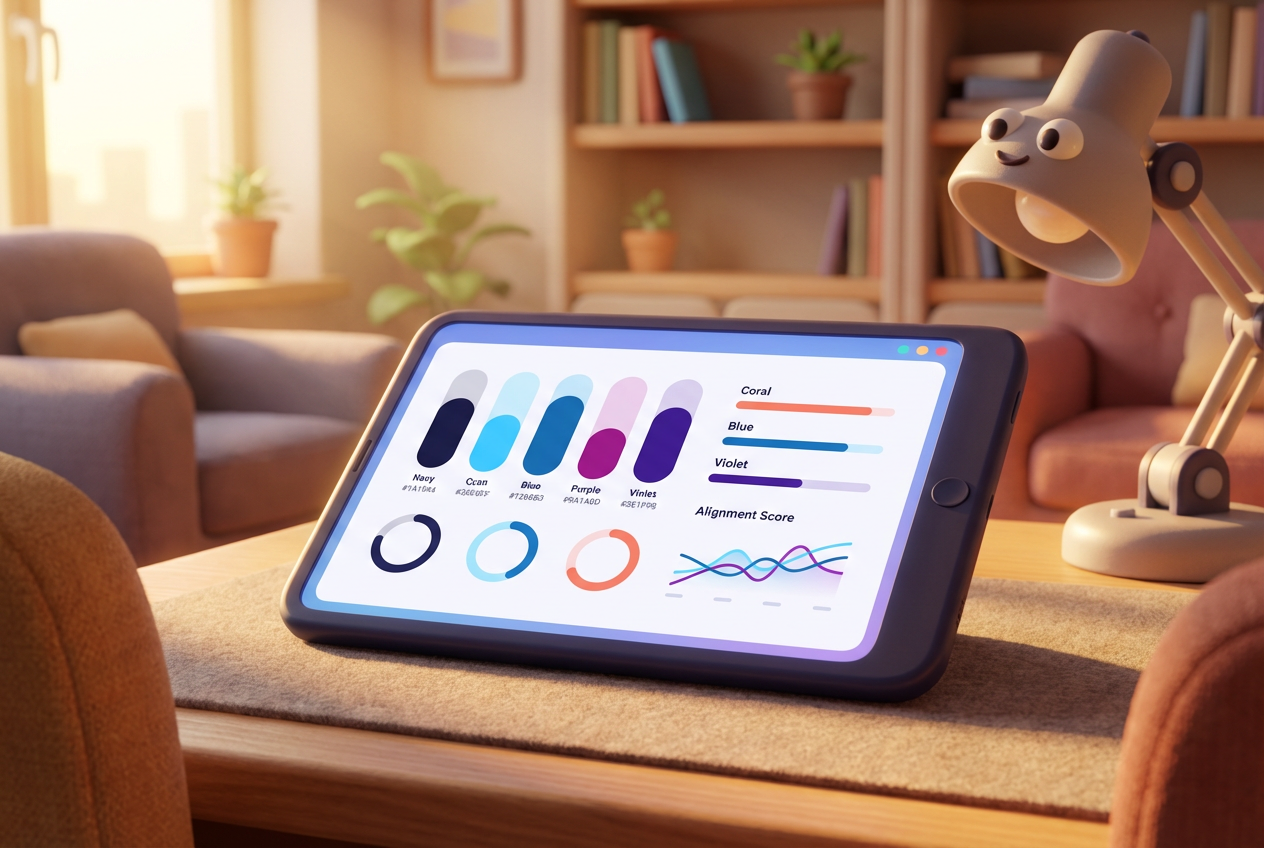
Our platform, Compono Hire, is designed to help you automate this measurement. It assesses candidates across Organisation Fit, Job Fit, and Personality Fit, providing a clear score that ranks candidates based on their alignment with your unique culture. This does not replace the human element of hiring; it simply gives you a more accurate map to navigate the decision. When you combine human intuition with scientific data, you make better hires who stay longer and perform better.
Key insights
- Effective culture fit measurement requires a clear definition of team behaviours and work preferences before the hiring process begins.
- Objective assessments like work personality tests provide a baseline of data that reduces the impact of unconscious bias.
- Interviews should be used to validate assessment data through specific, value-based behavioural questions.
- A balanced team often requires 'culture add' – individuals who bring missing perspectives – rather than just 'culture fit'.
Building a high-performing culture starts with the right data. If you are ready to move beyond gut feel and start measuring culture fit with precision, we can help.
The best way to avoid bias is to define culture through observable behaviours and work activities rather than personality traits or shared backgrounds. By focusing on how a person contributes to the team's goals, you keep the measurement objective.
Yes. By using assessments that map a candidate's work preferences against a team's 'ideal' profile, you can generate alignment scores. These scores provide a data point that can be compared across all applicants.
Not exactly. Culture fit is about how a person's values and work style align with the team. A team can have many different personalities – such as Pioneers and Auditors – and still have a strong culture fit if they all value the same core principles.
Culture fit looks for alignment with existing values, while culture add looks for individuals who bring a missing piece to the team. Both are measured by understanding your current cultural baseline and identifying what is needed for future growth.
Culture is not static. We recommend assessing your team's work personality and engagement levels regularly – especially after significant growth or structural changes – to ensure your hiring benchmarks remain relevant.

1 min read
Hiring for culture fit is the process of selecting candidates whose values, beliefs, and behaviours align with your organisation’s core mission and...

1 min read
Culture fit in recruitment is the process of identifying candidates whose values, beliefs, and work behaviours align with your organisation’s...

1 min read
Have you ever hired someone who looked perfect on paper, only to find they clashed with the team within a month? Resumes show you what a person has...