Skip to the main content.

Hey Compono!

A coach that actually gets you.

Get 10 minutes free, then $15 a month. Cancel anytime.

Get Started ≫

2 min read

Enterprise vs mid-market HR: choosing the right path

Enterprise vs mid-market HR: choosing the right path

The difference between enterprise and mid-market HR comes down to scale and focus. Enterprise HR is built for management at scale, with specialised functions and heavy risk mitigation across thousands of people. Mid-market HR, usually serving 60 to 1,000 staff, runs on agility, where a small team covers a wide brief and every individual hire moves the needle. Knowing which you are shapes every people decision you make.

Last reviewed July 2026.

The core difference: scale versus agility

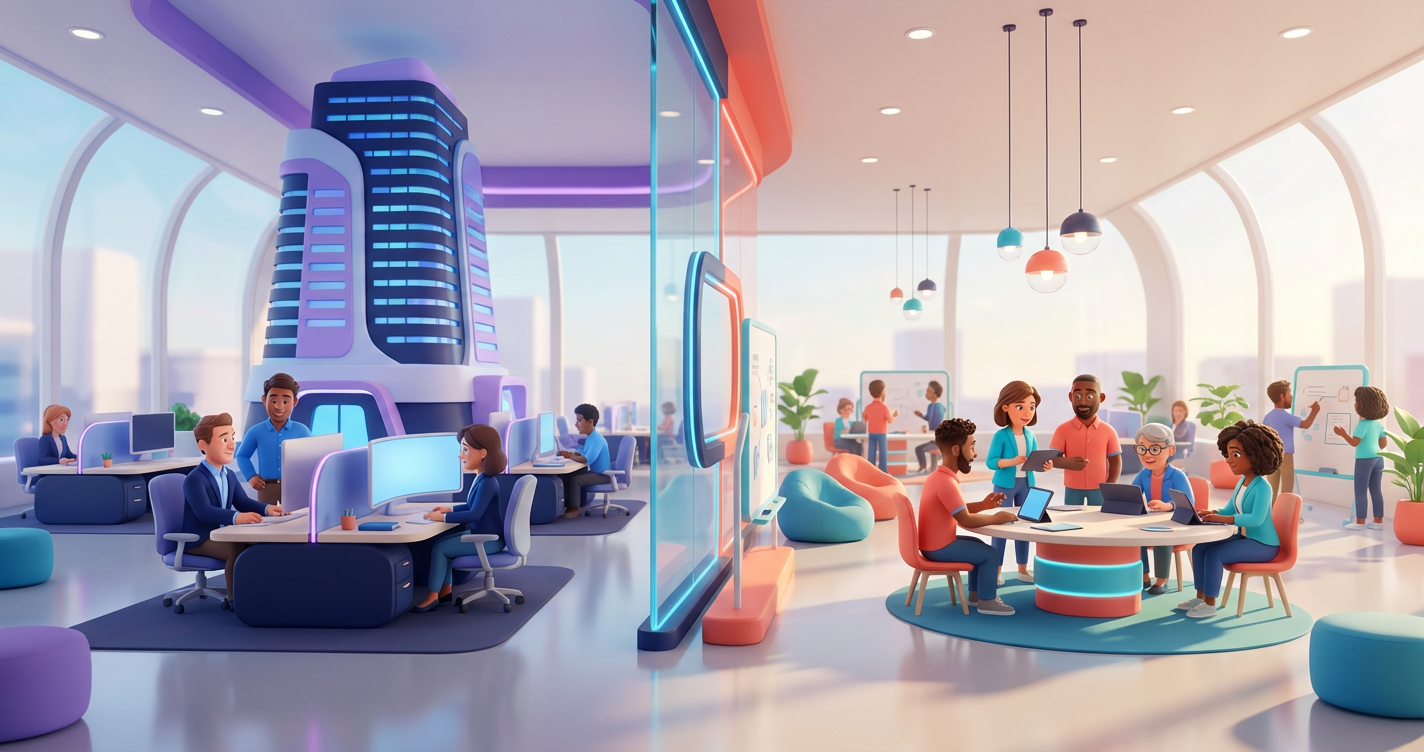
Enterprise HR is management at scale. Functions are highly specialised, with whole departments dedicated to things like industrial relations or executive compensation. The priorities are risk mitigation, compliance and keeping steady-state operations running smoothly across thousands of employees.

Mid-market HR is growth through agility. Leaders are usually generalists, juggling recruitment, culture and performance at once. Because the team is smaller, every hire has a disproportionate effect on whether the business thrives. The same job title means something quite different in each world.

Where mid-market HR needs to focus

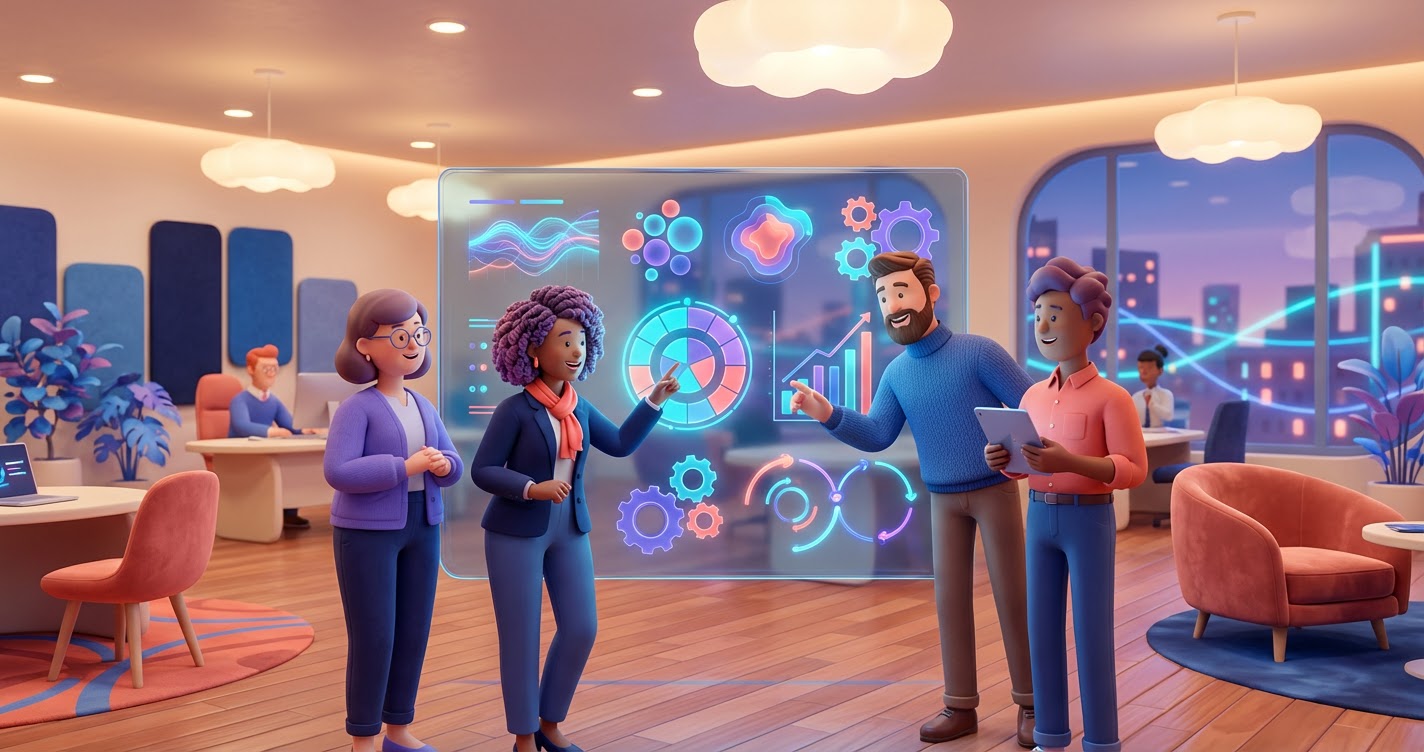
A team of 200 cannot simply run a scaled-down version of a 20,000-person playbook. With fewer people wearing more hats, mid-market HR leaders get the most value from a joined-up approach that connects hiring, culture and development rather than treating them as separate silos.

This is where understanding work personality and culture becomes a genuine advantage. When you know how people are wired, you can build balanced teams, place people in roles that fit their strengths, and catch friction early, all of which matter more when a single mismatch is felt across the whole company.

Choosing tools that fit your stage

Enterprise HR software is often built for complexity that a mid-market team does not have and cannot justify. Buying too big means paying for overhead and clunkiness you will never use. Buying too small means outgrowing the tool within a year. The right fit gives you real insight and automation sized for rapid growth, without the enterprise weight.

A connected talent platform lets a lean team punch above its size, joining recruitment, engagement and development so people data turns into decisions rather than scattered records.

Making the choice

Be honest about where you sit. If your HR team is a handful of generalists and every hire matters visibly, you are running mid-market HR, and your strategy and tools should reflect agility over specialisation. Match the approach to the stage you are actually in, not the one you aspire to, and you will build a stronger culture on the way up.

COMPONO PLATFORM

HR software sized for how you grow

See how Compono connects hiring, culture and development for teams of 60 to 1,000.

Talk to us

Frequently asked questions

What is the difference between enterprise and mid-market HR?

Enterprise HR manages talent at scale with specialised functions and a focus on risk and compliance across thousands of people. Mid-market HR, typically 60 to 1,000 staff, relies on agility, with generalists covering recruitment, culture and performance together.

How many employees counts as mid-market?

Mid-market usually refers to organisations with roughly 60 to 1,000 employees. It is the stage past founder-led hiring but before the deep specialisation and resources of a large enterprise.

Should mid-market companies use enterprise HR software?

Often not. Enterprise tools are built for complexity a mid-market team does not need, adding cost and clunkiness. The better fit gives insight and automation sized for growth without the enterprise overhead.

Why does every hire matter more in mid-market HR?

With a smaller team, each individual has a larger share of the impact on culture and performance. A single poor fit is felt across the whole company, so hiring and role fit carry more weight than at enterprise scale.

Related

How to build a consistent culture across multiple locations

1 min read

How to build a consistent culture across multiple locations

Building a consistent culture across multiple locations requires a clear alignment of core values, decentralised leadership empowerment, and shared...

Read More
10 Employee Recognition Ideas to Boost Engagement and Morale

1 min read

10 Employee Recognition Ideas to Boost Engagement and Morale

The most effective employee recognition ideas are specific, timely and tied to real behaviour: peer-to-peer shout-outs, milestone celebrations, a...

Read More