

.webp)

 Compono


1 min read
HR software reviews Australia: choosing the right platform
 Mathan Allington
HR software reviews help Australian buyers most when you filter them for local relevance: Fair Work and award compliance, Australian support hours,...

Construction HR Australia requires a strategic focus on sourcing skilled trades, managing diverse project-based teams, and fostering a culture of safety and precision to ensure long-term project success.
Key takeaways
- Modern construction HR in Australia must balance immediate site requirements with long-term talent pipeline development.
- Success in the sector depends on matching the right work personality to specific project roles to reduce turnover and improve safety.
- Digital transformation in recruitment helps firms move beyond traditional word-of-mouth hiring to data-driven selection.
- Retaining skilled workers requires a shift from transactional employment to a focus on engagement and career development.
Managing people in the Australian construction sector has never been more complex. Between fluctuating material costs and tight project deadlines, the pressure on human resources to deliver a reliable, skilled, and safe workforce is immense. Traditional hiring methods often fall short when you need to scale quickly for a major infrastructure project or find a niche specialist for a residential build.
We have seen that the most successful firms are moving away from reactive hiring. Instead, they are adopting sophisticated strategies for construction HR Australia that prioritise organisation fit and long-term engagement. It is no longer enough to just find a pair of hands; you need to find the right person who understands your safety protocols and team dynamics.
The challenge lies in the nature of the work itself. Projects are temporary, but your core culture should be permanent. When you treat every hire as a strategic addition rather than a temporary fix, you begin to see improvements in site productivity and a reduction in costly rework. This shift requires a deep look at how we assess, develop, and retain our people.

Recruitment is the first line of defence in maintaining high standards on-site. In the context of construction HR Australia, this means looking beyond a CV to understand how an individual actually works. A candidate might have the right tickets and licenses, but if their natural work style clashes with your site foreman, friction is inevitable.
At Compono, we have spent over a decade researching how personality influences work behaviour. We found that certain roles in construction benefit significantly from specific work personalities. For example, The Doer is often a perfect fit for hands-on, detail-oriented tasks where practical execution is paramount. Their reliable nature ensures that tasks are completed to the required standard and on time.
Conversely, for roles requiring meticulous oversight and compliance, The Auditor provides the thoroughness needed to maintain safety standards. By identifying these traits during the recruitment phase, you can build a more balanced and effective team. Using tools like Compono Hire allows you to assess these dimensions of fit before a single brick is laid, ensuring your new hires are ready to contribute from day one.
Once you have the right people, the focus shifts to keeping them. High turnover is a common plague in the industry, often driven by a lack of clear communication or a feeling of being undervalued. Engagement in construction HR Australia is about more than just a paycheck; it is about building a sense of belonging and purpose within the team.
We recommend regularly checking the pulse of your workforce. This does not mean long, arduous surveys that no one has time to finish. It means using streamlined feedback loops to understand what is working and what is causing frustration. When workers feel heard, they are more likely to adhere to safety protocols and take pride in their craftsmanship.
Consider a scenario where a project manager notices a dip in morale during a particularly demanding phase of a build. By having a clear understanding of team dynamics, they can intervene early. This proactive approach to engagement – when handled correctly – prevents small frustrations from turning into site-wide walk-offs or resignations. Firms that prioritise this often find they become an employer of choice in a competitive market.
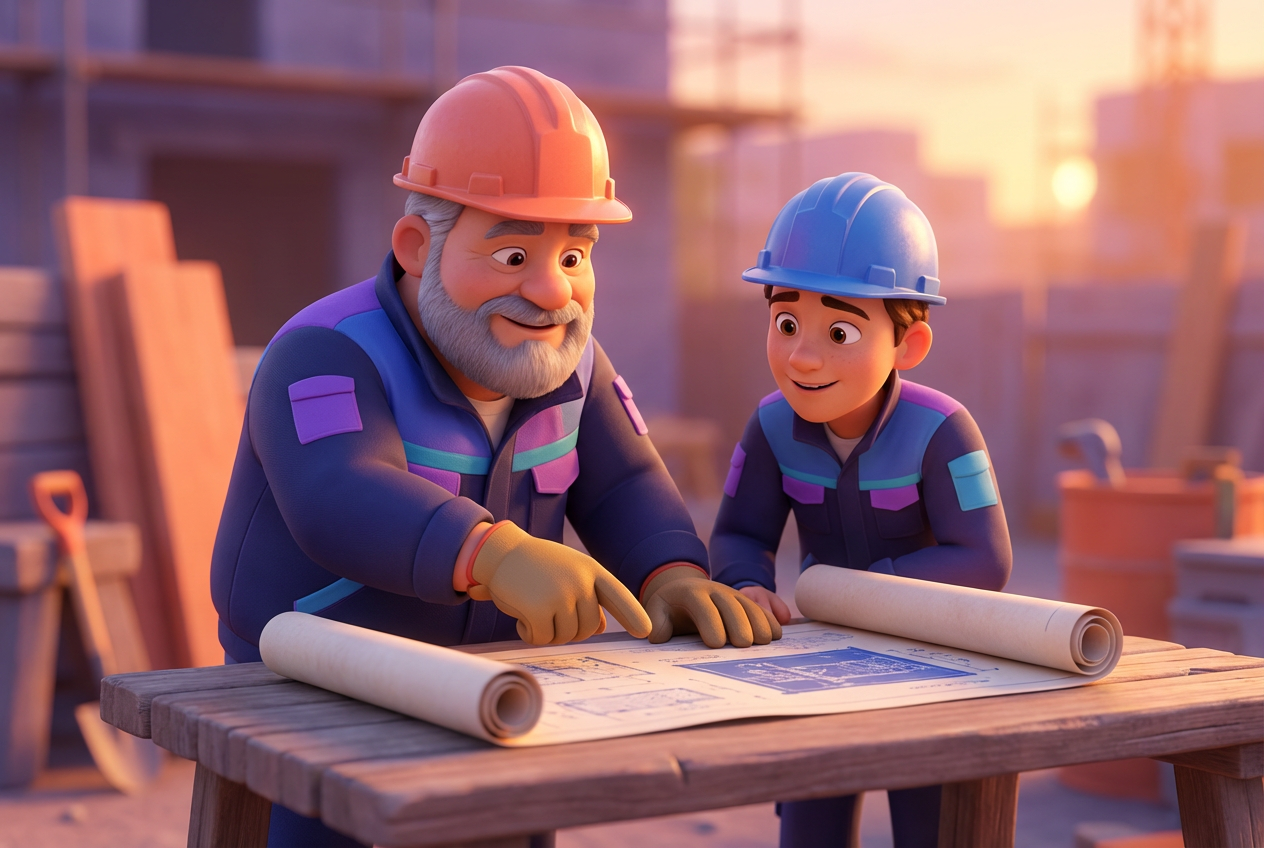
The construction industry is facing a significant leadership gap as many experienced managers approach retirement. A core pillar of modern construction HR Australia is identifying and nurturing the leaders of tomorrow. This involves moving beyond technical skills and focusing on the soft skills required to manage complex teams and client expectations.
Development should be a continuous process, not a one-off training session. We suggest mapping out clear career paths for your high-potentials. When a site supervisor sees a future as a project manager within your organisation, they are far more likely to stay committed to your long-term goals. This internal mobility saves on recruitment costs and preserves valuable institutional knowledge.
To support this, Compono Develop provides a framework for identifying skill gaps and providing targeted learning opportunities. By aligning individual growth with business needs, you create a win-win situation. You get a more capable leadership team, and your employees get the career progression they desire, further strengthening your firm's stability.
Key insights
- Effective recruitment in construction must prioritise work personality and organisation fit alongside technical skills.
- Engagement is a critical tool for reducing turnover and improving safety compliance on Australian worksites.
- Proactive leadership development is essential to bridge the skills gap and ensure project continuity.
- Digital tools like Compono help centralise and optimise people processes for better project outcomes.
Optimising your approach to construction HR Australia is an ongoing journey that pays dividends in project efficiency and team stability. By focusing on the right fit and fostering an engaging culture, you set your business up for sustainable growth.
Focus on your employer brand and use data-driven recruitment tools to identify candidates who match your company culture. Moving beyond traditional job boards to targeted talent pools can also give you an edge.
Improve worker engagement by providing clear career paths, regular feedback, and a supportive culture. When employees feel their work is recognised and they have a future with the company, they are less likely to leave for a marginal pay increase elsewhere.
By matching individuals to roles that suit their natural work style – such as placing detail-oriented 'Auditors' in compliance roles – you reduce the likelihood of errors and oversights that lead to safety incidents.
Look for a platform that integrates recruitment, engagement, and development. It should be easy to use for both managers and employees and provide actionable insights into team performance and fit.
Identify high-potential individuals early and provide them with targeted development opportunities that focus on communication, conflict resolution, and strategic planning. Mentorship from experienced leaders is also invaluable during this transition.
1 min read
HR software reviews help Australian buyers most when you filter them for local relevance: Fair Work and award compliance, Australian support hours,...

1 min read
The best applicant tracking system (ATS) for legal services in Australia is one that handles rigorous compliance checks, measures organisation fit...
1 min read
Fair Work compliance software helps Australian businesses meet national employment standards, modern awards and record-keeping obligations...