
.webp)

 Mathan Allington


How to maintain audit-ready training records
 Mathan Allington
A practical checklist for audit-ready training records: centralise data, automate expiry tracking, standardise evidence and run internal self-audits.

The right compliance training software does four things: delivers mandatory training automatically by role, tracks completions against renewal dates, produces an evidence trail you can hand to an auditor, and keeps content current with Australian requirements. Everything else is useful. Those four decide whether the tool actually protects you.
Last reviewed July 2026.
Use this list when you compare platforms. A demo can make anything look good; these are the questions that separate a training library from a compliance system.
It is not enough that training happened. When a regulator, an insurer, a client or a court examines you, the question is whether you can prove who completed which version of which module, and when. A spreadsheet of names and ticks does not survive that conversation. A system-generated record with timestamps does.
This is also where manual tracking quietly exposes the business. When a certification lapses unnoticed, the risks range from financial penalties to reputational damage, and the gap usually only surfaces after an incident. Automated tracking closes that gap without adding administrative load, which is the whole argument for buying software rather than hiring another coordinator.

Many organisations still run mandatory training on spreadsheets and manual reminders. It consumes HR hours and it creates oversight gaps, but the subtler cost is cultural. When compliance feels like an administrative hurdle, staff treat it as a chore and stop internalising the lessons. The training technically happens and changes nothing.
Automating delivery and tracking removes the friction, so your people can stay informed without the nagging, and compliance starts to read as a shared standard rather than a policing exercise.
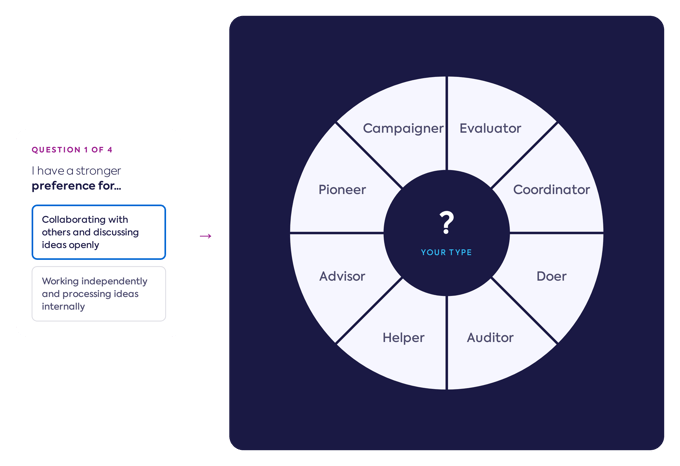
People process rules and detail differently, and that should shape how you introduce training. The Auditor thrives where precision and standards matter, and often finds genuine satisfaction in methodical compliance work. The Pioneer will find rigid, repetitive modules stifling unless they are framed within a bigger picture of safety and progress. A team of Doers responds best when you lead with the practical, hands-on application of the rules.
Knowing these preferences lets you explain the why behind a requirement in a way that lands, which does more for completion and retention than any reminder email.

Completion data tells you someone watched a video on workplace bullying. It does not tell you whether your team actually feels safe and supported. The organisations that get real value from compliance training pair the record-keeping with a read on culture, which is where Compono Engage comes in: it measures whether the training is showing up in how the workplace actually feels.
The delivery side belongs in a learning platform built for continuous development rather than an annual event everyone dreads. Teams using Compono Develop run compliance as part of an ongoing learning rhythm, with short modules that keep safety and conduct top of mind year-round. When staff see the organisation investing in their standards and their growth, trust follows.
Compono Develop assigns mandatory training by role, tracks every completion and keeps your records ready for the audit you did not see coming.
Talk to usRisk reduction. It ensures all staff complete mandatory legal and safety training, and the automated tracking produces a clear audit trail the business can produce on demand.
Automated enrolment by role, renewal alerts, timestamped completion records, real-time reporting and mobile delivery. If a platform is weak on the evidence trail, keep looking.
Whenever legislation changes, and as a general rule most core safety and conduct modules should be refreshed or revisited annually to keep the information current.
Yes. Most modern platforms let you upload or subscribe to modules tailored to industries like healthcare, finance, construction or aged care, so you can meet sector-specific requirements.

A practical checklist for audit-ready training records: centralise data, automate expiry tracking, standardise evidence and run internal self-audits.

How to track compliance training completion without spreadsheets. Keep certifications current, automate reminders, and reduce audit and safety risk.

What a public sector training platform needs: compliance records, capability tracking, licensing that fits procurement, and content staff will finish.
 Compono