

.webp)

 Compono


How to choose the best capability assessment software in South Australia
 Compono
How to evaluate and select capability assessment software in South Australia, and the features that build real workforce competence.
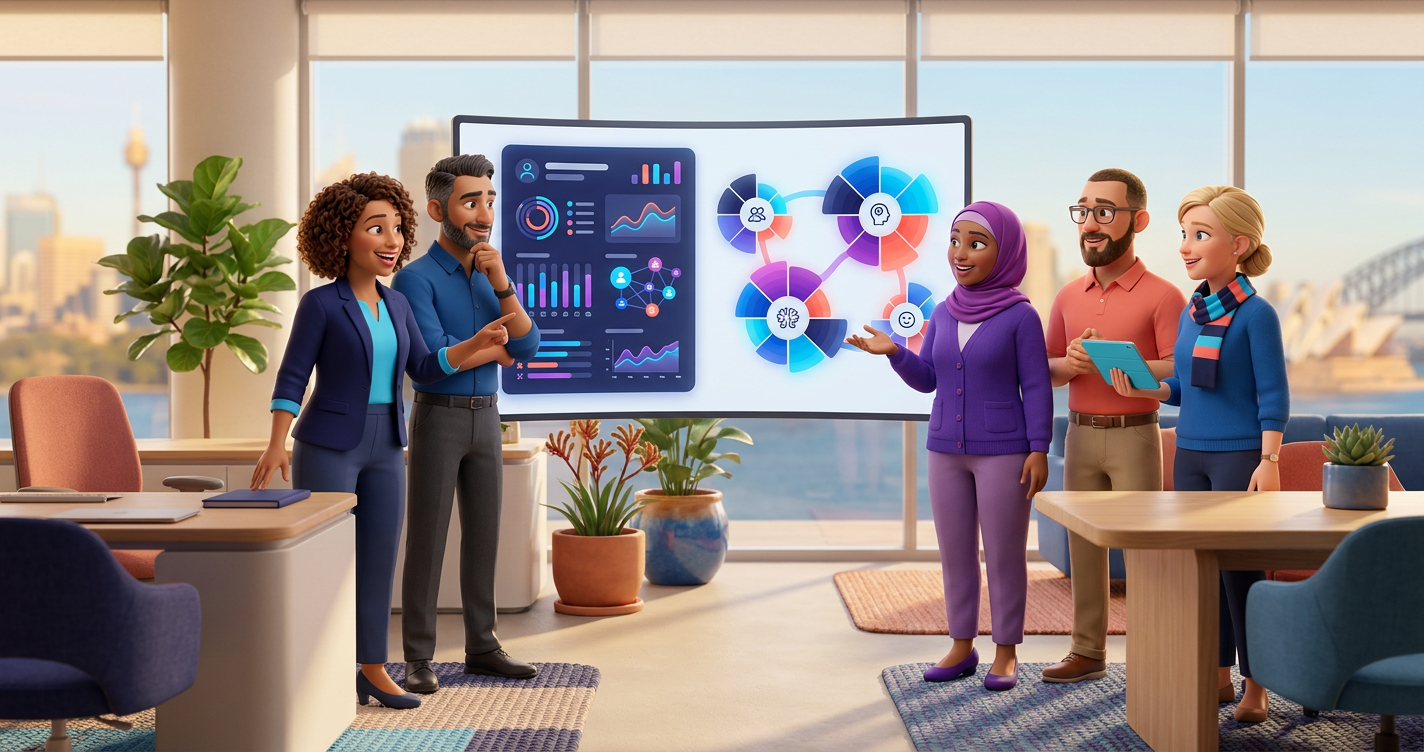
Capability assessment software for Australian businesses provides a structured way to measure employee skills, behaviours, and potential to ensure your workforce aligns with your strategic goals.
By moving away from subjective gut feelings and towards data-driven insights, you can identify critical skill gaps, improve hiring accuracy, and foster a culture of continuous development. In a competitive market where talent is the primary differentiator, understanding exactly what your people can do – and where they need support – is the foundation of sustainable growth.
Key takeaways
- Capability assessment software replaces subjective performance reviews with objective, data-backed insights into workforce strengths and weaknesses.
- Integrating work personality data allows leaders to match the right people to the right tasks based on natural preferences.
- Identifying skill gaps early enables targeted training, reducing the cost of external recruitment and improving employee retention.
- Effective software should evaluate three core dimensions: organisational fit, technical skills, and professional qualifications.
Many Australian people leaders face a common frustration: they know their team is capable, but they can't quite pin down why certain projects stall or why turnover remains high in specific departments. This often stems from a lack of visibility into the actual capabilities sitting within the organisation. Without a central system to track and measure skills, you are essentially flying blind, relying on outdated resumes or annual reviews that offer little real-time value.
When you don't have a clear map of your team's capabilities, you risk misallocating resources. You might hire externally for a role that could have been filled by an internal candidate with the right developmental support, or worse, you might promote someone based on tenure rather than their actual readiness for leadership. This is where Compono Assure helps by providing a clear framework to manage and verify the essential skills and compliance requirements of your workforce.
The cost of these invisible gaps isn't just financial. It impacts team morale and engagement. Employees who feel their skills are underutilised or who are pushed into roles they aren't equipped for quickly become disengaged. By implementing a robust assessment framework, you signal to your team that you value their growth and are committed to placing them in positions where they can truly excel.
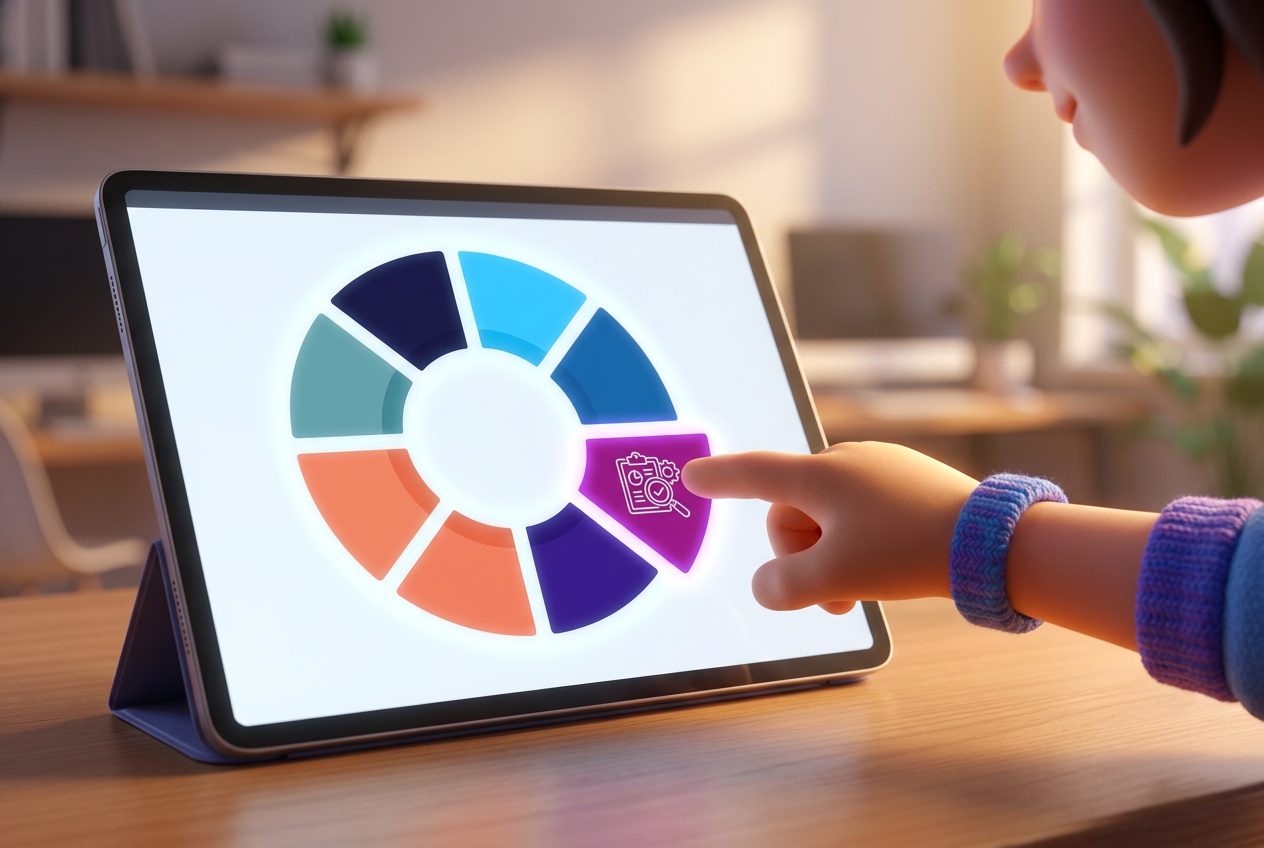
Traditional capability assessments often focus solely on hard skills – can they code, can they sell, or can they manage a budget? While these are important, they only tell half the story. To build a truly high-performing team, you need to understand the "how" as much as the "what". This involves looking at work personality: the natural preferences and behaviours that dictate how a person approaches their daily tasks.
At Compono, we have identified eight key work activities that define successful teams, including The Evaluator, who brings logic and risk analysis, and The Coordinator, who excels at structure and planning. When you use software that captures these insights, you can see if your team is heavy on big-picture thinkers but light on people who actually get the work finished. This level of intelligence allows you to balance your team's composition strategically.
Imagine a scenario where a project requires meticulous attention to detail, but the team is comprised entirely of Pioneers who prefer ideation over execution. The project will likely struggle despite the high intelligence of the individuals involved. Capability assessment software that includes work personality data ensures you aren't just hiring for skill, but for the specific behavioural gaps that exist within your current structure.
Recruitment is often the most expensive and risky activity an HR team undertakes. The traditional interview process is notoriously prone to bias, with hiring managers often gravitating towards candidates who remind them of themselves rather than those who possess the necessary capabilities. Capability assessment software removes much of this guesswork by providing a standardised scoring key for every candidate.
By using a platform like Compono Hire, you can assess candidates across three critical dimensions: organisation fit, job fit, and personality fit. This holistic view ensures that a new hire doesn't just have the right certificates on their wall, but also the right mindset to thrive within your specific company culture. It moves the conversation from "I liked them" to "they have a 90% match for the capabilities this role requires".
This data-driven approach also supports your diversity and inclusion goals. When you prioritise objective capability scores over subjective impressions, you open the door to a wider range of candidates who might have been overlooked in a traditional screening process. It ensures that the best person for the job is chosen based on merit and potential, rather than their ability to navigate social cues during a thirty-minute chat.
There is a strong interplay between knowing what your people can do and how they feel about doing it. High capability without engagement leads to wasted potential, while high engagement without capability leads to frustration and burnout. Modern software helps you bridge this gap by aligning developmental goals with the individual's natural strengths.
When you understand a person's work personality, you can tailor their learning and development path. For example, Helpers might excel in mentorship programmes, while Auditors might find more value in technical specialisation. At Compono, we use these insights to help businesses move from transactional HR to strategic talent architecture, where every development dollar is spent on building a capability that both the employee and the business actually need.
This alignment is a key driver of retention. Our research into why new hires fail often points back to a mismatch between the individual's capabilities and the actual demands of the role. When you use software to ensure that match is right from day one – and continue to monitor it as the role evolves – you create a workforce that is not only capable but deeply connected to their work.
Key insights
- Objective capability assessment software reduces hiring bias by focusing on measurable data rather than subjective interviewer impressions.
- High-performing teams require a balance of eight work personalities to ensure both creative ideation and practical execution are covered.
- Aligning employee development with their natural work preferences significantly boosts engagement and long-term retention.
- A workforce intelligence platform provides the necessary visibility to fill roles internally and reduce recruitment costs.
Implementing capability assessment software is the first step toward transforming your HR function from a cost centre into a strategic command centre. By gaining deep insights into the skills and personalities of your people, you can build teams that are resilient, engaged, and perfectly aligned with your business goals.
It is a digital tool used by businesses to measure, track, and analyse the skills, behaviours, and professional qualifications of their employees and job candidates. It helps leaders identify where skill gaps exist and how to best utilise their people.
By using standardised tests and scoring keys, the software ensures all candidates are evaluated against the same objective criteria. This limits the impact of a hiring manager’s personal preferences or unconscious biases, leading to fairer outcomes.
Yes. When you understand an employee's natural work personality and capabilities, you can provide them with work that genuinely interests them and developmental opportunities that suit their strengths, which is a major factor in long-term engagement.
Absolutely. Mid-market businesses (60–1,000 staff) often benefit the most from these tools as they provide the structured workforce intelligence typically found in much larger enterprises without the need for a massive internal HR team.
A skill is a specific task someone can perform, like using a particular software. A capability is a broader combination of skills, knowledge, and behaviours that allow a person to deliver value in a specific context or role.

How to evaluate and select capability assessment software in South Australia, and the features that build real workforce competence.

How to measure workforce capability past a basic skills test, and what to look for in capability assessment software for Victorian teams.

A practical way to build a learning and development strategy: align with business goals, personalise by work personality and measure real ROI.
 Mathan Allington