

.webp)

 Compono



1 min read
How to reduce bias in hiring assessments
 Mathan Allington
Last reviewed July 2026.

A structured hiring process is a systematic approach where every candidate for a specific role is assessed using the same predetermined criteria and interview questions to ensure fairness and accuracy.
This method moves recruitment away from gut feel and toward data-driven decisions that consistently identify the best fit for your team. By standardising how you evaluate talent, you not only reduce the risk of unconscious bias but also significantly improve the long-term performance and retention of your new starters.
Key takeaways
- Standardising interview questions and scoring rubrics ensures all candidates are evaluated on a level playing field.
- Defining clear role requirements and success markers before advertising prevents 'moving the goalposts' during interviews.
- A structured approach reduces the impact of unconscious bias, leading to more diverse and capable teams.
- Using objective assessments alongside interviews provides a holistic view of a candidate’s skills and work personality.
We have all been there – you meet a candidate who is charming, shares your alma mater, or likes the same obscure indie band, and suddenly they feel like the perfect hire. This is the 'halo effect' in action, and while it makes for a pleasant chat, it is a terrible way to build a high-performing team. Relying on intuition often leads to hiring people who are just like us, rather than people who have the specific skills and attributes the business actually needs.
When recruitment lacks structure, the process becomes inconsistent. One candidate might spend thirty minutes discussing technical skills, while another spends that same time talking about their previous manager. This makes it impossible to compare them objectively. The result is often a 'bad hire' that costs the organisation time, money, and team morale. A structured hiring process acts as a safeguard, ensuring that every decision is backed by evidence rather than just a good vibe.

The foundation of any successful structured hiring process starts long before the first resume lands in your inbox. It begins with a clear definition of what success looks like in the role. We often see job descriptions that are little more than a 'wish list' of every possible skill, which ends up confusing both the recruiter and the applicant. Instead, we need to identify the core competencies – the non-negotiable skills and behaviours required to do the job well.
Think about the specific problems this person will solve. Are they meant to bring order to a chaotic department, or are they there to drive innovation and growth? By defining these outcomes early, you can create a scorecard. This scorecard becomes your north star, allowing you to rate candidates against specific criteria rather than a vague sense of 'potential'. At Compono, we have spent over a decade researching how to match the right people to the right roles by focusing on these foundational markers of success.
Once you have your criteria, the next step is to build a consistent interview framework. This means asking every candidate the same set of questions in the same order. It sounds rigid, but it is actually the fairest way to treat people. When you ask everyone about a time they handled a difficult stakeholder, you get a direct comparison of their problem-solving abilities. You are no longer comparing apples to oranges; you are looking at a clear set of data points.
To make this even more effective, use a predetermined scoring rubric. For each question, decide what a 'poor', 'good', and 'excellent' answer looks like. This keeps the interview panel aligned and prevents one loud voice from dominating the post-interview debrief. It also makes the 'why' behind a hiring decision much easier to explain to stakeholders. If you want to see how this works in practice, The Coffee Club case study shows how a structured approach can transform hiring success across multiple locations.
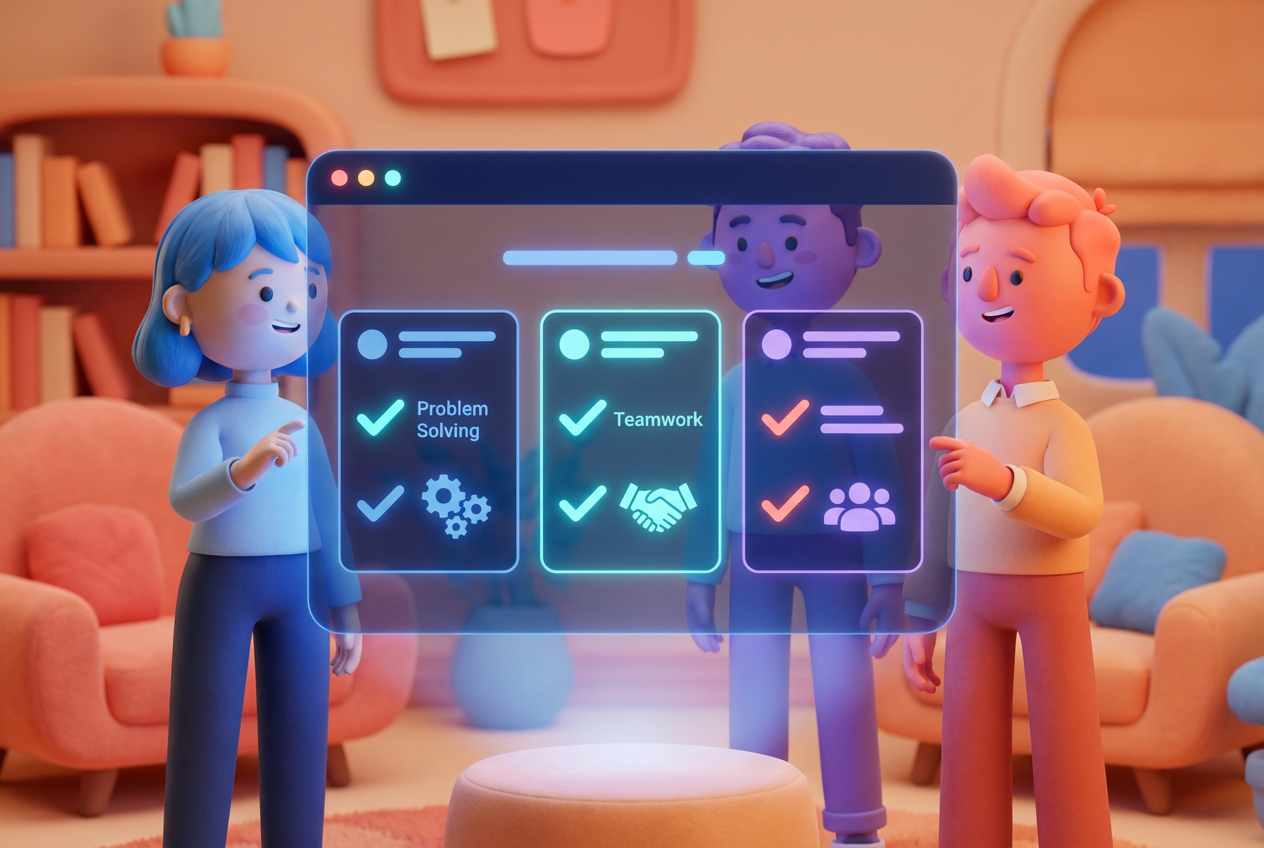
Interviews are only one piece of the puzzle. Even the most structured interview can be gamed by someone who is a naturally gifted storyteller. To get the full picture, you need to layer in objective assessments that measure cognitive ability, technical skills, and cultural alignment. This is where you move from guessing to knowing. Assessments provide a neutral data point that doesn't care about a candidate's charisma or confidence levels.
In a structured hiring process, these assessments should happen early. By screening for the right attributes before the first interview, you ensure that your hiring managers are only spending time with candidates who are genuinely capable of doing the work. For example, Compono Hire allows you to automatically score and rank candidates based on their Organisation Fit and skills, ensuring that the most promising talent rises to the top of your list immediately. This data-driven layer is what separates modern recruitment from the hit-or-miss methods of the past.
Structure isn't just about technical skills; it is also about how a person will actually work once they join the team. Every team has a unique dynamic, and a new hire will either complement that dynamic or disrupt it. A truly structured process looks at 'work personality' – the natural tendencies and preferences an individual brings to their daily tasks. Is your team full of Pioneers who are great at ideas but struggle with follow-through? If so, you might specifically need a Coordinator to bring some order to the chaos.
By including a personality assessment in your structured hiring process, you can identify these gaps before the person starts. This isn't about finding 'perfect' people, but about finding the right 'fit' for the current team environment. When you understand the dominant preferences of your existing staff, you can make a strategic choice about who to bring in next. This level of workforce intelligence ensures that your hiring process isn't just filling a seat, but actually strengthening the fabric of your organisation.
Key insights
- A structured hiring process is the most effective way to eliminate unconscious bias and ensure a fair recruitment experience.
- Defining success markers and using a standardised scorecard allows for objective comparison between candidates.
- Objective assessments provide a vital layer of data that interviews alone cannot capture.
- Understanding the 'work personality' of a new hire helps ensure they complement the existing team dynamic rather than clashing with it.
- Standardisation leads to better retention because candidates are hired based on their actual ability to perform the role.
Building a structured hiring process is a journey, but the rewards – better hires, lower turnover, and a fairer workplace – are worth the effort. You don't have to do it all at once; start by standardising your interview questions and move forward from there.
It reduces bias by ensuring every candidate is asked the same questions and evaluated against the same objective scorecard. This prevents interviewers from relying on 'gut feel' or personal similarities, which are common sources of unconscious bias.
The process involves defining the role's core competencies, creating a standardised interview guide, using objective skills and personality assessments, and rating every candidate using a consistent scoring rubric.
Not at all. Structure provides a fair baseline for comparison, but the questions themselves can be tailored to explore creativity and innovation. It ensures that you are judging 'creativity' consistently for every person who applies.
Yes, and they should. Small businesses often feel the sting of a bad hire more than large ones. Even a simple version – like using a basic scorecard and consistent questions – can significantly improve hiring outcomes for small teams.
Technology helps by centralising the process, automating candidate ranking, and providing data-driven insights that are difficult to manage manually. Tools like Compono help maintain consistency across the entire recruitment journey.

1 min read
Behavioural hiring in labour hire firms works by assessing candidates based on their natural work preferences and personality traits rather than just...

1 min read
Bulk hiring software manages high-volume recruitment by automating job distribution, screening and candidate ranking, so you can fill dozens of roles...
 Compono