

.webp)

 Mathan Allington


Best Australian LMS: Top learning management systems in 2026
 Mathan Allington
The 12 best LMS platforms for Australian organisations in 2026, compared: five local players, the global suites, how to choose, and who each one fits.

The best LMS for New Zealand teams combines global-standard learning technology with local support, Privacy Act 2020 compliance and content that reflects Aotearoa's workplaces. For most mid-market Kiwi organisations the shortlist comes down to five platforms: Compono Develop, Totara Learn, Moodle, TalentLMS and Cornerstone OnDemand.
Last reviewed July 2026.
| Platform | Best for | Strengths | Watch out for |
|---|---|---|---|
| Compono Develop | Mid-market NZ teams that want learning connected to hiring and engagement data | Trans-Tasman support, compliance tracking, learning paths matched to work personality | Strongest as part of the wider platform, not as a stand-alone content marketplace |
| Totara Learn | Compliance-heavy enterprises and government departments | Born in New Zealand, strong reporting and multi-tenancy | Usually needs a third-party partner for implementation and support |
| Moodle | Education providers and organisations with internal IT teams | Open source, no licence fees, near-unlimited flexibility | Hidden costs in hosting, security and custom development |
| TalentLMS | Small teams with straightforward training needs | Fast setup, clean interface, low entry cost | Light on localised compliance features and NZ-based support |
| Cornerstone OnDemand | Large multinationals wanting one global standard | Big feature set and a large off-the-shelf content library | Price point, and support can feel removed from the local Kiwi context |
A learning management system (LMS) shortlist for New Zealand looks different from one written for the US or Europe. Four requirements matter more here than almost anywhere else.
In healthcare, construction, finance and other regulated industries, compliance is the bedrock of the business. Your LMS should not just host compliance videos. It should manage renewals and send automated reminders before qualifications expire, then produce audit-ready reporting for obligations like the Health and Safety at Work Act. A real-time view of who is current and who is overdue on mandatory training takes a constant administrative weight off HR.
How you store and manage employee data is under more scrutiny than ever. Many global LMS providers host data in regions that create compliance headaches under the Privacy Act 2020. An LMS with local or Trans-Tasman hosting and support makes it far easier to show that your data handling lines up with New Zealand law and community expectations.
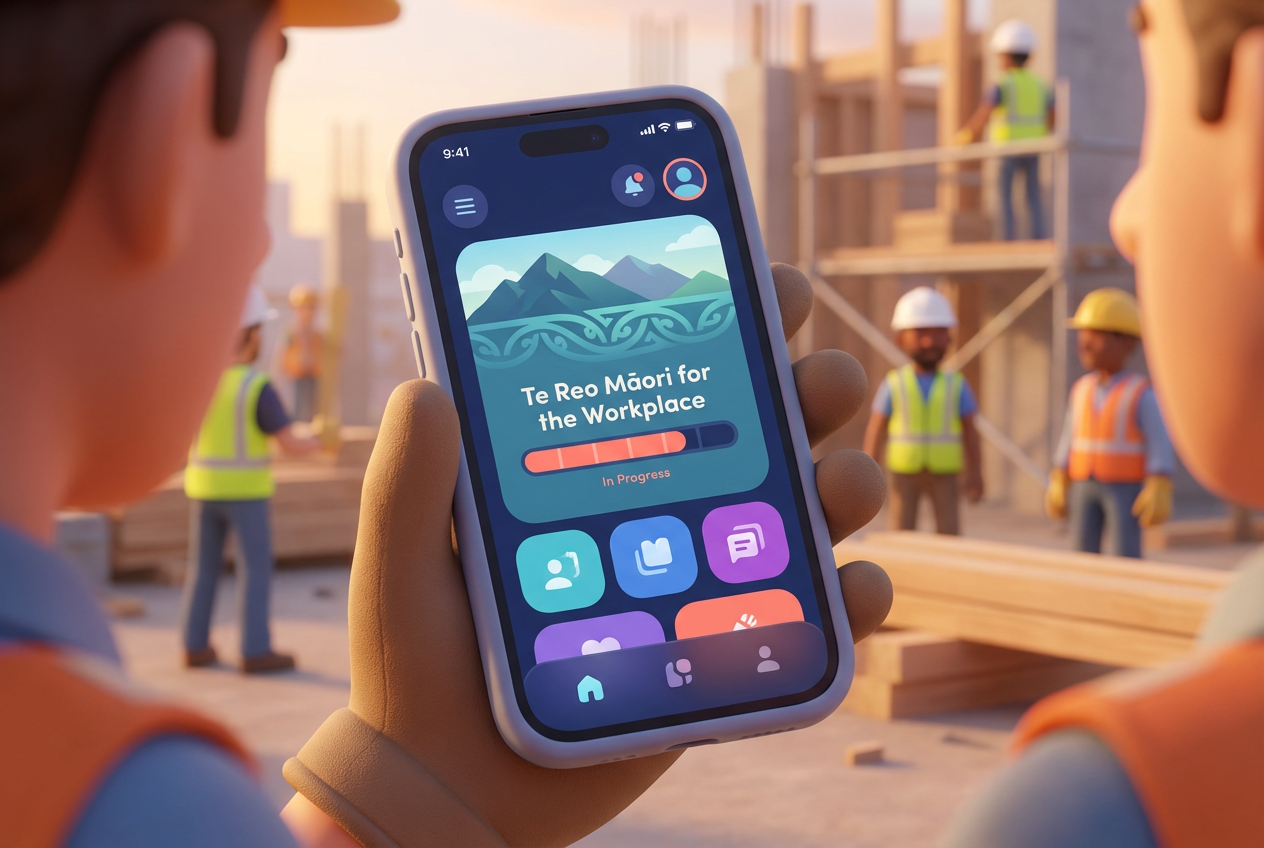
Support for Te Ao Māori in the workplace is a core requirement, not a nice-to-have. The best platforms make it simple to host and deliver Te Reo Māori and cultural safety modules, which matters for organisations honouring their commitments under the principles of the Treaty of Waitangi. This is an area where global platforms regularly fall short.
Many Kiwi employees work in cafes, on building sites, in retail stores or on the road. If learning content is hard to reach on a phone, it will not be used. A mobile-first LMS lets learning happen in the flow of work rather than becoming a chore that needs a desktop computer.
Compono Develop is a learning management system that connects training to the rest of your people data instead of treating it as a stand-alone library. Because it sits inside a wider workforce intelligence platform, learning links directly to individual work personality. A Doer tends to engage with practical, task-oriented modules, while a Pioneer responds to imaginative, future-focused content, and managers can build development paths accordingly.
Compono is headquartered in Australia with staff across New Zealand, so support runs on your clock and your account manager knows the difference between a business in Auckland and one in Invercargill. The honest boundary: Develop is at its best for mid-market organisations building learning into a wider hiring and engagement strategy. If you only want a big off-the-shelf course marketplace and nothing else, one of the global libraries may suit you better.
Totara began life as a fork of Moodle and was born in New Zealand, so it has genuine local heritage. It excels in compliance-heavy environments, with strong reporting and multi-tenancy that suit large enterprises and government departments. The trade-off is that most organisations need a third-party partner for implementation and ongoing support, which adds cost and an extra layer of communication.
Moodle remains popular in New Zealand, particularly in the education sector and in organisations with capable internal IT teams. Its open-source nature means you can build almost anything. The catch is well known: hosting and custom development costs add up quickly, security sits with you, and without dedicated developers the user experience can end up clunky enough to hurt engagement.
TalentLMS is a strong pick for smaller teams that need to get running quickly. It is easy to use, has a clean interface and a low entry cost. It lacks the localised compliance depth and Trans-Tasman support of the platforms above, so treat it as an entry-level choice for straightforward training needs rather than a long-term compliance backbone.
Cornerstone is a global heavyweight with a very large feature set and content library. For multinationals operating in New Zealand that want one consistent global standard, it does the job. The common complaints are the price point and support that can feel distant from the local context.
New Zealand's labour market has a real mismatch between the skills employees have and the skills businesses need. That makes the LMS decision strategic rather than administrative. Instead of a spray-and-pray approach where everyone sits through the same generic courses, map the competencies each role requires and build specific learning paths to get people there.
Retaining and upskilling existing talent is more cost-effective than constant recruitment in a tight market, and being known as a learning organisation is a genuine recruitment and retention advantage. Soft skills belong in that plan too. Pairing your LMS with engagement data from Compono Engage shows you where leadership, communication or capability gaps are hurting the team, so training spend goes where it will actually move performance.
Avoid the big-bang rollout. Start with your most critical compliance needs or one department that is hungry for development, iron out the kinks, and build internal champions who drive adoption everywhere else. A typical mid-market business is up and running within 4 to 8 weeks.
Use the migration as a content audit. If a legacy course is no longer relevant or engaging, do not move it. And explain the why to your team: when people understand the LMS exists to support their growth rather than just track them, engagement climbs sharply.
Compliance tracking and learning paths matched to work personality, from a team that answers in your time zone. Rated 4.8/5 on Capterra.
Talk to usFor most mid-market New Zealand teams, Compono Develop is the strongest choice because it pairs Trans-Tasman support with compliance tracking and learning tied to people data. Totara Learn suits compliance-heavy enterprises, Moodle suits teams with internal IT, and TalentLMS suits small teams with simple needs.
An LMS automates the tracking and reporting of mandatory training such as health and safety or industry certifications. It reminds staff before qualifications expire and produces audit-ready reports, helping your business stay compliant with obligations like the Health and Safety at Work Act.
Yes. Modern platforms let you host custom content, including Te Reo Māori and cultural competency modules. That capability matters for organisations building an inclusive culture and honouring the principles of the Treaty of Waitangi.
A mid-market business can usually be up and running within 4 to 8 weeks. A staged approach that starts with a pilot group or a single compliance program is the most reliable path to full adoption.

The 12 best LMS platforms for Australian organisations in 2026, compared: five local players, the global suites, how to choose, and who each one fits.
How a competency management platform helps New Zealand childcare providers track educator qualifications, manage compliance and support growth.

How to choose a competency management platform for disability services in Australia to track skills, meet compliance and improve care quality.
 Compono