Skip to the main content.

THE AI THAT ACTUALLY UNDERSTANDS YOU.

Hey Compono helps you understand your personality and how to turn it into your superpower.

First 1,000 users get 10 minutes free.

Just $15 a month after that — cancel anytime.

Hey Compono!

The AI coach that actually gets you.

First 1000 users get 10 minutes free.

Get Started ≫

5 min read

LMS New Zealand: How to choose the right platform for your team

LMS New Zealand: How to choose the right platform for your team

An LMS in New Zealand must provide more than just a place to host videos; it needs to bridge the gap between compliance requirements and genuine skill development while supporting the unique cultural and regulatory landscape of the local market.

Key takeaways

  • Modern learning management systems must balance mandatory compliance training with proactive career development to retain top talent.
  • Cloud-based platforms offer the flexibility needed for New Zealand's increasingly hybrid and remote workforce.
  • Integrating personality insights into your learning strategy ensures that training delivery matches how your employees naturally process information.
  • Local support and data sovereignty remain high priorities for Kiwi HR leaders managing sensitive employee information.

Finding the right LMS in New Zealand often feels like a balancing act. You are likely managing a lean HR team and trying to keep up with shifting health and safety regulations, all whilst attempting to build a culture of continuous improvement. Many organisations find that their current systems are either too clunky for users to enjoy or too basic to provide any real data on skill gaps.

We have seen many businesses struggle with 'shelfware' – software that is purchased with high hopes but eventually ignored by the staff it was meant to empower. The challenge isn't just about finding a library of content. It is about finding a central hub that aligns with your specific business goals and the way your people actually work. In a market where talent is mobile, providing a clear path for growth is one of the most effective ways to keep your best people engaged.

Understanding the New Zealand learning landscape

The workplace in Aotearoa has unique requirements that global platforms sometimes overlook. Whether it is ensuring your health and safety training meets local standards or finding a platform that feels culturally inclusive, the context matters. An LMS in New Zealand needs to be accessible for everyone – from the person at a desk in Auckland to a technician in the field in Otago.

When we look at high-performing teams, we notice a common thread: they don't treat learning as a 'tick-box' exercise. Instead, they use technology to create a self-service environment where employees can take ownership of their development. This shift from 'push' learning (where managers assign tasks) to 'pull' learning (where employees seek knowledge) is a hallmark of modern workforce intelligence.

At Compono, we believe that learning should be deeply personal. By understanding the unique work personality of each team member, leaders can tailor their development approach. For example, a Doer might prefer practical, hands-on modules with clear instructions, whereas a Pioneer will likely thrive in an environment that allows for creative problem-solving and experimental learning content.

The shift from compliance to capability

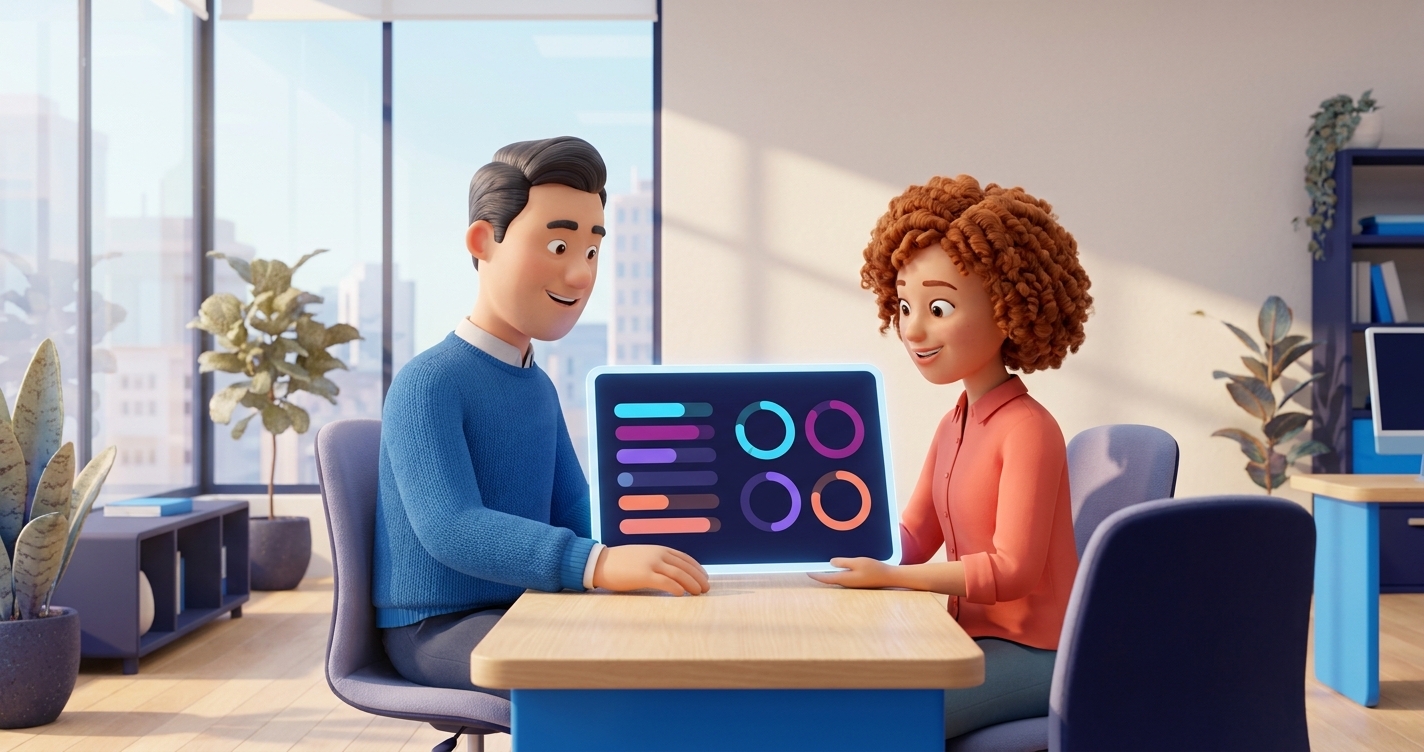
Section 1 illustration for LMS New Zealand: How to choose the right platform for your team

For a long time, the primary role of an LMS was to keep the company out of trouble. While compliance is still vital, the focus has shifted toward building capability. This means identifying the skills your business will need in three years and starting to build them today. If your platform only tracks who has finished a fire safety quiz, you are missing out on a massive opportunity to grow your internal talent pool.

A modern learning strategy uses data to identify where the gaps are. If you know a specific department is struggling with conflict resolution, you can deploy targeted modules to address it immediately. This proactive approach saves time and prevents small issues from becoming cultural roadblocks. It also makes the ROI of your software much easier to explain to the board when you can show a direct link between training and performance metrics.

To help teams bridge these gaps, we developed Compono Develop. It is designed to move beyond simple course hosting by providing a structured way to build the specific competencies your organisation needs to thrive. By linking learning directly to career paths, you give your employees a reason to stay and grow with you.

Why user experience is the 'make or break' factor

If an LMS is hard to use, your team simply won't use it. We have all experienced the frustration of trying to navigate a portal that feels like it was designed in the late nineties. In today's world, your employees expect a learning interface that feels as intuitive as the apps they use in their personal lives. This means mobile responsiveness, clean layouts, and a search function that actually works.

Engagement isn't just a buzzword – it is the metric that determines whether your training budget is being spent or invested. When learning is frictionless, it becomes part of the daily workflow rather than a chore. This is particularly important for New Zealand businesses with multi-generational workforces. Your platform needs to be simple enough for a digital novice but powerful enough for a tech-savvy graduate.

We often reference The Compono Culture, Engagement & Performance Model when discussing these challenges. It shows that when employees feel supported in their growth and have the right tools to succeed, their engagement levels naturally rise. A well-implemented LMS is a physical manifestation of your commitment to your people's success.

Integrating personality into the learning journey

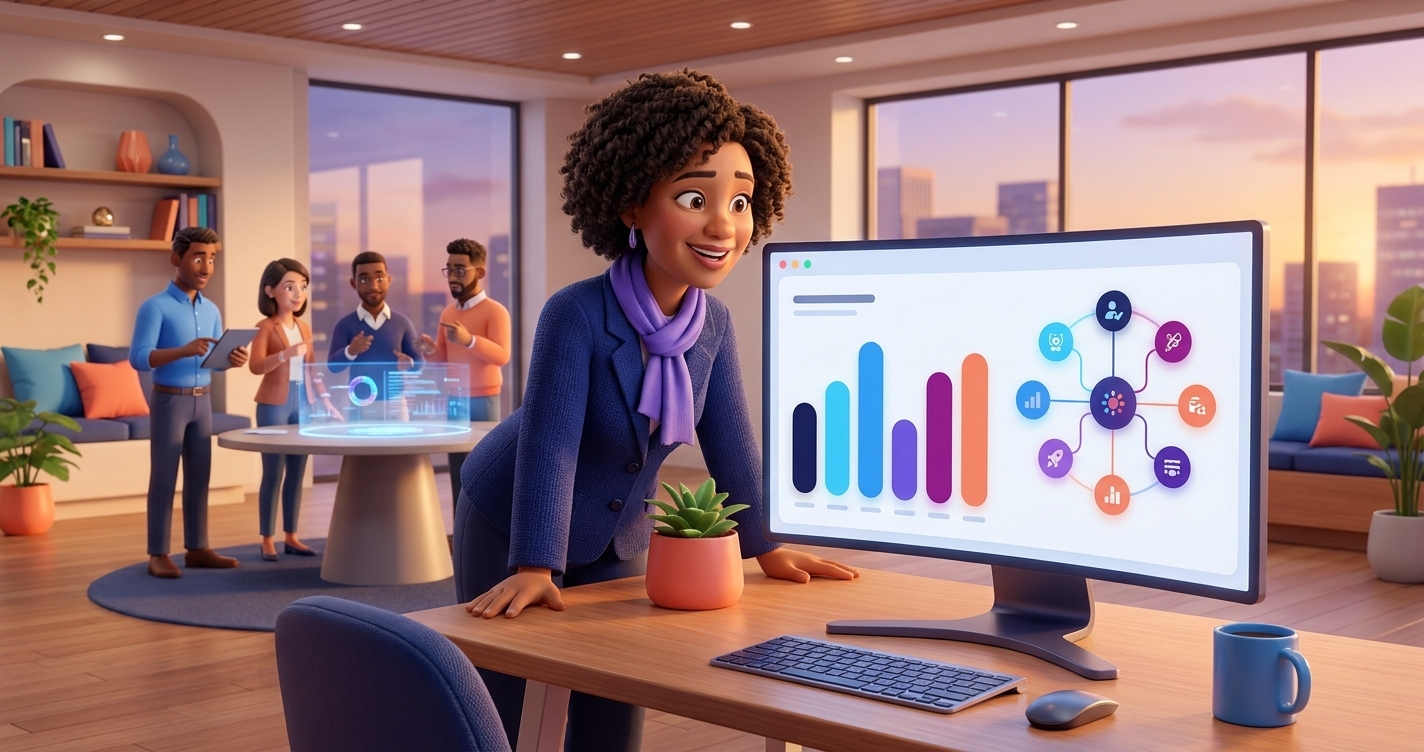
Section 2 illustration for LMS New Zealand: How to choose the right platform for your team

One of the biggest mistakes a business can make is assuming that everyone learns the same way. A one-size-fits-all approach to training often leaves half the room bored and the other half overwhelmed. By integrating personality insights into your LMS strategy, you can customise the experience to suit different working styles.

Consider how a Helper might engage with a leadership module. They will likely focus on the empathetic and collaborative aspects of the content. On the other hand, an Evaluator will want to see the data, the logic, and the results-driven benefits of the new strategy. When your LMS allows for this kind of nuance, the training 'sticks' much better.

This level of intelligence is what separates a standard platform from a workforce intelligence tool. When you use Compono Engage alongside your learning efforts, you gain a clearer picture of how your team feels about their development. This feedback loop allows you to refine your content and delivery methods in real time, ensuring that your learning culture remains vibrant and relevant.

Key insights

  • The best LMS for New Zealand businesses combines local compliance needs with global best practices for user engagement.
  • Shifting from a compliance-only mindset to a capability-building strategy is essential for long-term talent retention.
  • User experience is the primary driver of platform adoption; if the interface is clunky, the training will fail.
  • Personalising learning content based on work personality types significantly improves knowledge retention and employee satisfaction.
  • Integrating learning data with engagement surveys provides a holistic view of your organisation's health and growth potential.

Where to from here?

FAQs

What should I look for in an LMS for a New Zealand business?

You should prioritise a platform that offers mobile accessibility, easy integration with your existing HR tools, and the ability to host both local compliance content and custom internal training. Local support and an intuitive user interface are also critical for high adoption rates amongst Kiwi teams.

How does an LMS help with employee retention?

An LMS supports retention by providing employees with clear development paths and opportunities to upskill. When people see that a company is investing in their future and offering a way to progress their careers, they are far more likely to stay long-term.

Can an LMS help with New Zealand health and safety compliance?

Yes, a good LMS allows you to automate mandatory training, track completion rates, and store certifications in one central place. This ensures you have an audit trail for compliance with the Health and Safety at Work Act and other local regulations.

Is it better to have a local or global LMS provider?

While global providers offer scale, a provider with a strong local presence understands the specific nuances of the New Zealand market – such as cultural values and local employment laws. The key is finding a platform that offers world-class technology with a deep understanding of local workforce needs.

How do I measure the success of my LMS implementation?

Success can be measured through several metrics: course completion rates, user engagement scores, and the reduction of skill gaps within your team. Ideally, you should also see a positive impact on employee engagement surveys and internal promotion rates.

Related

Best LMS for New Zealand teams: a guide to smarter learning

Best LMS for New Zealand teams: a guide to smarter learning

The best LMS for New Zealand businesses is one that balances global-standard technology with local support, ensuring your team stays compliant with...

Read More
Choosing the Right Learning Management Software for Your Organisation

Choosing the Right Learning Management Software for Your Organisation

Picking an LMS isn’t just another software decision—it’s about setting your team up for success. The right platform should fit seamlessly into your...

Read More
LMS for mid-market: a guide to strategic team development

LMS for mid-market: a guide to strategic team development

A Learning Management System (LMS) for mid-market businesses must balance sophisticated automation with a user experience that employees actually...

Read More