

.webp)

 Compono
1 min read
How to build a learning and development strategy
 Mathan Allington
To build a learning and development strategy, start with your business goals for the next year, identify the skills your team needs to reach them,...

A successful learning and development strategy prioritises the alignment of individual work preferences with organisational goals to ensure training actually translates into improved performance.
By focusing on how people naturally prefer to work, we can move beyond generic tick-box exercises and create a culture of continuous improvement that feels intuitive rather than forced.
Key takeaways
- Effective learning and development strategy must be grounded in actual work personality types to ensure engagement.
- High-performing teams require a balance of eight core work activities, including pioneering, coordinating, and helping.
- Training should focus on bridging the gap between current skills and the natural motivations of your staff.
- Measuring the impact of L&D requires looking at team cohesion and conflict resolution, not just course completion rates.
Most of us have experienced the frustration of a learning and development strategy that looks great on a spreadsheet but fails in the real world. You invest in expensive programmes, your team spends hours in workshops, yet six months later, nothing has changed. The needle hasn't moved on performance, and engagement remains stubbornly flat. Why does this happen so often?
The problem is usually a disconnect between the 'what' and the 'who'. We focus so much on the skills we think a team should have that we forget to look at how those individuals naturally operate. When training feels like a chore that ignores a person's natural work personality, it rarely leads to long-term change. We need a more human-centric approach to growth.
At Compono, we have spent years researching what makes teams thrive. We have found that the most effective way to build a learning and development strategy is to start with workforce intelligence. This means understanding the diverse motivations within your team – whether they are natural Pioneers who crave innovation or Auditors who find satisfaction in precision and order.
To make a learning and development strategy effective, you first need to recognise that not everyone learns or grows in the same way. A one-size-fits-all workshop on 'innovation' might inspire your Campaigners, but it could leave your Doers feeling frustrated by a lack of practical, actionable steps. Growth happens when the training matches the person's natural inclination.
When we understand the work personality of our team members, we can tailor our development efforts. For example, an Advisor might benefit most from conflict resolution and mediation training, as they already have a natural flair for empathy and collaboration. Pushing them into a highly aggressive sales training programme might actually decrease their engagement.
This is where Compono Develop comes into play. By identifying the natural work preferences of your employees, the platform helps you suggest learning paths that actually resonate. When people feel that their development is aligned with their strengths, they are more likely to take ownership of their growth and apply what they've learned to their daily tasks.
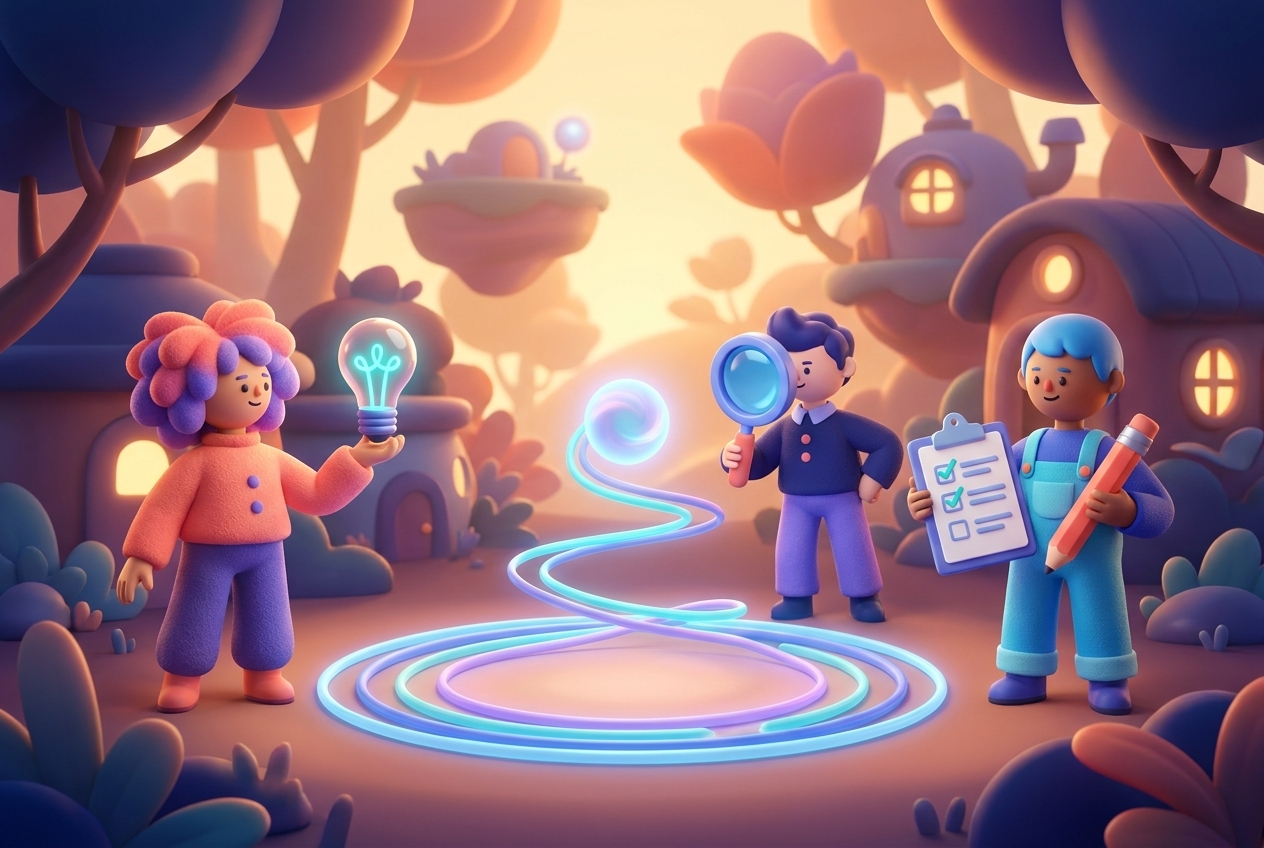
Our research shows that high-performing teams consistently excel in eight key work activities: Evaluating, Coordinating, Campaigning, Pioneering, Advising, Helping, and Doing. A robust learning and development strategy should aim to strengthen these areas across the entire team. It is not just about individual skills; it is about team balance.
If your team is full of Campaigners but lacks Coordinators, your strategy should focus on developing organisational and planning skills. Conversely, a team of Evaluators might need help with 'Pioneering' activities to ensure they don't get stuck in analysis paralysis. Recognising these gaps is the first step toward a smarter training plan.
By mapping these activities, we can see where a team might struggle under pressure. Development shouldn't just be about fixing weaknesses; it is about building a versatile group that can handle any challenge. When we train people to understand these eight activities, they become more aware of how their own behaviour affects the rest of the team's output.
A learning and development strategy shouldn't exist in a vacuum. It actually starts during the recruitment process. When you use a tool like Compono Hire, you gain immediate insight into a candidate's work personality before they even start. This allows you to plan their development path from day one, rather than waiting for a yearly review.
Imagine knowing that your new hire is a Helper who might struggle with asserting their needs in a conflict. You can proactively include communication and assertiveness training in their onboarding. This level of foresight transforms L&D from a reactive fix into a proactive strategic advantage that supports long-term retention.
This holistic view – from hiring to developing – ensures that your culture remains consistent. When you hire for fit and then develop for growth, you create a workforce that feels supported and understood. This is the bedrock of the Compono Culture, Engagement & Performance Model, which highlights how these elements work together to drive success.

The final piece of the puzzle is measurement. Traditional L&D metrics often focus on 'bums on seats' or course completion percentages. However, a modern learning and development strategy needs to look at more meaningful data. Are your teams collaborating better? Is conflict being resolved more efficiently? Is employee engagement actually rising?
We recommend using tools like Compono Engage to track how your development efforts are impacting the overall health of your organisation. If you see that your Coordinators are reporting less stress after a series of project management workshops, you know your strategy is working. Data allows you to refine your approach and prove ROI to senior leadership.
Ultimately, a learning and development strategy is about people. It is about giving them the tools they need to succeed in a way that respects who they are. When we stop treated employees like interchangeable parts and start treating them like unique contributors with specific work personalities, the results speak for themselves. You get more than just a trained workforce – you get a high-performing team.
Key insights
- A successful strategy starts with understanding the unique work personality types within your team.
- L&D should be integrated with the hiring process to create a seamless growth path for every employee.
- Focusing on the eight core work activities ensures that teams remain balanced and versatile.
- Using workforce intelligence allows for proactive development rather than reactive training.
- Success is measured by improved team cohesion and engagement, not just course completion.
How do I start building a learning and development strategy?
Start by assessing your current team's work personalities and identifying the gaps in your core work activities. This workforce intelligence provides the foundation for a plan that actually meets your team's needs.
Why do most training programmes fail to show results?
Most programmes fail because they are too generic and don't account for individual work preferences. When training isn't aligned with how a person naturally works, they are less likely to engage with the content or apply it.
What are the benefits of personalising L&D for different personality types?
Personalisation leads to higher engagement, better retention of information, and a more motivated workforce. It ensures that you are building on an individual's strengths rather than forcing them into a role that doesn't fit.
How often should I update my learning and development strategy?
Your strategy should be a living document that evolves as your team grows. We recommend reviewing your team's performance data and engagement levels quarterly to make necessary adjustments.
Can L&D help with team conflict?
Yes, by training team members to understand their own work personalities and those of their colleagues, you provide them with the language and tools needed to navigate disagreements and collaborate more effectively.

1 min read
To build a learning and development strategy, start with your business goals for the next year, identify the skills your team needs to reach them,...

1 min read
Effective employee training is training that changes behaviour on the job, not training that gets completed. It starts with a clear gap analysis,...

1 min read
Employee skill development is the process of identifying the gap between your team's current capabilities and what the business needs next, then...