

.webp)

 Mathan Allington


How a training management system transforms team performance
 Compono
How a training management system supports employee development, closes skill gaps and helps retention, plus what to look for before you buy.
Employee skill development is the process of identifying the gap between your team's current capabilities and what the business needs next, then closing it with learning that fits each person. The organisations that do it well treat development as a continuous habit matched to individual work preferences, not an annual training event.
Last reviewed July 2026.
The traditional approach to employee skill development, usually a yearly seminar or a library of unwatched videos, no longer hits the mark. Technical skills that were relevant three years ago may already be past their use-by date. That creates constant pressure to upskill, but without a clear map, much of the effort goes into training that does not stick or does not solve the problems the business actually has.
There is often a mismatch between what a company thinks it needs and what employees do day to day. Employees feel their growth is stagnant while leadership wonders why the training budget is not showing up in productivity. The issue is rarely a lack of desire to learn. It is a lack of alignment between the training provided and the natural work preferences of the people receiving it. When you ignore how a person likes to work, you make learning harder than it needs to be.
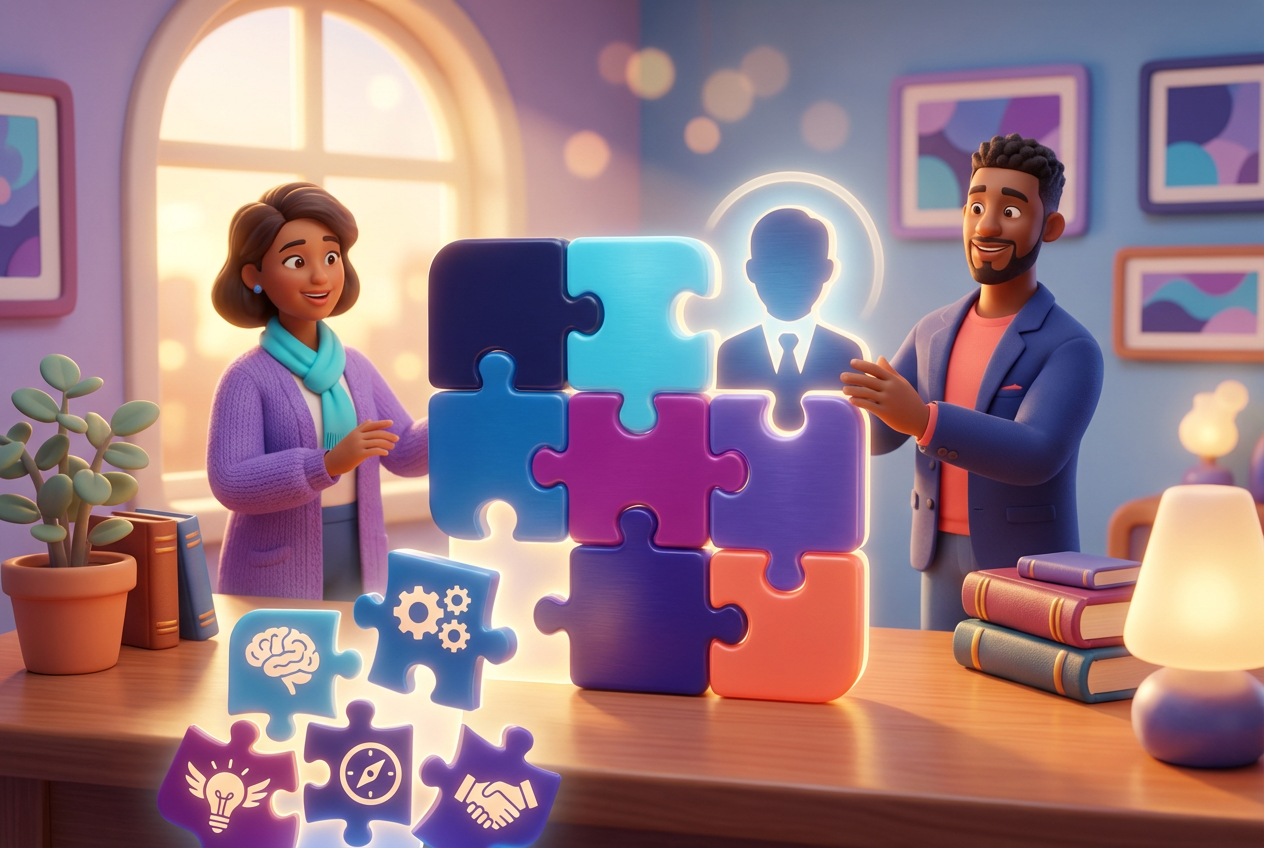
Effective skill development starts with the person behind the professional. Everyone has a dominant work preference, which Compono calls their work personality. An Auditor naturally excels at precision and methodical analysis, so forcing them into a high-pressure, spontaneous sales program will produce poor results, not because they lack ability but because the environment clashes with their strengths.
Tailoring beats the blanket approach. A Pioneer thrives on open-ended problems, so their development path should involve experimental projects and creative strategy. A Coordinator gets the most from learning new systems for efficiency and project management. When the what of learning matches the who of the employee, friction drops and skill acquisition speeds up.
A durable learning culture is not built on expensive annual retreats. It is built on small, frequent opportunities inside the flow of work: peer-to-peer mentoring, lunch-and-learn sessions, or a few hours a week on a project outside someone's usual scope. When learning is part of the daily routine, it becomes a habit rather than a chore, and employees who can see a growth path are far less likely to look elsewhere.
Development is also not just technical. Emotional intelligence, conflict resolution and strategic thinking are the bedrock of high-performing teams. Culture drives engagement, and engagement drives performance, so investing in the interpersonal side of development strengthens the structure of the whole team, not just individual CVs.
The best way to spend your development budget wisely is to stop guessing where the gaps are. Assessments show you the specific skills and personality traits present in the team, which exposes single points of failure, like one person who understands a critical system, so you can train others before it bites. The same data surfaces future leaders who have the temperament for management but need coaching to refine their style.
Compono Develop is a learning and capability platform that lets organisations build personalised learning journeys aligned with both business goals and individual career aspirations. Centralising this data gives HR leaders a real-time map of organisational capability, so development becomes a planning tool rather than a box-ticking exercise. When you know exactly what your team can do, you can plan the future with far more confidence.
Compono Develop maps skills, finds the gaps and builds personalised learning journeys tied to your business goals.
Talk to usMap your team's current capabilities against your business goals for the next 12 months, and look for areas where missing knowledge is causing delays or errors. Work personality assessments also show whether your team covers the full range of work actions, such as evaluating, coordinating and doing.
Work personality determines how someone naturally prefers to engage with tasks. A Campaigner will enjoy development involving networking and persuasion, while an Auditor prefers methodical, detail-oriented learning. Matching the format to the person lifts both motivation and retention.
Yes. Technical skills get the work done, but communication, empathy and problem-solving determine how well a team works together. Developing these capabilities reduces conflict and builds the engagement that underpins performance.
Track a combination of retention rates, productivity, engagement scores and how quickly new skills are applied to real projects. A platform that links development activity to team performance lets you see the connection directly.
How a training management system supports employee development, closes skill gaps and helps retention, plus what to look for before you buy.
How skills gap analysis software maps current capability against future needs, finds hidden talent and shows where to spend your training budget.
Training improves performance when it targets real skill gaps and matches how people work. When it works, when it fails, and how to measure it.
 Mathan Allington