

.webp)

 Compono


Best ichris alternatives for mid-market teams in 2026
 Mathan Allington
Ichris alternatives? Discover why modern HR teams are moving away from legacy databases toward intelligent workforce platforms.
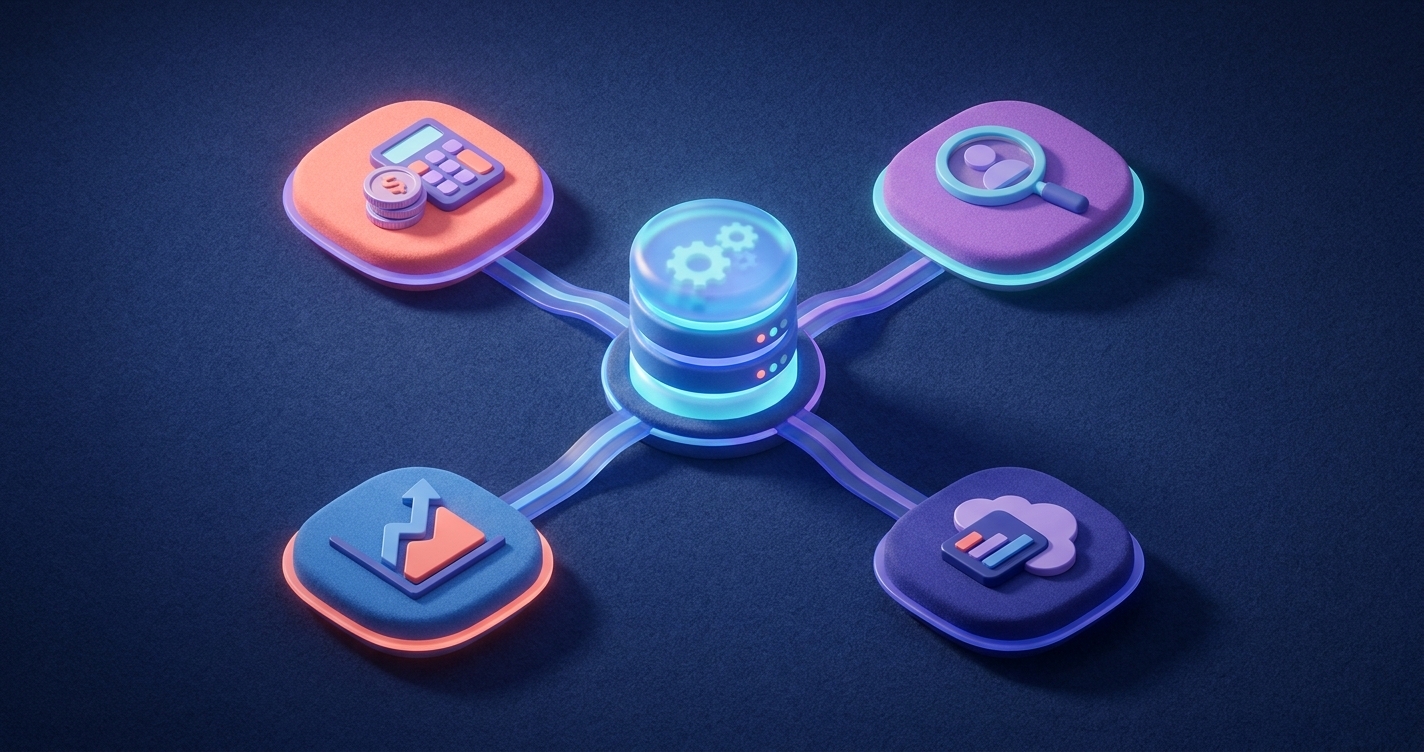
The ideal HR tech stack for 100 to 500 employees moves away from fragmented spreadsheets and centres on three to five well-integrated platforms covering core HRIS, payroll, applicant tracking, and employee engagement.
When your headcount crosses the 100-employee threshold, manual processes break down and the focus must shift from basic administration to strategic workforce intelligence.
Key takeaways
- Companies under 200 employees should prioritise core HRIS and payroll before investing in standalone analytics or complex talent modules.
- Performance management software becomes a necessity around the 150-employee mark when informal review processes stop working.
- A highly effective HR stack for a mid-market business can be built with just three to five core platforms.
- Standalone workforce analytics require at least 50 employees and two to three years of historical data to provide meaningful insights.
- Testing new HR technology with a pilot group of 10 to 20 people prevents expensive rollout failures.
Scaling a business from 100 to 500 employees is the awkward teenage phase of corporate growth. You are too big for manual workarounds and shared spreadsheets, but you are too small to justify the expense and implementation timeline of a massive enterprise system. The processes that helped you reach your first 100 hires will actively hold you back as you push toward 500.
During this growth phase, communication silos form naturally. Managers lose visibility over team performance. Hiring becomes decentralised and inconsistent. The HR function itself is forced to evolve rapidly. A recent advisory note highlights that below 250 employees, HR can often remain predominantly operational, while a fractional CHRO is a fit between 100 and 300 employees (HROne). By the time you reach 500 employees, the business generally requires a full in-house CHRO to manage the complexity.
Building your technology stack during this transition requires discipline. Buying a new point solution for every minor HR problem creates a tangled web of subscriptions and isolated data. You need a deliberate sequence of technology investments that solves immediate operational pain while laying the groundwork for future people analytics.
You cannot build advanced workforce intelligence on a foundation of bad data. The first step in any technology upgrade is securing your system of record. This means getting your core Human Resources Information System (HRIS) and payroll processing right before you look at anything else.
For companies under 200 employees, one framework advises prioritising the HRIS and payroll first, adding Employee Assistance Programs (EAP) early, and treating standalone analytics as premature at that size (CHRO.com.au). The goal here is compliance, accuracy, and basic operational efficiency. If your team is still spending days manually calculating leave balances or fixing payroll errors, you are not ready for predictive analytics or AI-driven talent mapping.
Your core HRIS should act as the single source of truth for employee data. When an employee updates their address, changes their bank details, or requests annual leave, it should happen in one place. This centralisation reduces the administrative burden on your HR team and provides a clean data set for any future tools you plug into the stack.

Once your core HR data is stable, the next operational bottleneck is usually recruitment. Growing from 100 to 500 employees means hiring at a volume that breaks email-based applicant tracking. You need a dedicated Applicant Tracking System (ATS) to manage candidate pipelines, standardise interview feedback, and ensure a fair hiring process.
When selecting an ATS for this growth phase, look for systems that integrate smoothly with your core HRIS. The moment a candidate signs their offer letter, their data should flow directly into your HRIS to trigger the onboarding process. Manual data entry between recruitment and onboarding is a major source of early employee dissatisfaction.
This is where the Compono Hire platform provides a distinct advantage for growing teams. Rather than just tracking resumes, Compono Hire assesses candidates across culture fit, job fit, and work personality. It gives hiring managers objective data to make better decisions, reducing the risk of expensive mis-hires during rapid expansion.
When a company is small, performance management happens organically. The CEO knows everyone, and feedback is continuous. As you scale, this informal approach fractures. Different managers apply different standards. High performers go unrecognised, and underperformers hide in the growing headcount.
One 2026 guide recommends adding performance management software around 150 to 200 employees when the organisation has definitively outgrown informal review processes (WorkTech Desk). At this size, you need a structured way to set goals, track progress, and facilitate regular check-ins between managers and their direct reports.
Alongside performance, you need to measure sentiment. Employee engagement surveys provide the data required to understand how your culture is holding up under the pressure of growth. An annual survey is no longer sufficient. Modern teams require continuous listening tools that capture real-time feedback on team morale, leadership effectiveness, and operational blockers.
There is a strong temptation to buy advanced analytics dashboards early in the growth journey. Business leaders want predictive models for turnover and deep insights into productivity. The reality is that analytics tools are entirely dependent on the volume and quality of your historical data.
Industry frameworks suggest that standalone workforce analytics usually become meaningful at 50+ employees and after two to three years of consistent data collection (FirstHR). If you implement an analytics platform before you have established a reliable HRIS and performance management system, you will end up with expensive dashboards showing incomplete or inaccurate data.
Wait until your core systems have been running smoothly for at least a year. Once you have a reliable baseline of data regarding headcount, turnover, performance ratings, and engagement scores, you can start looking for patterns. This is when HR shifts from a transactional function to a strategic advisory role within the business.
The most common mistake mid-market companies make is buying too much software. It is easy to end up with a separate tool for payroll, benefits, recruitment, onboarding, performance, engagement, and learning. This creates a terrible user experience for employees who have to remember a dozen different logins.
A recent 2026 guide notes that a highly effective HR stack for scaleups can often be built with just three to five well-integrated platforms covering the core pillars of HRIS, ATS, engagement, and learning (Compono). Fewer platforms mean better data flow, easier user adoption, and less administrative overhead for your IT and HR teams.
When evaluating new software, prioritise integration capabilities over flashy standalone features. A tool with fewer features that shares data perfectly with your core HRIS is infinitely more valuable than a feature-rich tool that traps your data in a silo. Always test new tools with a pilot group of 10 to 20 employees before rolling them out company-wide to identify integration issues early.
Looking at how mid-market companies typically build their HR technology, there are clear lessons on what to avoid. If we were designing an HR tech stack for a 200-person company from scratch tomorrow, we would approach the architecture with a different set of priorities.
We would focus entirely on the manager experience. Most HR software is bought by HR professionals, for HR professionals. The end result is a system that works beautifully for the people team but creates friction for the line managers who actually have to use it daily. If a performance management tool requires a manager to click through seven screens to log a weekly 1-on-1, they simply won't do it. Adoption fails at the manager level first.
We would also consolidate vendors earlier. The market has moved away from hyper-specialised point solutions. Modern platforms now offer broad functionality across the entire employee lifecycle. Choosing a unified human resource system reduces the friction of moving data between systems and provides a single, coherent user interface for your staff.
Key insights
- Growth from 100 to 500 employees requires a shift from operational HR administration to strategic workforce planning.
- Data integrity in your core HRIS and payroll must be secured before investing in advanced talent or analytics tools.
- Manager adoption is the primary metric for HR tech success – if the software creates friction for line managers, the implementation will fail.
- Consolidating your tech stack into three to five core platforms provides better data visibility and a superior employee experience.
Scaling your mid-market business requires genuine people intelligence, not just basic administrative software. Compono gives you the tools to hire smarter, assess team fit, and engage your workforce through a unified platform designed for growing organisations.
Related reading
At 100 employees, a reliable core HRIS and payroll system is the absolute priority. You need a single source of truth for employee data, leave management, and compliance before you can effectively implement any other technology.
Most businesses can manage with an operational HR lead and a fractional CHRO between 100 and 300 employees. A full in-house Chief Human Resources Officer is generally justified when a company crosses the 500-employee mark and requires complex strategic workforce planning.
A highly effective HR tech stack for a midsize company can usually be built with just three to five well-integrated platforms. This typically covers a core HRIS/payroll system, an applicant tracking system, a performance/engagement tool, and a learning management system.
Implementations usually fail because the software was chosen for its HR administrative features rather than its usability for everyday line managers. If a system is too complex or creates friction for managers trying to do their daily jobs, adoption rates will plummet.
You measure ROI by tracking the reduction in administrative hours spent on manual tasks, the decrease in time-to-hire, improvements in employee retention, and the consolidation of software subscription costs. The ultimate measure is whether the business has accurate data to make strategic workforce decisions.
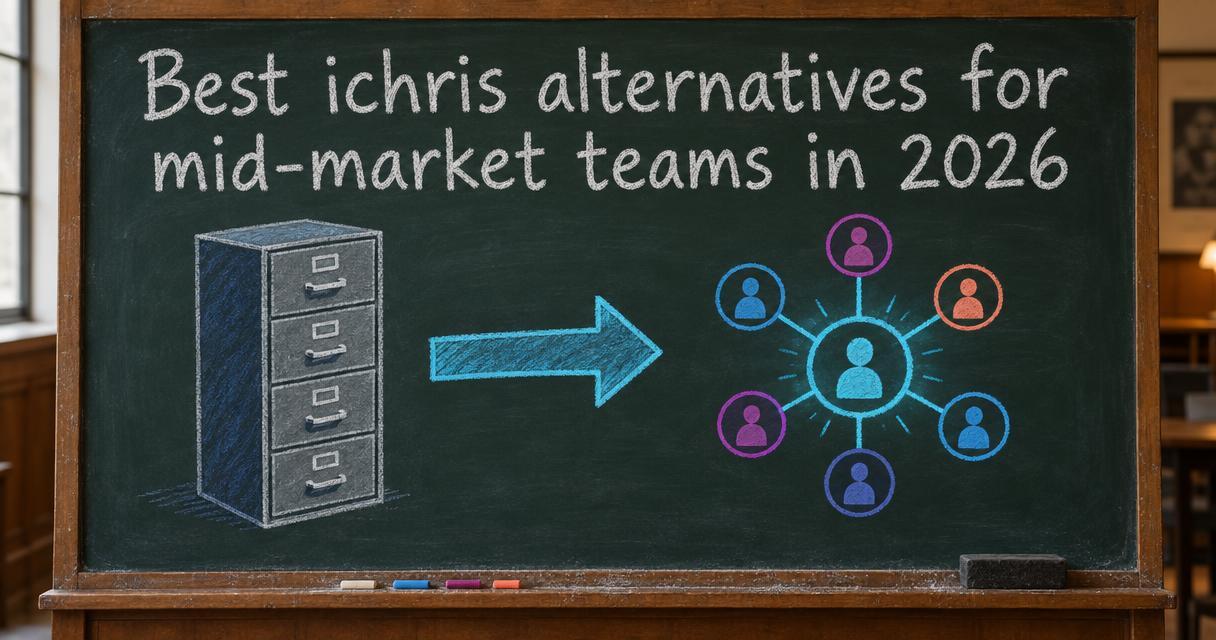
Ichris alternatives? Discover why modern HR teams are moving away from legacy databases toward intelligent workforce platforms.
The 12 best HR software platforms for Australian businesses in 2026, compared on lifecycle coverage, people insight and local fit, with honest...
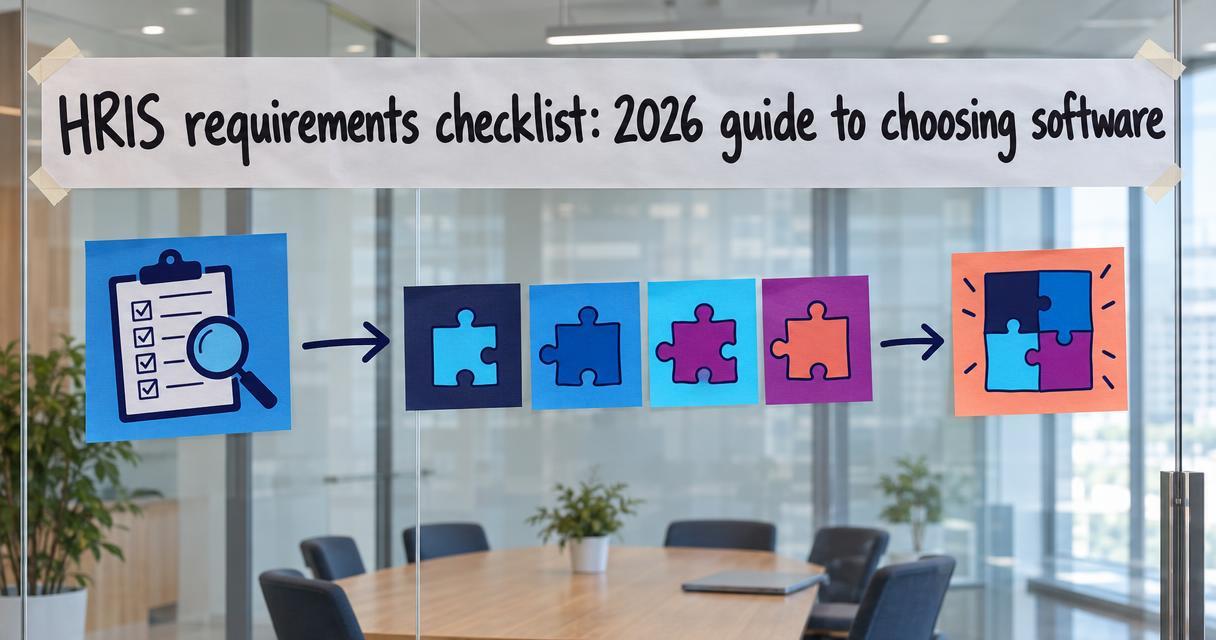
Use this comprehensive 2026 HRIS requirements checklist to evaluate vendors, avoid tool sprawl, and choose the right human resources information...