

.webp)

 Compono


1 min read
How heads of people use work personality tests to build teams
 Compono
Heads of people use work personality tests to align individual natural strengths with specific team activities, ensuring that every role is filled by...
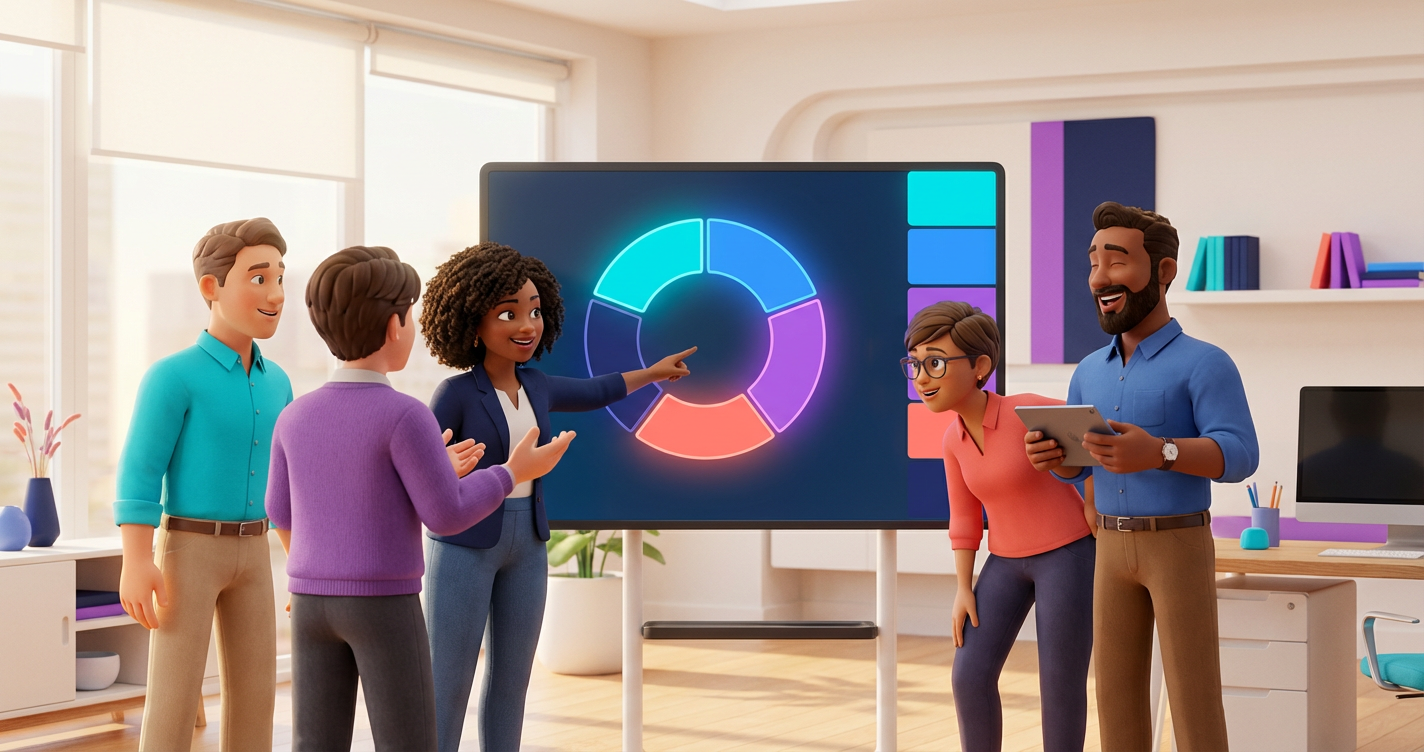
HR software should serve as the digital backbone of your organisational culture, enabling you to identify, engage, and develop talent through data-driven insights rather than guesswork.
Selecting the right platform is not merely about digitising paper records; it is about building a sustainable ecosystem where people and strategy align. When you choose tools that reflect your specific team needs, you reduce administrative friction and create space for high-value leadership activities.
Key takeaways
- Modern HR software must move beyond basic administration to offer deep workforce intelligence and cultural alignment.
- Effective platforms integrate hiring, engagement, and development into a single, cohesive employee experience.
- Data-driven insights into work personality allow managers to build more balanced and higher-performing teams.
- The right technology helps bridge the gap between individual career aspirations and organisational goals.
Many mid-market organisations struggle with a patchwork of disconnected systems that fail to communicate. You might have one tool for payroll, another for recruitment, and perhaps a third for annual performance reviews. This fragmentation creates data silos, making it nearly impossible to see the 'big picture' of your workforce health. When information is scattered, your people leaders spend more time reconciling spreadsheets than they do supporting their teams.
This lack of integration often leads to a disjointed employee experience. A new hire might feel welcomed during a sleek recruitment process, only to find themselves lost in a clunky, outdated onboarding system. At Compono, we believe that the transition from a candidate to a productive team member should be seamless. By centralising your people data, you ensure that the insights gained during the hiring phase inform how you manage and develop that individual throughout their entire tenure.
Beyond the administrative headache, fragmented HR software prevents you from spotting critical trends. Without a unified view, you might miss the early warning signs of burnout or fail to identify which teams are lacking specific work personalities required for their upcoming projects. Moving to a consolidated Business Platform allows you to turn static data into actionable workforce intelligence.

The traditional role of HR software was to store records – think of it as a digital filing cabinet. However, the modern workplace demands more. You need a platform that helps you understand the 'why' behind team performance. This is where workforce intelligence comes into play. It involves using behavioural science and data to understand how your people think, work, and collaborate.
For example, instead of just tracking attendance, modern platforms allow you to assess the natural work preferences of your staff. When you understand whether a team is heavy on Pioneers but lacking Auditors, you can proactively adjust your hiring strategy or project assignments. This level of insight transforms HR from a cost centre into a strategic partner that directly impacts the bottom line.
At Compono, we’ve spent years researching the Compono Culture, Engagement & Performance Model to ensure our technology supports these deep insights. By using a platform that prioritises 'fit' – including organisation, job, and personality fit – you create a more resilient workforce. This transition from simple administration to sophisticated intelligence is the hallmark of a mature people strategy.
High-performing teams aren't just a collection of high-performing individuals; they are groups of people whose natural work styles complement one another. When evaluating HR software, look for features that help you map these dynamics. If your software only looks at skills and experience, it’s missing the most critical ingredient for success: how people actually interact under pressure.
Consider a scenario where a team is tasked with a highly detailed compliance project. If that team is comprised entirely of Campaigners, they might excel at selling the vision but struggle with the meticulous documentation required. Conversely, a team of Doers will get the work done but might miss opportunities to innovate. The right technology helps you identify these gaps before they become performance issues.
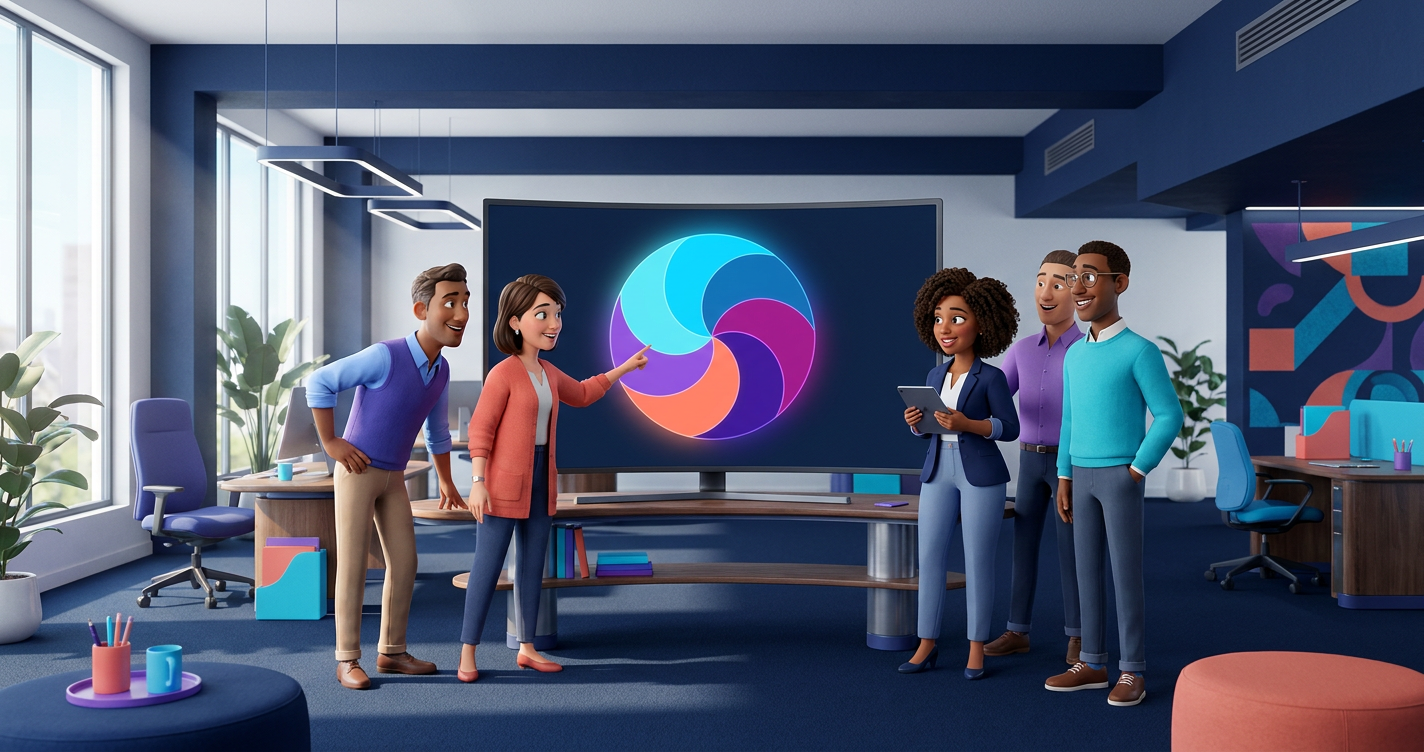
Compono allows you to invite every employee to complete a work personality assessment, providing leaders with a 'team wheel' that visualises the collective strengths and blind spots. This intelligence is invaluable for day-to-day management and long-term team design. When you can see that a team is missing Coordinators, you know exactly what to look for in your next hire to bring the group into balance.
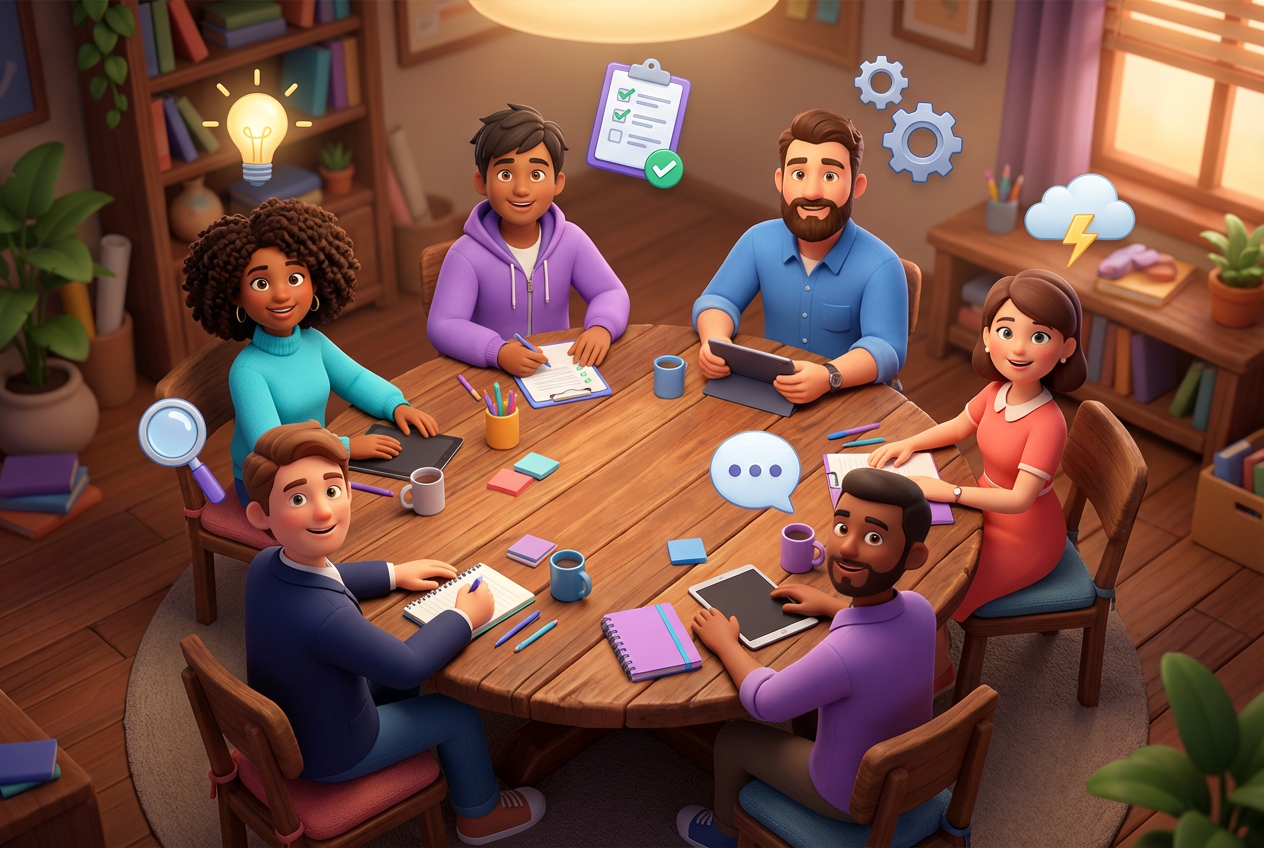
Recruitment is often the first point of contact a person has with your brand, and the software you use dictates the quality of that experience. However, the goal shouldn't just be to fill a vacancy quickly. The goal is to find someone who will thrive in your specific environment and stay for the long term. This requires a shift from 'hiring for skills' to 'hiring for fit'.
A robust hiring tool should automate the heavy lifting – like scoring and ranking candidates – while providing deep insights into how a candidate compares to your existing high performers. It should evaluate more than just a CV; it should look at the candidate’s values and natural work behaviours. This reduces the risk of 'bad hires' which, as we know, can cost an organisation significant time and capital.
Software like Compono Hire achieves this by assessing candidates across three dimensions: Organisation Fit, Job Fit, and Personality Fit. By using these data points, you can move beyond gut feel and make hiring decisions that are backed by science. This ensures that every new person added to the team strengthens the existing culture rather than diluting it.
Once you’ve hired the right people, the focus shifts to keeping them engaged and helping them grow. HR software plays a vital role here by providing a structured framework for feedback and development. Engagement is not a 'set and forget' metric; it fluctuates based on leadership, workload, and career clarity. You need tools that allow you to take the pulse of your organisation in real time.
Continuous development is also a key driver of retention. Employees today want to know that their employer is invested in their future. Technology can facilitate this by matching individual career aspirations with the skills the business needs to grow. It turns the annual performance review – often a dreaded box-ticking exercise – into an ongoing dialogue about growth and contribution.
Platforms like Compono Develop help you bridge this gap by aligning learning pathways with identified skill gaps. When your software connects engagement data with development opportunities, you create a powerful engine for internal mobility. This not only saves on external recruitment costs but also builds a loyal, highly skilled workforce that feels seen and valued.
Key insights
- The best HR software integrates workforce intelligence to provide a holistic view of team dynamics and cultural fit.
- Shifting from administrative tracking to behavioural analysis allows leaders to make more strategic, data-driven people decisions.
- A unified platform ensures a consistent employee experience from the initial application through to long-term career development.
- Understanding work personality types – like Advisors, Helpers, and Pioneers – is essential for building balanced, high-performing teams.
Choosing the right HR software is a journey toward better workforce intelligence and stronger team performance. If you are looking to move beyond basic administration and start building a culture-first organisation, we can help.
HR software improves performance by providing managers with data-driven insights into team dynamics. By understanding individual work personalities and engagement levels, leaders can assign tasks more effectively, resolve conflicts faster, and identify skill gaps before they impact project delivery.
An Applicant Tracking System (ATS) primarily manages the recruitment workflow and candidate documents. A workforce intelligence platform, like Compono, goes further by using behavioural science to assess cultural fit and predicting how a candidate will perform within a specific team environment.
Absolutely. In fact, mid-sized organisations often see the greatest ROI from these tools because they lack the massive HR departments of global enterprises. Software provides the 'corporate psychologist' insights that help smaller teams scale efficiently without losing their unique culture.
While administrative efficiencies are often immediate, the cultural benefits – such as improved retention and better hiring quality – typically become measurable within three to six months as data begins to inform leadership decisions and recruitment outcomes.
Yes, by facilitating better engagement tracking and personalised development plans. When employees feel their natural work style is understood and they have a clear path for growth, they are significantly more likely to remain with the organisation long-term.
1 min read
Heads of people use work personality tests to align individual natural strengths with specific team activities, ensuring that every role is filled by...
1 min read
The best culture platform in Northern Territory is one that combines deep psychometric insights with practical engagement tools to help leaders...

1 min read
The best LearnUpon alternative depends on what your LMS is failing to do. If you need stronger course delivery, plenty of platforms compete on...
 Mathan Allington