Skip to the main content.

THE AI THAT ACTUALLY UNDERSTANDS YOU.

Hey Compono helps you understand your personality and how to turn it into your superpower.

Get 10 minutes free.

Just $15 a month after that — cancel anytime.

Hey Compono!

The AI coach that actually gets you.

Get 10 minutes free

Get Started ≫

5 min read

How to build high performing teams

How to build high performing teams

To build high performing teams, you must align individual work personality types with the eight critical work activities – Evaluating, Coordinating, Campaigning, Pioneering, Advising, Helping, and Doing – while adapting leadership styles to the specific needs of the situation.

Key takeaways

  • High performing teams are built on a foundation of cognitive diversity where different work personalities balance each other's natural blind spots.
  • Effective leadership is a continuum that requires shifting between directive, democratic, and non-directive styles based on task urgency and team experience.
  • A team's success depends on performing eight key work actions, ensuring that no critical activity like 'Doing' or 'Evaluating' is neglected.
  • Resolving conflict through the lens of personality allows leaders to turn friction into a catalyst for innovation and strategic growth.

We have all seen it happen – a group of incredibly talented individuals comes together, yet the results are underwhelming. You might have the best industry experts in the room, but if they aren't aligned on how they work together, the engine stalls. The problem isn't a lack of skill; it's often a lack of workforce intelligence.

Building high performing teams is not a matter of luck or simply hiring the person with the most impressive CV. It requires a deep understanding of how people naturally think, communicate, and handle pressure. When we ignore these underlying psychological drivers, we end up with teams that 'clash' or, perhaps worse, teams that suffer from groupthink because everyone approaches problems in the exact same way.

The foundation of work personality

At Compono, we have spent years researching what makes teams thrive. Our research has fused academic theory with personality science to map the natural work preferences of individuals. We call this work personality. It is the secret sauce that explains why some people love diving into the data whilst others want to sell the big vision.

To build high performing teams, you first need to recognise that every person has a dominant preference for how they spend their energy. If you ask a natural 'Pioneer' to spend forty hours a week on meticulous data entry, you aren't just wasting their talent – you are actively draining the team's creative battery. Conversely, asking a 'Doer' to spend all day in abstract brainstorming sessions without a clear action plan will lead to frustration and disengagement.

By using the Compono Culture, Engagement & Performance Model, leaders can begin to see the invisible threads that hold a team together. When you understand the work personality of each member, you can stop guessing why projects are hitting roadblocks and start designing workflows that play to everyone's natural strengths.

The 8 work actions for team success

Section 1 illustration for How to build high performing teams

Our research identifies eight key work activities that all high performing teams must perform. These are: Evaluating, Coordinating, Campaigning, Pioneering, Advising, Helping, and Doing. If your team is missing one of these, or if one is over-represented, the balance is off. Imagine a team of five Campaigners. You will have plenty of enthusiasm and big dreams, but you might struggle to actually finish a project because nobody wants to handle the 'Doing' or the 'Auditing'.

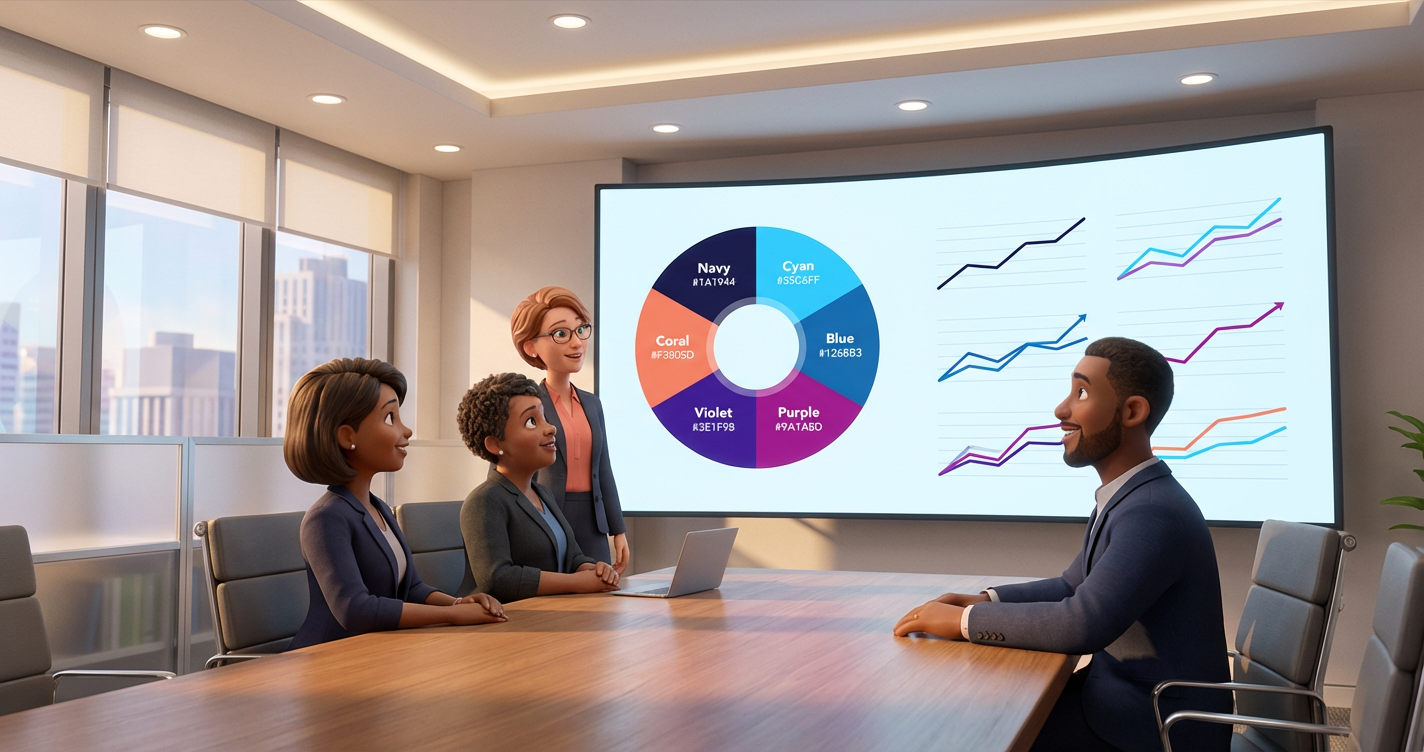
High performing teams need Evaluators to weigh up options and identify risks. They need Coordinators to make the plan and enforce deadlines. Without this balance, the team's output becomes lopsided. For example, a team heavy on 'Auditors' might be incredibly accurate but too slow to move on new opportunities because they are stuck in a cycle of over-analysis.

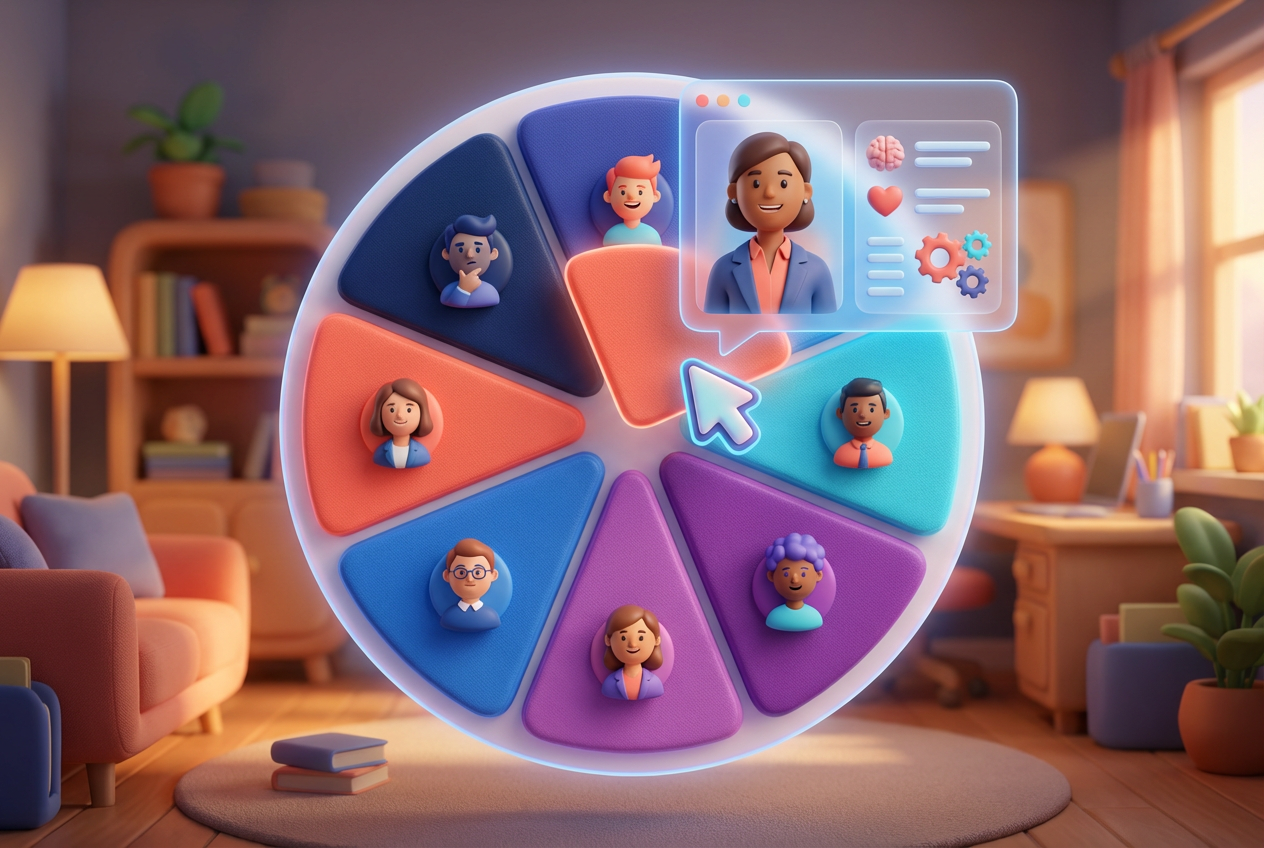
This is where Compono Engage becomes invaluable. It allows you to plot every team member on a visual wheel, showing you exactly where your gaps are. If you see a giant hole where the 'Advisors' should be, you know exactly what kind of personality you need to look for in your next hire to round out the team's capabilities.

Adapting leadership to the situation

Building high performing teams also requires a leader who knows when to step in and when to step back. Leadership exists on a continuum from Directive to Non-Directive. A common mistake is thinking there is one 'perfect' style. In reality, the best leaders are like chameleons – they adapt their behaviour based on the task urgency and the team's experience level.

Directive leadership is essential in a crisis or when a team is inexperienced and needs clear, step-by-step instructions. However, if you use this style with a team of highly skilled 'Pioneers', you will crush their motivation. They thrive under Non-Directive leadership, where they are given autonomy and trusted to innovate. Democratic leadership, which balances guidance with team input, is the 'middle ground' that works best for collaborative problem-solving.

We find that your own work personality often dictates your default leadership style. Doers and Coordinators often lean towards a Directive style because they value efficiency and results. Meanwhile, Helpers and Advisors naturally gravitate towards Democratic or Non-Directive styles because they prioritising harmony and autonomy. The trick to high performance is learning to 'flex' out of your comfort zone when the situation demands it.

Turning conflict into collaboration

Section 2 illustration for How to build high performing teams

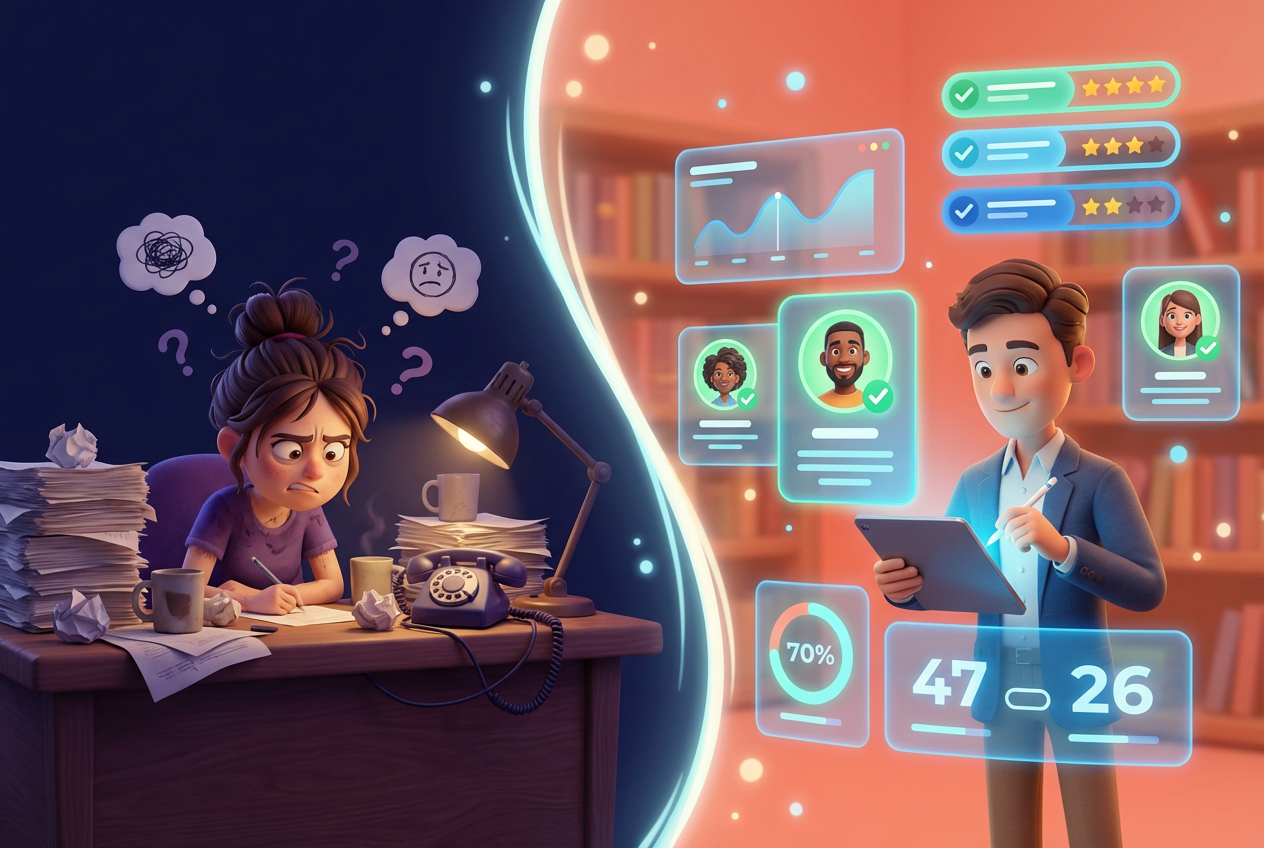
Conflict is inevitable when you build high performing teams, but it doesn't have to be destructive. In fact, the right kind of conflict – cognitive conflict – is what prevents groupthink. The key is managing the friction between different personality types. When an Evaluator clashes with a Campaigner, it is usually because one is focused on logic and risk whilst the other is focused on vision and energy.

As a leader, your job is to bridge that gap. You might say to the Campaigner, 'How can we turn these ideas into a project timeline?' whilst telling the Evaluator, 'Let’s consider the long-term benefits of this approach before we dismiss it.' By framing the conversation around the value each person brings, you move away from personal attacks and towards strategic solutions.

When you are looking to grow your team, Compono Hire helps you find the right 'fit' from the start. It assesses candidates across Organisation Fit, including personality and values, ensuring that your new hire doesn't just have the skills, but also the right work personality to complement your existing team dynamic. This proactive approach to team design is what separates good teams from truly high performing ones.

Key insights

  • Work personality is the primary driver of how individuals contribute to team goals and interact with colleagues.
  • A balanced team must cover all eight critical work actions to ensure both innovation and execution are achieved.
  • Leadership must be flexible, moving between directive and non-directive styles depending on the team's maturity and the task's urgency.
  • Conflict is a tool for growth when leaders understand the underlying personality differences causing the friction.

Where to from here?

Explore: Platform

Talk to an expert: Book in a 15-minute chat to get a walkthrough of Compono.

Frequently asked questions

What are the main characteristics of high performing teams?

High performing teams are characterised by clear goals, a balance of diverse work personalities, and a high level of psychological safety. They effectively perform eight key work actions – including Pioneering, Coordinating, and Doing – to ensure that both the 'big picture' and the 'fine details' are managed. They also feature leaders who can adapt their style to suit the situation.

How do you build a high performing team from scratch?

Building a team from scratch starts with identifying the 'work personality' gaps you need to fill. Instead of just hiring for technical skills, use tools like Compono Hire to assess how a candidate's natural work preferences will fit with the existing or intended team structure. Focus on creating a mix of types, such as Evaluators for risk and Campaigners for momentum.

Why is personality important in team performance?

Personality dictates how a person naturally prefers to work. When a team's personalities are understood, leaders can assign tasks that align with natural strengths, reducing burnout and increasing engagement. It also helps in predicting potential conflict points, allowing for better communication and more efficient problem-solving.

What leadership style is best for high performing teams?

There is no single 'best' style. High performing teams require leaders who can move along a continuum. Directive leadership is best for urgent, complex tasks with inexperienced staff, whilst Non-Directive leadership is superior for highly skilled individuals who need autonomy to innovate. The best leaders flex their style based on the team's needs.

How can we resolve conflict in high performing teams?

Conflict should be resolved by looking at the underlying work personalities involved. By understanding that a 'Doer' and a 'Pioneer' might clash because one wants immediate action and the other wants to explore ideas, a leader can facilitate a conversation that respects both perspectives and integrates them into a single, cohesive plan.

Related

How a team personality assessment unlocks high performance

How a team personality assessment unlocks high performance

A team personality assessment is the most effective way to identify the natural work preferences of your people so you can balance diverse strengths...

Read More
Choosing the right HCM software Australia for your team

Choosing the right HCM software Australia for your team

HCM software Australia provides a centralised platform to manage the entire employee lifecycle – from recruitment and onboarding to performance...

Read More
Predicting team dynamics for higher performance

Predicting team dynamics for higher performance

Team dynamics prediction is the process of using behavioural data and work personality insights to forecast how individuals will interact,...

Read More