

.webp)

 Mathan Allington


1 min read
Why is culture alignment assessment important for HR leaders
 Compono
Culture alignment assessment is important for HR because it predicts how a candidate's natural work preferences will interact with your existing team...
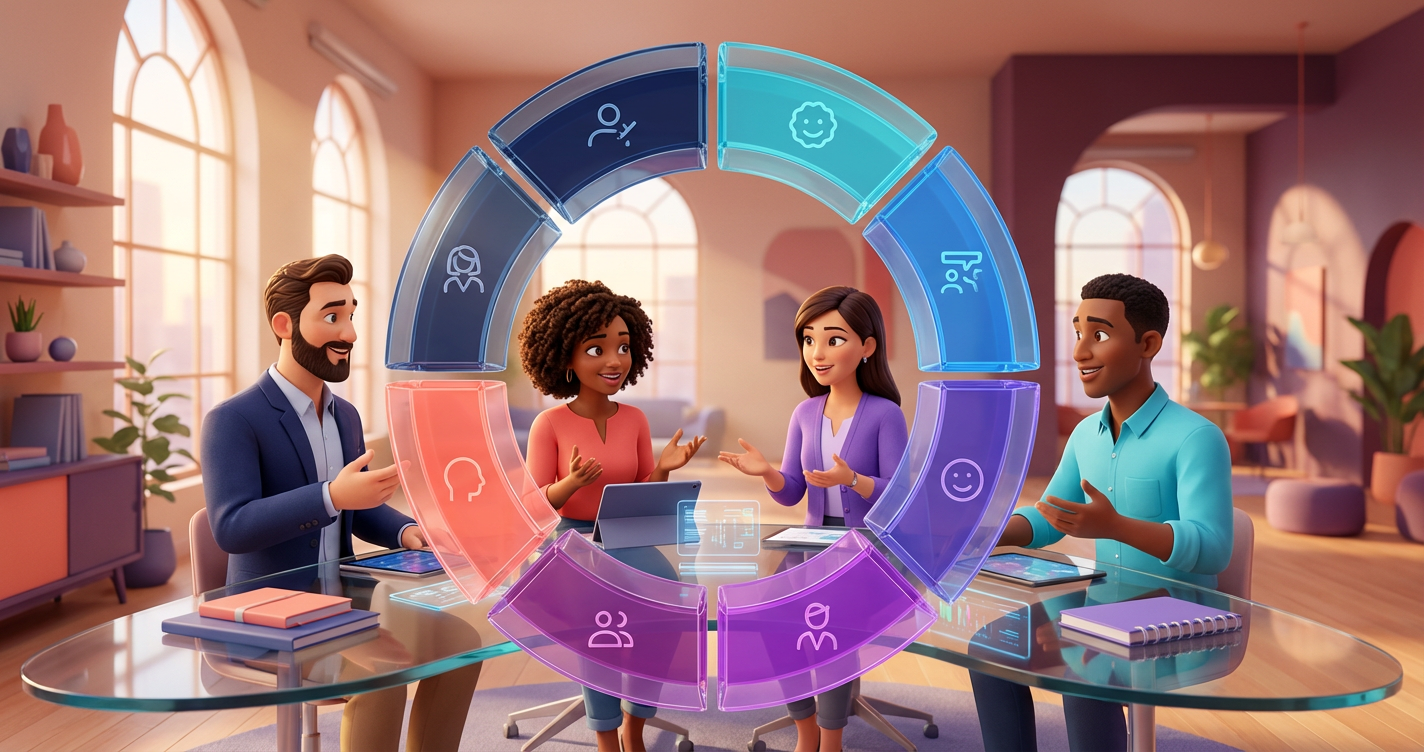
To assess team fit, evaluate how a candidate's work personality, values and cognitive style align with your existing group dynamics, not just their technical skills. The reliable method is to map which of the eight core work activities your team already covers, then assess candidates against the gap using objective, evidence-based tools.
Last reviewed July 2026.
You find a candidate with a flawless CV, glowing references and every certification going. Three months after they start, the team's once-easy communication begins to fray. The problem is not their ability to do the job; it is how they mesh with the established rhythm of the group. That is why assessing team fit has become a core skill for people leaders.
Traditional hiring treats a team as a collection of individuals rather than a single living system. Ignore the social and psychological connective tissue between people and you get silos of excellence that cannot collaborate. Assessing fit means looking at the motivations and behaviours that surface when the pressure is on, and doing it with data rather than the interviewer's instinct. Data also protects you from the mini-me syndrome, where leaders unconsciously hire people exactly like themselves.

Research shows high-performing teams consistently perform eight work activities: doing, auditing, helping, advising, pioneering, campaigning, evaluating and coordinating. A team heavy on Pioneers but light on Doers produces brilliant ideas and little output. A team of Auditors is impressively accurate right up until the market shifts.
So before assessing any candidate, assess the team. Which activities are underserved? Do you need someone who builds harmony and supports others, or a decisive Evaluator who can weigh risk and make hard calls? Knowing your team's current shape lets you hire for the gap rather than the surplus.
Compono Hire scores and ranks candidates against these work personality types automatically, so instead of guessing whether someone is a team player, you can see whether they are the Helper or Coordinator your team is actually missing.
Culture fit has earned a bad name where it means "people I'd like to have a drink with". That definition produces uniformity and stagnant thinking. The better target is cultural add: people who share your core values but bring a work style or perspective the team currently lacks.
If your team is reserved and methodical, a Campaigner brings the energy and external focus to sell its work to the wider business. They do not match the current mould, and that is precisely the value. The goal is complementary friction: enough common ground in values for trust, enough difference in work personality that people challenge each other's blind spots. An Auditor and a Pioneer will frustrate each other occasionally, and together they make sure an ambitious idea is also a feasible one.
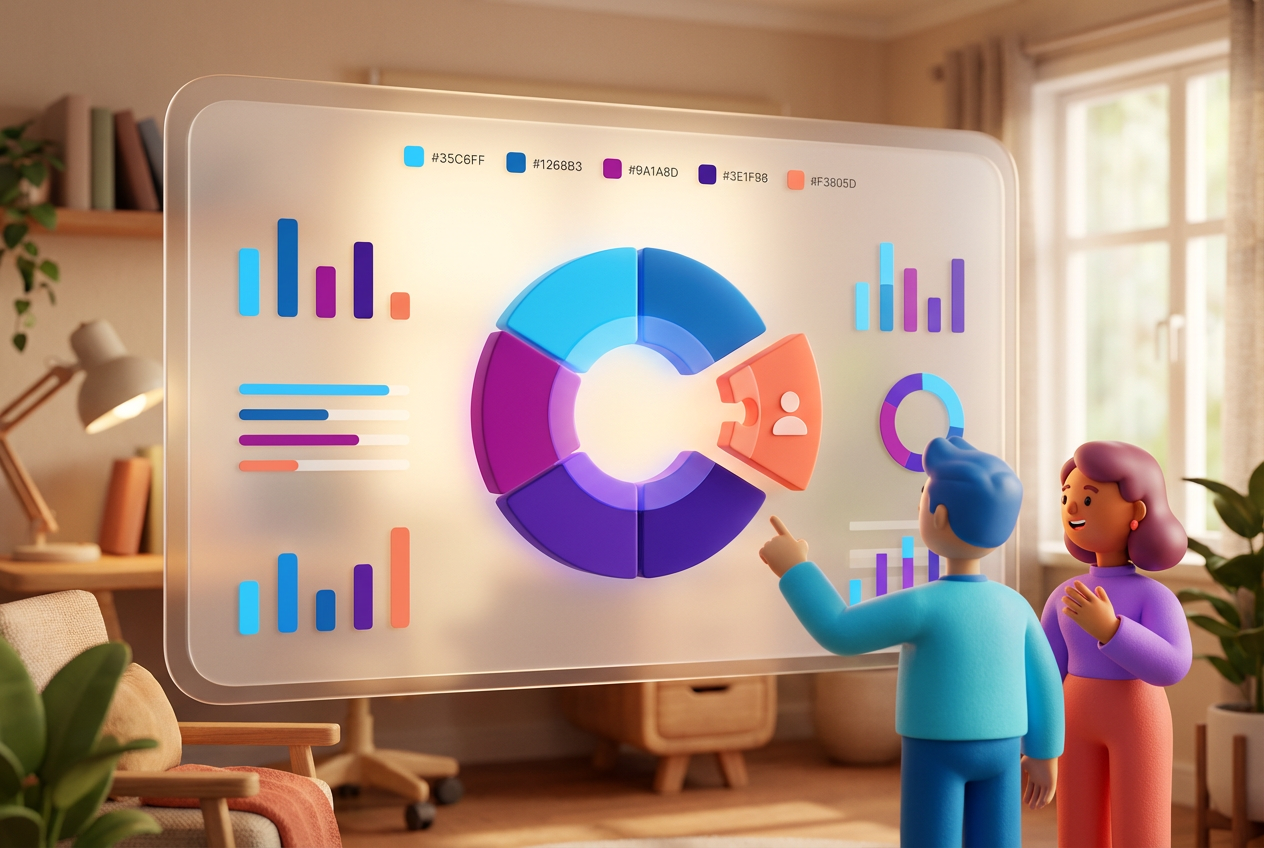
Conflict is not evidence of a bad fit; it is often evidence of a diverse team. What matters is whether the conflict is constructive. Assessing fit before hiring effectively predicts the likely friction points, so you can lead through them from day one. Pairing a direct, results-driven Evaluator with a harmony-seeking Helper is workable when the manager knows it is coming.
The same insight guides day-to-day management. A Doer wants clear, practical instructions and immediate tasks. An Advisor needs room to explore options and support colleagues. When you manage people according to their natural preferences, fit becomes something you actively maintain rather than something you hoped you bought at the interview.
A workable process has four parts. Profile the existing team's work personalities. Identify the underserved work activities and the values that are non-negotiable. Assess candidates with validated tools rather than unstructured interviews. Then brief the hiring manager on the likely dynamics, including where friction may appear and how to lead through it.
This is where a structured platform earns its place: culture, engagement and performance link together, as set out in the Compono Culture, Engagement and Performance Model, and fit data collected at hiring keeps paying off long after onboarding ends.
Compono Hire maps your team's work personalities and scores every candidate against the gap you actually need filled.
Talk to usTeam fit is about how an individual's work style complements the tasks and dynamics of a specific group. Culture fit is broader alignment with the whole organisation's values and mission. Aiming for cultural add keeps the team growing in capability with every hire.
Yes. Core personality traits are stable, but fit shifts as the team's goals or composition change. A team moving from a building phase to a maintaining phase needs a different mix of work personalities, which is why regular engagement checks matter.
Hiring for similarity. Leaders gravitate toward people who think and work like they do, which builds teams with shared blind spots. Assess fit by looking for the work actions your team is currently missing or avoiding.
No. Fit is contextual. A brilliant Pioneer can be a poor fit for a team built on strict compliance and methodical auditing, then a superstar in an environment where their natural preferences are valued and required.

1 min read
Culture alignment assessment is important for HR because it predicts how a candidate's natural work preferences will interact with your existing team...

1 min read
Pharmacies need culture fit hiring because a team aligned on shared values and communication styles provides more accurate patient care and...
1 min read
Industry culture benchmarks are standardised data points that let you compare your organisation's cultural health, engagement levels and employee...
 Mathan Allington