

.webp)

 Mathan Allington


Why does predictive hiring matter for modern teams
 Compono
Predictive hiring uses data on work personality and role fit to show who is likely to stay and do well, instead of ranking CVs by experience.

Unbiased hiring means every candidate is judged on the same job-related evidence, gathered in the same way, and scored against criteria you wrote down before anyone applied. No process removes human bias completely. What structure does is shrink the space where a snap judgement can decide an outcome, which is why organisations that standardise their job ads, their screening and their interview scoring end up with wider talent pools and fewer mis-hires.
Last reviewed September 2026
This guide walks through where bias enters a hiring process, the practices that reduce it at each stage, how to run an unbiased job interview, what assessment data can and cannot fix, and how to check whether any of it is working.
Most hiring bias is not a decision anyone would defend out loud. It is affinity bias, the ordinary human pull towards people who went to a similar school, use similar words, or remind an interviewer of themselves at that age. Left alone, it quietly produces a team of people with the same background making the same assumptions, which is slow to adapt and prone to groupthink.
It helps to know where in the process each version of it shows up, because the fix is different at every stage.
| Stage | What bias looks like here | What reduces it |
|---|---|---|
| Job ad and role brief | Wording and inflated requirements that discourage whole groups from applying | Outcome-based descriptions, checked language, genuine minimum requirements only |
| Sourcing | Always advertising in the same places and rehiring from the same networks | Widening channels, and tracking applicant sources by outcome |
| CV screening | Reading names, schools, photos and career gaps as signals of quality | Blind screening, plus written screening criteria applied by more than one reviewer |
| Assessment | Tests that measure something other than the job, or that disadvantage a group | Validated, job-related assessments with pass rates monitored by group |
| Interview | Unstructured conversation, and the first two minutes deciding the rest | The same questions in the same order, scored independently against a rubric |
| Final decision | The most senior voice in the room anchoring everyone else | Scores submitted before discussion, and the decision tied to the criteria |
You do not have to fix all six at once. Screening and interviewing are where most organisations get the biggest movement for the least effort, so start there if you are choosing.

Unbiased hiring starts before anyone applies, in the wording of the ad. Aggressively coded language such as "rockstar", "ninja" or "we work hard and play hard" reads as a signal about who belongs, and research into job ad language has repeatedly found that heavily masculine-coded wording reduces applications from women. Outcome-focused wording widens the pool without lowering the bar. Our free gender decoder for job ads will flag the coded words in a draft before you post it.
The other lever is the requirements list. A long run of years-of-experience thresholds is a weak proxy for capability, and it filters out career changers, returners and people who learned the work somewhere unconventional. Describe the tasks the person will actually do and what good looks like in the first six months, then separate genuine minimum requirements from things you would merely like. Every line you move out of "essential" widens the funnel.
Check the practical details too. An ad that quietly assumes full-time office attendance, or that lists a salary range so wide it means nothing, does its own filtering before a recruiter reads a single application.
Screening is where bias has the most room to operate, because a reviewer is making fast decisions on thin information. Blind screening removes names, photos, graduation years, addresses and university names before a CV reaches the hiring manager, which forces attention onto experience and achievement. It is straightforward to apply and it works on the specific problem it targets.
It has limits worth knowing. Career gaps, employer names and writing style still carry signals about background. Blind screening also ends the moment the interview starts, so a process that anonymises CVs and then runs an unstructured interview has moved the bias rather than removed it. And if your applicant pool is narrow to begin with, anonymising it does not widen it.
Written screening criteria matter as much as anonymity. Decide what evidence you are looking for, score each application against it, and have a second person review a sample. Compono Hire assesses applicants on skills, qualifications and organisation fit and ranks them on those measures, so the first cut is made against defined criteria rather than a reviewer's impression of a document. The fit boundary: this suits organisations hiring regularly enough to build role profiles, and it complements a structured process rather than replacing the judgement at the end of one.
The interview is the stage most organisations are proudest of and least rigorous about. An unstructured conversation that wanders wherever the rapport takes it is close to the worst available predictor of job performance, because it mostly measures how comfortable the interviewer felt. A structured interview fixes that by holding the format constant so the differences you observe belong to the candidates.
Six things make the difference in practice.
Give candidates the questions or the themes in advance if you can. It reduces the advantage held by people who have been coached on interview technique, and it tends to produce better answers from everyone, which is the point of asking.
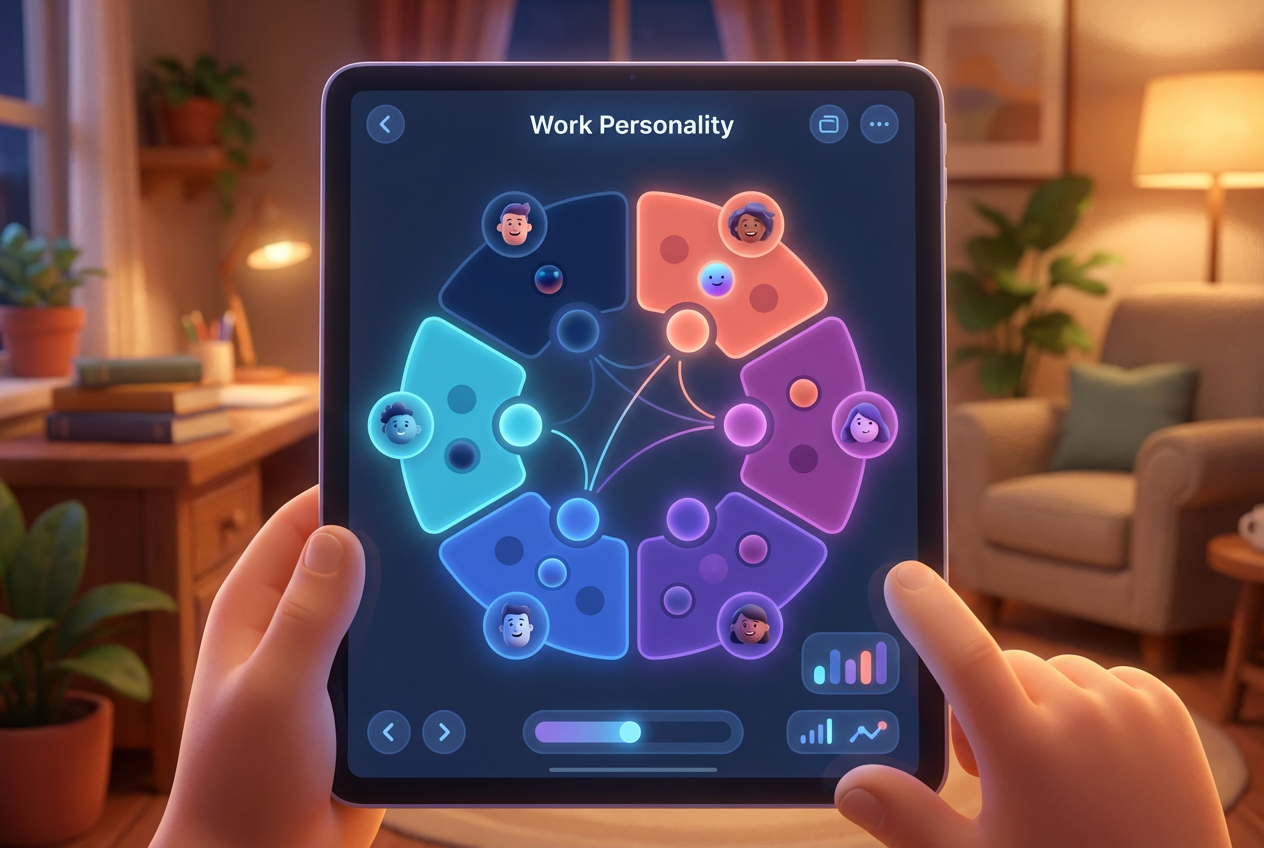
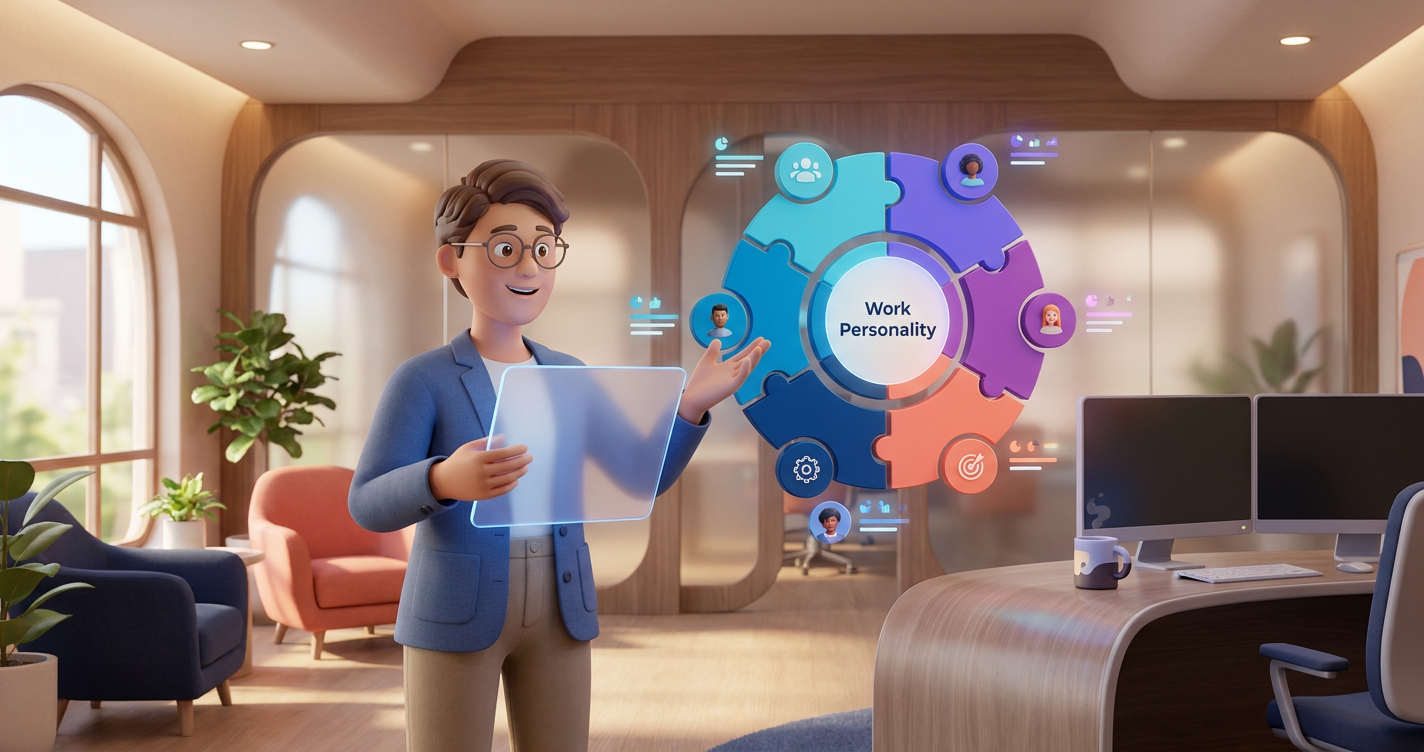
Objective data on how someone prefers to work gives a panel something to compare that is not a feeling. Work personality describes how a person tends to approach tasks, other people and pressure. Compono uses eight: Doer, Auditor, Helper, Advisor, Pioneer, Campaigner, Evaluator and Coordinator. Knowing that a role genuinely needs close attention to procedure, and that a candidate leans that way naturally, is more useful to a hiring panel than "she interviewed well".
Two honest caveats. Work personality is a measure of preference and is not a measure of ability, so it belongs alongside skills evidence rather than in place of it. And a fit measure can be misused: if "fit" quietly means "similar to the people already here", an assessment will simply automate the cloning problem you were trying to solve. Used properly, fit is measured against the requirements of the role and the shape of the team, which often argues for hiring someone unlike the incumbents.
The same caution applies to any tool in the stack, including video interviewing, which can reintroduce appearance and accent bias unless the scoring is structured. The comparison between assessments and video interviewing covers what each one is actually measuring.
An unbiased hiring process is a claim, and claims need evidence. Track the pass rate at each stage by group: application to screen, screen to interview, interview to offer, offer to acceptance. A stage where one group's pass rate falls away sharply is telling you where the problem sits, and that is usually more actionable than a headline diversity percentage.
Look at outcomes as well as entry. Retention and performance at 12 months, compared across hiring sources and across interviewers, tells you whether the decisions were good ones. If a particular interviewer's hires consistently underperform their scores, the scoring is drifting and that person needs calibration rather than blame.
Two practical notes. Keep sample sizes in mind, because a single quarter in a small organisation will not tell you anything reliable, and small cells risk identifying individuals. And handle the demographic data carefully: collection should be voluntary, separated from the hiring decision, and reported in aggregate. Anti-discrimination obligations differ by jurisdiction and this article is educational rather than legal advice, so confirm your approach with an employment lawyer or your industry body before you start collecting anything.
Compono Hire scores and ranks every applicant on skills, qualifications and organisation fit, so the shortlist arrives with its reasoning attached.
Talk to usBlind recruitment is one technique: hiding identifying details on a CV so the reviewer judges the content. Unbiased hiring is the whole approach, covering the job ad, sourcing, screening, assessment, interviewing and the final decision. Blind screening on its own leaves the interview untouched, which is where a great deal of bias lives.
Start with the two stages that carry the most weight. Write your interview questions and scoring rubric before you see the shortlist, and have interviewers submit scores before any group discussion. Then go back to your job ads and separate genuine minimum requirements from preferences.
It means defining fit against the role and the team rather than against the interviewer's comfort. Measured properly, fit describes how someone works and what the team is missing, which frequently points towards a candidate unlike the people already there. Measured loosely, it becomes a polite word for hiring people who remind you of yourself.
No. Software applies the same criteria to everyone, which removes a large source of inconsistency, and it can report on outcomes by group so problems become visible. It cannot fix criteria that were biased to begin with, and a tool trained on your past hiring decisions can repeat them. Structured human judgement and monitored tooling work together.
Track pass rates at each stage of the funnel by group, rather than only the headline diversity of hires, and compare retention and performance at 12 months across interviewers and sources. Watch sample sizes, keep demographic collection voluntary and separate from the decision, and report in aggregate.
Predictive hiring uses data on work personality and role fit to show who is likely to stay and do well, instead of ranking CVs by experience.
How to scale from 50 to 500 employees without losing your culture: structured recruitment, workforce data, and the steps that matter most.

Twenty-five interview questions that separate candidates, grouped by what they test, with what a strong answer sounds like and the follow-ups to ask.