

.png?width=383&height=200&name=team%20(1).png)
 Compono


1 min read
What is HR tech and how it transforms modern teams
 Compono
What is HR tech? It is the suite of digital tools and software used by organisations to manage, automate, and optimise human resources functions...
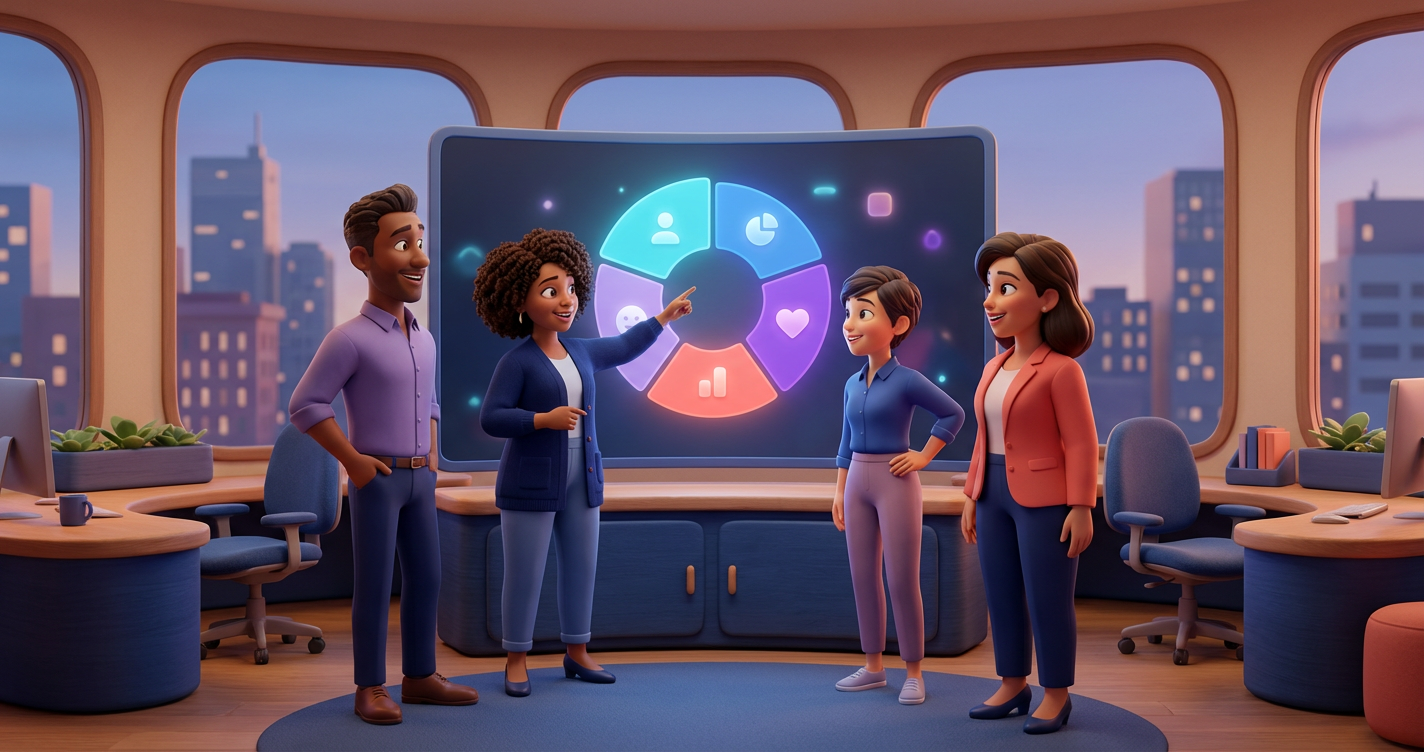
HR tech is the suite of software and hardware used to manage and optimise the entire employee lifecycle, from recruitment and payroll to engagement and long-term development.
By automating administrative burdens and providing data-driven insights, these tools allow people leaders to focus on strategic initiatives rather than manual paperwork. In today's workplace, having the right digital foundation is no longer a luxury – it is the bedrock of a scalable, high-performing culture.
Key takeaways
- HR tech encompasses all digital tools that streamline workforce management and improve the employee experience.
- Modern platforms move beyond basic administration to provide deep intelligence on team personality and cultural fit.
- Implementing the right technology reduces manual errors, boosts retention, and supports better decision-making for leaders.
- A successful tech stack integrates recruitment, engagement, and development into one cohesive ecosystem.
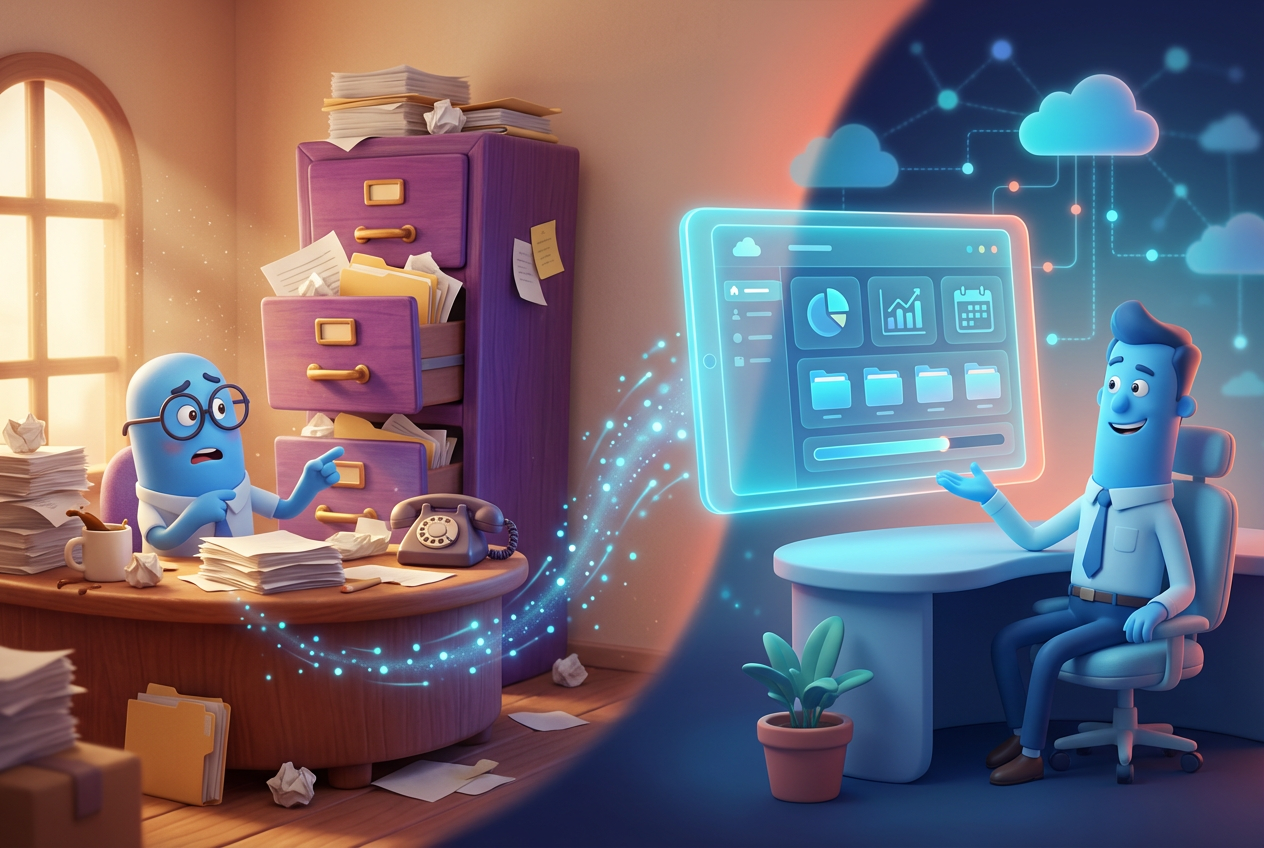
When we ask what is HR tech, we are looking at a broad category of tools designed to make the human side of business more efficient. Historically, human resources relied on filing cabinets, spreadsheets, and gut-feel decisions. Today, that has shifted toward integrated platforms that handle everything from the first job application to an employee’s final exit interview.
The primary goal of these systems is to remove the friction from daily operations. Think about the time spent coordinating interview schedules or manually tracking who has completed their compliance training. HR tech automates these workflows, ensuring nothing falls through the cracks while freeing up your team to do what they do best – building meaningful connections with staff.
Beyond simple automation, modern technology provides a level of workforce intelligence that was previously impossible to gather. By using data, we can now understand not just who is doing the work, but how they work best together. This shift from 'administrative' to 'strategic' is the hallmark of a mature digital HR strategy.
To truly grasp what is HR tech, it helps to break it down into the specific areas it serves. Most organisations categorise their tools into a few essential buckets. First, there is the foundational layer: payroll and core HRIS (Human Resources Information Systems). These are the 'must-haves' that ensure people get paid on time and basic records are kept accurate.
Next, we see the growth of talent acquisition technology. This includes Applicant Tracking Systems (ATS) and assessment tools that help you find the right people faster. Searching for the perfect candidate is often like finding a needle in a haystack, but technology acts as a magnet. For instance, Compono Hire helps you assess candidates across organisation fit, skills, and qualifications, ensuring you bring in people who actually align with your team's DNA.
The final pillar is talent management and engagement. This involves performance reviews, learning management systems (LMS), and pulse surveys. Instead of waiting for an annual review to find out a staff member is unhappy, these tools provide real-time feedback loops. This allows leaders to address issues before they lead to turnover, creating a more resilient and transparent workplace culture.
While basic tools handle the 'what' and 'when' of HR, workforce intelligence focuses on the 'why'. This is where technology begins to feel less like a database and more like a strategic partner. It involves using psychological insights and data science to map out the natural work preferences of your individuals and teams.
At Compono, we believe that understanding work personality is essential for high-performing teams. When you know that a team member is The Evaluator, you understand they bring logical, objective analysis to the table. Conversely, The Campaigner will provide the energy and enthusiasm needed to sell a vision. HR tech makes these insights accessible to every manager, not just those with a psychology degree.
By mapping these personalities, leaders can identify gaps in their team design. If everyone on your team is a visionary but no one is focusing on the details, your projects might stall. Technology helps you visualise these imbalances and recruit specifically for the traits you are missing. It turns the 'art' of management into a measurable science.

Investing in new software can feel like a significant hurdle, but the costs of staying manual are often much higher. One of the most immediate benefits is the reduction in human error. Manual data entry in payroll or contract management is a recipe for compliance risks. Digital systems ensure that records are consistent, secure, and easily auditable.
Retention is another area where technology shines. By using engagement platforms like Compono Engage, businesses can keep a constant pulse on team morale. When employees feel heard and see that their feedback leads to actual change, they are far more likely to stay. In a competitive labour market, being a 'tech-forward' employer is a significant drawcard for top talent.
Finally, there is the benefit of speed. In a traditional setup, hiring a new employee might take weeks of back-and-forth emails. With a modern platform, you can automate job postings, filter candidates based on fit, and send out digital contracts in a fraction of the time. This efficiency doesn't just save money – it ensures you don't lose great candidates to faster-moving competitors.
With so many options on the market, choosing the right HR tech can feel overwhelming. The key is to start with your biggest 'pain points' – the tasks that cause the most frustration or take up the most time. If you are struggling to find quality talent, focus on recruitment tech. If your turnover is high, look at engagement and development tools.
Integration is also vital. You want your various tools to talk to each other so you aren't stuck entering the same data into three different systems. A unified Business Platform that brings recruitment, engagement, and development together is usually more effective than a patchwork of disconnected apps. This provides a 'single source of truth' for all your people data.
Always consider the user experience for your employees. HR tech should make their lives easier, not add another layer of complexity. Look for platforms that are intuitive, mobile-friendly, and require minimal training. After all, the best technology in the world is useless if your team refuses to use it. Focus on tools that provide clear value to the end-user, such as easy access to their own work personality profile or career development paths.
Key insights
- HR tech is a strategic investment that moves people management from administrative tasks to data-driven workforce intelligence.
- The right technology stack improves recruitment accuracy by assessing for cultural and organisational fit, not just technical skills.
- Employee engagement is sustained through digital feedback loops that allow leaders to act on sentiment in real time.
- A unified platform approach reduces data silos and provides a clearer picture of team dynamics and performance gaps.
- Adopting modern tools is essential for staying competitive in the modern labour market and retaining high-performing staff.
Understanding what is HR tech is the first step toward building a more resilient, data-informed organisation. By choosing tools that align with your culture and goals, you can empower your leaders and support your staff more effectively.
HRIS (Human Resources Information System) is a specific type of HR tech focused on storing employee data and managing core functions like payroll. HR tech is the broader umbrella term that includes HRIS, but also encompasses recruitment tools, engagement platforms, and talent development software.
No, technology is designed to augment human decision-making, not replace it. It handles the repetitive, data-heavy tasks so that HR managers can focus on complex human issues like conflict resolution, culture building, and strategic workforce planning.
Not at all. While large companies were early adopters, there are now many scalable solutions designed specifically for mid-market and small businesses. In fact, smaller teams often benefit more from the efficiency gains, as they have fewer resources to manage manual processes.
It simplifies the application process, provides faster feedback, and ensures clear communication throughout the hiring journey. Tools that assess fit also help candidates understand if they will actually enjoy and thrive in the role before they sign a contract.
Prioritise ease of use, integration capabilities, and the quality of data insights. You want a platform that doesn't just store information but actually helps you understand your team better through features like personality mapping and engagement analytics.
1 min read
What is HR tech? It is the suite of digital tools and software used by organisations to manage, automate, and optimise human resources functions...

1 min read
Incomplete HR tech is a system that fails to connect the dots between hiring, engagement, and development, leaving managers to manually bridge the...

1 min read
Behavioural hiring is important for HR because it predicts how a candidate will actually perform on the job, rather than just what they claim on...