

.png?width=383&height=200&name=team%20(1).png)
 Compono


1 min read
How hiring managers use work personality tests to build teams
 Compono
Hiring managers use work personality tests to identify the natural work preferences of candidates, ensuring they have the right mix of motivations...

To reduce bias in hiring assessments, you must replace unstructured intuition with standardised data points and objective evaluation criteria that focus on work-related competencies.
By removing the reliance on 'gut feel' and implementing consistent scoring across every candidate, you ensure that talent and potential take centre stage over unconscious preferences or demographic similarities.
Key takeaways
- Unconscious bias often enters the hiring process through unstructured interviews and vague 'culture fit' descriptions.
- Standardised assessments provide a level playing field by measuring specific work personalities and skills rather than personal background.
- A combination of objective data and diverse hiring panels is the most effective way to ensure fairness in recruitment.
- Focusing on 'Work Personality' helps align candidates with the actual requirements of the role rather than the preferences of the interviewer.
We all like to think we are objective, but human brains are hardwired to seek patterns and familiarity. In a recruitment context, this often manifests as affinity bias – the natural tendency to favour people who share our background, hobbies, or communication style. When these invisible preferences influence who gets hired, your team loses out on the diversity of thought required to solve complex problems.
Relying on traditional resumes alone often compounds the issue. Research shows that names, university prestige, and even the layout of a CV can trigger snap judgements before a candidate ever walks into a room. To truly reduce bias in hiring assessments, we need to shift the focus from where someone has been to what they can actually do. This transition isn't just about being fair; it is about finding the best person for the job, regardless of how much they remind you of yourself.
When bias goes unchecked, it creates a 'mirrored' workforce. Teams become homogenous, and innovation stalls because everyone approaches challenges from the same angle. By recognising that bias is a systemic issue rather than a personal failing, we can start building better guardrails to protect the integrity of our hiring decisions.

The first step to building a fairer process is to standardise the way you evaluate talent. Unstructured interviews are notorious for allowing bias to creep in, as the conversation often drifts toward shared interests rather than job-related skills. If you ask one candidate about their leadership style and another about their weekend plans, you have already lost the ability to compare them objectively.
Using structured assessments allows you to gather the same data points for every applicant. This might include skills-based tests, work samples, or personality assessments that map back to the actual needs of the role. At Compono, we provide tools that help you Hire based on facts, ensuring that every candidate is measured against the same yardstick from day one.
Standardisation also helps in the 'review' phase. When you have a clear score for a specific skill, it is much harder for a hiring manager to dismiss a high-performing candidate based on a vague feeling that they 'wouldn't fit in'. Data provides the objective evidence needed to challenge those subjective assumptions and keep the process focused on merit.
The term 'culture fit' is one of the most common hiding places for bias. It is often used as a catch-all for 'someone I would like to have a drink with'. To reduce bias in hiring assessments, we should instead look at 'Organisation Fit' through the lens of work personality. This focuses on how a person naturally prefers to work and how that aligns with the team's current needs.
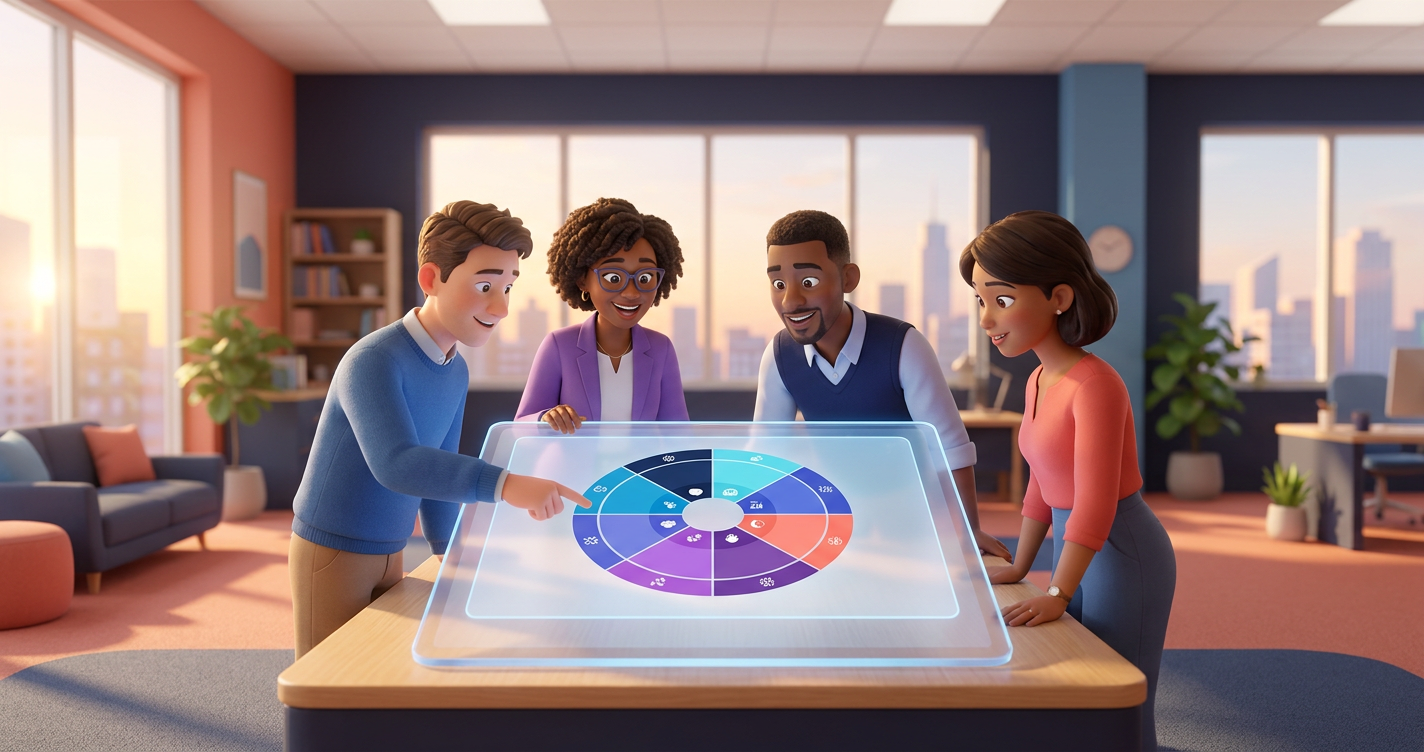
Our research at Compono has identified 8 key work activities that define high-performing teams, such as The Evaluator or The Coordinator. When you understand the dominant work personality of your candidates, you can see exactly how they will contribute to the team's output without being distracted by their personal background.
For example, if your team is currently full of visionaries but lacks someone to handle the details, you might specifically look for The Auditor. This approach turns hiring into a strategic puzzle rather than a popularity contest. It allows you to value a candidate for the specific perspective they bring, even if their personality is entirely different from the rest of the group.
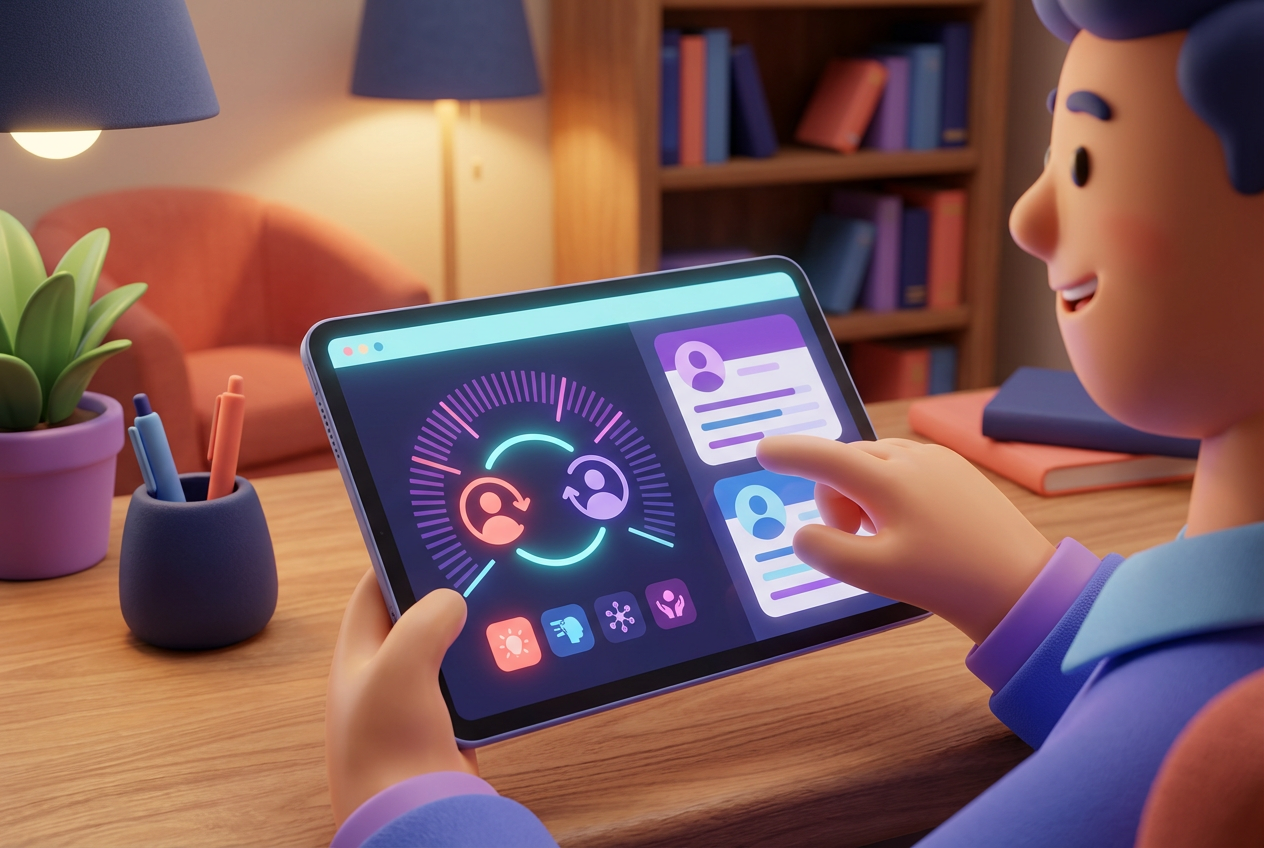
Even with great data, the final decision usually rests with humans. To further reduce bias in hiring assessments, many modern teams are adopting blind screening techniques. This involves removing identifying information – such as names, ages, and locations – from the initial application review. By focusing purely on assessment scores and work history, you ensure the 'shortlist' is built on talent alone.
Once you reach the interview stage, using a diverse panel is essential. A single interviewer is prone to their own specific biases, but a panel with different backgrounds and perspectives can provide a more balanced view. Each panel member should use a pre-set rubric to score answers independently before discussing their thoughts as a group. This prevents 'groupthink' where the most senior person's opinion automatically becomes the team's decision.
It is also helpful to have a 'bias disruptor' in the room – someone whose role is to listen for biased language and gently challenge it. Phrases like 'they seem a bit too junior' or 'I don't think they have the right energy' should be met with questions like 'what specific evidence from the assessment supports that?'. This keeps the conversation grounded in the data you have collected.
Reducing bias isn't a one-time project; it requires ongoing monitoring. By looking at the data from your Compono Hire platform, you can see if certain groups are dropping out of the process at specific stages. If you notice a trend, it might indicate that a particular assessment or interview question is inadvertently biased.
We also recommend gathering feedback from candidates about their experience. Did they feel the process was fair? Did the assessments feel relevant to the job? This qualitative data, combined with your hiring metrics, allows you to refine your approach continually. The goal is to create a process that is so transparent and objective that any candidate – regardless of their background – feels they had a genuine shot at the role.
Ultimately, a bias-free hiring process is the foundation of a high-performing culture. When people know they were hired because of their skills and potential, they enter the organisation with a sense of belonging and confidence. This leads to higher engagement, better retention, and a more resilient business in the long run.
Key insights
- Objectivity is built through standardisation – use the same assessments and questions for every candidate to ensure a fair comparison.
- Replace 'culture fit' with 'work personality' to focus on how a candidate's natural work preferences complement the existing team.
- Blind screening and diverse hiring panels act as essential guardrails against unconscious affinity bias during the selection process.
- Regularly audit your hiring data to identify and remove any stages where bias may be causing talent to drop out of the funnel.
Affinity bias is the most frequent culprit, where we naturally gravitate toward people who are similar to us. This often happens unconsciously during the 'get to know you' phase of an interview, which is why structured assessments are so important.
While technology can't delete human bias, it provides the objective data and structured frameworks needed to minimise its impact. Tools like Compono help by focusing on work personality and skills rather than demographic data.
Focus on the outcome: finding the best talent. Explain that structured hiring isn't about removing human intuition, but about giving that intuition better data to work with, resulting in more successful hires and diverse teams.
Culture fit isn't inherently bad, but it is often poorly defined. To make it useful, you must break it down into measurable behaviours and work preferences. We prefer the term 'Organisation Fit' because it focuses on alignment with goals and values rather than social similarity.
We recommend a quarterly review of your recruitment data. Look for bottlenecks where certain candidate groups might be dropping out and adjust your assessments or interview rubrics to ensure the process remains equitable and effective.
1 min read
Hiring managers use work personality tests to identify the natural work preferences of candidates, ensuring they have the right mix of motivations...

1 min read
Behavioural hiring in hospitality works by prioritising innate traits and psychological drivers over technical experience to identify candidates who...

1 min read
Behavioural hiring works in mining by evaluating a candidate's natural work preferences, safety orientation, and stress response before they ever...