

.webp)

 Compono


1 min read
Is personality test for work necessary for mid-market companies?
 Compono
A personality test for work is necessary for mid-market companies because it replaces subjective gut-feel hiring with objective data, accurately...
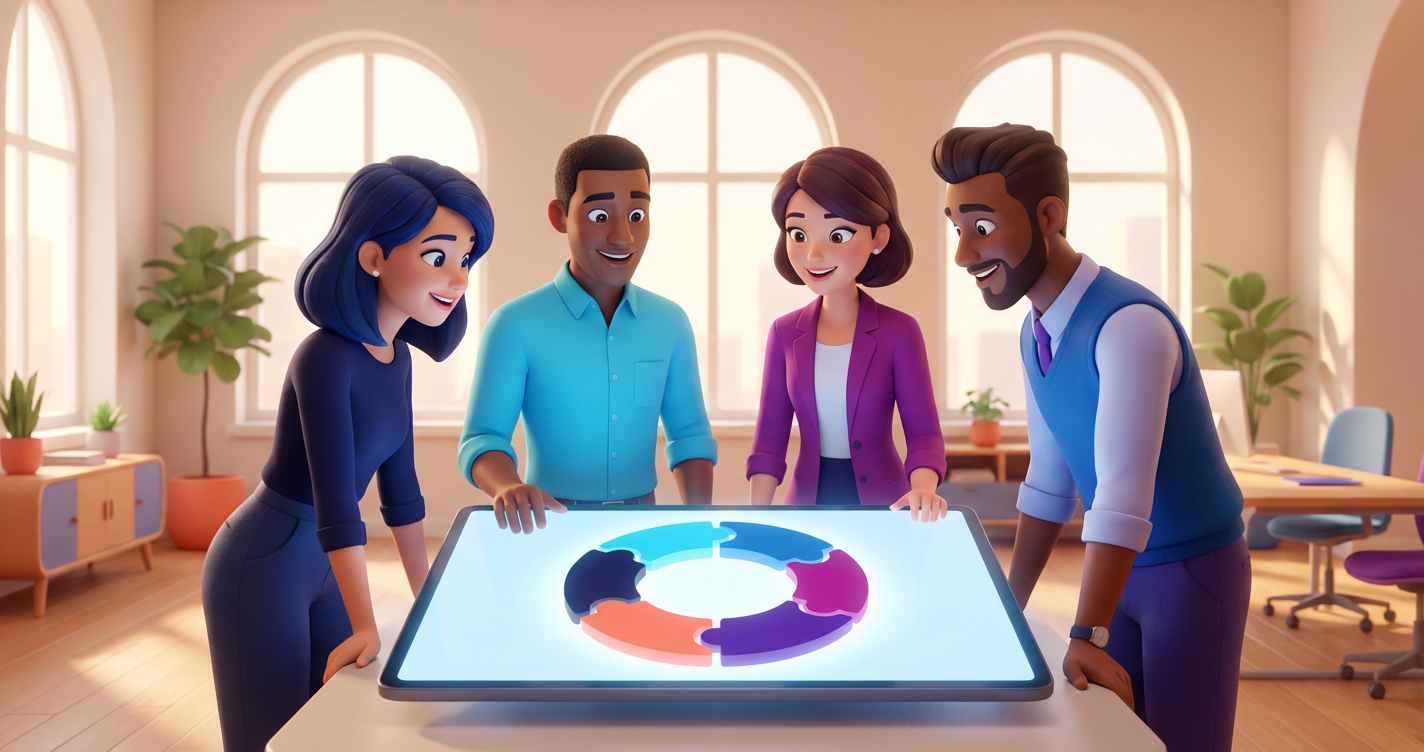
Organisational psychology hiring is the practice of applying psychological principles and research to the recruitment process to ensure candidates are a perfect match for both the role and the company culture.
By moving beyond simple resume screening and focusing on cognitive ability, personality traits, and behavioural tendencies, we can predict job performance with much higher accuracy than traditional methods. At Compono, we believe that understanding the 'why' behind human behaviour is the secret to building high-performing teams that actually stay together.
Key takeaways
- Organisational psychology hiring uses evidence-based data to predict how a candidate will actually perform in your specific work environment.
- Traditional interviews often fail because they rely on intuition rather than objective measures of personality and cognitive fit.
- Mapping work personality types allows managers to identify gaps in team dynamics before a new hire even starts.
- Evidence-based recruitment reduces turnover by ensuring 'Organisation Fit' across skills, values, and personality.
We have all been there – a candidate walks into the room, they are charming, they have a stellar resume, and your 'gut' tells you they are the one. You hire them, only to find out three months later that they clash with the team or struggle with the specific pace of your workplace. This happens because humans are naturally biased; we tend to hire people who remind us of ourselves rather than the people who actually have the traits the team is missing.
Traditional hiring methods often focus on 'what' someone has done in the past, but they rarely uncover 'how' they will do it in the future. This is where organisational psychology hiring changes the game. It shifts the focus from subjective impressions to objective data. When we rely on intuition, we are essentially guessing. When we use psychological frameworks, we are making an informed investment in our most valuable asset: our people.
The cost of a bad hire is not just the salary you paid; it is the lost productivity, the dip in team morale, and the time spent restarting the recruitment cycle. By integrating psychological principles early in the process, we can filter for the specific attributes that lead to long-term success. This is not about making the process colder or more robotic – it is about making it fairer and more effective for everyone involved.

At the heart of organisational psychology hiring is the concept of work personality. This is not about general personality tests that tell you if you are an introvert or an extrovert; it is about how those traits manifest in a professional setting. For example, some people are naturally driven to lead and inspire – we call these Campaigners – while others find their flow in the fine details and methodical checks as Auditors.
When we understand these dominant preferences, we can start to see why certain teams thrive while others stall. A team full of Pioneers might have a thousand brilliant ideas but struggle to finish a single project because they lack a Coordinator to build the roadmap. Organisational psychology allows us to map these gaps and hire specifically for the 'missing piece' of the puzzle.
At Compono, we have spent years researching how these types interact. Our platform helps you identify the natural work preferences of your current staff so you can see exactly what kind of personality your next hire needs to have. By using these insights, business leaders can significantly enhance the hiring process with unmatched intelligence, selecting the work personality required for a role and automatically scoring candidates in real time.
Hiring for skills is the baseline, but hiring for Organisation Fit is what drives retention. In the world of organisational psychology, fit is usually broken down into three areas: job fit, culture fit, and personality fit. If a candidate has the skills but hates the way your team communicates, they will leave. If they love the culture but lack the natural temperament for the role's daily tasks, they will burn out.
Modern teams are complex ecosystems. Using Compono Hire, you can assess candidates across these multiple dimensions simultaneously. This ensures that you are not just finding someone who can do the job today, but someone who will thrive in your environment for years to come. It moves the conversation from "Can they do this?" to "Will they be successful here?"
This holistic view is a core pillar of The Compono Culture, Engagement & Performance Model. When you align an individual's natural strengths with the requirements of the organisation, engagement follows naturally. You no longer have to 'force' culture – it happens because the right people are in the right seats, doing work that aligns with how they naturally think and act.

One of the most powerful tools in organisational psychology hiring is the use of behavioural assessments. These look at how a person is likely to handle conflict, how they communicate under pressure, and how they make decisions. For instance, an Evaluator will approach a problem with logic and objective risk assessment, whereas a Helper will prioritise team harmony and emotional impact.
Neither approach is 'better', but one might be much more suited to a specific role. If you are hiring a safety officer, you want that methodical, detail-oriented focus. If you are hiring a community manager, you want that empathetic, relationship-building drive. By knowing these traits upfront, you can tailor your interview questions to dig deeper into how the candidate has used these strengths in the past.
We recommend using these insights to support a range of leadership initiatives. Once a hire is made, the data from the recruitment phase becomes a manual for how to manage that person. You will know if they need clear, structured instructions or if they prefer the freedom to explore possibilities. This continuity from hiring to development is what separates good companies from great ones.
Key insights
- Organisational psychology hiring replaces 'gut feel' with predictive, data-driven insights that reduce the risk of a bad hire.
- Success in a role depends on the interplay between skills, personality fit, and organisational culture.
- Mapping a team's current work personalities reveals the specific traits needed in new hires to achieve balance.
- Evidence-based hiring provides a long-term management roadmap, not just a short-term recruitment fix.
The primary benefit is increased predictive accuracy. By using validated psychological assessments, you can more reliably predict how a candidate will behave and perform in a role compared to traditional interviews alone.
Work personality focuses specifically on how an individual's traits manifest in a professional context – such as how they handle tasks, interact with colleagues, and respond to management styles – rather than general social behaviours.
Yes. By using objective, data-driven assessments to score candidates, you reduce the reliance on subjective 'gut feelings' and unconscious biases, leading to a fairer and more diverse recruitment process.
Not at all. Mid-sized companies often see the greatest impact from organisational psychology hiring because every single hire represents a larger percentage of their total workforce and culture.
You can start by defining the 'work personality' required for your open roles and using assessment tools like Compono Hire to measure candidates against those specific requirements early in the funnel.

1 min read
A personality test for work is necessary for mid-market companies because it replaces subjective gut-feel hiring with objective data, accurately...

1 min read
Behavioural assessment hiring is the process of evaluating a candidate's natural work preferences and personality traits to predict how they will...
1 min read
Franchise recruitment is the process of hiring people who meet one brand standard across many locations. The strategies that work are consistent:...
 Mathan Allington