

.png?width=383&height=200&name=team%20(1).png)
 Compono


1 min read
How hiring managers use work personality tests to build teams
 Compono
Hiring managers use work personality tests to identify the natural work preferences of candidates, ensuring they have the right mix of motivations...
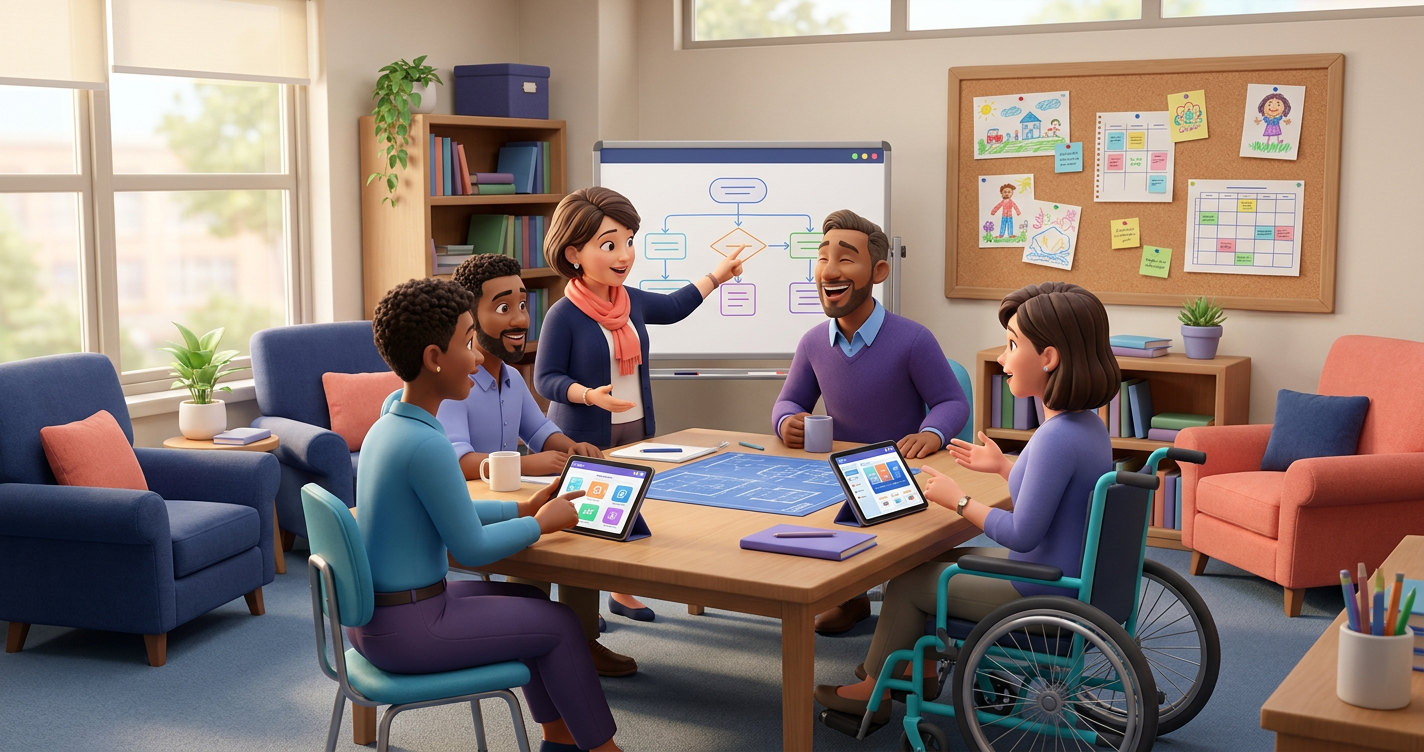
Culture fit hiring in schools works by identifying educators whose personal values, communication styles, and work behaviours align with the specific educational philosophy and community expectations of the institution.
It involves moving beyond a candidate's teaching credentials to assess how they will interact with staff, students, and parents in daily school life. When you find this alignment, you reduce staff turnover and create a more cohesive learning environment for your students.
Key takeaways
- Culture fit in schools is about alignment with educational values and community expectations rather than just social similarity.
- Assessing work personality helps predict how a teacher will handle classroom pressure and staffroom collaboration.
- Effective culture fit hiring requires a structured approach to avoid unconscious bias and promote genuine diversity.
- Schools using objective assessment tools see higher teacher retention and improved long-term engagement.
Finding a brilliant teacher is hard, but finding a brilliant teacher who stays for the long term is even harder. In many schools, the focus of recruitment remains stuck on the CV – the degrees, the years of experience, and the list of previous subjects taught. While these are essential, they don't tell you how a person will react when a parent meeting goes south or how they will contribute to the Friday afternoon planning session.
When a new hire fails to integrate, it’s rarely because they forgot how to teach. It’s usually because their way of working clashed with the school’s established rhythm. Perhaps they prefer a high degree of autonomy whilst the school operates on a model of constant collaboration. Or maybe they are a natural Pioneer who wants to innovate, but the school’s current stage of development requires a Coordinator to bring order to existing processes. This mismatch is the primary reason why new hires fail in the education sector.
Before you can hire for fit, you must define what your culture actually is. Every school has a 'brochure' culture – the inspirational quotes on the website – and a 'real' culture – the way things actually get done. To hire effectively, you need to be honest about the latter. Is your school fast-paced and experimental, or is it traditional and methodical? Do you value a Directive Leadership style during term time, or is everything decided through Democratic consensus?
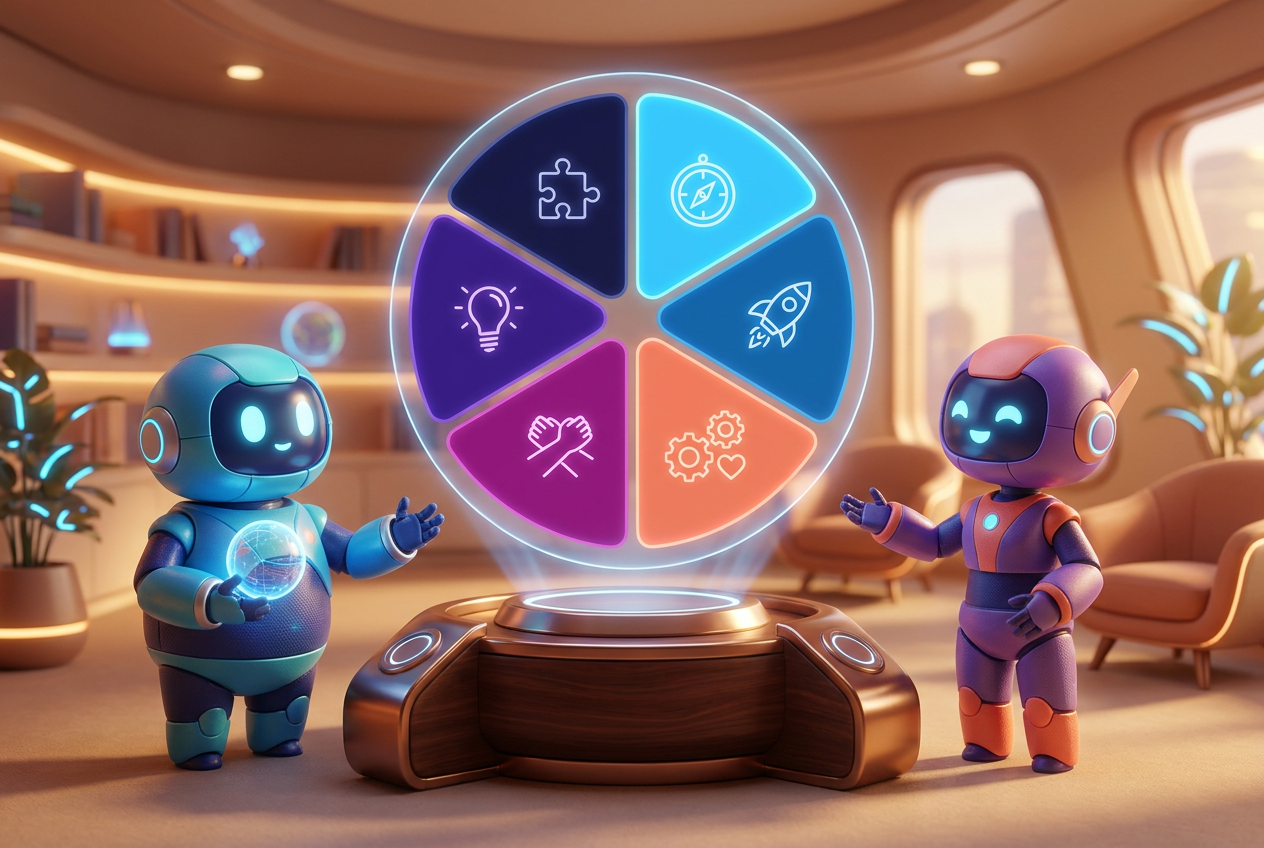
At Compono, we look at culture through the lens of workforce intelligence. We’ve found that high-performing teams, including those in schools, rely on a balance of eight key work activities. If your current staff are almost all Doers and Auditors, adding another detail-oriented personality might feel comfortable, but it won't help you innovate. Understanding your current team's work personality allows you to hire for what the school actually needs to grow.
Traditional interviews are notoriously poor at predicting long-term fit. We tend to hire people we like, which often means people who are just like us. In a school setting, this can lead to a lack of cognitive diversity. Psychometric assessments provide a way to see beneath the surface. They reveal a candidate’s natural work preferences – whether they are a Helper who prioritises harmony or an Evaluator who focuses on logical results.
Using a tool like Compono Hire allows you to assess these traits before the first interview. By mapping a candidate's profile against your school's unique culture, you get an objective score on how they will likely fit. This isn't about excluding people; it's about knowing exactly where the friction points might be and how to support that teacher from day one. It transforms the hiring process from a guessing game into a scientific exercise in team design.
A common concern in schools is that 'culture fit' is just a polite way of saying 'hiring more of the same'. This is a misunderstanding of the concept. True culture fit is about shared values and mission alignment, not shared backgrounds or hobbies. In fact, the best way to build a diverse school is to have a very clear culture of inclusion. You want teachers who bring different perspectives but share a common commitment to the school’s core purpose.
When you focus on work personality – such as identifying if a candidate is a Pioneer or a Coordinator – you are looking at how they solve problems and interact with others. This is a much fairer way to assess candidates than relying on gut instinct. It allows you to build a team that is culturally aligned but cognitively diverse, which is the hallmark of the most successful educational institutions. This balanced approach is essential for the balance between culture fit and diversity in hiring.
To make culture fit hiring work in your school, you need to bake it into every step of your recruitment funnel. Start with your job descriptions. Instead of just listing duties, describe the environment. Are you looking for someone who thrives in a Non-Directive Leadership environment? Say so. This helps candidates self-select before they even apply.
During the interview stage, move away from hypothetical questions and focus on behavioural ones. Ask for specific examples of how they’ve handled conflict or collaborated on a project. Listen for the 'why' behind their actions. Do their reasons align with your school's values? By combining these insights with objective data from Compono, you create a robust process that identifies not just the best teacher, but the best teacher for your school.
Key insights
- Culture fit hiring is a strategic tool for teacher retention, ensuring educators are placed in environments where they can naturally thrive.
- Defining your school's 'real' culture is the first step to finding candidates who truly align with your goals.
- Objective assessments of work personality reduce the risk of bias and help build cognitively diverse teaching teams.
- Successful integration depends on aligning a candidate’s natural work preferences with the school’s leadership and communication styles.
Where to from here?
Building a high-performing school culture starts with understanding the people you hire. By moving beyond the CV and focusing on behavioural alignment, you can create a more stable and successful teaching environment.
The best way to avoid bias is to use objective data. Instead of relying on 'gut feel' during an interview, we recommend using work personality assessments that measure specific behaviours and preferences. This allows you to compare candidates against a pre-defined cultural benchmark rather than a personal preference.
Actually, it can improve diversity. When you define culture as a set of shared values and work behaviours rather than social similarities, you open the door to a wider range of candidates who all share the same mission. It focuses the decision on professional alignment rather than personal background.
Common signs include a struggle to adapt to the school's communication style, resistance to the established level of collaboration, or a mismatch in leadership expectations. For example, a teacher who expects total autonomy may struggle in a school that values high levels of team-based planning.
While you can teach processes and school rules, it is very difficult to change someone’s fundamental work personality or core values. It is much more effective to hire for alignment from the start and then use onboarding to refine the specific skills needed for your school's environment.
We suggest reviewing your cultural benchmark whenever there is a significant change in leadership or school strategy. Culture isn't static; as your school grows and evolves, the types of personalities you need to balance your team may change as well.

1 min read
Hiring managers use work personality tests to identify the natural work preferences of candidates, ensuring they have the right mix of motivations...

1 min read
Behavioural hiring in hospitality works by prioritising innate traits and psychological drivers over technical experience to identify candidates who...

1 min read
NDIS providers need culture fit hiring because the quality of disability support depends almost entirely on the shared values and interpersonal...