

.webp)

 Compono


How to choose the right talent management software
 Mathan Allington
What talent management software covers across hiring, engagement and development, the features that matter, and the questions to ask before you buy.
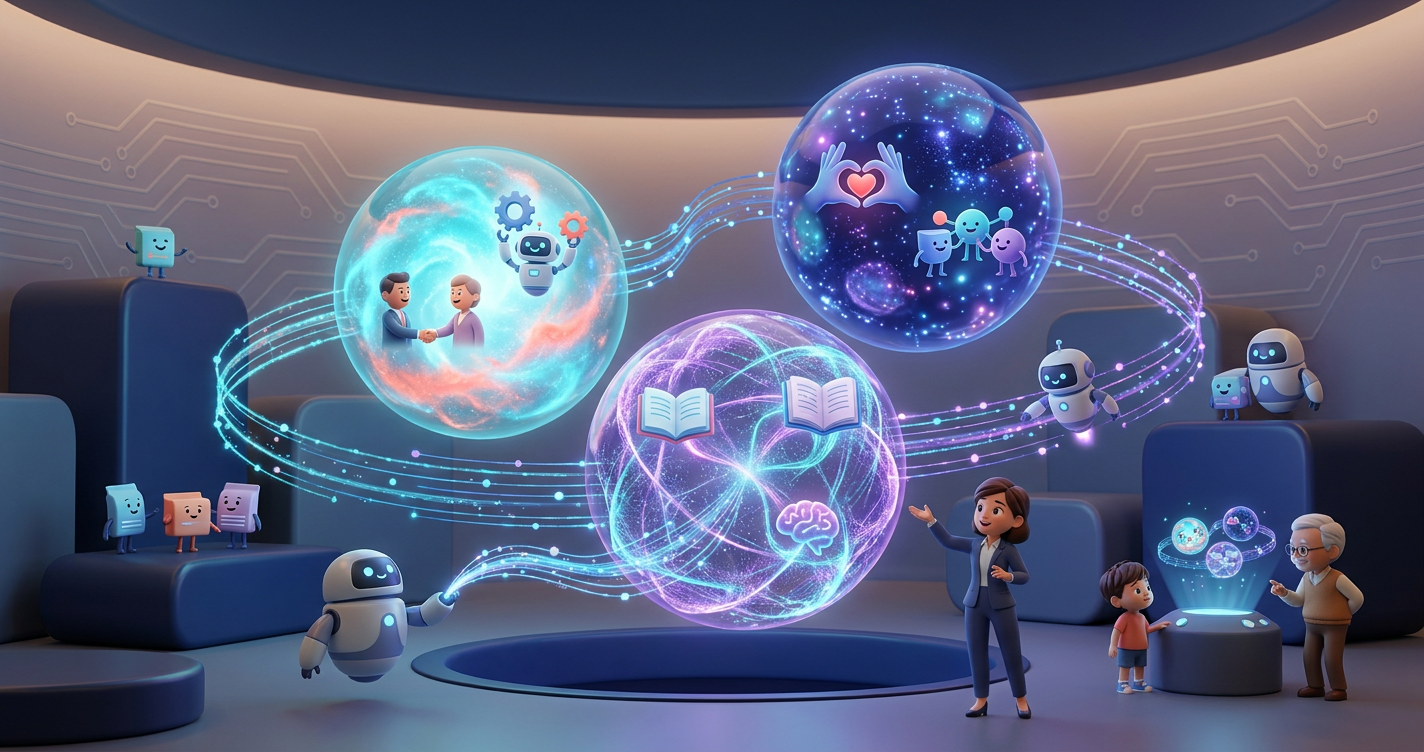
You connect hiring engagement and learning by using a unified workforce intelligence platform that maps individual work personality and skills from the first application through to ongoing development.
This integrated approach ensures that the people you hire are naturally aligned with your culture, remain motivated through purposeful work, and receive targeted training that closes specific performance gaps. By treating these three pillars as a single ecosystem rather than isolated HR functions, we can move away from reactive recruitment and toward strategic talent architecture.
Key takeaways
- Connecting hiring, engagement, and learning requires a single source of truth for candidate and employee data to ensure consistency.
- Work personality insights serve as the 'connective tissue' that predicts how a new hire will engage with the team and where they need development.
- Engagement is highest when employees see a clear link between their natural strengths and the learning opportunities provided by the organisation.
- A unified platform reduces the risk of new hire failure by aligning individual motivations with business objectives from day one.
Most organisations treat recruitment, employee engagement, and professional development as three separate islands. You might have a great process for finding talent, a different tool for measuring how they feel, and a library of courses for when they need to learn something new. The problem is that these systems rarely talk to each other, leaving HR leaders to bridge the gaps with manual spreadsheets and guesswork.
When these functions are disconnected, the candidate experience feels disjointed. A person might be hired for their technical skills but struggle because their work personality doesn't match the team's operating style. Without a clear connection to engagement data, you might not realise they are unhappy until they've already decided to leave. This is why understanding why new hires fail is so critical – it's often a failure of alignment, not a lack of talent.
By connecting these areas, we create a 'talent lifecycle' that is data-driven and predictable. Instead of wondering if a new hire will fit in, we use psychometric insights to see how they will interact with their peers. Instead of guessing which training they need, we look at the gaps identified during the hiring process. This level of integration is what transforms HR from a cost centre into a strategic command centre.
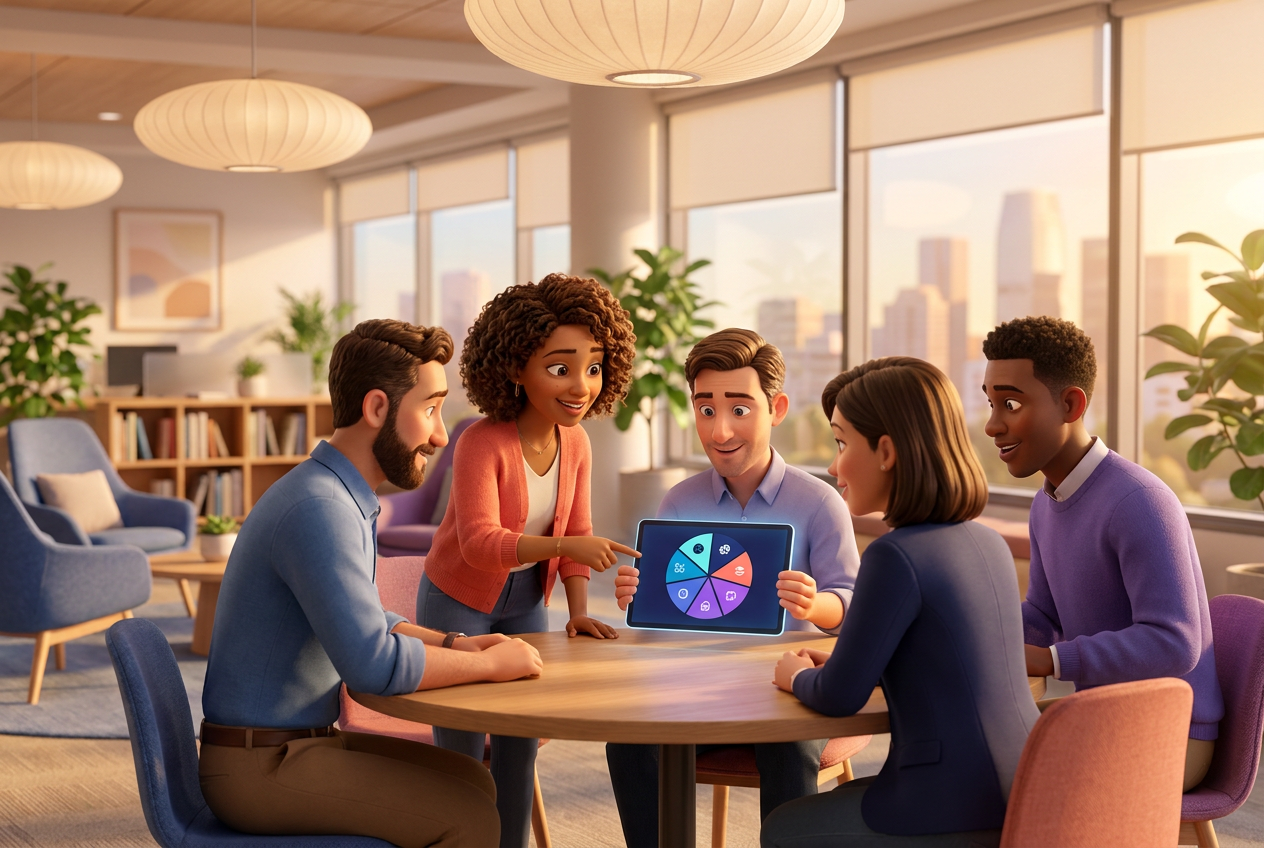
The connection begins the moment a candidate applies for a role. Traditional hiring focuses heavily on the resume – a document that is increasingly buried in AI-generated 'slop' and tells us very little about how a person actually works. To build a bridge to engagement and learning, we need to look deeper at 'Organisation Fit', which includes culture fit, job fit, and personality fit.
When we assess a candidate's work personality, we aren't just looking for a 'yes' or 'no' on the hire. We are gathering intelligence that will dictate how we manage them. For example, if you hire The Pioneer, you know they will be highly engaged by innovation and creative problem-solving. This insight tells you exactly what kind of projects will keep them motivated and what type of learning they will naturally gravitate toward.
At Compono, we built Compono Hire to do exactly this. It doesn't just rank candidates; it provides a 'Culture-Candidate Checker' that shows how an individual's values and work style align with your existing team. This data doesn't just sit in the recruitment folder; it flows through to the next stages of the employee journey, providing a roadmap for their first 90 days and beyond.
Engagement isn't about office perks or Friday drinks; it's about alignment. People are most engaged when their daily work allows them to use their natural strengths. When you connect hiring data to engagement strategies, you can personalise the employee experience in a way that feels authentic and supportive.
Consider a scenario where you've hired The Coordinator. Their engagement is tied to structure, efficiency, and clear priorities. If the work environment becomes chaotic or lacks process, their engagement will likely dip. Because you have the data from their initial assessment, you can proactively intervene. You can provide them with the tools and authority to organise workflows, which simultaneously solves a business problem and boosts their personal engagement.
This is the power of a workforce intelligence platform. It allows us to move beyond generic engagement surveys and start having 'system intelligence'. We can see the interplay between how people are wired and how they are performing. When engagement is measured against the backdrop of personality and role requirements, the insights become actionable rather than anecdotal.
The final piece of the puzzle is learning and development. In many companies, learning is a 'one-size-fits-all' programme that feels like a chore for employees. But when learning is connected to hiring and engagement data, it becomes a tool for empowerment. We can identify the specific skills a new hire lacks during the recruitment phase and immediately enrol them in relevant modules during onboarding.
For instance, an Evaluator might be brilliant at logic and risk assessment but may need to develop their 'soft skills' to better collaborate with more empathetic team members like Helpers. By identifying this gap early, you can provide targeted coaching or digital learning that feels relevant to their career growth. This makes the learning experience feel like an investment in their success, which in turn drives higher engagement.
We facilitate this through Compono Develop, which allows organisations to deliver learning that is scientifically grounded. When you know a person's work personality, you can tailor how the information is presented. Some people learn best through independent research, while others need collaborative, social learning environments. Connecting these insights ensures that your L&D budget is actually moving the needle on performance.
Connecting hiring, engagement, and learning isn't a one-time project – it's a continuous cycle. As people grow and roles evolve, the data needs to stay current. This requires a culture of 'continuous listening' where feedback loops are built into the daily workflow. By regularly checking in on how employees' work personalities are being utilised, we can adjust their learning paths and engagement plans in real time.
This approach also helps with internal mobility. When a new role opens up, you don't always need to look outside. You can look at your existing talent pool and see who has the right work personality and who has completed the necessary learning modules to step up. This 'inside-out' hiring strategy is more cost-effective and significantly better for culture than constantly bringing in external hires who may or may not fit the team dynamic.
Ultimately, the goal is to create a workplace where people feel seen and understood. When an employee knows that their hiring process was fair, their engagement is valued, and their learning is personalised, they are far more likely to stay and perform at their peak. It turns the workplace from a collection of individuals into a high-performing ecosystem.
Key insights
- True workforce intelligence occurs when data flows seamlessly from the hiring stage into engagement and development programmes.
- Alignment between personality and task is the primary driver of long-term employee engagement and retention.
- Personalised learning paths based on psychometric gaps lead to faster time-to-productivity for new hires.
- A unified platform like Compono eliminates data silos and provides HR leaders with a strategic overview of their talent landscape.
Connecting your people processes starts with having the right tools to see the big picture. By integrating your hiring, engagement, and development data, you can build a more resilient and high-performing organisation.
Hiring data, specifically from psychometric and skill assessments, identifies exactly where a candidate's strengths and gaps lie. By passing this information to the learning team, you can create a personalised development plan from day one, ensuring the new hire receives the exact training they need to succeed.
Engagement starts with expectations. If a candidate is hired for a role that doesn't align with their work personality or values, their engagement will naturally suffer. By using a platform that assesses 'Organisation Fit' during hiring, you ensure the person is entering an environment where they are naturally inclined to be engaged.
A workforce intelligence platform is a unified system that collects and analyses data across the entire employee lifecycle. Unlike traditional HRIS systems that just store data, a workforce intelligence platform provides insights into culture, personality, and performance to help leaders make better people decisions.
While it is possible to manually track these connections, it is incredibly difficult to scale. A unified platform automates the data flow, ensuring that insights from a candidate's initial assessment are always available to help managers with engagement and development conversations throughout the employee's tenure.
Yes. Employees are significantly more likely to stay with a company that invests in their specific career growth. When learning is tailored to their personal work personality and skill gaps, it feels more relevant and valuable, which increases their sense of belonging and commitment to the organisation.
What talent management software covers across hiring, engagement and development, the features that matter, and the questions to ask before you buy.
Practical people analytics use cases across retention, hiring and performance, and how to turn workforce data into better decisions.
Where Culture Amp stops: engagement data with no hiring or development context, and what to ask in a demo if you need the fuller picture.
 Compono