

.png?width=383&height=200&name=team%20(1).png)
 Compono


How to build HR dashboards that actually drive decisions

HR dashboards are visual reporting tools that aggregate workforce data into real-time insights, allowing People leaders to track key performance...
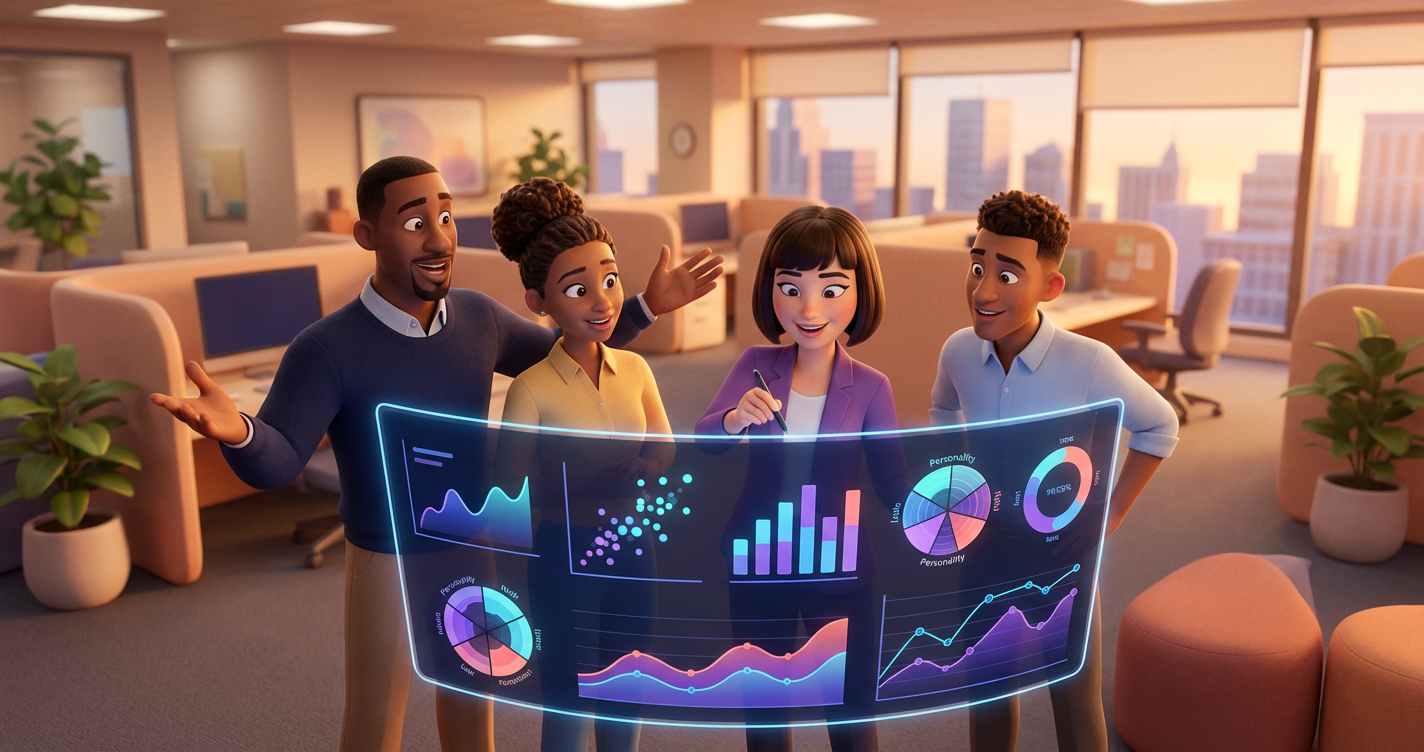
Workforce analytics software is a digital toolset designed to collect, analyse, and report on employee data to help business leaders make more informed people decisions.
By moving beyond simple spreadsheets and gut feel, these platforms allow you to identify high-performance patterns, predict turnover risks, and align your team’s natural strengths with your business goals. In this guide, we will explore how modern teams use data to build more cohesive cultures and why traditional reporting is no longer enough to stay competitive in today’s workplace.
Key takeaways
- Workforce analytics software transforms raw employee data into actionable insights for better hiring and retention.
- Modern platforms focus on 'human' metrics like work personality and cultural fit rather than just headcount.
- Data-driven decision-making reduces bias and helps managers support their teams more effectively.
- Integrating analytics into your daily workflow allows for proactive rather than reactive people management.
For a long time, HR and leadership decisions were based on intuition or basic metrics like turnover rates and years of experience. While these numbers tell you what happened in the past, they rarely explain why it happened or how to prevent it from happening again. Many managers find themselves reacting to problems – such as a sudden resignation or a drop in productivity – rather than anticipating them.
Without the right workforce analytics software, you are essentially flying blind. You might know that a certain team is underperforming, but you lack the visibility to see if the issue is a skills gap, a personality clash, or a lack of engagement. This guesswork leads to expensive hiring mistakes and wasted development budgets that don't actually move the needle on performance.
At Compono, we believe that the most successful businesses are those that treat people data with the same rigour as financial data. When you understand the underlying drivers of your team's behaviour, you can create an environment where everyone thrives. It is about moving from 'I think' to 'I know' when it comes to your most valuable asset: your people.

Effective workforce analytics goes deeper than just tracking attendance or leave balances. It involves looking at the intersection of skills, experience, and something we call work personality. This is where you find the true drivers of performance. By analysing these layers, you can see how different individuals interact and where your team might have 'blind spots' in their collective approach to work.
For example, a team full of Pioneers might be excellent at coming up with new ideas but could struggle with the finished details. Conversely, a team of Auditors will be incredibly thorough but might move slower when innovation is required. Workforce analytics software helps you visualise these dynamics so you can balance your team structure effectively.
This level of insight is particularly useful during times of change or rapid growth. When you are scaling quickly, maintaining your culture becomes a significant challenge. By using data to monitor culture and engagement, you can ensure that new hires add to your environment rather than diluting it. It allows you to be intentional about the 'vibe' of your office, even as it grows from 50 to 500 people.
One of the most powerful features of modern workforce analytics software is the ability to predict future trends. Predictive analytics uses historical data to identify patterns that typically precede an employee leaving the business. This might include changes in engagement scores, a plateau in development progress, or even a shift in how they collaborate with others.
When you have this information, you can intervene before it is too late. Instead of conducting an exit interview, you can have a stay interview. This proactive approach saves thousands in recruitment costs and preserves the institutional knowledge that walks out the door when a key person leaves. It shifts the role of HR from an administrative function to a strategic partner that protects the business's bottom line.
Retention isn't just about keeping people; it's about keeping them engaged. Tools like Compono Engage allow you to gather real-time feedback and sentiment data. By combining this with performance metrics, you get a holistic view of your workforce health. You can see exactly which initiatives are working and which ones are falling flat, allowing you to optimise your people programmes for maximum impact.

Hiring is perhaps the area where workforce analytics software makes the most immediate impact. We all have unconscious biases that can cloud our judgement during the interview process. We might favour someone because they went to the same university or share a similar hobby, even if they aren't the best fit for the role's actual requirements.
Data-driven hiring levels the playing field. By using assessments to measure organisation fit, job fit, and personality fit, you can rank candidates based on objective criteria. This doesn't replace the human element of an interview, but it provides a solid foundation of evidence to support your final decision. You can see how a candidate’s natural work style will complement the existing team before they even start.
At Compono, our platform helps you see these connections clearly. Compono Hire uses sophisticated matching technology to score candidates against your specific needs. This reduces the time spent screening unsuitable resumes and ensures that every person you interview has the potential to be a long-term success. It simplifies the process for both the recruiter and the hiring manager.
The final piece of the workforce analytics puzzle is development. Once you have hired the right people and ensured they are engaged, you need to help them grow. Analytics can highlight specific skills gaps across your organisation, allowing you to invest your training budget where it will have the most significant return on investment.
Instead of a 'one-size-fits-all' training programme, you can create personalised learning paths. If your data shows that your Coordinators are struggling with a new software rollout, you can provide targeted support for that group. This targeted approach is more efficient and shows your employees that you truly understand and value their unique contributions to the business.
This data-driven approach to growth also helps with succession planning. You can identify 'high-potential' employees early in their tenure and ensure they have the right mentorship and opportunities to prepare them for future leadership roles. It creates a transparent, merit-based path for career progression that motivates your top talent to stay with you for the long haul.
Key insights
- Traditional HR metrics are reactive, while workforce analytics software provides proactive insights into team health.
- Understanding work personality types allows managers to balance team dynamics and fill critical gaps.
- Predictive data can identify turnover risks early, allowing for strategic interventions that save time and money.
- Objective hiring data reduces unconscious bias and improves the long-term success rate of new recruits.
- Targeted development based on data ensures that training budgets are spent effectively on actual skills gaps.
Implementing workforce analytics doesn't have to be a daunting task. It starts with choosing a platform that translates complex data into simple, actionable insights for your managers.
Workforce analytics software is a tool that collects and analyses employee data – such as performance, engagement, and personality – to help businesses make better people decisions and improve overall productivity.
Data improves hiring by providing objective scores on a candidate's fit for a role and the company culture. This reduces bias and helps identify the candidates most likely to succeed in the long term.
Yes, by identifying patterns that lead to disengagement or turnover, managers can intervene early with support or career development opportunities to keep their best talent from leaving.
Not at all. Mid-market businesses (60–1,000 staff) often see the biggest benefits, as data helps them maintain their culture and efficiency during periods of rapid growth or change.
HR reporting tells you what happened in the past (e.g., how many people left last month), while workforce analytics explores the 'why' and helps you predict what might happen in the future.
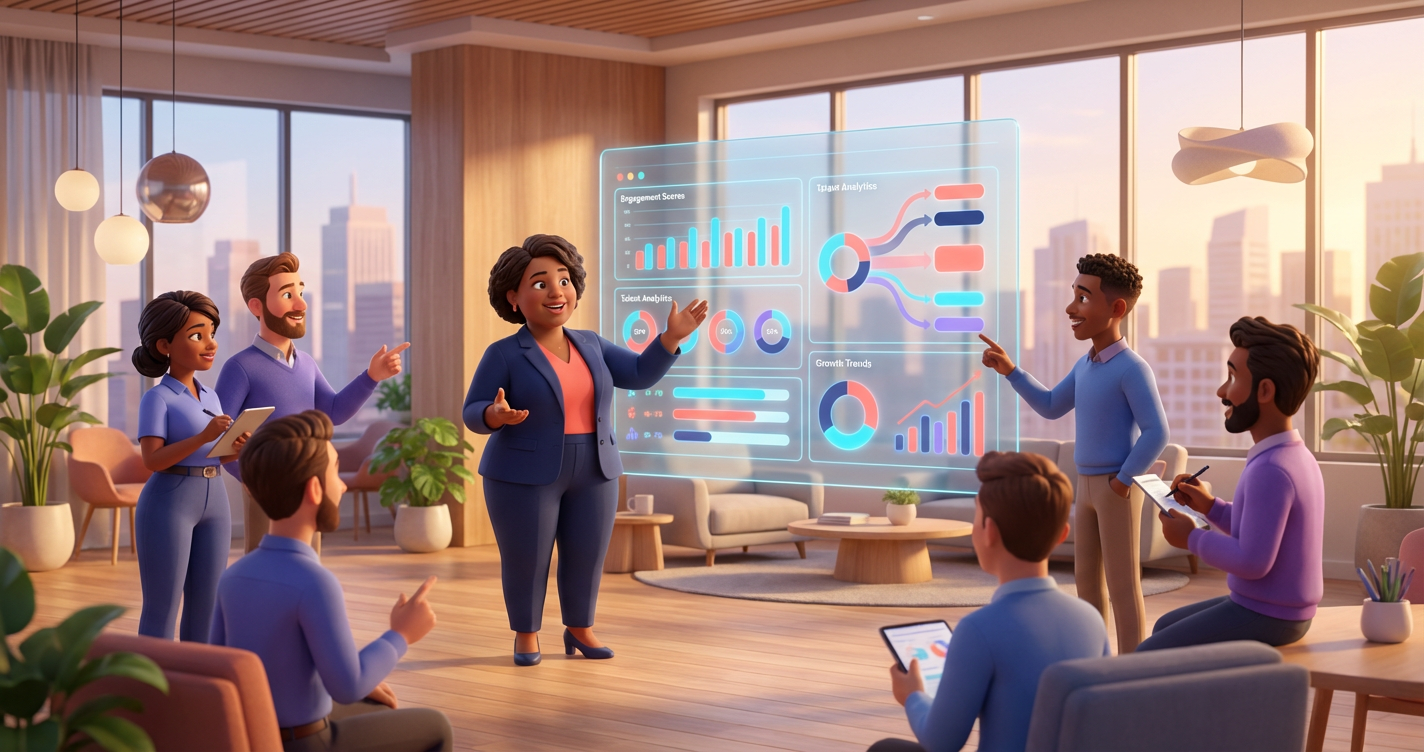
HR dashboards are visual reporting tools that aggregate workforce data into real-time insights, allowing People leaders to track key performance...
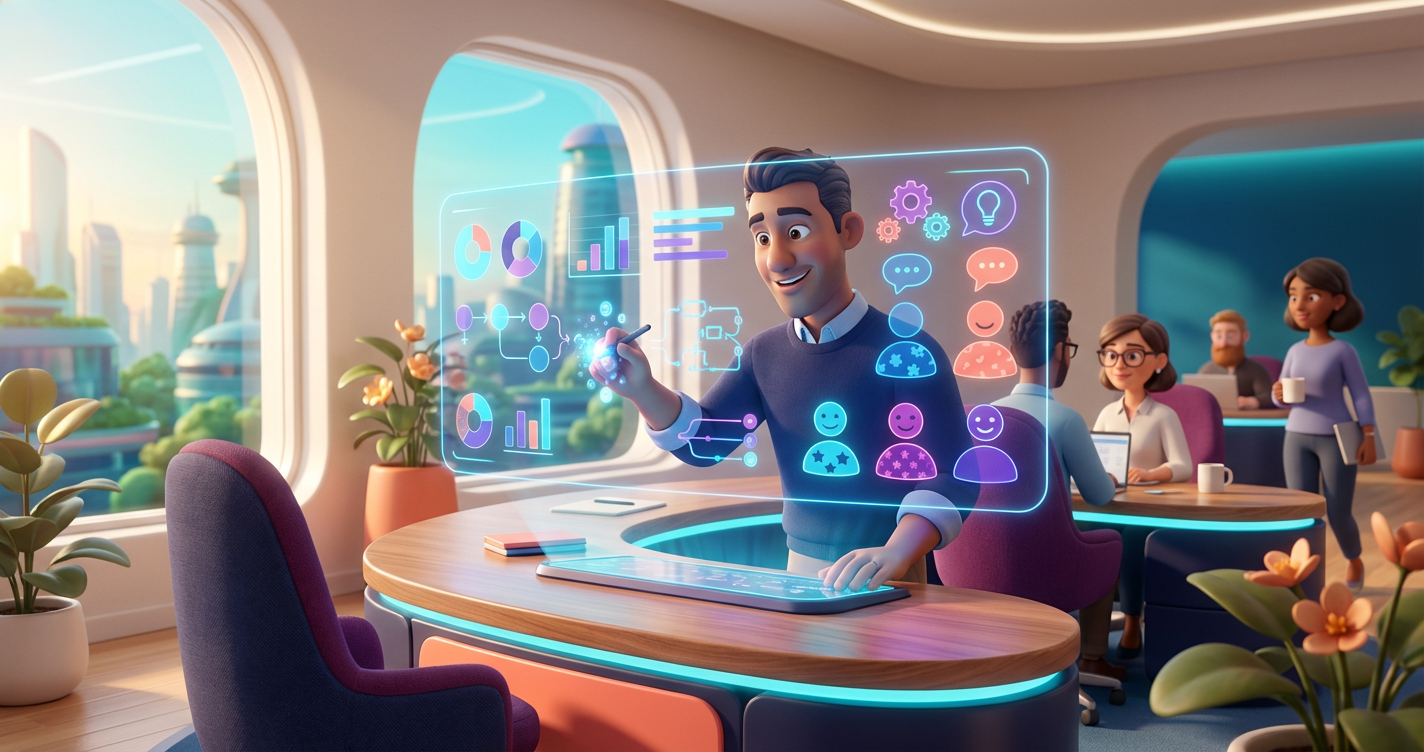
Data-driven HR decisions are the process of using objective workforce analytics and behavioural science to guide people strategy rather than relying...
ATS HRIS integration is the process of connecting your Applicant Tracking System with your Human Resources Information System to ensure a seamless...