

.png?width=383&height=200&name=team%20(1).png)
 Compono


What is people analytics and how to use it for your team

People analytics is the method of using data to understand and improve every part of how people work – from who you hire to how you keep your best...

People analytics is the method of using data to make better decisions about people at work, moving away from gut feel to evidence-based insights that improve business outcomes.
While HR has always collected data, modern analytics goes beyond mere record-keeping to uncover patterns in recruitment, performance, and retention that help leaders build more effective teams.
Key takeaways
- People analytics transforms raw employee data into actionable insights for better management decisions.
- The process helps reduce bias in hiring by focusing on objective performance indicators and work personality traits.
- Data-driven insights allow organisations to predict turnover and proactively improve employee engagement.
- Successful implementation requires a balance of high-quality data, the right technology, and a human-centric approach.
For decades, many management decisions were based on intuition or 'the way we’ve always done it'. If a team was underperforming, a manager might guess they needed more training. If turnover was high, they might assume it was a salary issue. People analytics changes this by providing a clear, data-backed picture of what is actually happening within your workforce.
At its heart, people analytics – often called HR analytics or talent analytics – is about solving business problems through the lens of your most valuable asset: your people. It involves gathering data from various sources, such as payroll, performance reviews, and engagement surveys, then analysing it to find trends that might not be visible to the naked eye. This evidence-based approach helps HR leaders speak the same language as the CEO and CFO, proving the tangible impact of people initiatives on the bottom line.
We see this shift as a natural evolution of the HR function. Instead of being viewed as an administrative cost centre, HR becomes a strategic partner. By understanding what is people analytics, you can start to answer critical questions: Which hiring sources produce the longest-tenured employees? What are the common traits of our top performers? How does manager behaviour correlate with team productivity? These insights allow you to invest your time and budget where they will have the greatest impact.

To get started, you need to understand the different layers of analytics. It isn't just about one single report; it is a spectrum of insights that grows more sophisticated as your data maturity increases. Most organisations begin with descriptive analytics – simply looking at what happened in the past, such as your turnover rate over the last twelve months.
The next level is diagnostic analytics, which asks 'why' something happened. If your turnover rate spiked in a specific department, diagnostic tools help you dig into the reasons. Is it related to a lack of career development, or perhaps a mismatch in work personality types within the team? Moving further along, predictive analytics uses historical data to forecast future trends, such as identifying which employees are at a high risk of leaving before they actually hand in their resignation.
Finally, prescriptive analytics suggests specific actions to take based on those forecasts. It might recommend a specific training programme or a change in team structure to head off a predicted problem. At Compono, we believe the most powerful analytics are those that are easy to understand and act upon. Our Engage module helps leaders visualise these complex data points, turning abstract numbers into clear strategies for team improvement.
Recruitment is one of the most impactful areas for people analytics. Traditional hiring often relies on resumes and brief interviews, which are notoriously poor predictors of long-term success. By applying analytics to your hiring process, you can identify the specific skills and attributes that actually lead to high performance in your unique culture.
Analytics helps you move beyond 'culture fit' – which can often be a mask for unconscious bias – and toward 'organisation fit'. This involves looking at objective data points like cognitive ability, technical skills, and work personality. When you track the performance of new hires over their first year and map that back to their initial assessment scores, you create a feedback loop that constantly improves your selection criteria.
This is where technology becomes a force multiplier. Compono Hire uses this data-driven approach to help you assess candidates across multiple dimensions, ensuring you aren't just hiring for the role, but for the long-term health of the team. By using a Workforce Intelligence Platform, you can automate the heavy lifting of data collection and focus your energy on the human elements of the interview.
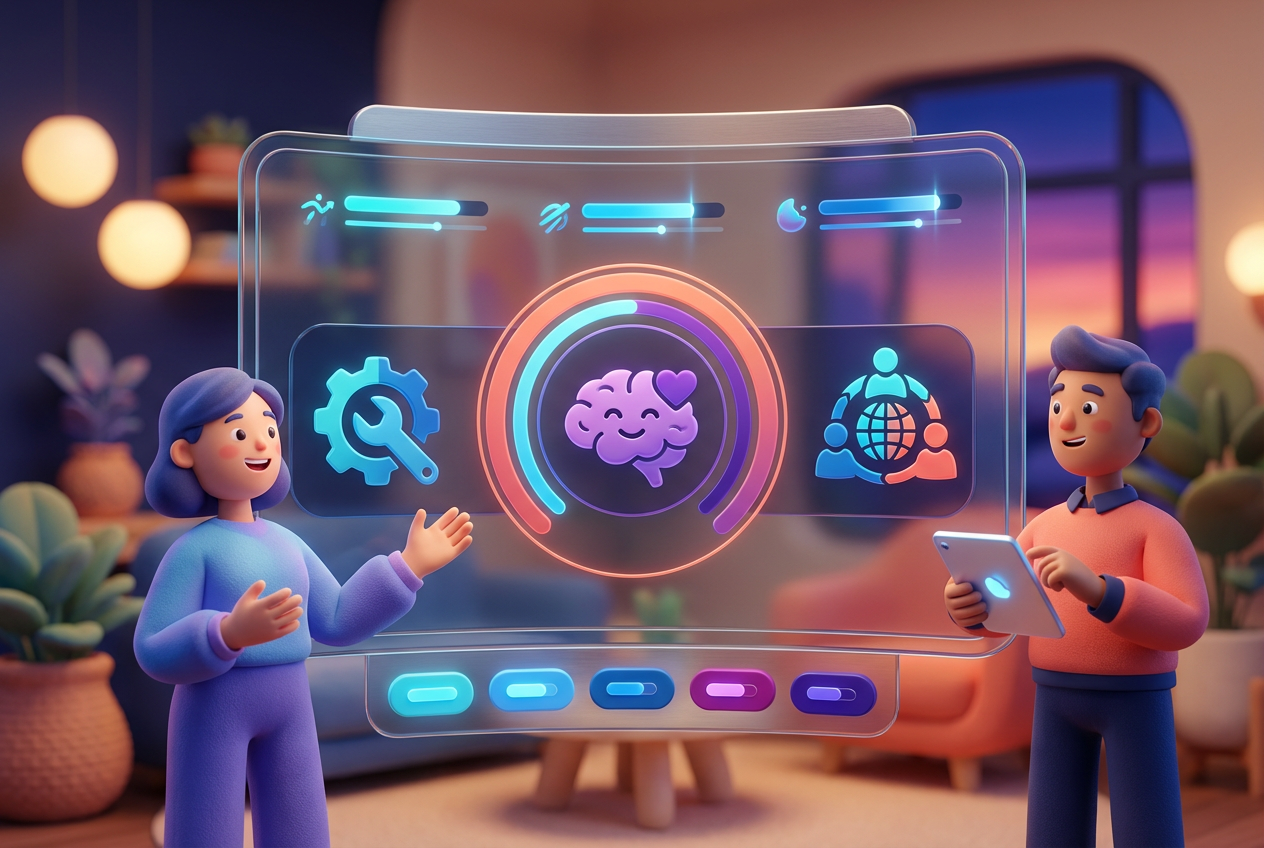
Employee engagement is often seen as 'soft' data, but it has hard consequences for productivity and retention. People analytics allows you to measure engagement in real-time rather than waiting for an annual survey that is out of date by the time the results are published. By using frequent pulse checks, you can spot declining morale in specific cohorts and intervene early.
For instance, you might find that The Helpers in your organisation are feeling burnt out because they are taking on too much emotional labour for their teams. Or perhaps your Pioneers are disengaged because they feel stifled by rigid processes. Analytics gives you the 'why' behind the 'what', allowing you to tailor your management style to the different personalities within your workforce.
When you understand the drivers of engagement, you can build a more resilient culture. This isn't about making everyone happy all the time; it is about creating an environment where people feel seen and supported. Using data to inform these efforts ensures that your culture initiatives are grounded in reality, not just assumptions. For a deeper look at this, you can explore The Compono Culture, Engagement & Performance Model, which details how these elements interconnect.
While the benefits are clear, many HR teams struggle with implementation. The biggest hurdle is often data quality. If your employee records are scattered across three different spreadsheets and an old payroll system, your analytics will be unreliable. Clean, centralised data is the bedrock of any successful people analytics programme.
Another challenge is the 'analysis paralysis' that comes with having too much data. It is easy to get lost in complex charts and lose sight of the original business problem. We recommend starting small: pick one specific issue, like reducing turnover in your sales team, and use data to solve that one problem first. Once you prove the value, you can expand your efforts.
Finally, remember that people analytics is a tool to support humans, not replace them. Data can tell you that a team is struggling, but it takes a human leader to have the conversation and provide the empathy needed to fix it. The goal is to use data to inform your intuition, making you a more confident and effective leader.
Key insights
- People analytics bridges the gap between HR activities and business results by providing measurable evidence for people-related decisions.
- The transition from descriptive to predictive analytics allows HR to move from a reactive to a proactive strategic function.
- Data-driven recruitment reduces bias and increases the likelihood of long-term hire success by focusing on objective fit.
- Centralising data is the most critical first step for any organisation looking to leverage workforce intelligence.
Understanding what is people analytics is just the beginning of your journey toward a more informed, effective HR strategy.
The best way to start is by centralising your most important data into a single platform. Focus on one area first, such as recruitment or turnover, and clean that specific data set before trying to tackle everything at once.
Not necessarily. While large enterprises may have dedicated teams, mid-market organisations can use platforms like Compono that do the complex analysis for you, providing easy-to-read dashboards and actionable insights.
No, organisations of all sizes benefit from data. In fact, for mid-sized businesses, the impact of a single bad hire or a high turnover rate can be even more significant, making analytics a vital tool for growth.
Analytics provides an objective view of your workforce, helping you identify gaps in representation, pay equity issues, or biases in your promotion and hiring cycles that might otherwise go unnoticed.
While the terms are often used interchangeably, HR analytics usually focuses strictly on HR processes, whereas people analytics takes a broader view, looking at how people's behaviour and traits impact overall business performance.

People analytics is the method of using data to understand and improve every part of how people work – from who you hire to how you keep your best...
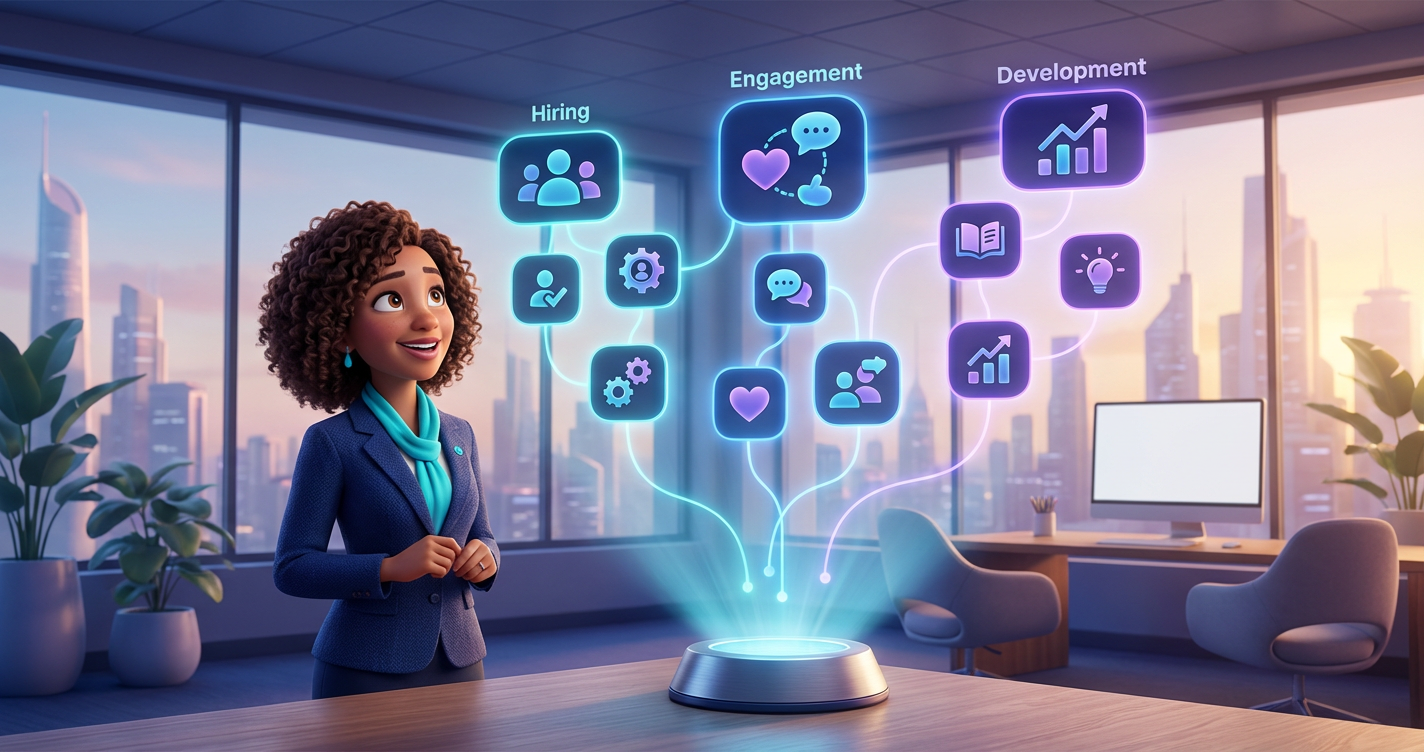
Incomplete HR tech is the primary reason modern people leaders struggle with fragmented data, manual workarounds, and a lack of clear workforce...

A workforce intelligence platform is a centralised system that uses data and psychology to help leaders understand their people, optimise team...