
.webp?width=559&height=292&name=2026.07.21%20Fireside%20KV%20-%201200x627%20(event%20featured).webp)
.png?width=383&height=200&name=team%20(1).png)
 Compono


1 min read
Best HR software for HR generalists
 Mathan Allington
Last reviewed July 2026
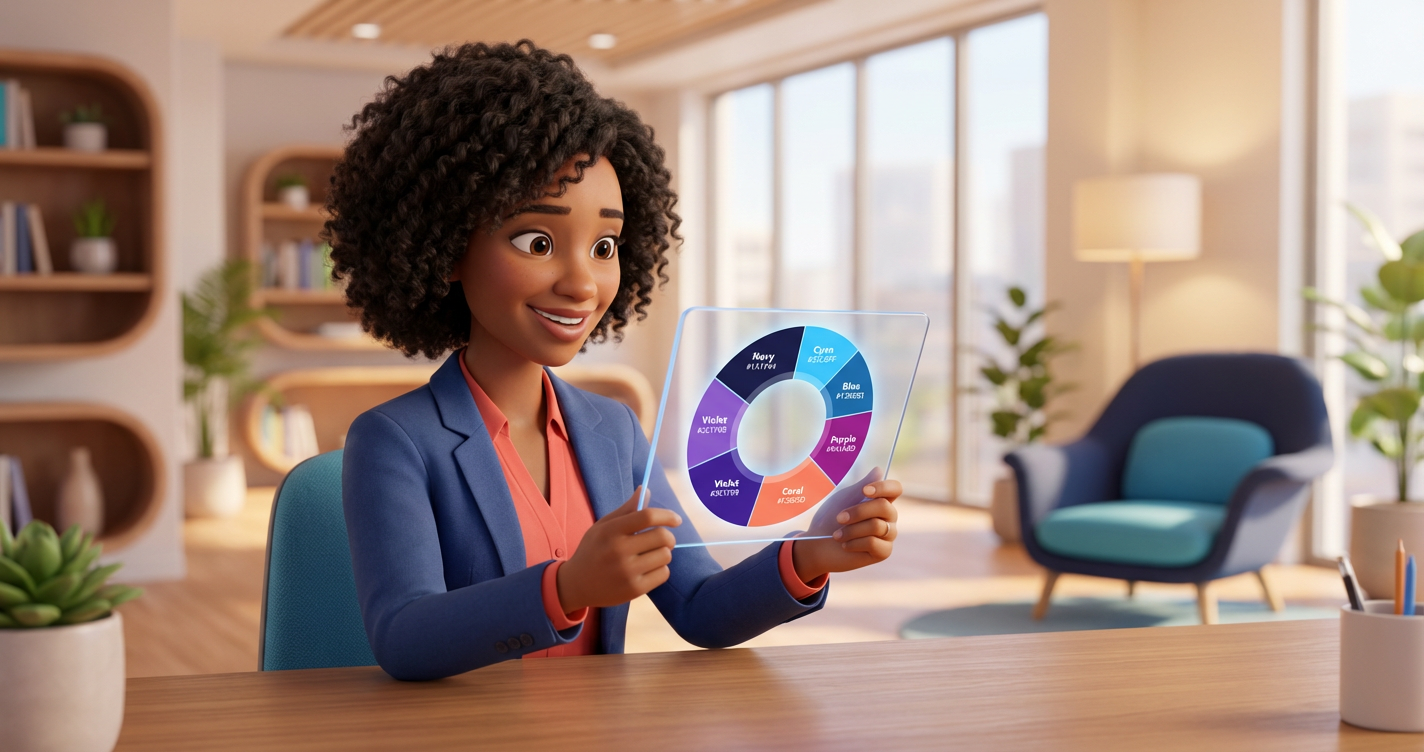
An integrated HR platform is a unified digital ecosystem that connects recruitment, employee engagement, and talent development into a single source of truth to eliminate data silos and improve organisational performance.
In today's workplace, managing people through fragmented tools leads to more than just administrative headaches; it creates a disconnected employee experience that stalls growth. By centralising your people strategy, you can move from reactive troubleshooting to proactive workforce intelligence that actually moves the needle on your business goals.
Key takeaways
- An integrated HR platform removes friction by connecting the entire employee lifecycle from hire to retire.
- Data-driven insights from a unified system allow leaders to identify talent gaps and cultural misalignments early.
- Streamlining HR tech stacks reduces manual double-handling and improves the accuracy of people analytics.
- A unified approach to engagement and development boosts retention by providing clear, personalised growth paths.
Many mid-market organisations reach a point where their 'people tech' is actually a collection of accidental additions. You might have one tool for job postings, a separate spreadsheet for performance reviews, and perhaps a third-party survey tool for culture checks. While each might work in isolation, they rarely speak the same language. This fragmentation forces HR leaders to spend more time reconciling data than they do supporting their people.
When systems don't talk to each other, the human element gets lost in the gaps. You might hire a brilliant candidate based on their technical skills, only to find six months later that they don't mesh with the team's working style. Without an integrated HR platform, you lack the longitudinal data to see why that happened. Was it a failure in the onboarding process, a lack of development opportunities, or a fundamental cultural mismatch that could have been spotted during the interview phase?
We see this often in teams of 60–1,000 staff – the 'messy middle' where manual processes no longer scale. The result is a 'data tax' where every decision requires hours of manual export and pivot-table magic. Moving to a unified system isn't just about saving time; it is about gaining the clarity needed to lead with confidence. When your hiring data informs your development strategy, and your engagement scores influence your leadership training, you create a self-improving organisational loop.

The true power of an integrated HR platform lies in its ability to map the entire employee journey. This begins at the very first touchpoint: the job application. Traditional hiring focuses heavily on the resume, but an integrated approach considers 'Organisation Fit' – the intersection of culture, personality, and job-specific requirements. By assessing these factors upfront, you aren't just filling a vacancy; you are adding a specific 'work personality' that complements your existing team dynamic.
At Compono, we've spent over a decade researching how these connections drive results. Our Compono Hire module allows you to assess candidates across multiple dimensions of fit, ensuring that the people you bring in are naturally aligned with your company's mission and values. This data doesn't just disappear once the contract is signed. It flows directly into the employee's profile, providing managers with a 'user manual' for their new team member from day one.
Once a person is in the building, the focus shifts to engagement. In a fragmented environment, engagement is often measured by an annual survey that provides a snapshot of the past. In an integrated environment, engagement is a continuous dialogue. You can see how specific cohorts – perhaps those hired during a rapid expansion – are feeling compared to long-term staff. This allows for surgical interventions rather than broad-brush policies that might not land well with everyone.
Retention is rarely about the salary alone; it is about the path. People want to know where they are going and how they are growing. An integrated HR platform makes this path visible by linking performance insights directly to learning opportunities. If a manager identifies a gap in 'Strategic Thinking' during a review, the system should be able to suggest the exact development resources needed to bridge that gap immediately.
This is where the concept of 'Workforce Intelligence' becomes a competitive advantage. Instead of generic training programmes, you can offer personalised development that respects an individual's natural work personality. For example, a Pioneer who excels at creative ideation will require a different developmental approach than an Auditor who thrives on precision and methodical review. A unified platform recognises these nuances and tailors the experience accordingly.
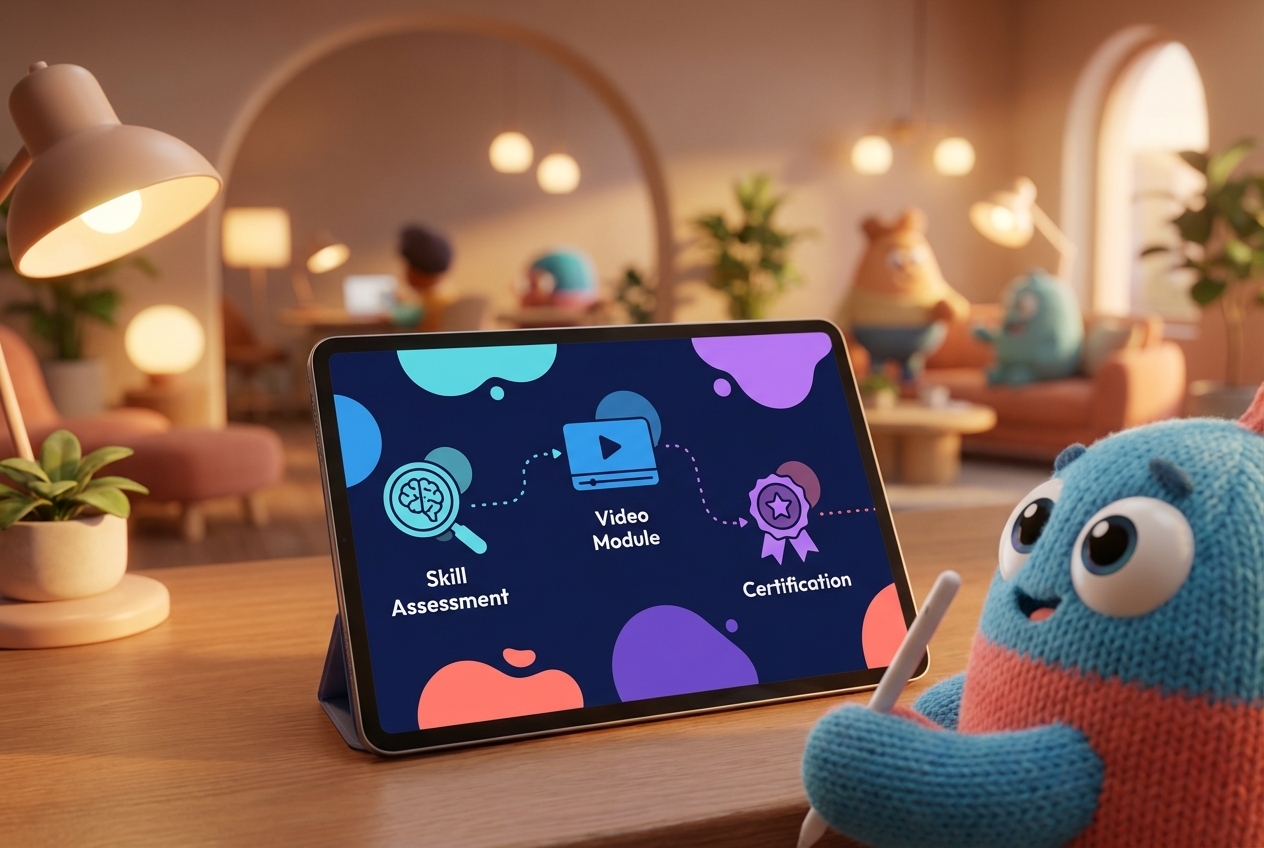
By using Compono Develop, organisations can create these bespoke learning journeys that are informed by real-world performance data. This ensures that your investment in training is actually solving the problems identified by your managers. It turns the HR department from a cost centre into a strategic engine for growth, where every dollar spent on development is linked to a documented need and a measurable outcome.
One of the most overlooked benefits of an integrated HR platform is the ability to manage team conflict and collaboration through personality insights. High-performing teams aren't just groups of high-performing individuals; they are groups of people whose work personalities balance each other. A team full of 'Campaigners' might have incredible energy and vision, but they may struggle with the follow-through and detail work that a 'Coordinator' or 'Doer' provides naturally.
When these insights are integrated into your daily workflow, managers can anticipate friction before it happens. If you know that two team members have vastly different communication styles based on their assessed work personality, you can provide them with the tools to adapt. This reduces the emotional labour required to work together and allows the team to focus on the task at hand. It is about creating a common language for how work gets done.
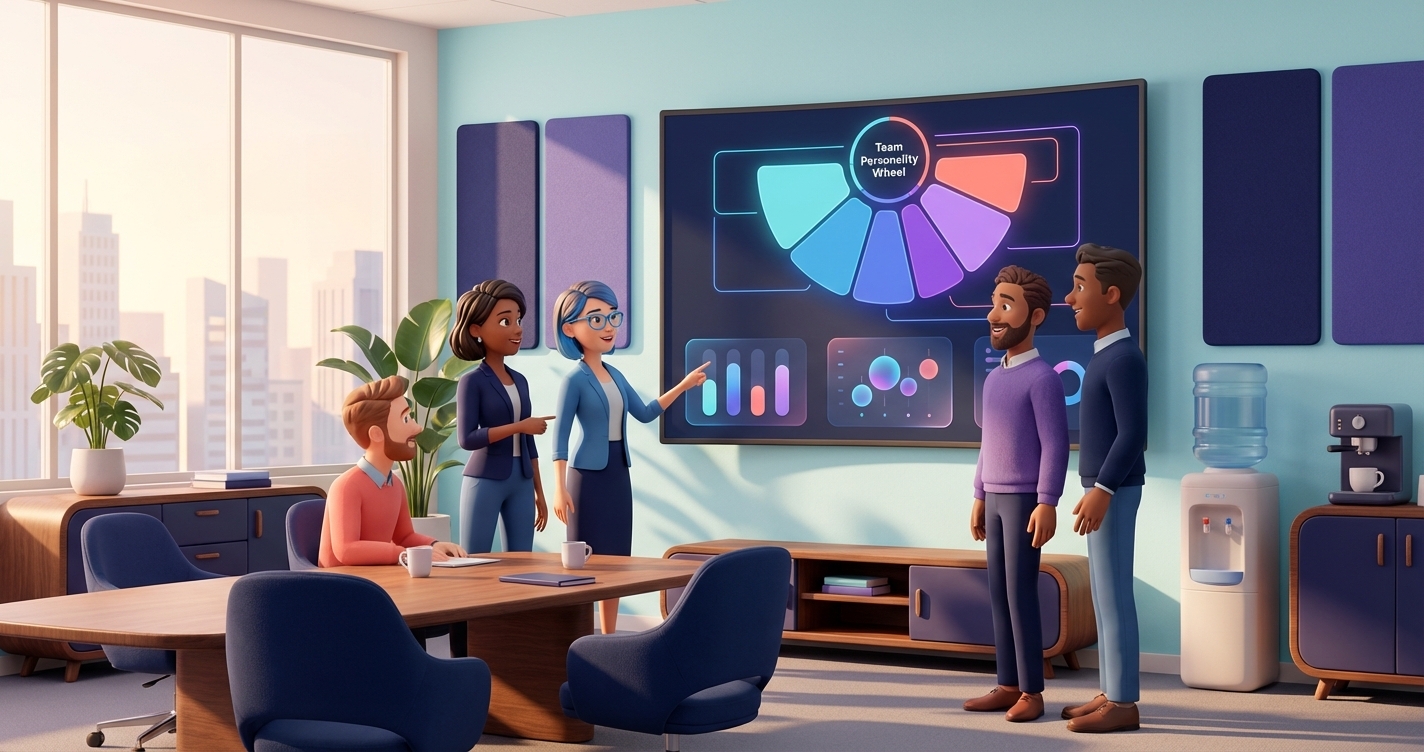
Within the Compono Engage module, leaders get access to these 'team wheels' that visualise the cognitive diversity of their workforce. This isn't just 'nice-to-know' information – it is a diagnostic tool for performance. If a project is stalling, a quick look at the team's personality mix might reveal that you lack an 'Evaluator' to weigh up the options or a 'Helper' to maintain harmony during high-pressure phases. Integration means these insights are always a click away, not buried in a PDF from a workshop three years ago.
Key insights
- Fragmentation in HR technology acts as a 'data tax' that slows down decision-making and obscures the true state of team culture.
- An integrated HR platform like Compono allows for 'Organisation Fit' assessments that improve long-term retention by matching candidates to culture, not just skills.
- Development becomes more effective when it is personalised based on an individual's natural work personality and real-time performance gaps.
- Visualising team dynamics through a unified platform helps managers resolve conflict and balance cognitive diversity for better project outcomes.
If you are tired of juggling multiple logins and manual spreadsheets, it might be time to see how a unified approach can simplify your life and strengthen your team.
An HRIS (Human Resources Information System) primarily focuses on administrative data like payroll and leave. An integrated HR platform like Compono goes much deeper, connecting that administrative layer with 'Workforce Intelligence' – including personality assessments, engagement data, and targeted development tools – to drive actual performance.
It allows you to use data from your most successful existing employees to inform who you hire next. By integrating personality and culture fit assessments into the recruitment phase, you can rank candidates based on how well they will actually perform within your specific team environment.
Yes, significantly. By providing clear development paths, recognising individual work preferences, and allowing managers to address engagement issues in real-time, you create an environment where staff feel understood and valued, which is the primary driver of long-term loyalty.
While any change requires a plan, the long-term benefits of having a single source of truth far outweigh the initial setup. Modern platforms are designed to be intuitive, and a staged rollout usually allows teams to adapt without disrupting their daily operations.
It provides a 'cheat sheet' for leadership. Instead of guessing why a team member is disengaged or why two people are clashing, managers can look at work personality insights to adapt their communication and management style to suit the individual.
1 min read
A faster hiring process is achieved by identifying bottlenecks in your screening stages, automating repetitive administrative tasks, and using...
1 min read
Choosing a hiring platform in Newcastle requires a tool that balances local market knowledge with advanced behavioural science to ensure you find the...
 Compono